Electric toothbrushes are essential tools for maintaining oral hygiene, but their performance and longevity can be compromised if water enter the handle. Moisture intrusion may lead to malfunctions, reduced battery life, or even permanent damage. To help you avoid prevent water enter the handle, here are some practical tips to keep your electric toothbrush handle dry and functioning optimally.
Before diving into prevention methods, it’s important to recognize the signs of water damage in an electric toothbrush. Common fault manifestations include:
Reduced vibration or power
Intermittent operation
Failure to charge
Unresponsive buttons
Visible condensation inside the handle
If you notice any of these issues, moisture may already have entered the handle. Taking preventive measures early can save your device from irreversible damage.
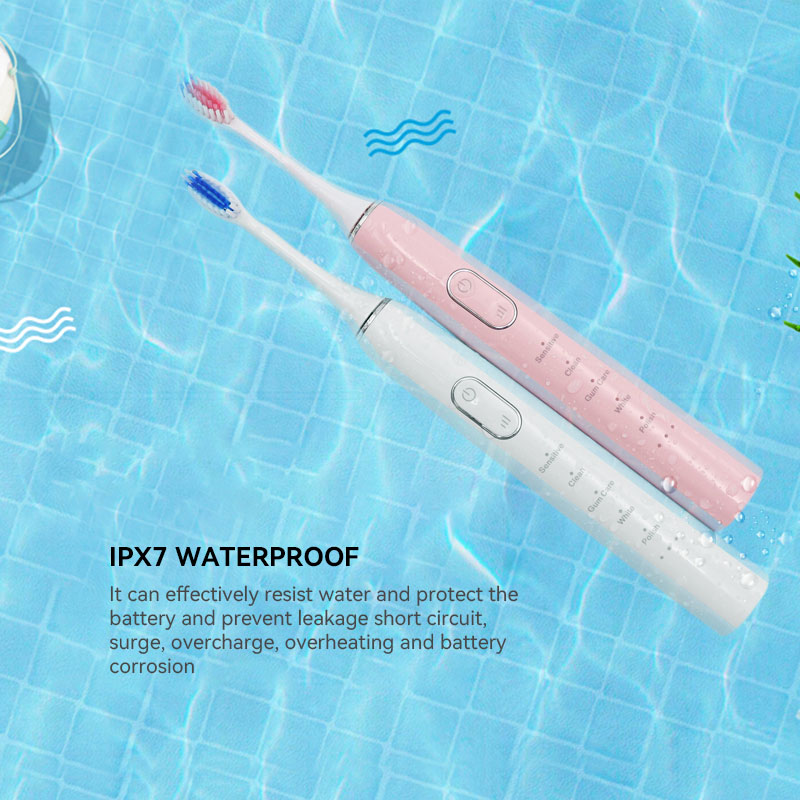
Many users rinse their electric toothbrushes under hot water, but this can be harmful. Thermal expansion and contraction caused by hot water may weaken the seals and gaskets designed to keep water out. Over time, repeated exposure to high temperatures can degrade the waterproofing materials, allowing water to penetrate. Instead, use lukewarm or cold water for cleaning.
A simple yet effective habit is to shake the handle dry after use. After rinsing the brush head, hold the toothbrush firmly and flick your wrist several times to remove excess water. Pay special attention to the area where the brush head attaches, as water often accumulates there. This quick step significantly reduces the risk of water seeping into internal components.
Regular maintenance is key to preventing water damage. Keep the handle clean by wiping it down with a dry cloth after each use. Avoid leaving the toothbrush in a damp environment, such as a closed shower caddy or a wet countertop. Instead, store it upright in a well-ventilated area to allow any residual moisture to evaporate.
Toothpaste contains abrasive and chemical ingredients that, over time, may contribute to wear and tear. Toothpaste corrodes waterproof structural parts, such as rubber seals and silicone gaskets, making them less effective at keeping water out. To minimize this risk, rinse the brush head and handle thoroughly after each use, ensuring no toothpaste residue remains.
Extreme temperature changes can affect your toothbrush’s waterproofing. For instance, leaving it in a steamy bathroom or near a heater can cause thermal expansion and contraction, compromising the integrity of internal seals. Store your toothbrush in a dry, temperature-stable location to prolong its lifespan.
Preventing water from entering your electric toothbrush handle is all about adopting good habits and proper maintenance. By following these tips—avoiding hot water, shaking the handle dry, keeping it clean, and storing it correctly—you can ensure your device remains functional and durable for years to come.
For more expert advice on electric toothbrush care, explore our blog or contact our customer support team! https://www.powsmart.com/
.jpg)
Electric Toothbrush Packaging Customization for OEM and Private Label Brands
Sonic Toothbrush Factory for Brands
child fear water flosser introduction: kid-friendly tips
ADA Style Electric Toothbrush for OEM Buyers | Gentle, Safe & Professional Sonic Cleaning
Portable Electric Toothbrush Supplier Strategy and Market Expansion Guide
Electric Toothbrush Supplier Alabama | Corporate & Dental Partners

How to Deal with the Electric Toothbrush That Automatically Starts Up?
Red and Blue Light Oral Device | Dual-Wavelength LED Therapy
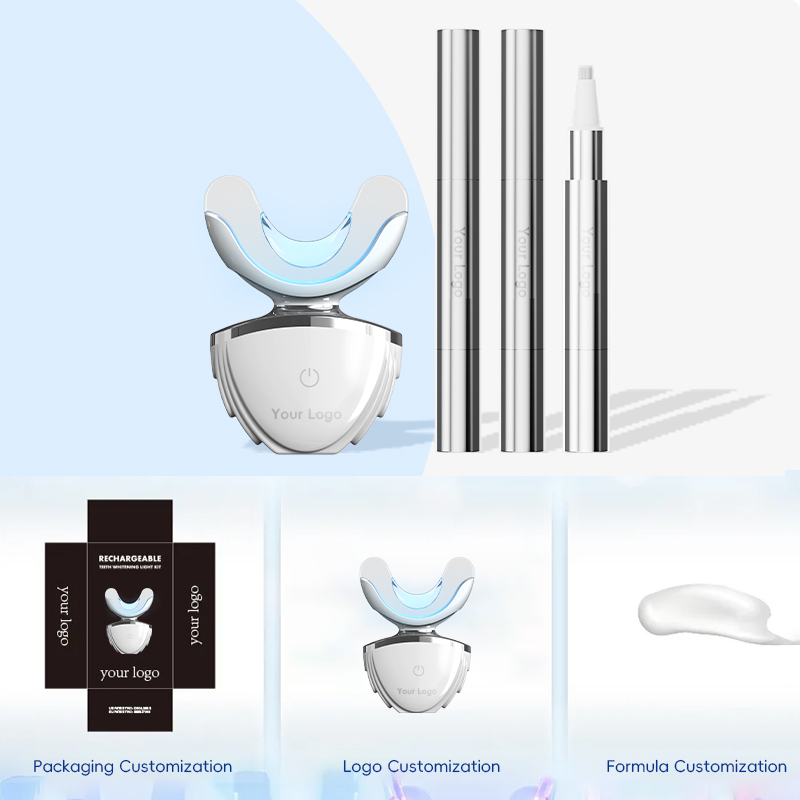
What is Teeth whitening LED light? Is it useful?
Which Electric Toothbrush Works Best in Hard Water Areas in Arizona and Colorado?
Professional Whitening System Bulk Supply for Global Retailers
trismus water flosser use: limited mouth opening
Replaceable Brush Head Toothbrush Supplier for Scalable Oral Care Brands
.jpg)
Why Optimize Light Diffusion Lens Design Based on Peroxide Decomposition Rate?
Can a Digital Twin Optimization Platform Be Accessed Through a Unified Remote Diagnostics Interface?
Is Your Brush Eco-Friendly?


.jpg)
.jpg)
.jpg)
.jpg)
.jpg)






.jpg)