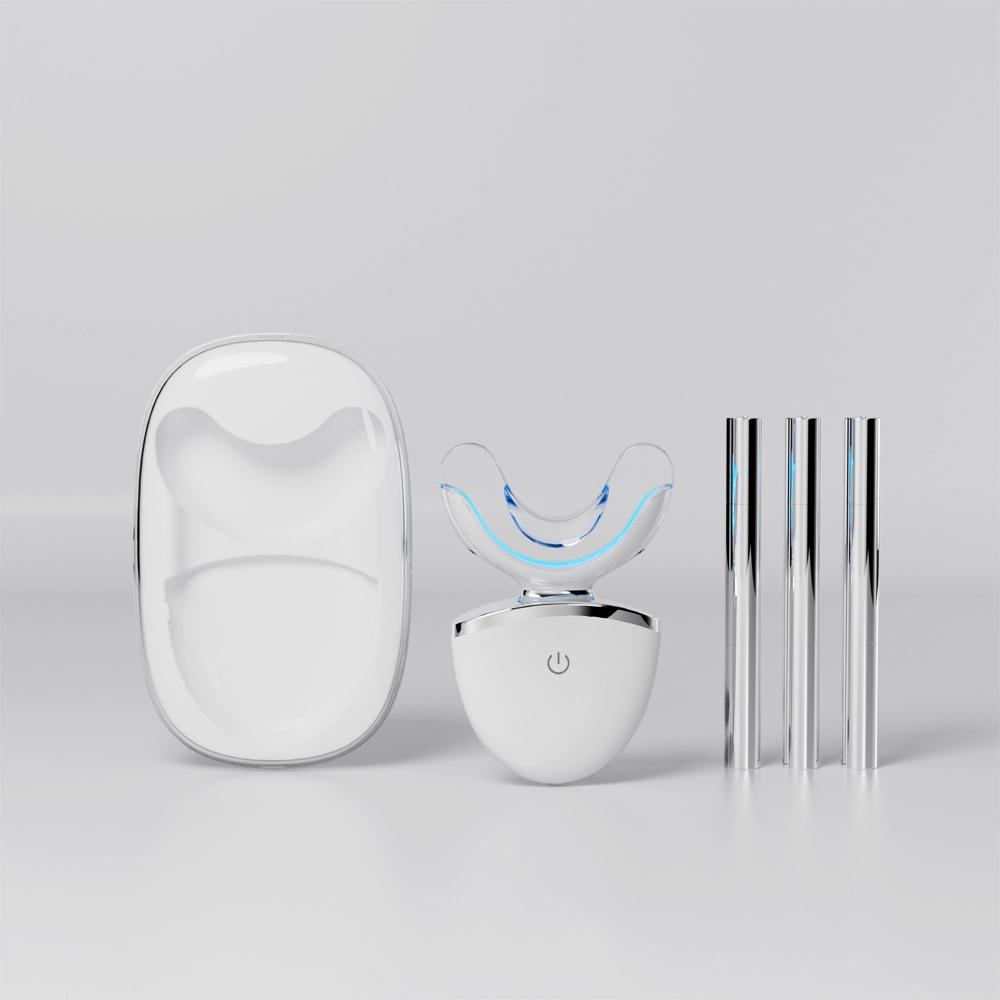
As professional whitening devices continue to evolve, many manufacturers are exploring how a Plume Evacuation System can support safer and more efficient Photo-accelerated Oxidation during teeth whitening treatments. By removing aerosolized by-products and maintaining a clean irradiation environment, plume control directly influences whitening performance, light distribution, and user safety—key factors in premium whitening system design.
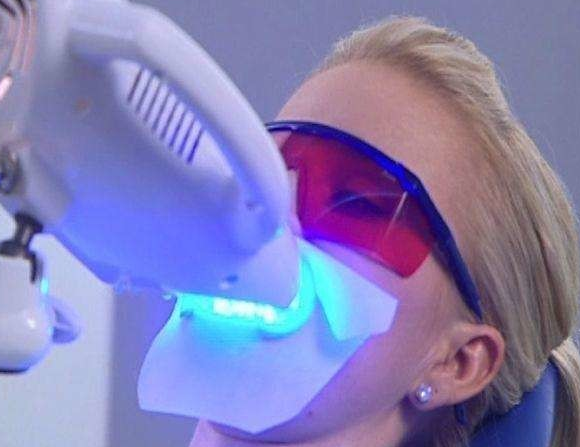
During whitening sessions, evaporated gel components and micro-plumes can scatter or absorb light energy. A Plume Evacuation System keeps the treatment area clear, allowing LEDs or lasers to deliver uninterrupted energy to the tooth surface, which is essential for maximizing Photo-accelerated Oxidation efficiency.
High-performance whitening gels release active oxygen radicals. If the surrounding environment becomes saturated with vapors, oxidation efficiency can drop. By continuously removing airborne by-products, the evacuation system helps sustain optimal oxygen exchange at the enamel surface, improving stain breakdown.
A plume often contains volatile organic compounds, gel residues, and micro-particulates. Efficient plume evacuation reduces inhalation risks for clinicians and clients, ensuring the whitening system meets health and safety expectations—especially in professional or high-frequency environments.
Heat generated during Photo-accelerated Oxidation can accelerate gel evaporation, forming additional plume. Controlled air extraction stabilizes temperature and humidity around the treated teeth, helping maintain gel hydration and ensuring consistent whitening results across the full treatment cycle.
Scattered plume particles can create uneven light distribution, reducing the uniformity of whitening coverage. Incorporating a Plume Evacuation System allows the device to maintain constant optical clarity, ensuring every tooth receives the same level of energy for predictable and repeatable outcomes.
Manufacturers can integrate compact evacuation channels, UV-safe filters, and intelligent airflow control into future whitening devices. This allows brands to offer premium systems where Photo-accelerated Oxidation is enhanced through controlled environmental conditions—an appealing selling point for clinics seeking top-tier results.
Integrating a Plume Evacuation System into teeth whitening devices can significantly boost the efficiency and consistency of Photo-accelerated Oxidation. By ensuring clearer optics, safer operation, and improved chemical performance, manufacturers can deliver advanced whitening solutions. Contact us
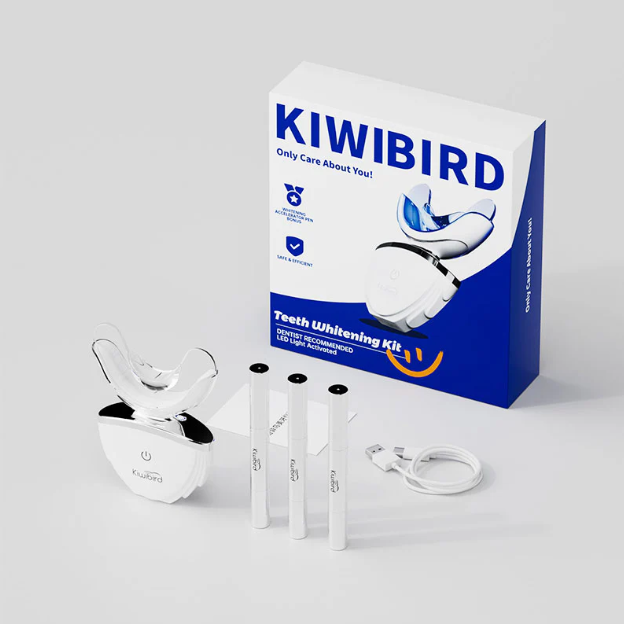
Why is There Such a Big Price Difference Between Teeth Whitening Kits on the Market?
How does a toothbrush OEM factory ensure quality for private label toothbrush?
.jpg)
Travel Electric Toothbrush OEM – Compact Texas Manufacturing Solutions
.jpg)
Electric Toothbrush Reseller Program Wholesale | Global Distributor Partner
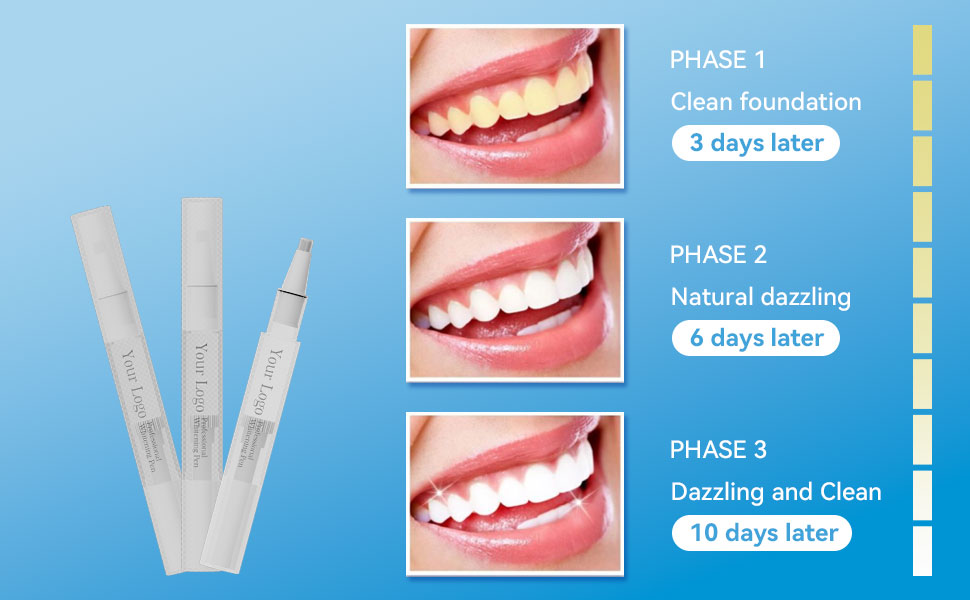
Some Common Problems of Teeth Whitening and Solutions
Electric Toothbrush Price Comparison for Home Maker
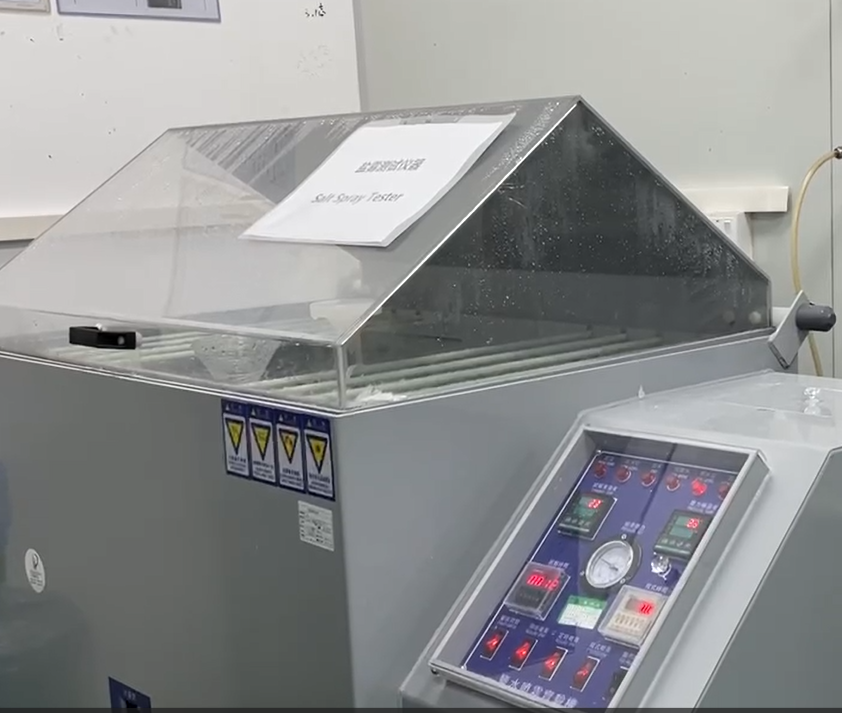
Reducing Electric Toothbrush Auto power-On Failure Rates: Manufacturer’s 3-Fold Guarantee from Design to Assembly
Promotional Electric Toothbrush for Tech Companies Redmond | Custom Branding
How to Prevent Water Discoloration and Microbial Growth?
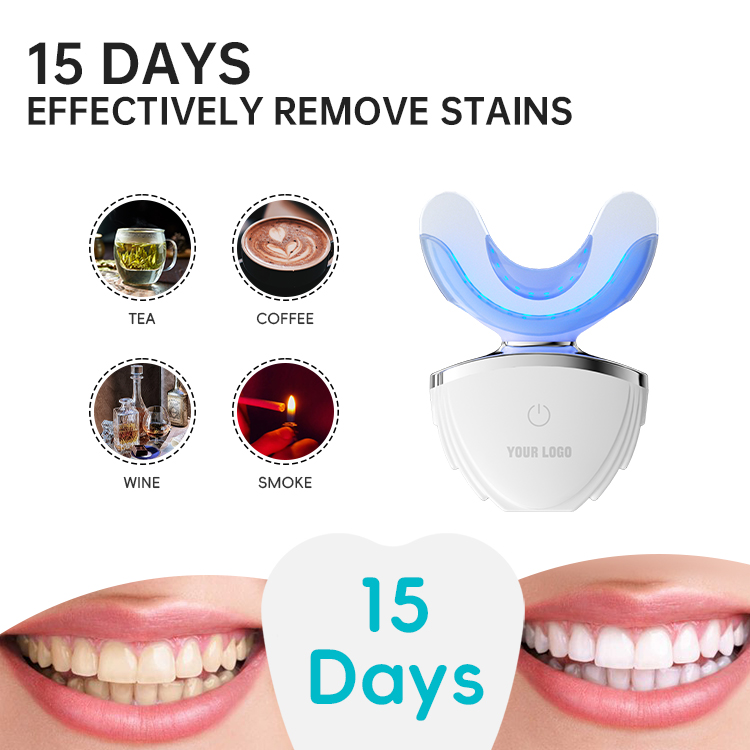
How Does an LED Whitening Lamp Activate a Specific Whitening Gel Formulation Effectively?
Are Water Flossers Just a Bad Idea? An Honest OEM Manufacturer’s Perspective
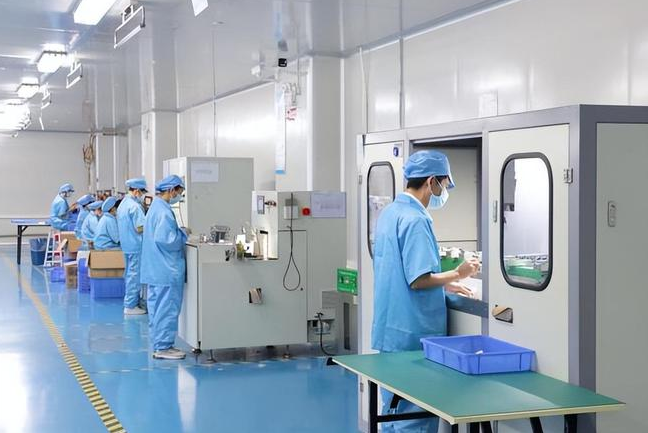
Branding vs Private Label: Which Model is Better for You?
Should You Try The Take-Home Whitening Kit?
Wireless Charging Toothbrush | OEM Manufacturer for Premium Oral-Care Brands
Why Are Battery Recycling Challenges Ignored Despite Gum Massage Inconsistency?
Why Is It Important to Use a Water Flosser Instead of Dental Floss?


.jpg)
.jpg)
.jpg)
.jpg)
.jpg)






.jpg)
.jpg)
.jpg)