When assessing the effectiveness of teeth-whitening treatments, the CIE Whiteness Index is a critical measurement tool used to quantify whitening results. It accounts for the perceptible changes in tooth color by considering Hue, Saturation, and Lightness—three essential components of color that influence how bright or white a tooth appears. Understanding how these variables interact in whitening outcomes allows manufacturers to refine products for more precise, consistent results across different user profiles.
The CIE Whiteness is a standardized metric developed by the International Commission on Illumination (CIE) to measure how white a surface appears, factoring in both the degree of whiteness and the presence of any color undertones. It helps manufacturers and clinicians track the effectiveness of whitening treatments in a scientifically validated way.
The three key components of the CIE Whiteness —Hue, Saturation, and Lightness—each play a distinct role in how whiteness is perceived:
The CIE Whiteness Index integrates Hue, Saturation, and Lightness into a single formula that allows for a comprehensive understanding of how teeth whitening affects tooth color. By using a colorimeter or spectrophotometer to measure these elements before and after treatment.
Teeth that appear whiter may not always have the same level of brightness across all regions. For example, some whitening products may lighten teeth effectively but leave unwanted yellow or blue undertones. By considering Hue, Saturation, and Lightness in the product design and performance evaluation, manufacturers can ensure.
Understanding and optimizing the CIE Whiteness Index allows manufacturers to precisely target specific whitening goals. Whether the aim is to create a universally effective product or to cater to individuals with specific whitening needs. This data also supports more transparent marketing claims.
For OEM/ODM buyers, CIE Whiteness Index measurements provide valuable insights into how a whitening product or system performs in terms of overall color change. Manufacturers can tweak formulas, light intensities, or treatment durations based on the results of these measurements.
By integrating CIE Whiteness Index measurements that account for Hue, Saturation, and Lightness, manufacturers can achieve greater precision in whitening outcomes. This data-driven approach helps optimize the effectiveness, consistency, and safety of whitening treatments. Contact us
.jpg)
.jpg)
.jpg)
Soft Bristle Electric Toothbrush OEM Supplier | Sensitive-Care Toothbrush Manufacturer
Bulk Electric Toothbrush Pricing for Global Buyers
Whitening Pen + LED Kit Supplier | Teeth Whitening Combo OEM
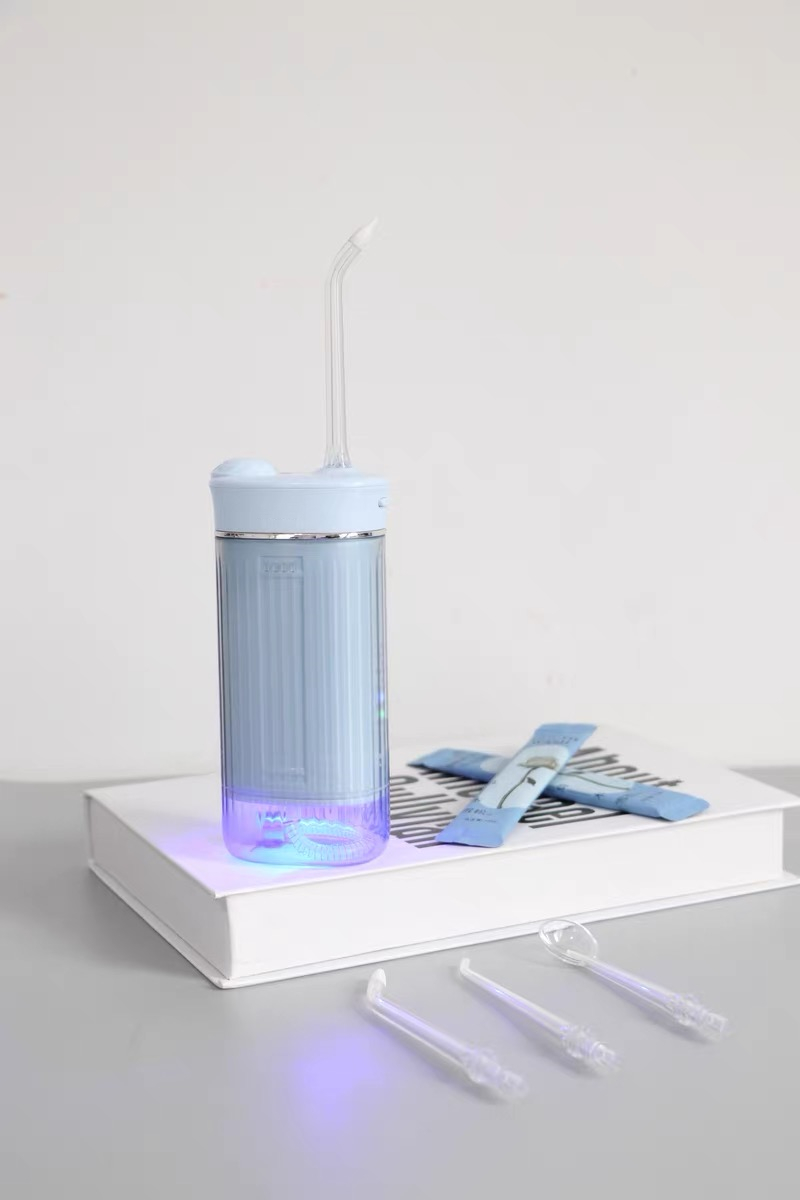
Water Flosser Power Settings: Balancing Cleaning Efficacy with User Comfort
.jpg)
How Does a Laminar Flow Nozzle Complement a Micro-perforated Brush Head for Deep Cleaning?
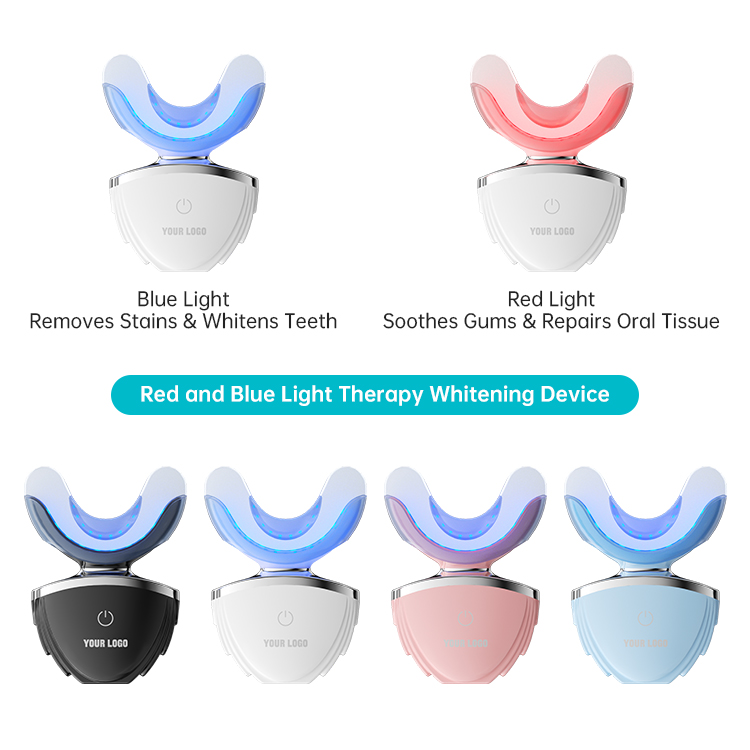
How Does a Photobleaching Catalyst Interact with Optical Brighteners in Advanced Whitening Formulations?
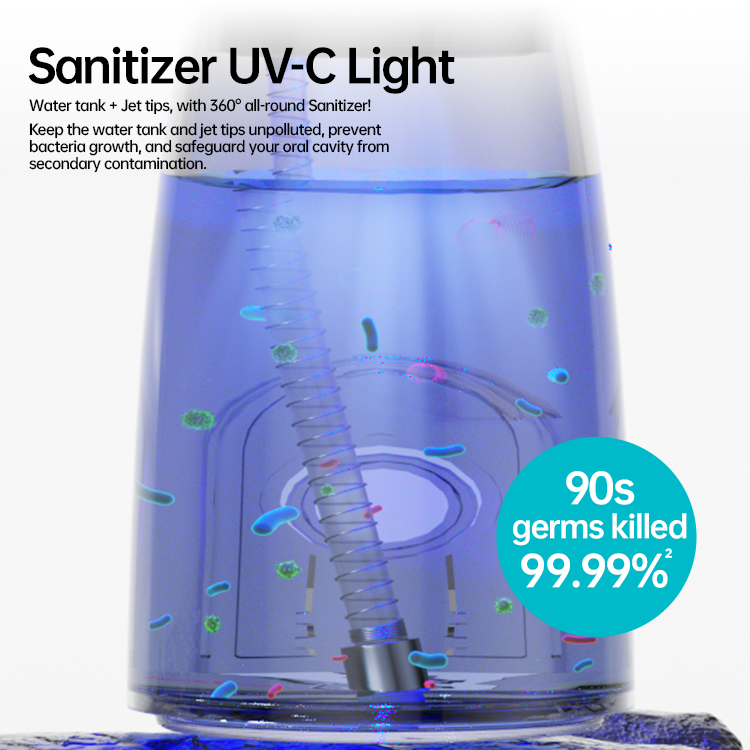
How Does a Water Flosser Pump OEM Partner Ensure Quality for Oral Irrigator Nozzle Production?
Professional Teeth Whitening Supplier China for Global Distributors
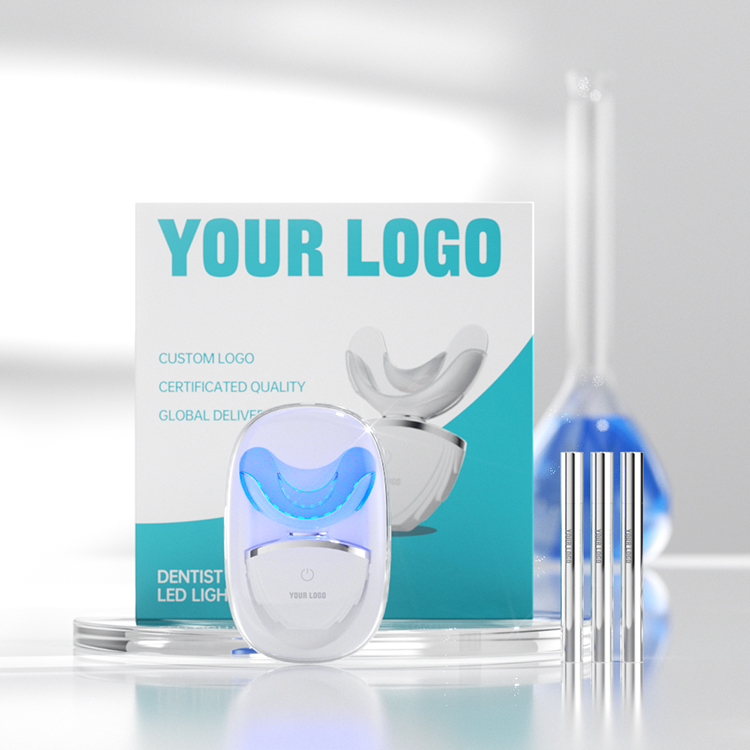
Professional-Grade OEM Teeth Whitening: Options for Premium Brand Positioning
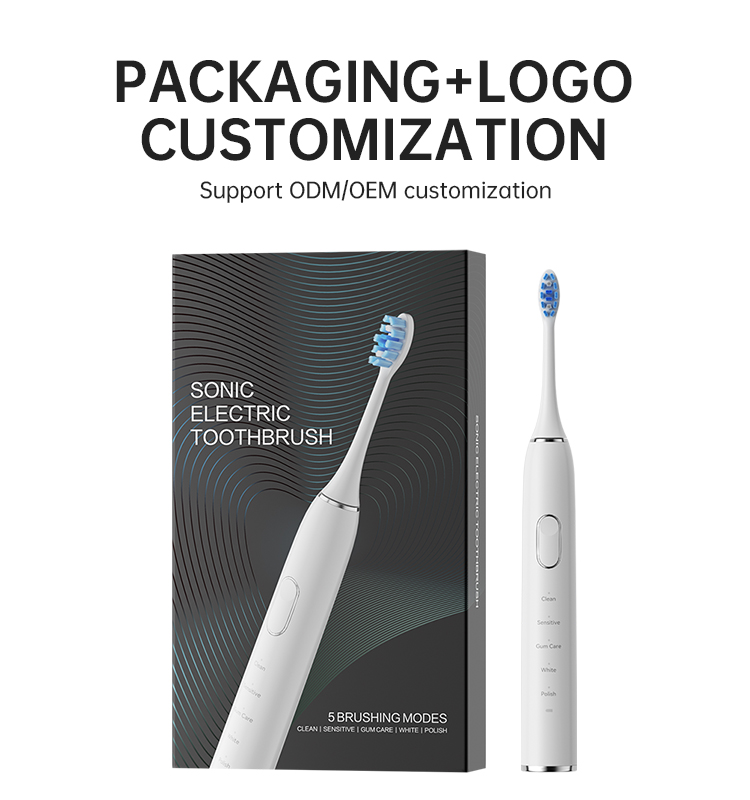
Why Use Cavitation Cleaning Technology in a Gingival Sulcus Cleaner for Professional Oral Care?
Cordless Compact Water Flosser OEM | Portable Oral Irrigator Manufacturer

How Does Osmotic Pressure Regulation Enhance Jet Stream Collimation for Gentle Gum Care?
Portable LED Whitening Mouthpiece Wholesale | Flexible LED Oral Tray Supplier
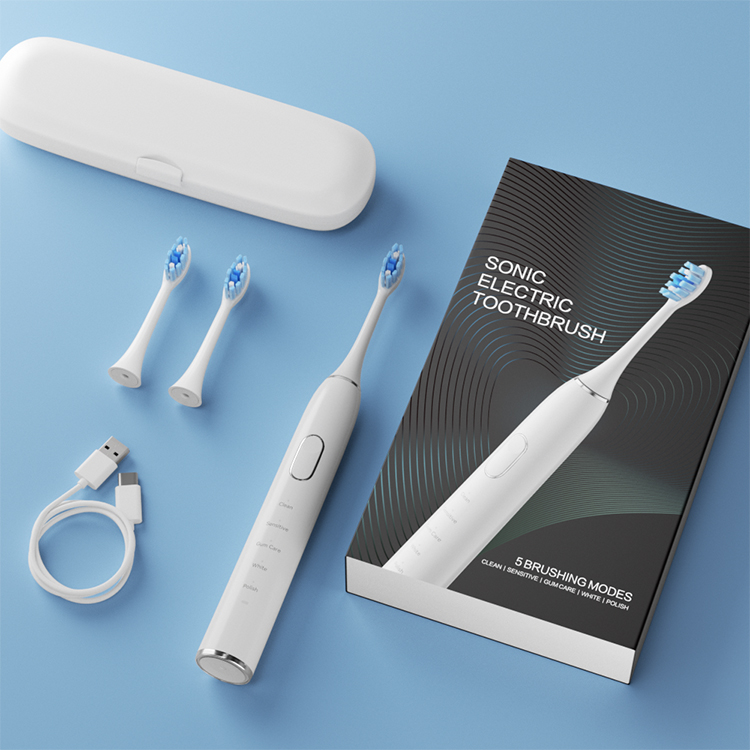
Why Measure Quantum Yield When Developing a Smart Timer Whitening Kit?

How Do Surface Reflectance and Subsurface Scattering Measurements Improve Whitening Efficacy Evaluation?
What Can an Experienced Oral Care Products Factory Help You When Creating Your Own Brand?


.jpg)
.jpg)
.jpg)
.jpg)
.jpg)





.jpg)