
In modern whitening technologies, understanding how a Plume Evacuation System interacts with the Peroxide Decomposition Rate is essential for maintaining both treatment safety and predictable results. As whitening gels become more advanced and energy-activated systems more common, manufacturers are increasingly focused on the chemical stability of peroxide and how environmental factors influence its performance.
Below, we explore six key considerations that explain why plume evacuation is more than a safety accessory—it can directly contribute to optimized gel behavior and controlled whitening outcomes.
During peroxide activation—whether by heat, light, or ultrasonic acceleration—minor volatile byproducts can be released. If these accumulate around the treatment zone, they may affect the oxidation balance of the whitening agent.
A well-engineered Plume Evacuation System removes these vapors in real time, helping maintain a stable Peroxide Decomposition Rate and preventing premature breakdown.
Temperature is one of the main drivers of peroxide reactivity. Excess localized heat can cause peroxide to decompose too rapidly, reducing efficacy and increasing sensitivity risk.
By reducing thermal plume buildup, evacuation devices help keep surface temperature more consistent, ensuring that decomposition progresses at a controlled, predictable rate.
Peroxide whitening relies on controlled oxygen release. If the surrounding environment becomes oxygen-dense due to lack of air circulation, peroxide molecules may behave unpredictably.
Evacuation stabilizes the treatment field by constantly refreshing airflow, supporting more uniform oxygen diffusion and improving whitening uniformity.
Beyond chemistry, safety is a core priority for B-end buyers. Proper plume management reduces airborne peroxide aerosols, gel residues, and micro-vapors that could irritate eyes, respiratory pathways, or skin.
A dual-filtration Plume Evacuation System ensures that clinicians and patients remain protected—without compromising whitening performance.
Whitening gels have an optimal activity window. If peroxide decomposes too quickly, the gel becomes less potent before the procedure is complete.
By improving micro-environmental stability, plume evacuation helps the gel maintain its active state for longer, resulting in more consistent whitening from start to finish.
For professional whitening centers and OEM partners, workflow efficiency and regulatory compliance matter.
Integrating an advanced plume evacuation feature allows manufacturers to meet stricter safety standards while offering an added performance benefit: a more controlled Peroxide Decomposition Rate, supporting predictable whitening outcomes across diverse user groups.
A Plume Evacuation System is no longer just an optional accessory—it is a strategic engineering component that directly influences chemical stability, practitioner safety, and whitening consistency. For manufacturers seeking differentiation in an increasingly competitive whitening marketplace, optimizing plume control is key to safeguarding both product performance and user trust. Contact us
.jpg)
.jpg)

What Should You Consider in Cordless Flosser Manufacturing Regarding Flosser Battery Solution Choice?
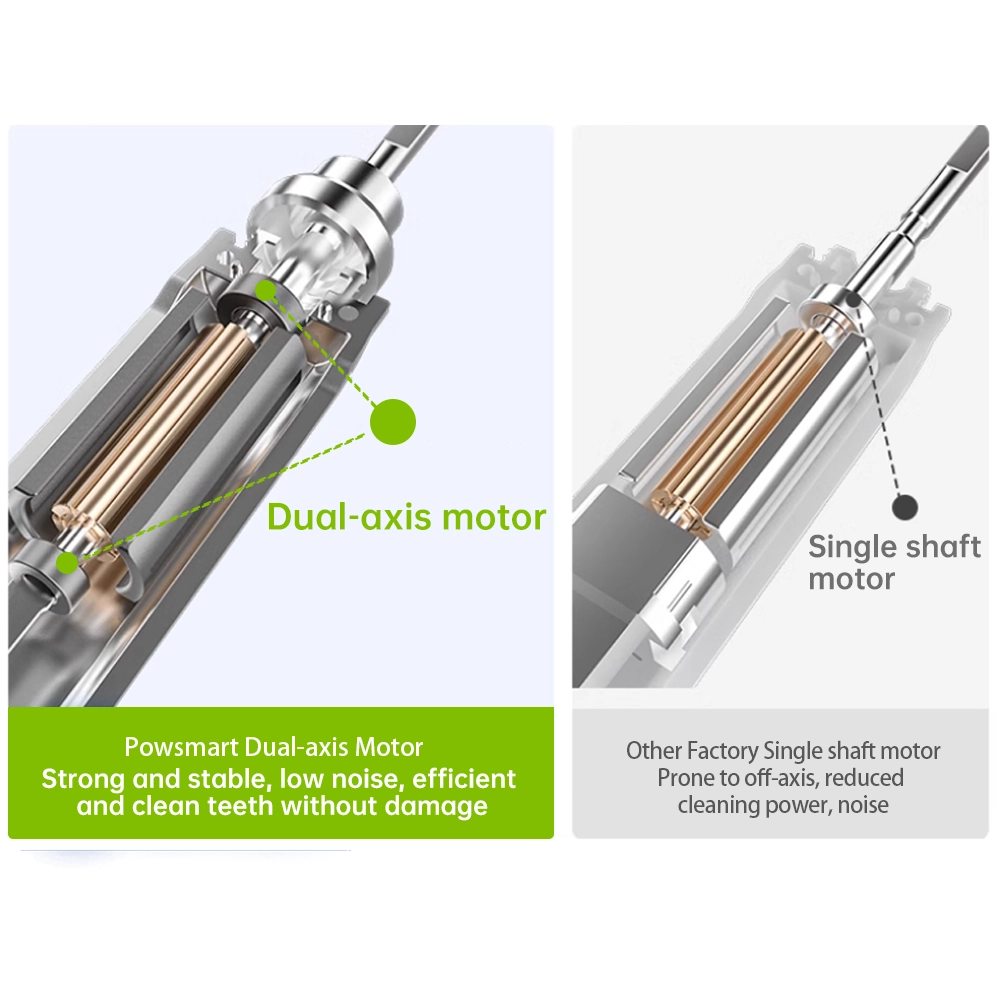
The Core Component of an Electric Toothbrush – electric Motors
.jpg)
Can a Water Flosser Make Your Gums Recede? An OEM Manufacturer’s Insight
.jpg)
In-depth Analysis of the Logo Craftsmanship of Water Flossers
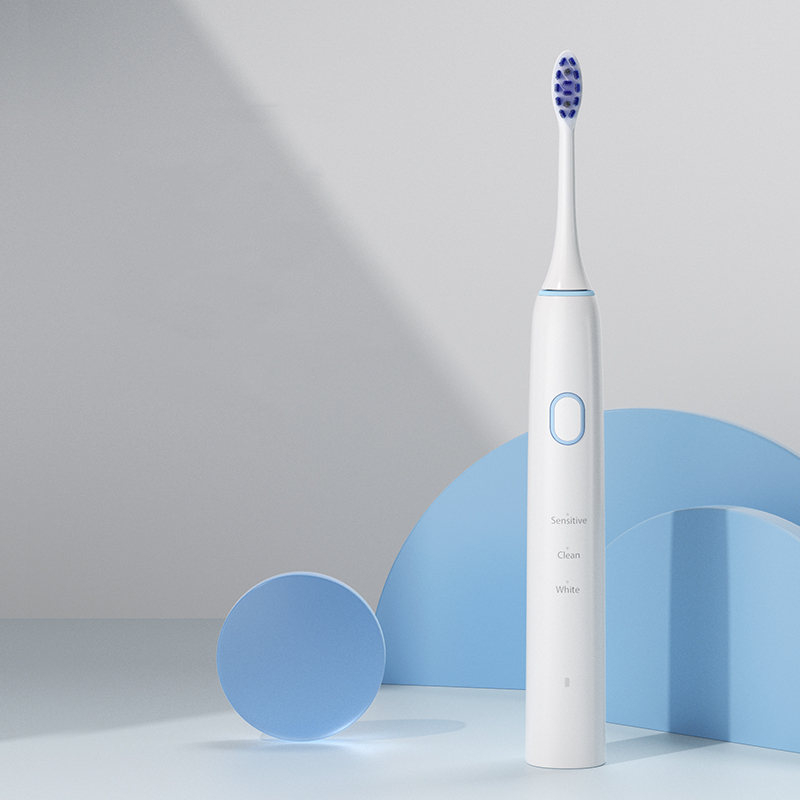
Electric Toothbrush for Gum Recession – Soft Bristles & Pressure Control
.jpg)
How to Stand Out in Dallas Electric Toothbrush Wholesale Market
.jpg)
Why Combine Custom Logo Electric Toothbrush Services with Toothbrush Head Replacement OEM for Recurring Revenue?
How Brands Evaluate Rechargeable Toothbrush Wholesale Price in B2B Purchasing
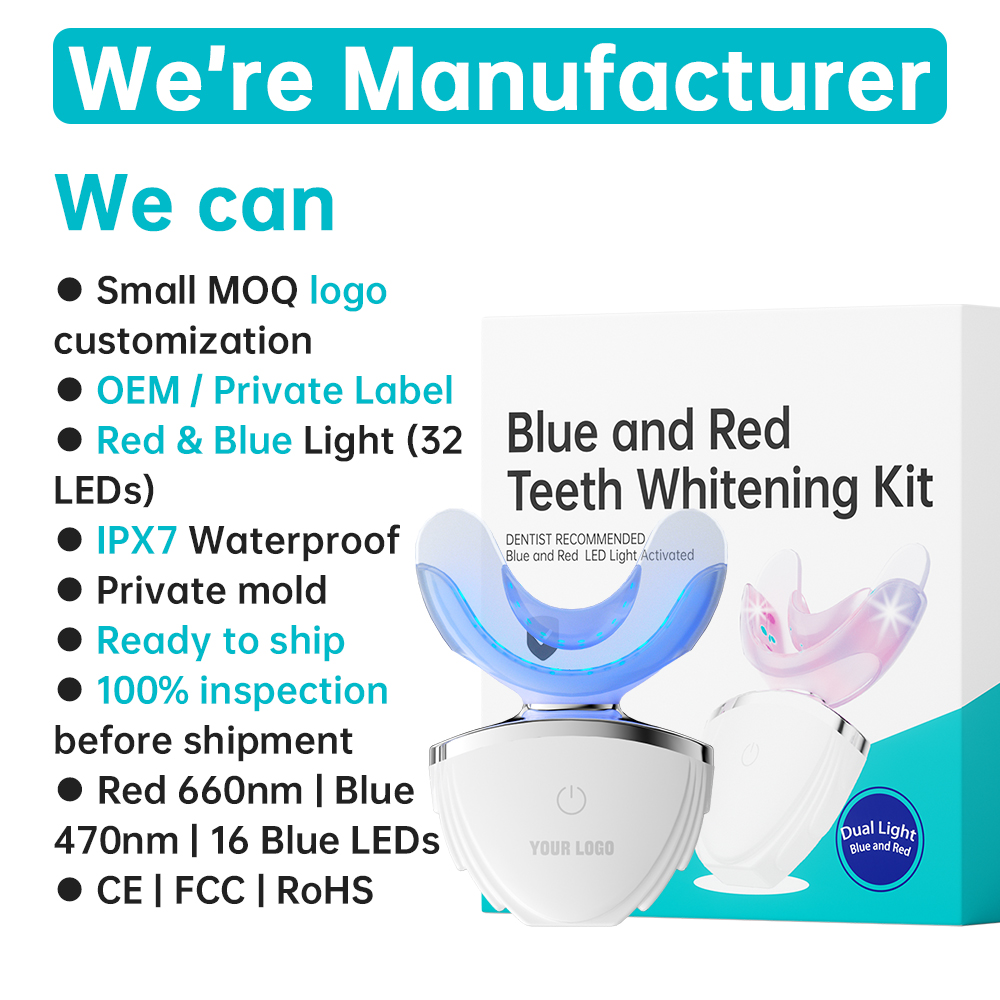
Why Is Whitening Kit Compliance Critical When Choosing a Cosmetic Device Manufacturer?
Wireless Charging Teeth Whitening Kit OEM | Cordless LED Whitening Factory
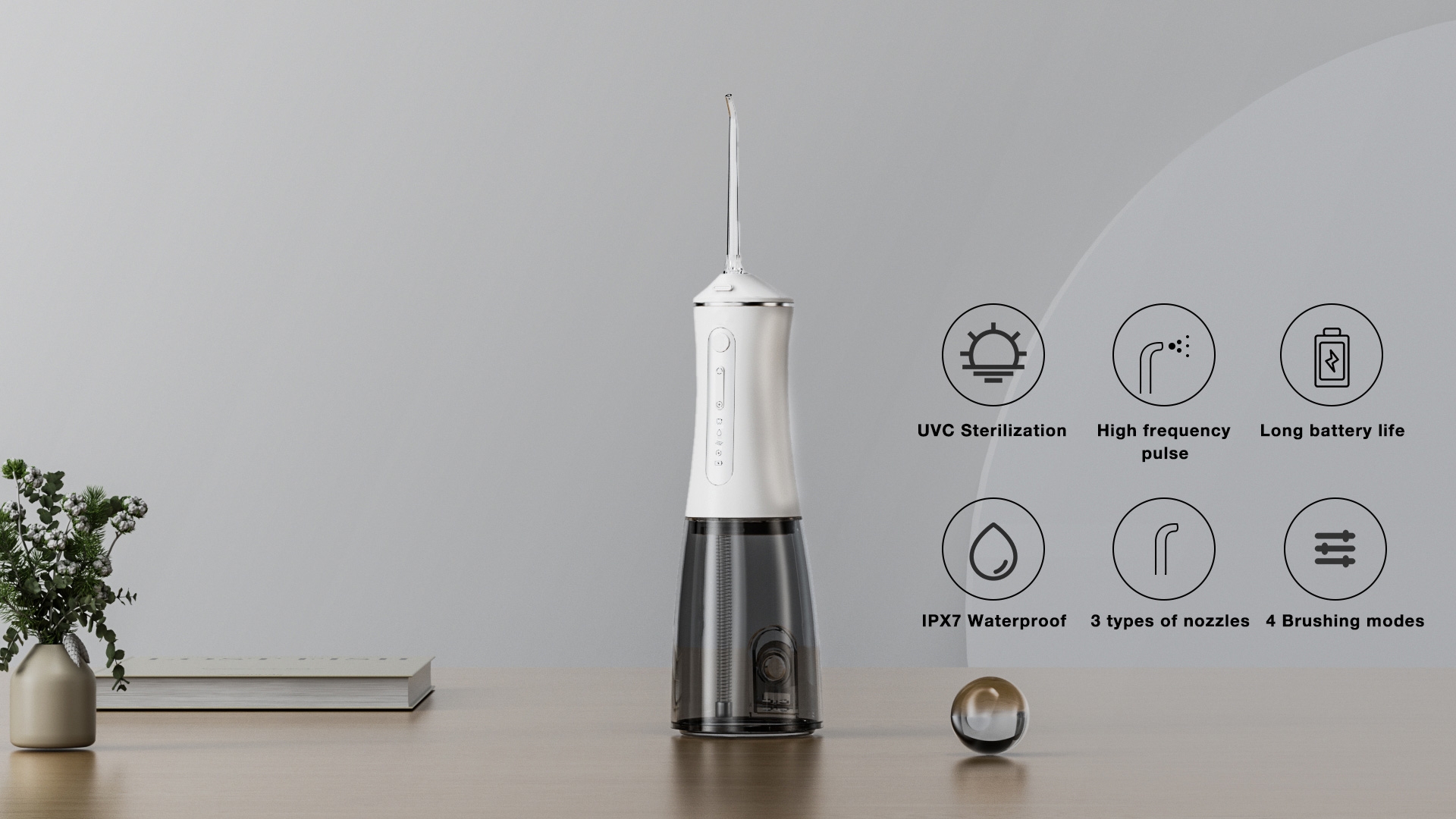
How to start a wholesale water flosser business
Short Battery Life and Motor Overheating in Electric Toothbrushes: How to Enhance Durability?
Nozzle Clogging Plus Tray Deformation – Design Flaw?

How to Achieve Green Production in a Water Flosser?
Natural Teeth Whitening Alternatives Review: Do They Work?
Water Flosser Tongue Cleaning Method: Freshen Breath Safely


.jpg)
.jpg)
.jpg)
.jpg)
.jpg)








.jpg)
.jpg)
.jpg)