In advanced device manufacturing, especially where fluid systems, membranes, or sealed chambers are involved, the ability to maintain Osmotic Pressure Regulation is critical to ensuring long-term structural integrity and functional stability. When products enter an Accelerated Aging Test, they face extreme conditions—elevated temperature, humidity, pressure gradients, and repeated stress cycles—that simulate years of real-world usage in a compressed timeframe. Under these conditions, even minor imbalances in osmotic forces can lead to swelling, leakage, material fatigue, or performance decay. This is why modern OEMs and ODMs increasingly evaluate how well their osmotic control mechanisms perform when subjected to accelerated stress, ensuring that devices retain durability, consistency, and safety throughout their intended service life.
Osmotic Pressure Regulation helps stabilize semi-permeable membranes that may otherwise expand or contract during heat exposure. In an Accelerated Aging Test, this stability prevents microcracks and ensures that filtration, hydration, or controlled-release systems remain reliable.
Pressure imbalance can cause unintended fluid transfer across barriers. Effective osmotic control minimizes migration, ensuring that sealed compartments, reservoirs, or cartridges stay leak-free even under extreme aging test environments.
Many polymers and elastomers deform under prolonged exposure to temperature and humidity. Osmotic Pressure Regulation reduces internal stress load, helping materials maintain shape, elasticity, and mechanical performance throughout accelerated lifecycle simulations.
Products such as dispensers, hydration modules, cosmetic devices, and medical-oriented delivery systems depend on consistent flow behavior. When osmotic equilibrium is maintained, output rates remain stable, even after the product has endured the harsh conditions of an Accelerated Aging Test.
Pressure differences can weaken joints, seals, and housings over time. By controlling osmotic dynamics, manufacturers can protect structural components from cumulative stress, ensuring that devices remain airtight, watertight, and mechanically sound for years.
For B2B partners, predictability is key. Strong osmotic regulation provides a clear indication of how a product will behave across its entire lifecycle. This allows OEMs to achieve better quality consistency, reduce warranty risks, and meet stringent global reliability benchmarks. Contact us
-3-scaled.png)
Are You a Teeth Whitening Kit Manufacturer Serving the Beauty Salon Supply Industry?

Does Jet Stream Precision Depend on Long-Term Hose Durability?
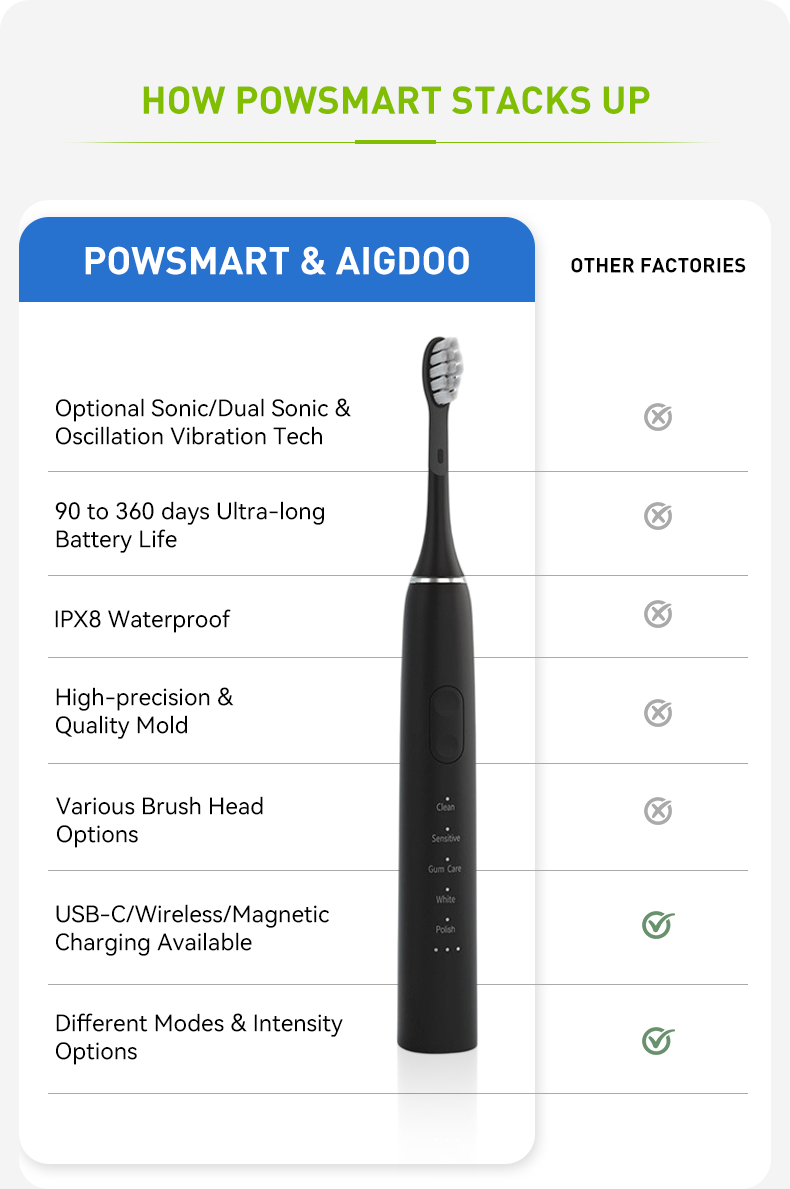
Why Is Universal Brush Head Compatibility a Challenge for Certification Compliance?
.jpg)
Downtown Chicago Electric Toothbrush Repair Services
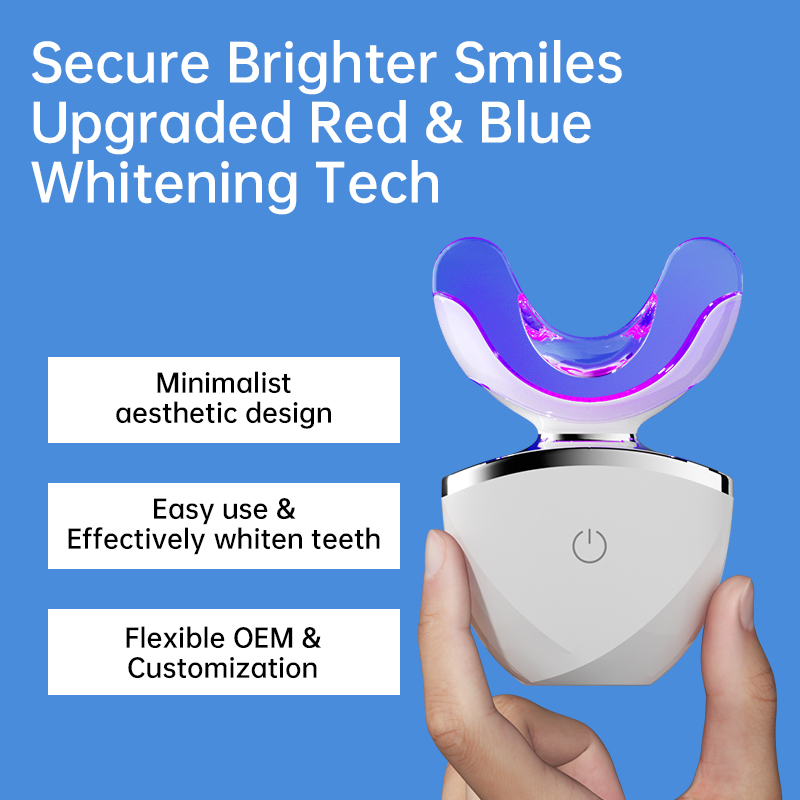
How Does an Accelerated Whitening Formula Work with a Built-in Timer Function?
.jpg)
How Can Water Flosser Manufacturing Process Create a Truly Eco-Friendly Oral Product?

Top Chicago-Based Kids’ Electric Toothbrush Manufacturers for Safe & Fun Designs
electric toothbrush with fast charging OEM
How Does Specialized Orthodontic Nozzle Design Affect the Requirements for Nozzle Storage?
.jpg)
Need Chicago repair service during Chicago holiday deals?
Sonic Toothbrush Export from China | OEM/ODM Professional Supplier

Why Is Turbine Impeller Design Key to Safe Oral Mucosa Barrier Protection in Flossers?
Why choose a Chicago kids toothbrush for your Chicago family toothbrush setup?
Is an Electric Toothbrush Subscription Profitable in Chicago?
Is the Specific LED Wavelength the Key to Being Truly Enamel Safe?
How does an Orthodontic Jet Tip improve Luminescence Efficiency in whitening devices?


.jpg)
.jpg)
.jpg)
.jpg)
.jpg)