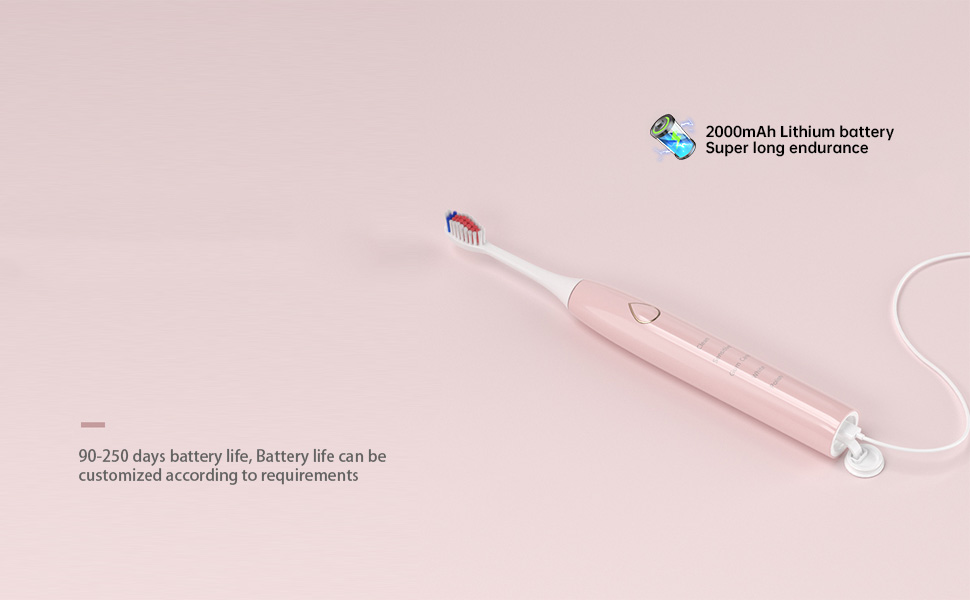
In the development and manufacturing of oral care devices, especially water flossers and similar equipment, ensuring long and reliable usage time is vital. However, Short Tank Runtime remains a common issue in many products, directly affecting their usability and effectiveness. For users managing sensitive oral conditions such as Oral Ulcers, this problem can become more than an inconvenience—it can compromise care quality. This article explores how short tank capacity impacts oral ulcer treatment, the causes behind this issue, and what manufacturers can do to resolve it.
Oral Ulcers require special attention during daily cleaning routines. These small but painful sores can worsen with improper hygiene or insufficient cleaning, leading to delayed healing and potential infections. When a water flosser suffers from Short Tank Runtime, the device may not provide sufficient continuous water flow to properly rinse the ulcer area. This interruption forces users to stop mid-cleaning to refill the tank, breaking the cleaning process and potentially leaving bacteria or food particles behind.
Inadequate rinsing due to runtime limitations may reduce the effectiveness of oral ulcer treatment and prolong discomfort or recovery times.
Several manufacturing or design factors can lead to Short Tank Runtime, including:
These factors, if left unaddressed, significantly impair the product’s ability to deliver consistent care for Oral Ulcers. Company web:https://www.powsmart.com/product/electric-toothbrush/
A Short Tank Runtime poses specific risks for users treating Oral Ulcers:
From a B2B perspective, products with Short Tank Runtime can negatively impact customer satisfaction and market competitiveness:
Manufacturers can resolve Short Tank Runtime challenges through several practical design improvements:
These adjustments will make the product more reliable for users managing Oral Ulcers and improve overall market appeal.
For users with Oral Ulcers, uninterrupted cleaning is not a luxury—it is a medical necessity. Devices suffering from Short Tank Runtime risk undermining ulcer care, extending healing periods, and causing user frustration. Manufacturers must therefore view tank capacity and runtime not as secondary features but as essential components of oral health support.
By prioritizing runtime in design and production, suppliers can better serve the needs of sensitive user groups, enhance product competitiveness, and open new opportunities in specialized healthcare markets.Contact us
.jpg)
Why Should Restricted Users Avoid Stain Residuals?

Cost Structure Analysis and Risk Avoidance of Small Batch Trial Production for Whitening Teeth Devices
Home Use Teeth Whitening Device OEM for Global Oral Care Brands
Compact Whitening Device Wholesale for Global Distributors and Brands
Is POWSMART Ultrasonic Toothbrush’s Chemical Residue Over Limit?

Application of Phototherapy Technology in Teeth Whitening and Oral Care
Fast Lead Time Electric Toothbrush Supplier for Global B2B Buyers
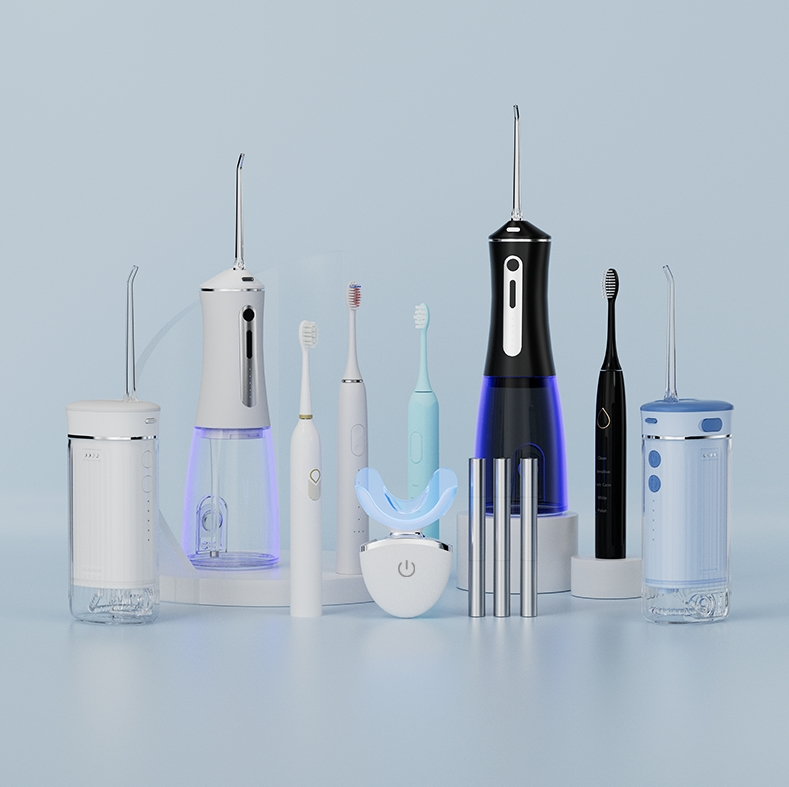
Smart Sonic Toothbrush Private Label: Complete OEM Services for Your Brand
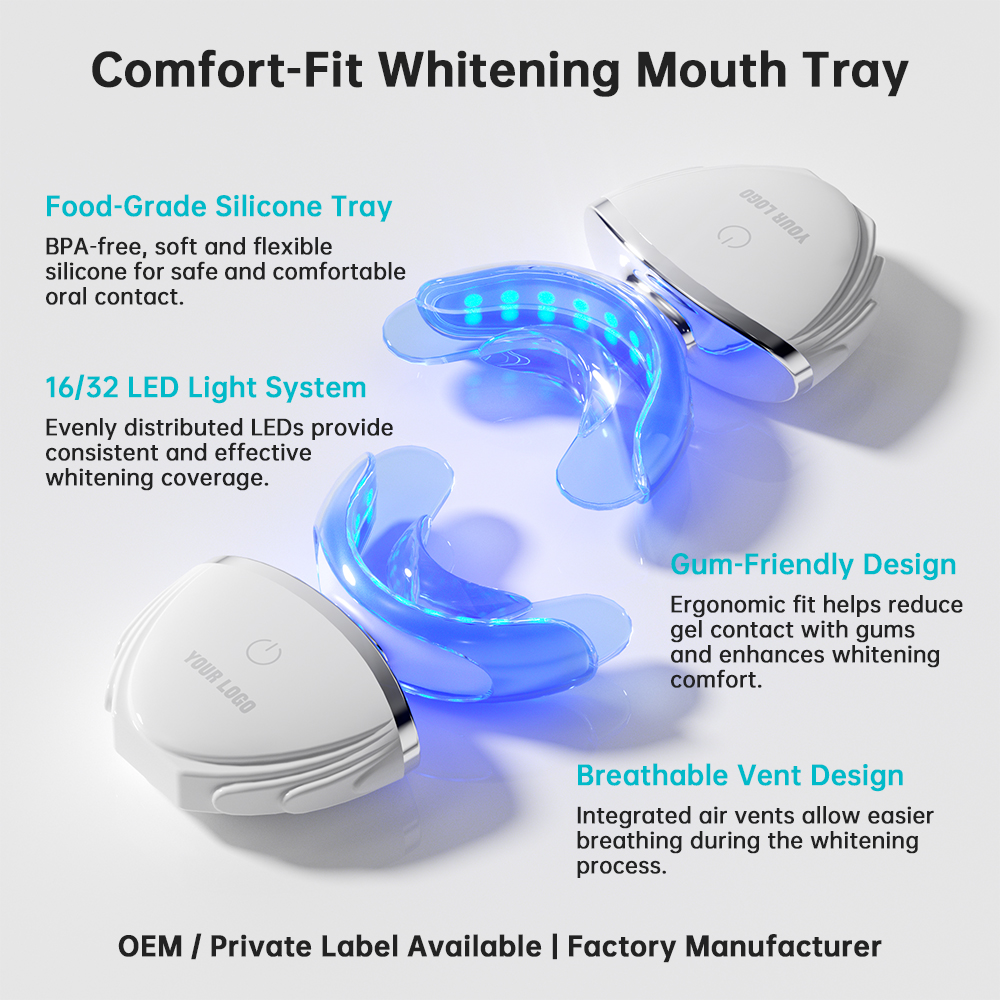
Can Custom Tray Design services coexist with Whitening Pen OEM production in a portfolio?
Why Do Pediatric Warnings Address Bleach Residuals?
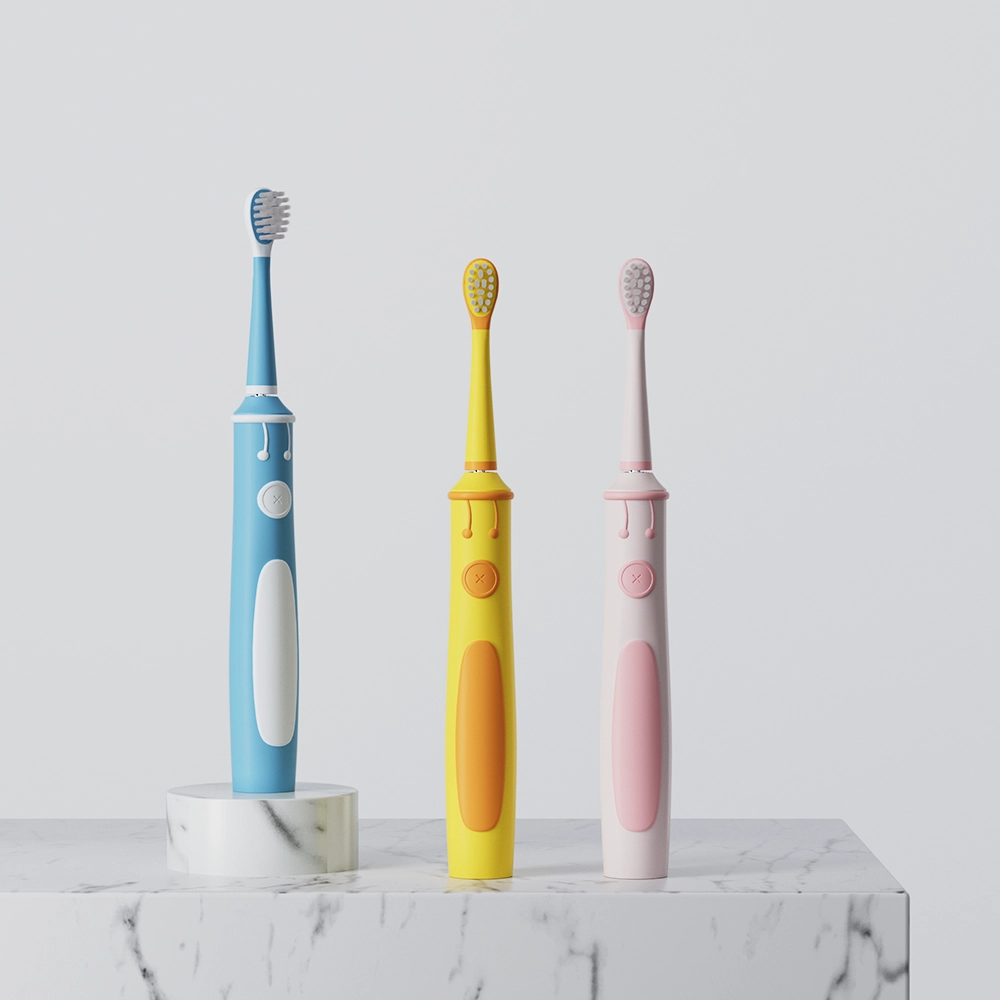
Does Children’s Cavity Prevention Brush Have App Connectivity Flaws?
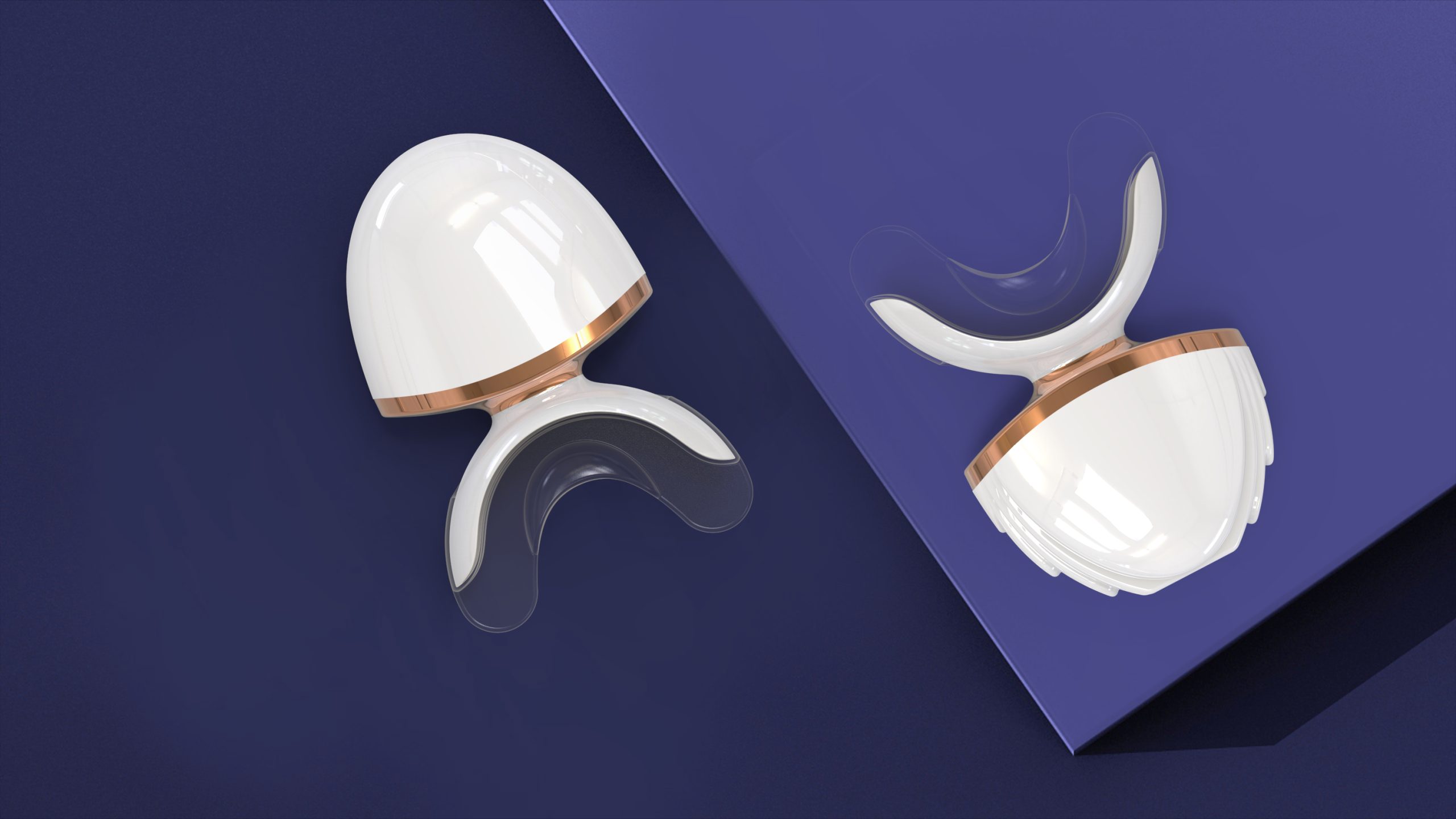
Does Space-Saving Flosser Combo Cause Pulse Inconsistency?
Do Bluetooth Disconnect and Stream Splitting Affect Device Precision Together?
Handle Grip Design Affecting Mucosal Irritation?
Can Unstable Vibration Worsen Tooth Sensitivity?

Powsmart: Leading Smart Electric Toothbrush Manufacturer & Supplier


.jpg)
.jpg)
.jpg)
.jpg)
.jpg)







.jpg)