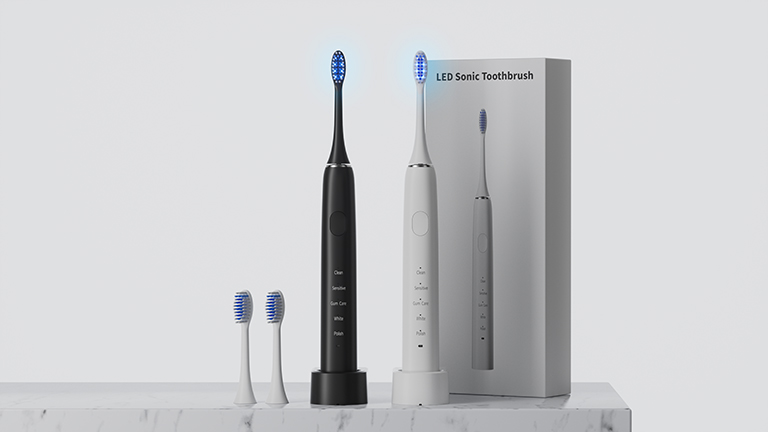
With consumer preference leaning toward minimalist countertop appliances, the Space-Saving Flosser Combo has gained significant popularity. However, a recurring concern among OEM/ODM buyers and engineering partners revolves around pulse inconsistency—a fluctuation in water jet rhythm that can affect cleaning performance and user satisfaction. In this article, we investigate whether the compact nature of these combo devices inherently leads to this performance defect, or whether design refinements can ensure stable output.
A Space-Saving Flosser Combo typically integrates a water flosser with a toothbrush base or multifunctional charging dock. Its core appeal lies in:
However, compressing multiple functions into one body often means sacrificing internal reservoir capacity, pump isolation, or tubing clearance—factors that may impact pulsation.
Pulse inconsistency refers to irregular water flow patterns—either fluctuating pressure or uneven timing intervals. This issue can manifest as:
From a technical standpoint, this undermines product reliability, especially for customers with sensitive gums or users following dentist-prescribed flossing routines.
The shift toward space-saving architecture introduces several engineering challenges:
These root causes make it essential for manufacturers to adopt a system-level optimization strategy rather than simply downsizing components.
Leading OEM developers are addressing pulse instability through a series of mechanical and electrical refinements:
These features help maintain a reliable water pulse even in a tightly integrated combo unit.
To ensure that Space-Saving Flosser Combo products meet export-grade expectations, B2B suppliers should implement:
These steps mitigate batch-level defects and establish product consistency, essential for global branding success.
So, does a Space-Saving Flosser Combo cause Pulse Inconsistency? The answer depends on engineering depth and manufacturing rigor. While compact integration introduces natural challenges, well-designed systems with precise pump control, power distribution, and fluid dynamics can deliver stable, dentist-level performance—even in a palm-sized device.
For B2B buyers seeking high-performance oral care combos, partnering with a supplier that understands these design sensitivities is key to delivering long-term value—and avoiding returns caused by inconsistent user experience. Contact us
Wholesale Smart Electric Toothbrushes: Bulk Order Advantages
.jpg)
Can Short Tank Runtime Delay Oral Ulcer Care?
What makes Portable Flosser Design dependent on integrating a Quiet Flosser Motor?
Do Noisy Water Flossers Pose Aspiration Risk?
Compact Whitening Device Wholesale for Global Distributors and Brands
Waterproof Performance vs. Temperature Sensitivity?

Application of Phototherapy Technology in Teeth Whitening and Oral Care
Does Gum Health Sonic Toothbrush Worsen Jaw Discomfort?
Smart Sonic Toothbrush Private Label: Complete OEM Services for Your Brand
Wireless Charging Electric Toothbrush Wholesale: Contact Technology Solutions
.jpg)
Gentle Gum Care Electric Toothbrush Production for Sensitive Teeth
Why Dentist Consultations Mitigate Home Treatment Risks?
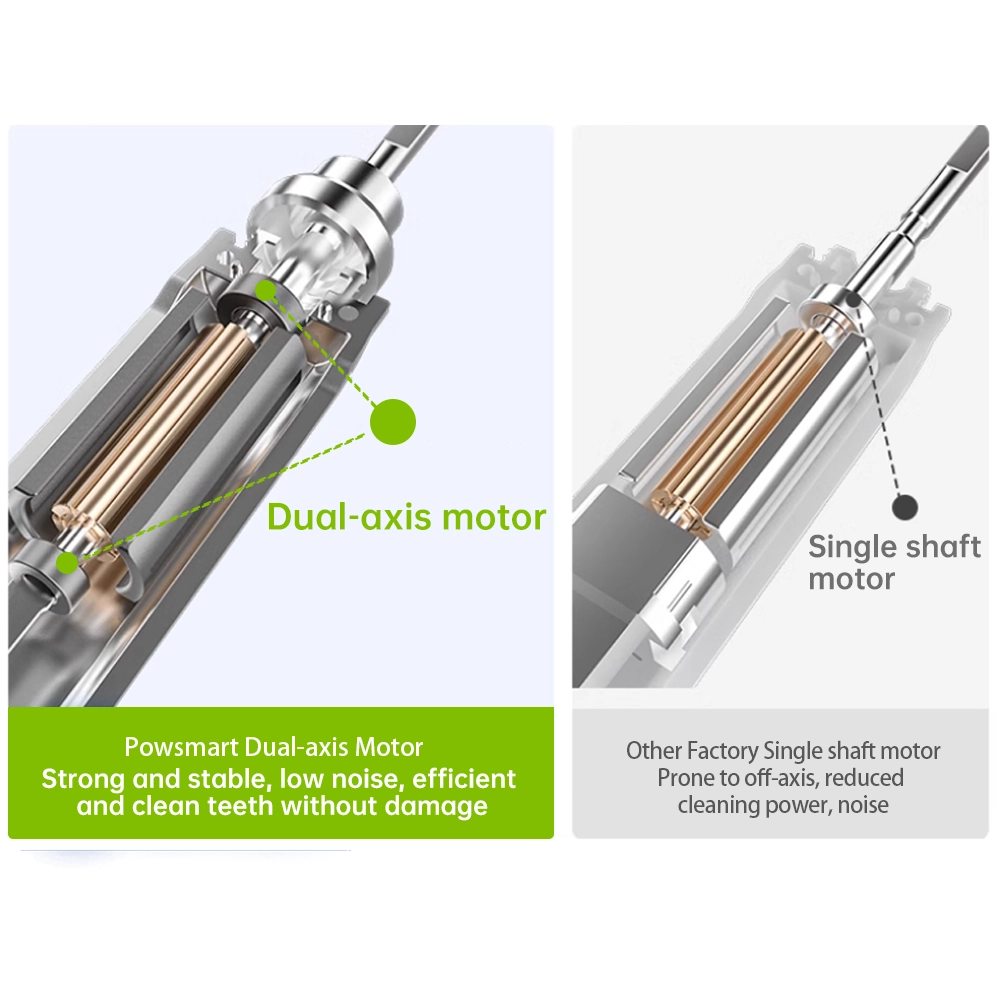
Comparison of Sonic Vibration and Rotary Electric Toothbrush Technology

Cost Structure Analysis and Risk Avoidance of Small Batch Trial Production for Whitening Teeth Devices

Why is an LED Whitening Lamp Critical for Activating an Accelerated Whitening Solution?
.jpg)
Research on Consumers’ Preferences for the Functions and Prices of Electric Toothbrushes – From the Perspective of Suppliers


.jpg)
.jpg)
.jpg)
.jpg)
.jpg)







.jpg)