
Mean Time to Repair measures the average time required to restore equipment functionality. Critical Spares Forecasting helps organizations maintain essential inventory for maintenance operations. Combining both improves service efficiency and inventory planning. This blog explains the key advantages.
Reliable forecasting depends on operational data. Mean Time to Repair reveals how quickly equipment can be serviced. Critical Spares Forecasting uses this information to estimate spare parts requirements. This improves inventory accuracy.
Downtime can impact productivity and customer satisfaction. Mean Time to Repair helps identify maintenance bottlenecks and repair efficiency. Critical Spares Forecasting ensures essential components remain available. This minimizes operational disruptions.
Excess inventory increases storage and capital costs. Mean Time to Repair provides insights into actual maintenance needs. Critical Spares Forecasting helps balance inventory levels effectively. This improves cost control.
Proactive maintenance reduces unexpected failures significantly. Mean Time to Repair helps evaluate repair performance trends. Critical Spares Forecasting ensures required parts are available in advance. This strengthens maintenance planning.
Fast access to spare parts supports service continuity. Mean Time to Repairs highlights components that frequently require replacement. Critical Spares Forecasting prioritizes stocking of high-impact items. This improves supply chain efficiency.
Reliability management requires continuous performance monitoring. Mean Time to Repairs provides valuable maintenance performance metrics. Critical Spares Forecasting supports timely repairs and component replacement. This extends asset lifespan.
Mean Time to Repairs data plays a critical role in effective Critical Spares Forecasting. By improving demand prediction, reducing downtime, and optimizing inventory investment, manufacturers can strengthen maintenance operations and asset performance. For B2B manufacturers, OEM partners, and service organizations, this approach supports operational efficiency and long-term business success. Contact us

Does your Sonic Vibration Mechanism require a specialized PCB Assembly Service for stable performance?
Why Are Quantum Dot Phosphor Materials Revolutionary for Optoelectronic System Design?

Electric Toothbrush Texas | Powsmart Professional Manufacturer
How Does a Direct-to-Patient Channel Work for a Pharmacist-prescribed Device?
Need Rehabilitation Center Products That Also Work as Luxury Hotel Minibar Items?
.jpg)
Electric Toothbrush Brush Head Quality: OEM Standards & Manufacturing Guide
Electric Toothbrush Import Regulations Europe for OEM Export Guide
PowSmart: The Leading Electric Toothbrush Manufacturer in China for the US Market
Toothbrush Storage Hygiene Mistakes Guide: Avoid Bacteria Growth
decades coffee stains whitening: realistic results
Electric Toothbrush Bulk Order Manufacturer
Electric Toothbrush Aging Test Procedure OEM: Complete Reliability Testing Guide for B2B Buyers
Celebration Teeth Whitening | Birthday Photos
Can Your Custom Water Flosser Reservoir Design Be Part of OEM Water Flosser Accessories?
How Does a UV Sanitizing Component Benefit from Medical-grade Material Construction?
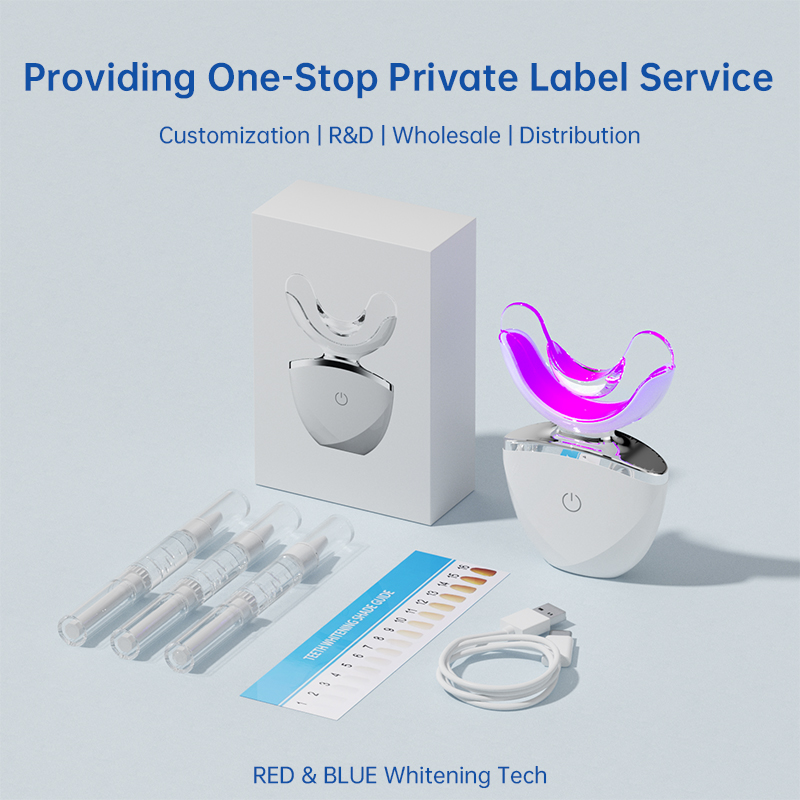
Need a Whitening Gel Filling Machine for Your Private Label Service?


.jpg)
.jpg)
.jpg)
.jpg)
.jpg)










.jpg)