Electric toothbrush import regulations Europe play a critical role for manufacturers aiming to enter the European market. As one of the most regulated regions globally, the European Union enforces strict compliance requirements covering product safety, labeling, and environmental impact. Therefore, OEM suppliers must fully understand these regulations to ensure smooth customs clearance and successful market entry.
First of all, the European market offers significant opportunities for oral care brands. However, strict regulatory frameworks require manufacturers to meet high standards before products can be sold.
Moreover, non-compliance may lead to shipment rejection, fines, or even product recalls. Consequently, understanding regulations is not optional but essential.
In addition, European distributors prefer suppliers who already comply with EU standards. Therefore, compliance becomes a competitive advantage in B2B negotiations.
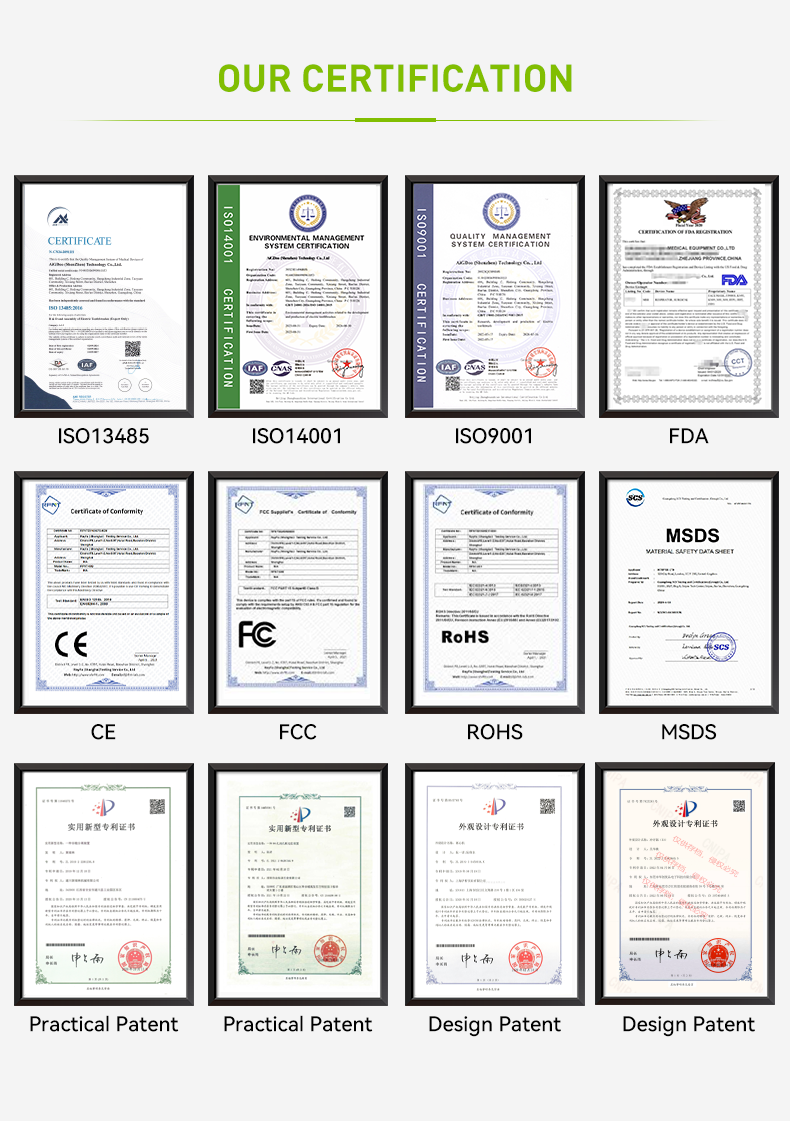
Electric toothbrushes must carry CE marking, indicating compliance with EU directives such as:
These directives ensure electrical safety and performance reliability.
For reference:
https://ec.europa.eu
Manufacturers must comply with RoHS regulations, which restrict hazardous substances in electronic products. Therefore, all components must meet material safety standards.
REACH regulations control chemical usage in products. Consequently, suppliers must ensure that materials do not contain restricted substances.
OEM suppliers must prepare:
These documents prove compliance with EU regulations.
Testing reports typically include:
Therefore, maintaining complete documentation is essential.
European regulations require:
As a result, products can pass customs inspections smoothly.
The Waste Electrical and Electronic Equipment (WEEE) directive requires proper recycling and waste management.
Packaging must meet recycling standards. Therefore, eco-friendly materials are preferred.
Manufacturers should consider regulations during product development. This reduces redesign costs and speeds up certification.
Working with certified labs ensures accurate testing results. Therefore, compliance risks decrease.
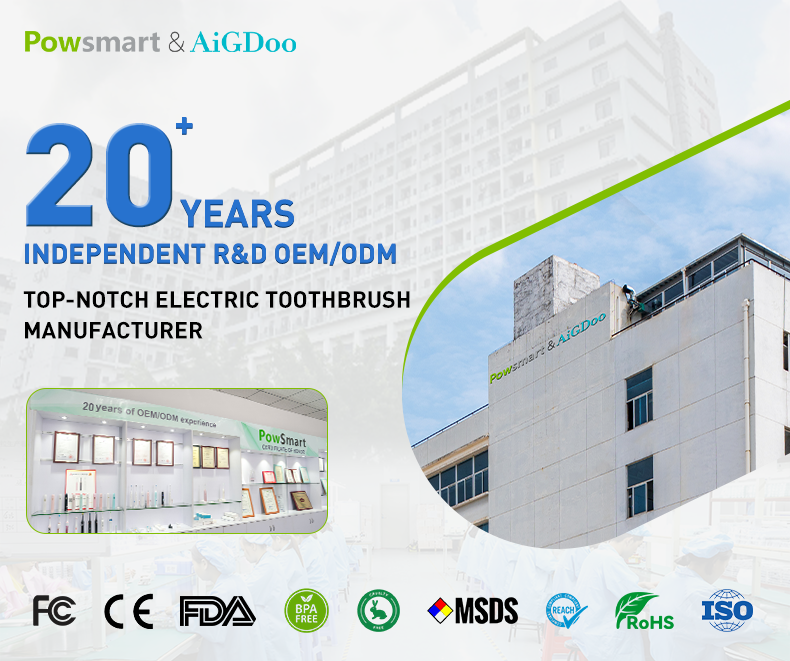
Professional suppliers, such as
https://www.powsmart.com/electric-toothbrush
offer complete compliance documentation for European clients.
However, many exporters face issues such as:
Therefore, thorough preparation is necessary.
In recent years, sustainability requirements have become stricter. Therefore, manufacturers must adopt eco-friendly designs and materials.
In conclusion, electric toothbrush import regulations Europe require comprehensive compliance across safety, labeling, and environmental standards. OEM suppliers who meet these requirements can access one of the most valuable global markets.
.jpg)
Electric Toothbrush for Gum Care Supplier Selection Guide
Teeth Whitening Device Factory for OEM & Private Label Production
electric toothbrush anti slip design OEM
holiday photo teeth whitening: timeline for photos
Sonic Sweeping Toothbrush OEM: Scaling Your Brand
.jpg)
How Can Travel Flosser Case Accessories Boost Your Dental Flosser Private Label Brand?
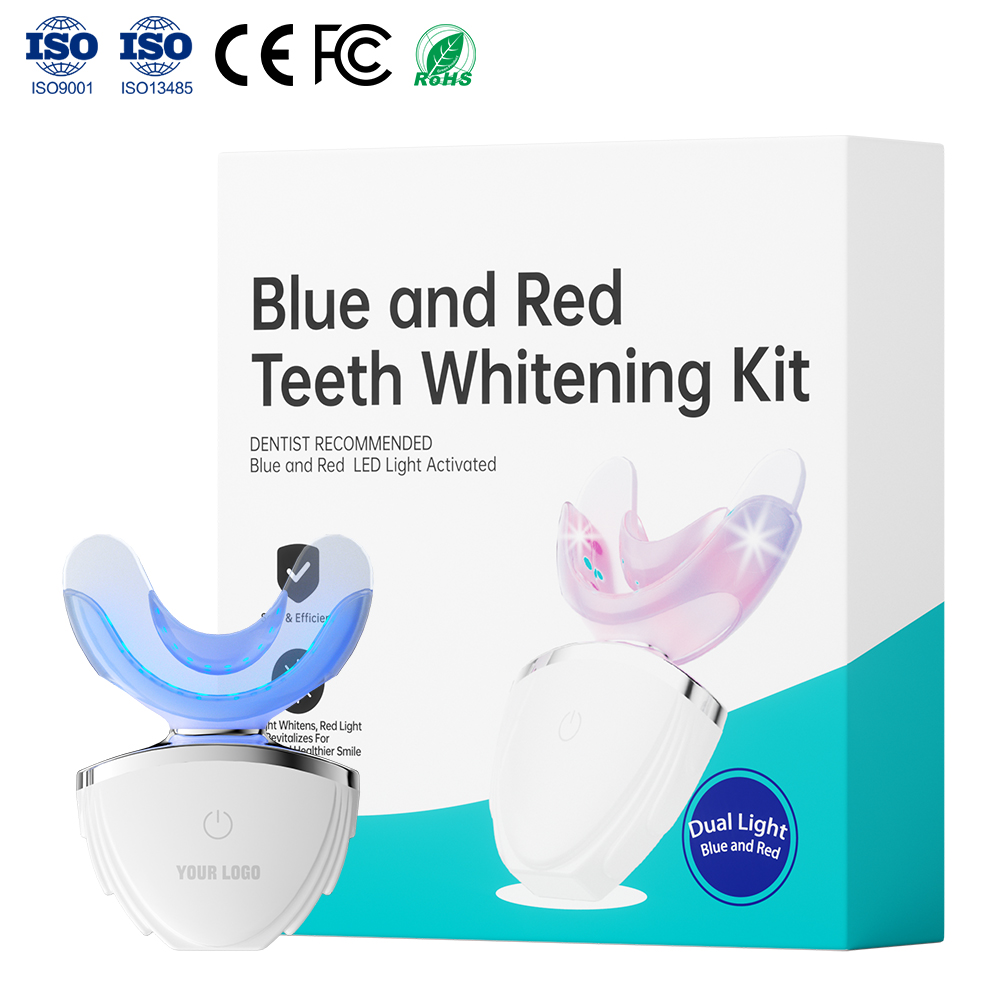
Is Your Whitening Syringe Supplier Qualified for Home Use Whitening System Kits?
Looking for Servo Motor Customization to Achieve a Superior Bidirectional Vibration Motor Effect?

Should a Co-investment in Market Entry Deal Be Protected by a Mutual Indemnity Agreement?
Electric Toothbrush Factory Audit Checklist
Why is a Magnetic Drive Motor the ideal core for products requiring an IPX8 Waterproof Rating?
Electric Toothbrush Production Process Quality Control: Complete B2B Manufacturing Guide
Can a Guided Biofilm Therapy Protocol Be Effectively Delivered via a Teledentistry Integration Kit?
Why Is Pressure Sensor Calibration Important After Brush Head Injection Molding?
Need Supplier Quality Auditing as Part of Your ISO 13485 Transition Support?
Electric Toothbrush OEM Supplier


.jpg)
.jpg)
.jpg)
.jpg)
.jpg)