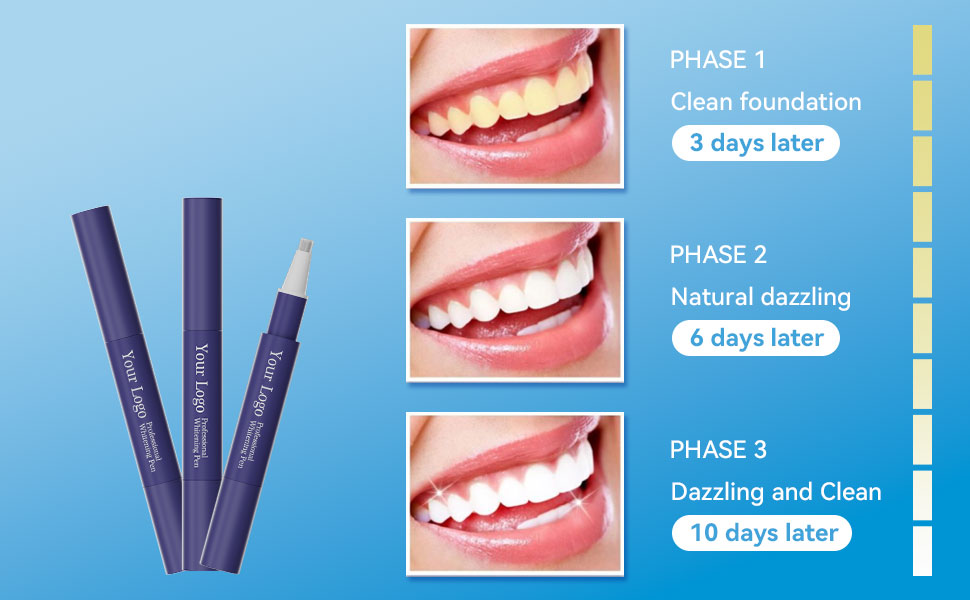
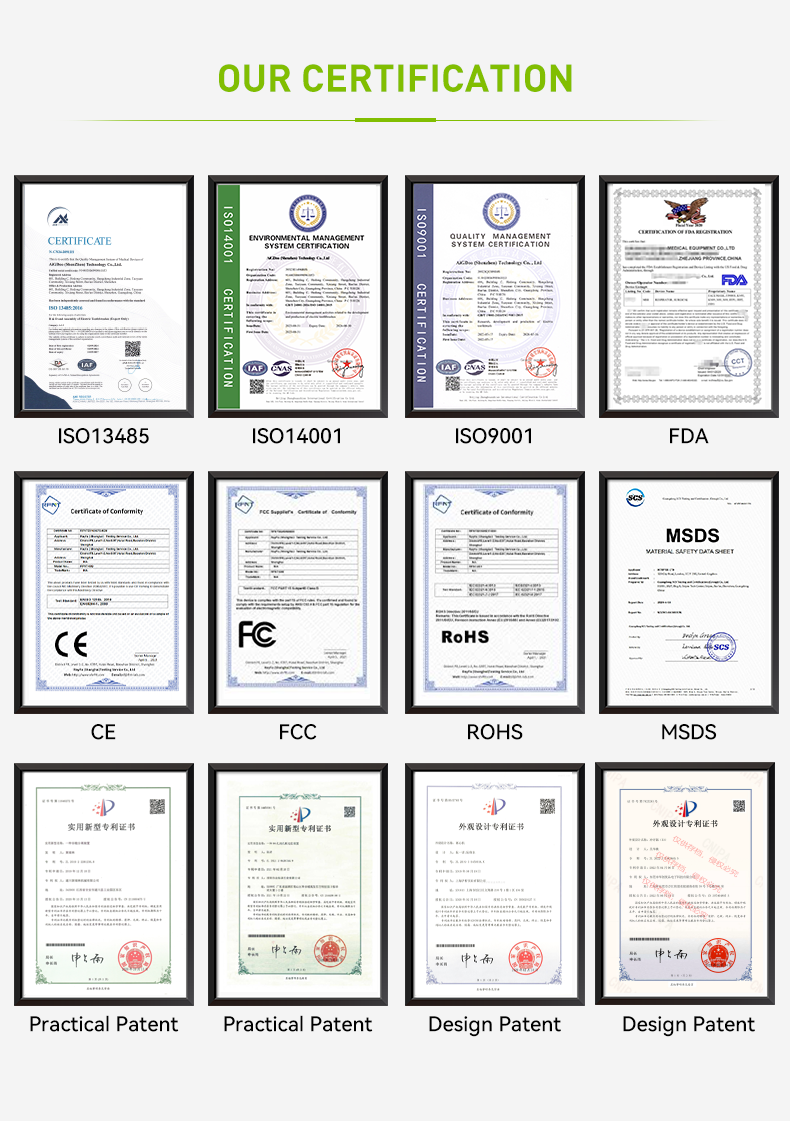
As consumer demand for convenient cosmetic treatments grows, ensuring product safety is a top priority. Any At-home Whitening Kit must be developed in strict alignment with recognized Safety Standards to protect users while delivering effective results. For B2B manufacturers and OEM partners, compliance is not optional—it is a fundamental requirement for market access, brand trust, and long-term success.
Whitening agents must comply with permitted concentration limits and toxicity guidelines. Adhering to Safety Standards ensures that formulations used in an At-home Whitening Kit are effective without causing harm to teeth or soft tissues.
For kits that include powered components, electrical insulation and heat control are essential. Safety Standards help ensure that At-home Whitening Kit devices operate safely under normal and prolonged use conditions.
Materials that come into direct contact with the mouth must be non-toxic and irritation-free. Compliance with Safety Standards guarantees that trays, mouthpieces, and applicators in an At-home Whitening Kit are safe for oral use.
Clear labeling and instructions are part of Safety Standards compliance. An At-home Whitening Kit must include proper guidance to prevent misuse and to inform users of potential risks.
Rigorous testing is required to confirm consistent performance and safety. Safety Standards mandate durability, stability, and functional testing for all components of an At-home Whitening.
Different regions enforce specific Safety Standards for cosmetic and oral care products. Meeting these requirements ensures that an At-home Whitening can legally marketed and distributed across global markets.
Safety Standards are non-negotiable for any At-home Whitening intended for consumer use. By prioritizing formulation safety, material biocompatibility, electrical protection, and regulatory compliance, B2B manufacturers and OEM partners can deliver trusted whitening solutions that meet both market expectations and legal requirements. Contact us
.jpg)
Electric Toothbrush OEM Inspection: How to Secure B2B Supply Chain Excellence
-3-scaled.png)
Why Wireless Charging Gives Whitening Device a Competitive Edge
Top Teeth Whitening Device Factory | Powsmart
Camping Oral Care Solution | No Electricity

Have You Completed the Essential Principles Checklist Before Electromagnetic Compatibility Test?
.jpg)
Confused by dental insurance? Which coverage plans include implants?
.jpg)
What Causes a Water Flosser to Stop Working? A Manufacturer’s Analysis
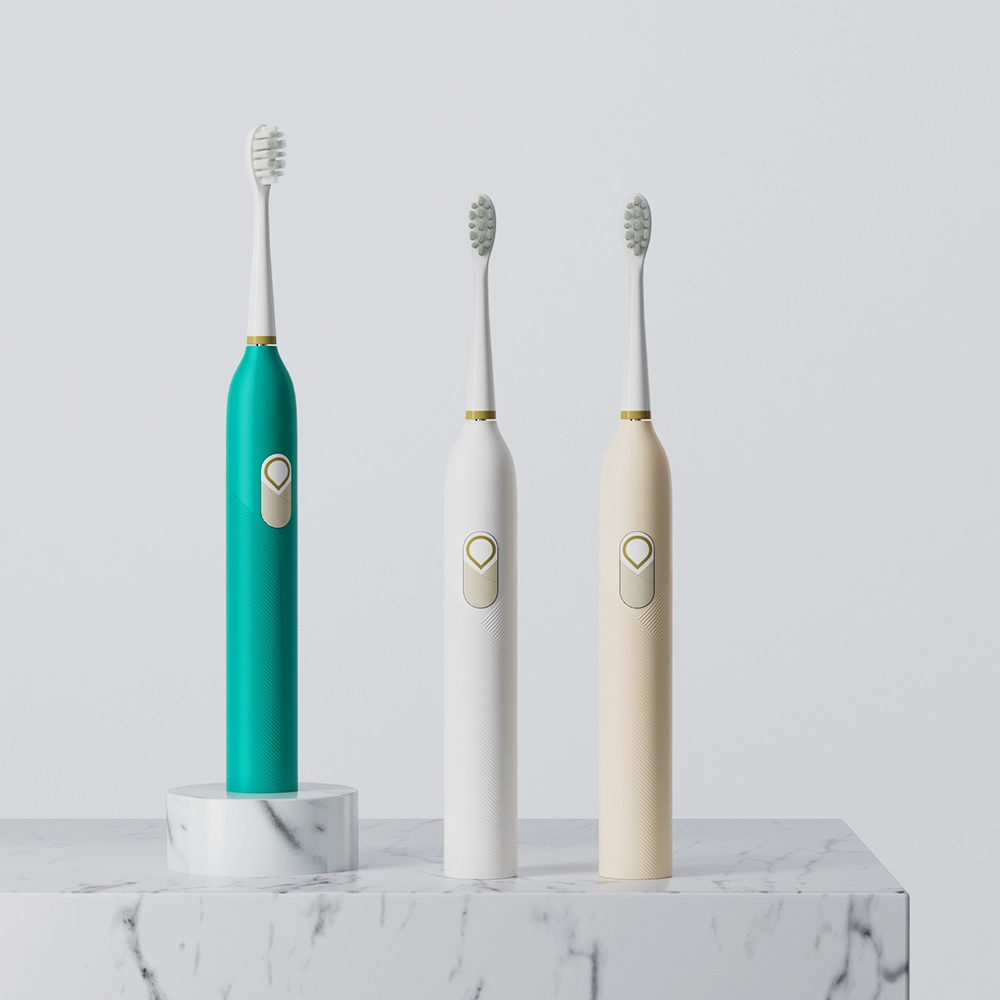
Eco-friendly design of the Powsmart electric toothbrush: better cleaning, less waste
Why is a Magnetic Drive Motor the ideal core for products requiring an IPX8 Waterproof Rating?
A Few Things You Need to Know Before and After Teeth Whitening
Electric Toothbrush Ergonomic Handle Design: OEM Product Development
What are the Basic Procedures for Customizing Teeth Whitening Kits?
Cost Control and Quality Assurance Strategy of Electric Toothbrush OEM Production
Water Flosser for Dental Care Programs | Clinic & Subscription Kit Supplier
Waterproof Sonic Toothbrush IPX7 Supplier
Jaw Fatigue After Taste Alteration – Coincidence?


.jpg)
.jpg)
.jpg)
.jpg)
.jpg)