
In the manufacturing of modern electronic and electro-mechanical devices, unexpected failures such as Charging Overheat and Joint Leakage can greatly reduce product reliability and shorten service life. Although these two issues appear to belong to different system domains—thermal management versus sealing integrity—they are in fact closely interrelated. For OEM and ODM manufacturers, understanding this hidden connection is critical to preventing costly after-sales failures and maintaining customer satisfaction.
Charging Overheat occurs when a device’s battery or charging circuit generates excessive heat during the charging process. This heat can be the result of design inefficiencies, poor component quality, or misuse by the end-user—such as charging in a high-temperature environment or using incompatible chargers.
Excessive heat during charging not only threatens battery safety but also impacts surrounding structural components, especially plastic joints, seals, and adhesives that are sensitive to temperature rise.
Joint Leakage refers to the loss of sealing effectiveness at the device’s assembly seams, gaskets, or bonded areas. Leakage points often allow moisture, dust, or other contaminants to enter the device interior, potentially damaging sensitive electronics or reducing mechanical performance.
For devices like electric toothbrushes, grooming appliances, or medical instruments, maintaining watertight or airtight joints is essential to meeting IPX waterproofing standards and ensuring long-term durability.
The thermal energy produced during Charging Overheat can directly or indirectly cause Joint Leakage through several mechanisms:
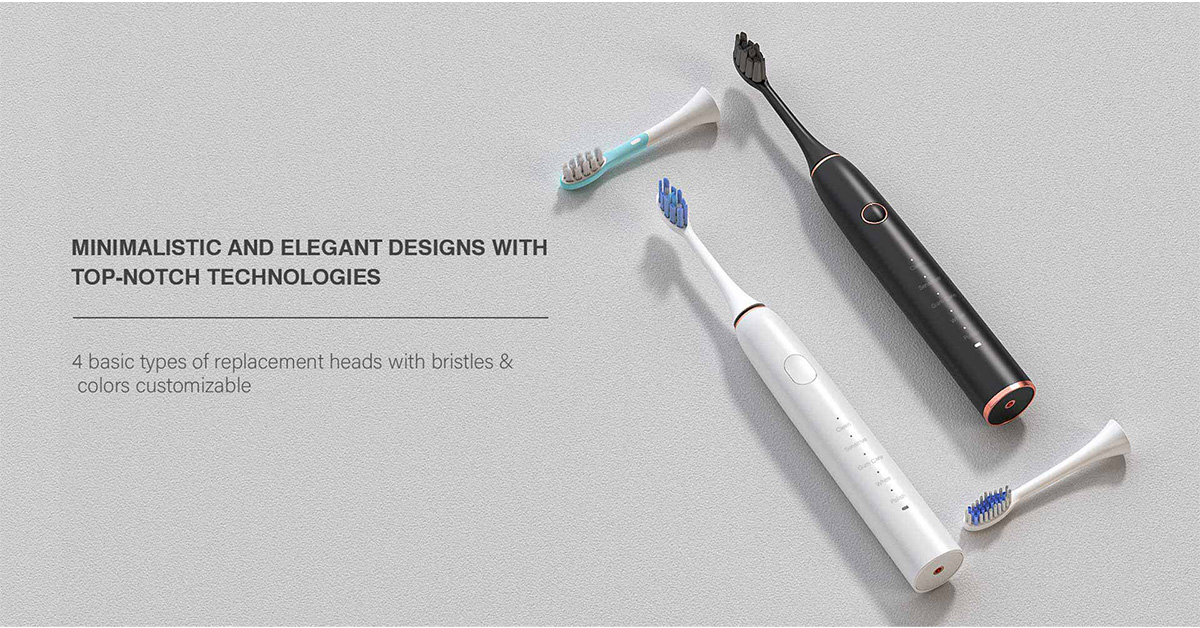
Thus, Charging Overheat is not only a thermal management concern—it also directly impacts the mechanical sealing reliability of the entire device.Company web: https://www.powsmart.com/product/electric-toothbrush/
Certain design, material, and usage factors can increase the likelihood that Charging Overheat will result in Joint Leakage:
To reduce the chance that Charging Overheat will cause Joint Leakage, B2B manufacturers should implement several key design and production strategies:
For OEM and ODM manufacturers, the hidden relationship between Charging Overheat and Joint Leakage represents a crucial risk that cannot be ignored. A failure to properly control charging temperatures or seal design can lead to customer complaints, warranty claims, and even safety hazards such as moisture ingress or electrical failure.
By adopting a comprehensive approach that integrates thermal management with mechanical design, manufacturers can ensure their products remain durable, safe, and competitive—even in demanding environments. In today’s precision-driven market, recognizing and addressing this connection is essential for success. Contact us
.jpg)
.jpg)
Do Bluetooth Disconnect and Stream Splitting Affect Device Precision Together?

Wavelength of Whitening Teeth Device Blue Light (460–490nm) and Red Light (620–660nm)Configuration Guide

Can an Electric Toothbrush Help Relieve Tooth Sensitivity?
Why Dentist Consultations Mitigate Home Treatment Risks?
The Advantages of the Brush Head Subscription Service for Oral Care Brand Growth
Why Do Pediatric Warnings Address Bleach Residuals?

How to Find an Electric Toothbrush Factory with Strong Comprehensive Capabilities
Does Black Electric Toothbrush ODM Face Handle Corrosion?
The Ultimate Checklist for Evaluating an Oral Care Product Manufacturer
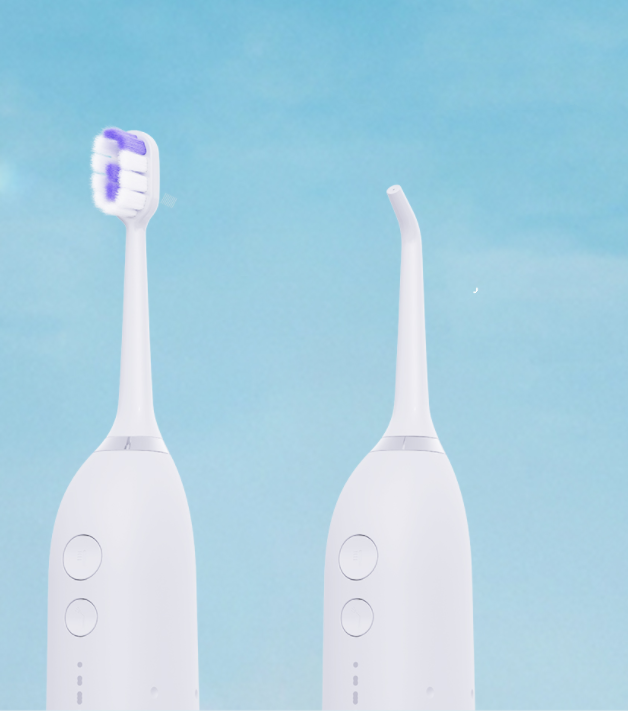
Deep Clean Interdental Electric Toothbrush Manufacturing Solutions
.jpg)
How to Choose a Professional ultraviolet sterilized water flosser Manufacturer?
How Oral Care Brands Can Expand Product Line Strategically
How to Avoid Legal Risks in the OEM Process of Electric Toothbrushes
How Does Portability Enhance Allergen Detection?
Why Does Poor Cleaning Leave Fiber Residue?
Fast Lead Time Electric Toothbrush Supplier for Global B2B Buyers


.jpg)
.jpg)
.jpg)
.jpg)
.jpg)



.jpg)