
In the manufacturing of consumer electronics and precision appliances, problems such as Handle Cracking and Connector Corrosion are often underestimated, yet they play a critical role in determining the overall lifespan and reliability of the device. For OEM and ODM partners, understanding how these two failure modes impact product durability is essential to optimizing design, reducing warranty claims, and maintaining market competitiveness.
Handle Cracking refers to the development of visible or internal fractures in the plastic, rubber, or composite material used in the handle of a device. This issue is common in products that are subjected to repeated mechanical stress, exposure to moisture, UV radiation, or temperature cycling.
When cracks form in the handle structure, they compromise both the mechanical strength and the sealing capability of the device. Over time, handle cracking can lead to water ingress, contamination of internal components, or a loss of structural integrity—all factors that contribute to premature product failure.
Connector Corrosion occurs when metal contacts in electrical connectors are exposed to moisture, salts, or corrosive environments. This leads to oxidation or material degradation that increases electrical resistance, causes intermittent connections, or even total circuit failure.
Connector corrosion is particularly dangerous in battery-powered or high-frequency electronic devices, where stable and low-resistance electrical pathways are crucial. Once corrosion sets in, it may spread unnoticed until the device starts to malfunction, causing disruptions in performance or complete power failure.
While Handle Cracking and Connector Corrosion may seem like separate problems, they are often directly related:
In this way, Handle Cracking indirectly contributes to Connector Corrosion, setting off a chain reaction that degrades the device’s performance and lifespan.Company web: https://www.powsmart.com/product/electric-toothbrush/
.jpg)
Certain design and operational choices can elevate the risk of both Handle Cracking and Connector Corrosion:
To address the twin challenges of Handle Cracking and Connector Corrosion, B2B manufacturers should consider these proven preventive measures:
For OEM and ODM brands, the hidden relationship between Handle Cracking and Connector Corrosion presents a serious threat to product lifespan and customer satisfaction. Ignoring this link can result in shortened device life, higher failure rates in the field, and costly after-sales service burdens.
By investing in superior material selection, sealing design, and corrosion-resistant components during the R&D and production phases, manufacturers can ensure their products remain durable, safe, and competitive in demanding markets. Contact us

Does Long-Lasting Travel Toothbrush Trigger Power Surge?
Multi-Function Electric Toothbrush Benefits for Family Oral Care

Can an Electric Toothbrush Help Relieve Tooth Sensitivity?
.jpg)
Can Unstable Vibration Worsen Tooth Sensitivity?
Does Black Electric Toothbrush ODM Face Handle Corrosion?
.jpg)
Best Smart Toothbrush Features for Bulk Buyers: A Supplier’s Guide
Fast Lead Time Electric Toothbrush Supplier for Global B2B Buyers
Does Gum Health Sonic Toothbrush Worsen Jaw Discomfort?
Handle Grip Design Affecting Mucosal Irritation?
Oral Microbiome Impact from Color Relapse?
Peroxide Free Whitening Device Supplier for Global Oral Care Brands
The Advantages of the Brush Head Subscription Service for Oral Care Brand Growth
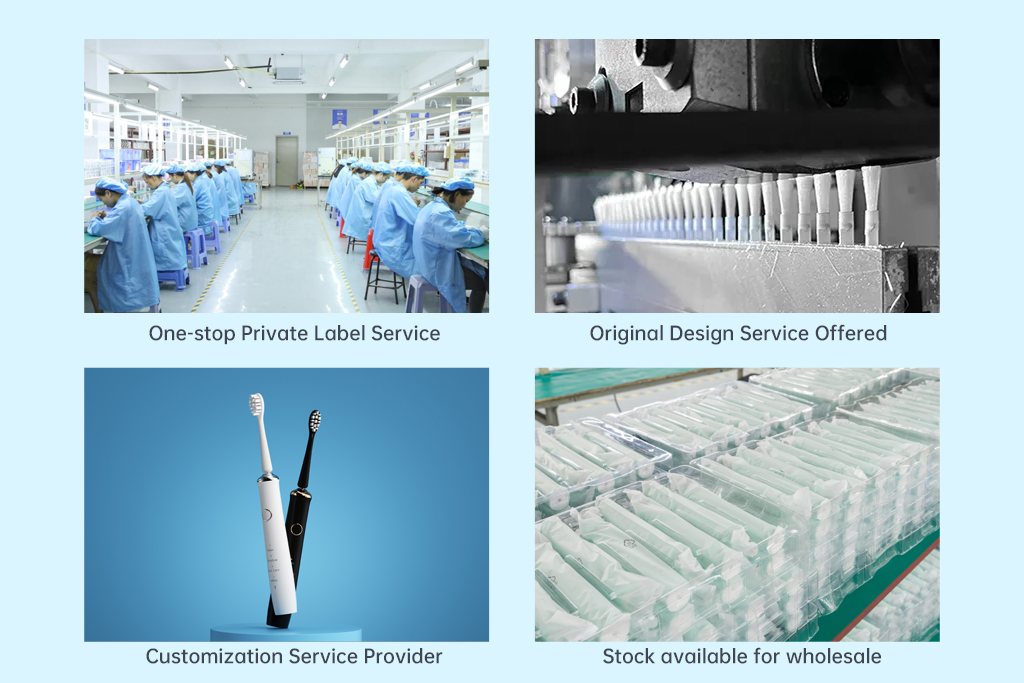
How Do High-Quality Electric Toothbrushes Enhance the Brand Image of Oral Care?
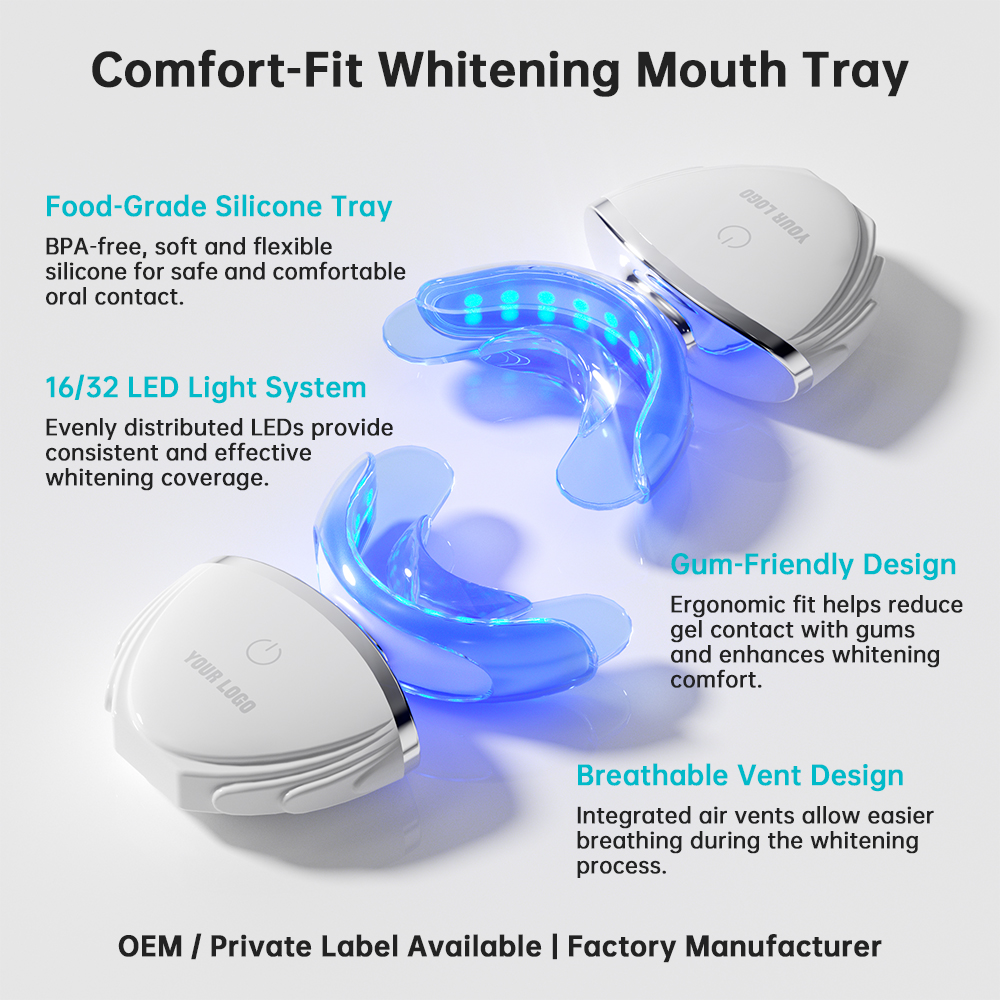
Can Custom Tray Design services coexist with Whitening Pen OEM production in a portfolio?
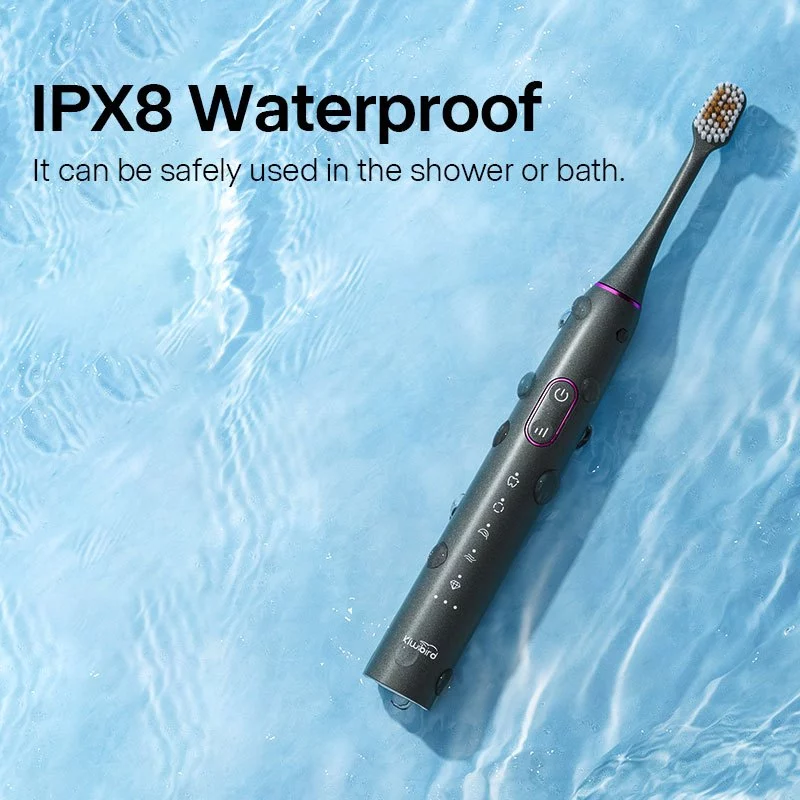
IPX7 Waterproof Electric Toothbrush Customization for Global Markets
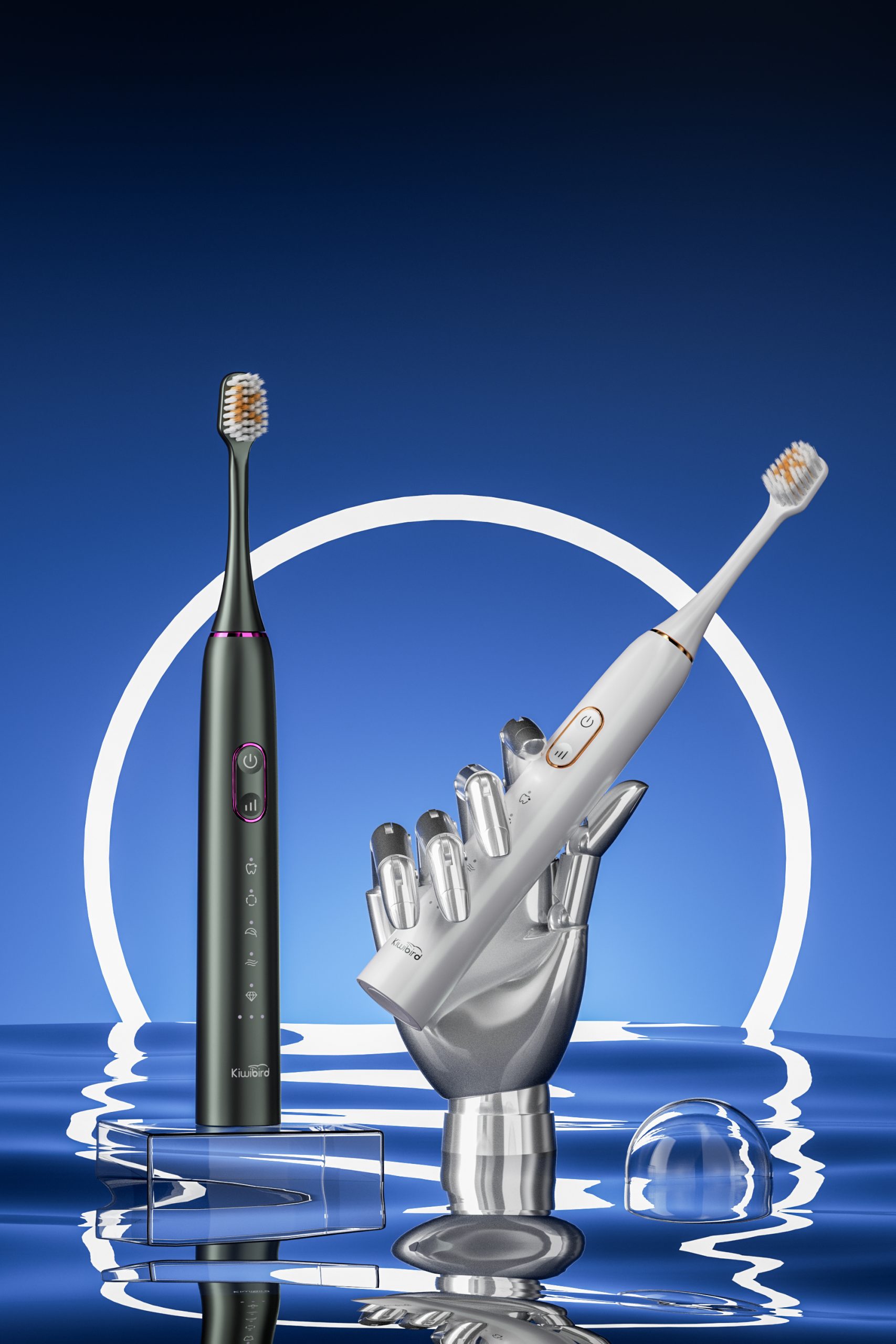
Ultra-Quiet Sonic Toothbrush Manufacturing: <60dB Technology


.jpg)
.jpg)
.jpg)
.jpg)
.jpg)




.jpg)