As a popular whitening product in recent years, the ingredients of teeth whitening gel directly affect the whitening effect and safety. Understanding these ingredients can help you develop and source more effective and safer products. This article will discuss five aspects: key ingredients, mechanism of action, safety, common misunderstandings, and industry trends.
The most common active ingredients in teeth whitening gel are hydrogen peroxide and carbamide peroxide. They achieve whitening effects by releasing oxidants to decompose pigmentation on the surface of teeth. Hydrogen peroxide is commonly used for professional whitening in dental clinics, while carbamide peroxide is more common in home whitening products.
The mechanism of action of teeth whitening gel mainly relies on redox reaction. This reaction oxidizes organic pigments on the surface of teeth by releasing reactive oxygen species (ROS), thereby restoring the natural color of teeth. Manufacturers should ensure that the amount of reactive oxygen released is within a safe range to avoid damaging tooth enamel.
The safety of whitening gel depends on the ingredient concentration and frequency of use. Generally speaking, too high a concentration of hydrogen peroxide may cause tooth sensitivity or gum irritation. Therefore, manufacturers need to consider the concentration of ingredients when designing products and advise consumers to use them reasonably. In addition, adding fluoride or calcium ingredients can help reduce damage to tooth enamel during whitening.
Consumers often think that whitening gels with “natural” ingredients are safer, but this is not the case. Although some natural ingredients such as citric acid have a certain whitening effect, their acidity may corrode the surface of teeth. Therefore, manufacturers should select safer and more effective ingredients to replace inappropriate natural substances through scientific research.
As consumers become more aware of health and environmental protection, the future trend of tooth whitening gels will develop towards green formulas and personalized customization. Formulas that use biodegradable ingredients and reduce chemical residues are gradually becoming mainstream. In addition, personalized products based on consumer tooth characteristics and whitening needs will become a new growth point in the market.
The ingredients of teeth whitening gel directly determine the effectiveness and safety of the product. By understanding and optimizing these ingredients, manufacturers can develop more competitive products to meet consumer needs. In this process, focusing on safety, science, and innovation is the key to success.
.jpg)
Celery Juice Teeth Stains | Safe Whitening For Green Smoothie Drinkers
Why Is a Vigilance Reporting System Vital After Establishing a Shelf-life Testing Protocol?
Quiet Sonic Toothbrush Supplier: Low Noise OEM Solutions for Premium Markets

Do You Know What PAP+ Is? Why Is It So Popular in Teeth Whitening?
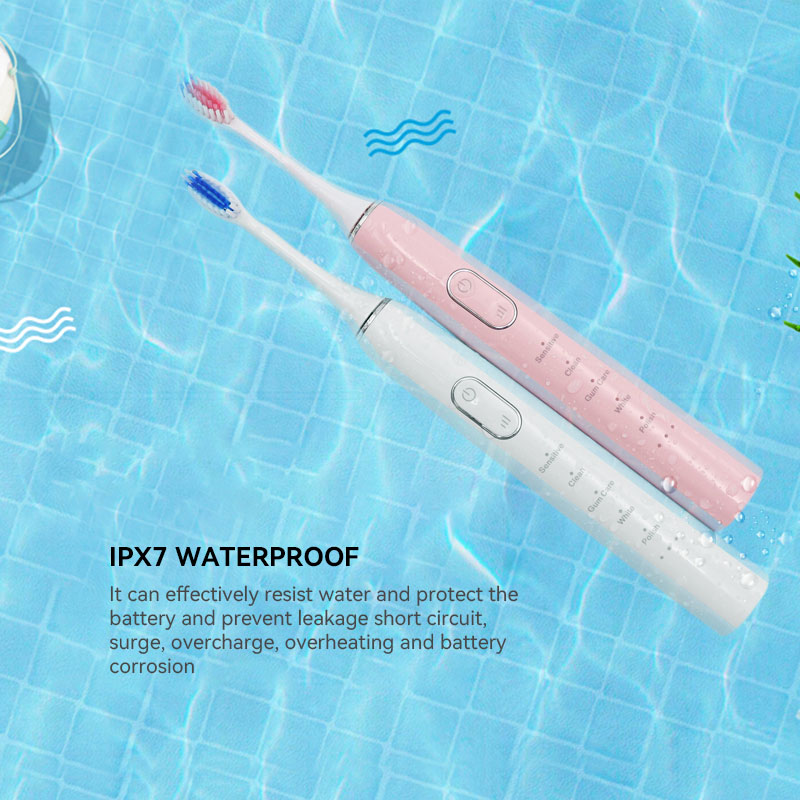
Breakthrough in Electric Toothbrush Waterproofing Technology: How to Achieve Full Waterproofing?
Custom Electric Toothbrush Design: What Can Be Customized?
1-scaled.jpg)
Texas sensitive gums — do they pair well with the Austin eco toothbrush?

How the Boston compact toothbrush achieves Boston space-saving goals
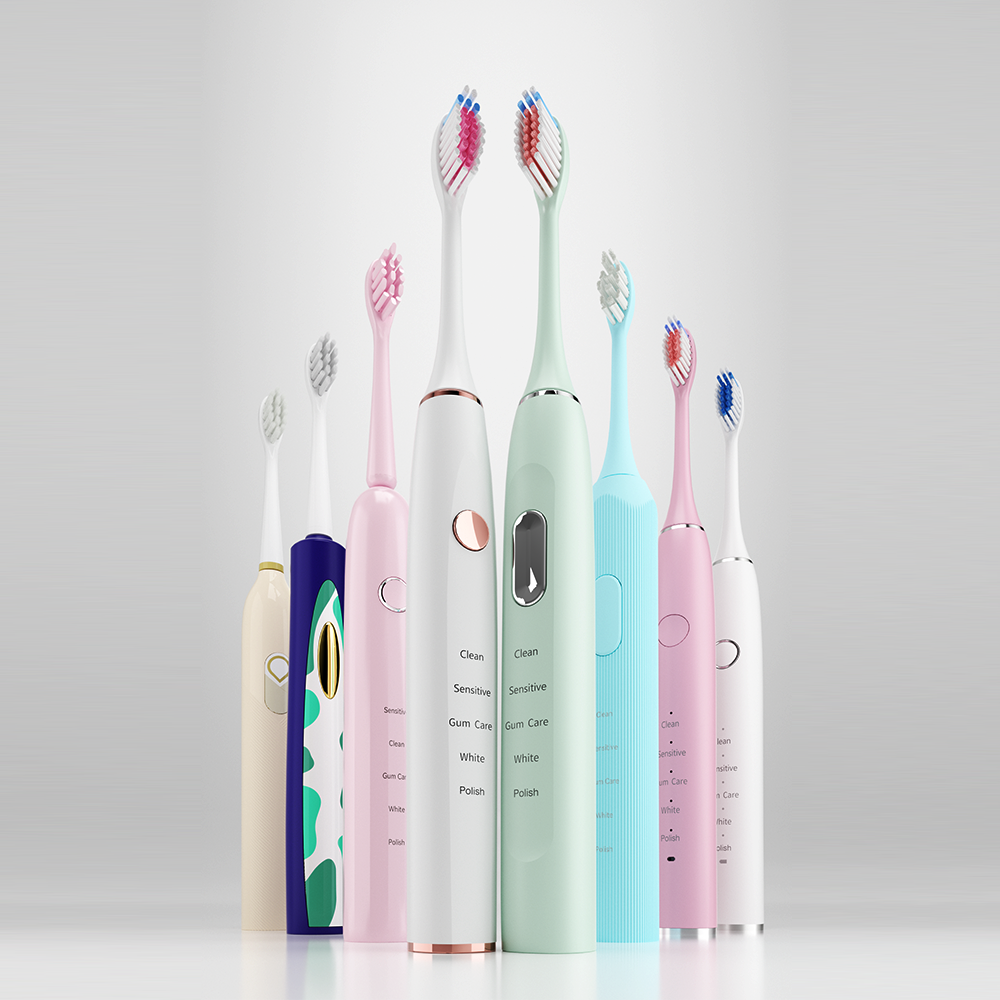
Tips and care for electric toothbrushes
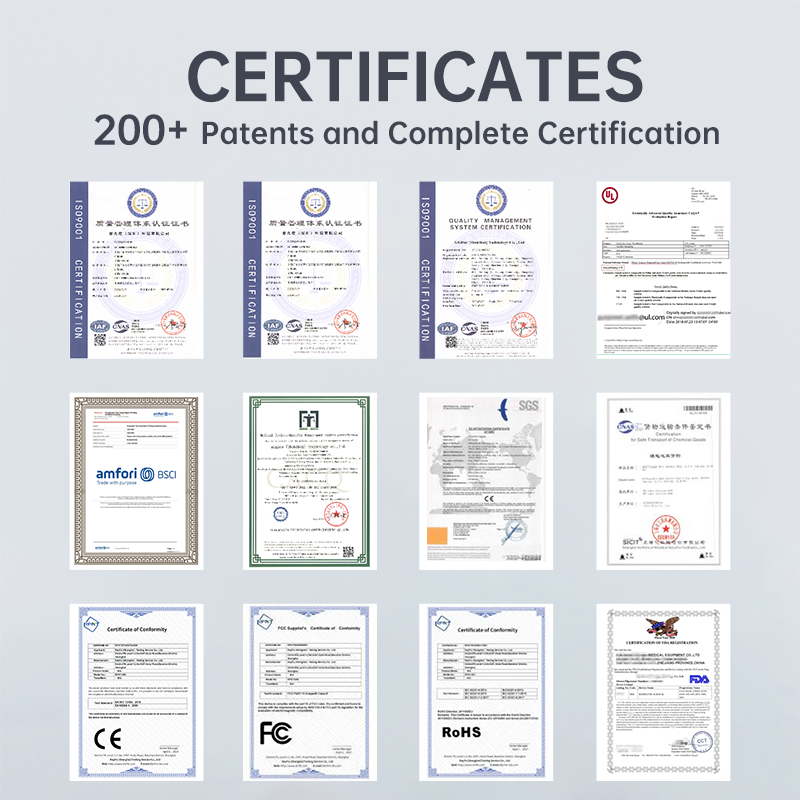
Why Teeth Whitening Certification Matters?
.jpg)
Can an Austin eco toothbrush double as an Austin whitening brush?
USB Rechargeable Electric Toothbrush Supplier: Convenient Charging Solutions
How Can Predictive Demand Sensing Aid E-Waste Regulation Compliance?
Electric Toothbrush for Pharmacy Chain Supply | Reliable OEM for Retail Pharmacy Channels
Toothbrush Supplier for Amazon Sellers
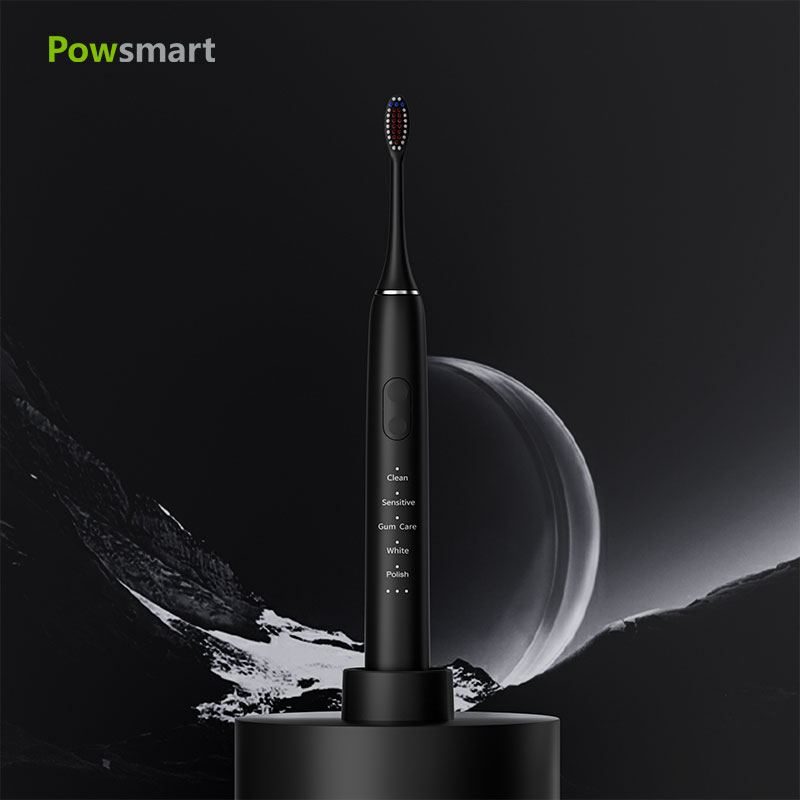
The Working Principle of Sonic Electric Toothbrushes


.jpg)
.jpg)
.jpg)
.jpg)
.jpg)



.jpg)
.jpg)