When oral-care brands develop new powered toothbrush lines, one recurring challenge is ensuring the power button and mode keys remain secure and durable throughout the product’s life cycle. A loose or detached button not only harms user experience—it can trigger warranty claims and undermine brand trust. This blog outlines OEM engineering solutions that help prevent buttons coming off electric toothbrushes. By integrating button sealing technology, durable design concepts, and manufacturing best practices, brands can significantly improve product reliability.
Before implementing improvements, OEM engineers analyze why electric toothbrush buttons fail. Common causes include:
Insufficient structural support in the shell housing
Weak or aging silicone material
Repeated stress from waterproofing deformation
Poor bonding or gap inconsistencies around the button
Damage during ultrasonic welding or assembly
Understanding these factors helps brands and OEM manufacturers design more robust solutions from the start.
Material selection directly impacts the button’s lifetime durability. OEM engineers commonly recommend:
High-elasticity silicone for longer deformation cycles
TPU blends for a stiffer, more supportive tactile feel
UV-resistant and anti-aging additives to prevent material breakdown
Precision-molded inserts that match the internal frame perfectly
Premium materials ensure the button maintains shape, resists tearing, and stays firmly seated in the handle.
High-quality sealing prevents water ingress—a key stress factor that can loosen buttons over time. Typical OEM sealing technologies include:
Integrated over-molding (silicone bonded directly to housing)
Double-layer waterproof rings
Micro-lip seal structures around the button edges
Laser-cut gasket seats to improve precision fit
These technologies not only reinforce the structure but also ensure IPX7–IPX8 waterproof performance without compromising button feel.
A durable design requires engineering that supports internal components and disperses pressure evenly. Effective approaches include:
Strengthened internal ribs around the button area
Anti-shear support posts
Optimized shell thickness to prevent deformation
Internal clamps that lock the button in place from behind
Through FEA (Finite Element Analysis), OEM manufacturers optimize these structures to withstand repeated pressing cycles.
Even the best design can fail if assembly is inconsistent. Reliable electric toothbrush OEM factories use:
Automated alignment systems for precise button installation
Ultrasonic welding parameter control to prevent stress distortion
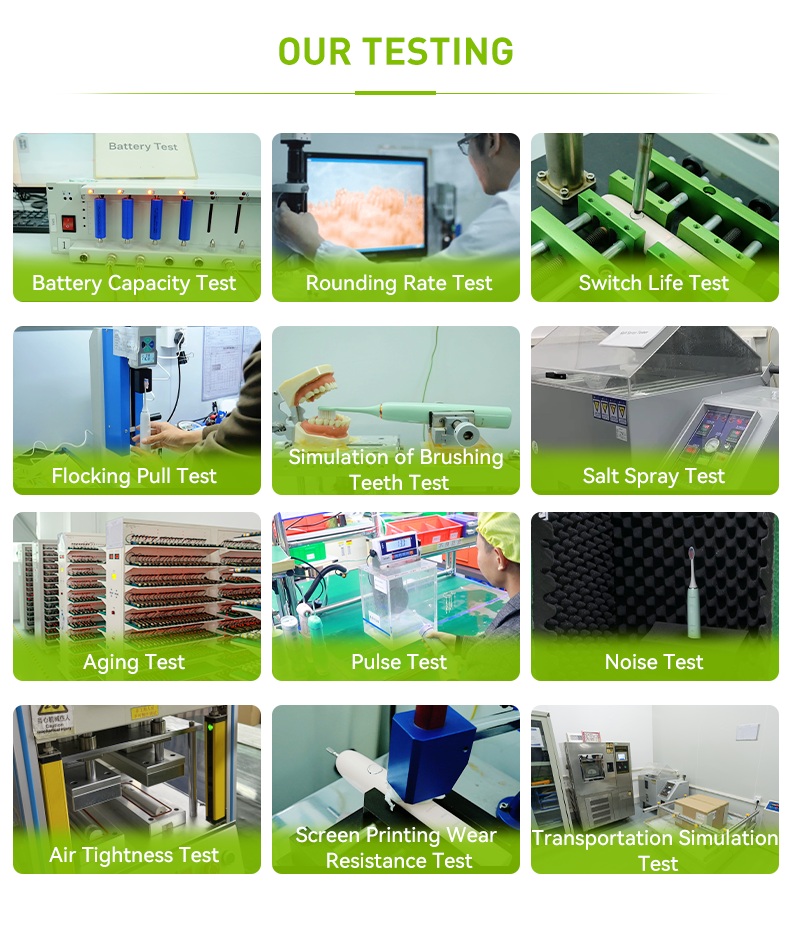
In-line force testing to confirm button stability
Waterproof testing (immersion and pressure tests) for every batch
Strict QC ensures each unit meets durability targets before shipment.
Early engineering involvement is the most effective way to prevent issues such as buttons coming off. Experienced OEM partners help brands with:
DFM (Design for Manufacturability) reviews
Material and sealing recommendations
Rapid prototyping to test tactile feel and durability
Long-term reliability testing
Choosing a factory with proven toothbrush R&D capability minimizes trial-and-error and accelerates time-to-market.
Preventing electric toothbrush buttons from detaching requires a combination of material science, structural engineering, sealing technology, and precise manufacturing. By partnering with a capable electric toothbrush OEM, brands can secure durable design solutions that enhance product reliability and consumer satisfaction.
.jpg)
Solution for Color Customization of Water Flossers: From Pantone Code to Actual Machine – A Comparison of Two-Color Injection Molding and Gradient Spraying
Analysis of the Core Components of Electric Toothbrushes: How Do High-Performance Motors Improve Cleaning Efficiency?

How Does a Custom Brush Handle Mold Support a Calcified Deposit Remover Mechanism?
.jpg)
Rechargeable vs. Battery Toothbrush Comparison: Which Is Better for You?
.jpg)
Custom Logo Smart Toothbrushes for Austin Tech Companies
Can Travel Electric Toothbrush’s Waterproof Failure Cause Circuit Corrosion?
The Root Cause of Poor Battery Life in Electric Toothbrushes: A Manufacturer’s Perspective
Light Therapy Electric Toothbrush ODM Development
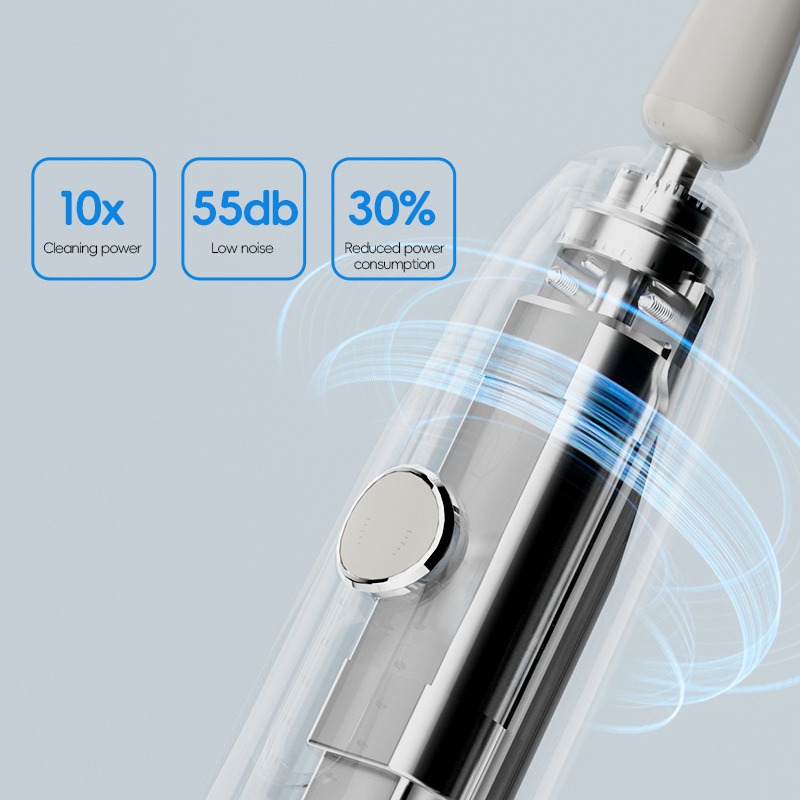
Is it normal for an electric toothbrush to make too much noise?
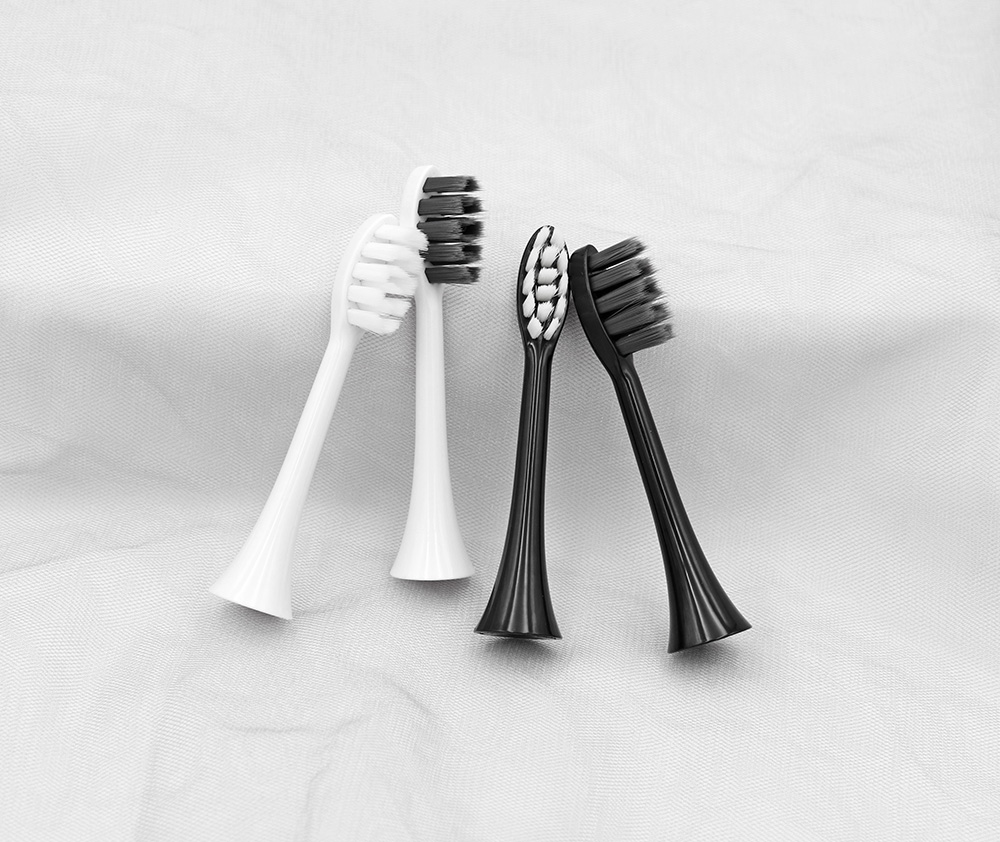
How to Instruct Users to Install a New Brush Head on an Electric Toothbrush Correctly
How Does a High-pressure Pump Module Integrate with a Pulse Frequency Controller for Effective Flossing?
Rechargeable Kids Toothbrush Wholesale
Technique Affecting Periodontal Pocket – How Deep Is the Impact?
Exploring the Revolution in Industrial Electric Toothbrush Manufacturing
Can a Rechargeable Battery Solution Efficiently Power an LED Display Module?
How Does a Linear Resonant Actuator Enhance the Precision of a Brush Head Attachment Mechanism?


.jpg)
.jpg)
.jpg)
.jpg)
.jpg)






.jpg)