In daily industrial operations, Hose Blockages and Motor Overheating often emerge as major challenges that can lead to equipment failures. In systems such as hydraulic or cooling systems, a blockage in the hose can restrict the smooth circulation of fluids, while an overheated motor may suffer from inadequate cooling and diminished longevity. This blog explores the root causes behind these issues, explains how they interact with each other, and provides a range of strategies for quickly diagnosing and resolving these problems to enhance equipment stability and prolong its operational life.
When hose blockages occur alongside motor overheating, device performance takes a significant hit. Blocked hoses impede the flow of cooling or lubricating fluids, which in turn leads to rapid temperature rises in the motor. This can trigger a cycle where the motor, already compromised by heat, further accelerates wear on the hose. The combined effect disrupts production, increases maintenance costs, and can negatively impact a brand’s reputation if left unresolved.
Hose blockages can result from several factors:
Identifying these issues early is critical to preventing system-wide failures.
Motor overheating is commonly caused by:
When a motor overheats, its performance degrades, potentially shortening the overall lifespan of the equipment.
The connection between hose blockages and motor overheating is both direct and compounded:
Understanding this interaction is vital to implementing effective mitigation measures.
To promptly address the combined issues of hose blockages and motor overheating, consider the following strategies:
Looking forward, the integration of smart, predictive maintenance solutions will become increasingly important. Future innovations may include:
By embracing these new technologies and maintaining robust quality management practices, companies can not only resolve existing issues faster but also prevent similar problems from recurring, ensuring long-term operational stability.
Conclusion
When hose blockages meet motor overheating, the resulting disruptions can severely hinder equipment performance and lead to increased downtime. However, by understanding the root causes, implementing regular maintenance and using high-quality materials, manufacturers can quickly fix these issues and minimize their impact. Through ongoing innovation and strategic planning, businesses can ensure their systems run smoothly and reliably, ultimately enhancing productivity and reinforcing brand trust.
Interested in learning more about advanced solutions to stabilize your systems and extend equipment lifespan? Contact us today to discover tailored approaches that meet your specific operational needs.https://www.powsmart.com/product/electric-toothbrush/
.jpg)
Can Charging Base Instability Worsen Whitening Inefficacy?
Starting from the Logic of FMCG, What is the Growth Path of New Electric Toothbrush Brand
Can the Elderly Use Electric Toothbrushes?
Zoom in 100 Times! What is Special About the Bristles of Electric Toothbrushes?

How Long Will It Take to See Results with the LED Teeth Whitening Device?
Why Are Button Responsiveness Declines Tied to Battery Lifespan Inconsistency?
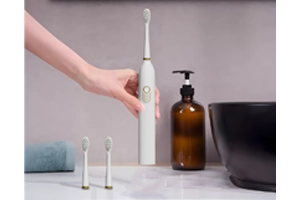
Can I Use an Electric Toothbrush in the Shower?
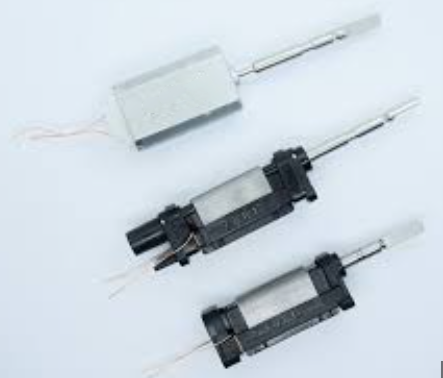
Analysis of the Core Components of Electric Toothbrushes: How Do High-Performance Motors Improve Cleaning Efficiency?
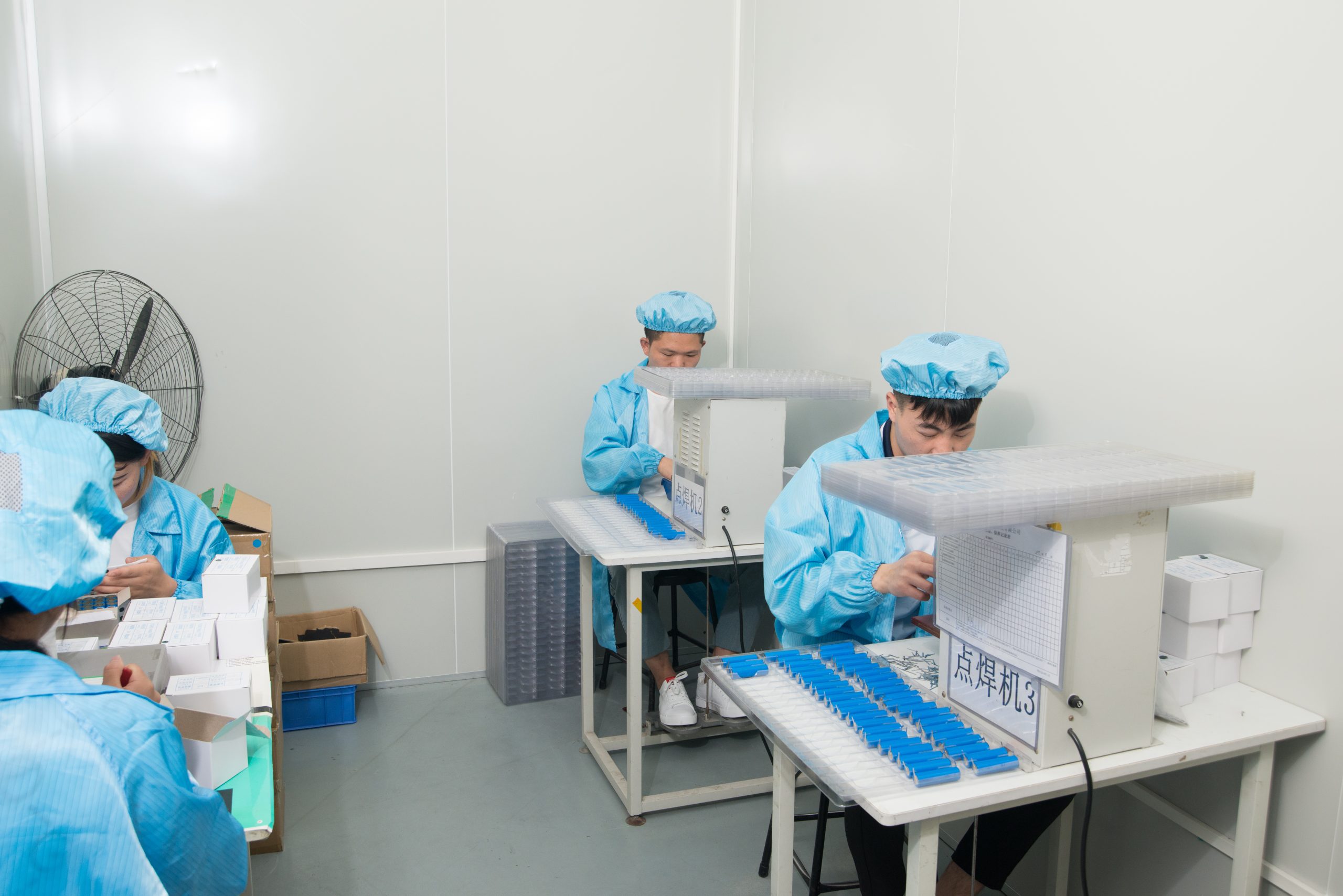
5 Characteristics of a High-Quality Electric Toothbrush Factory
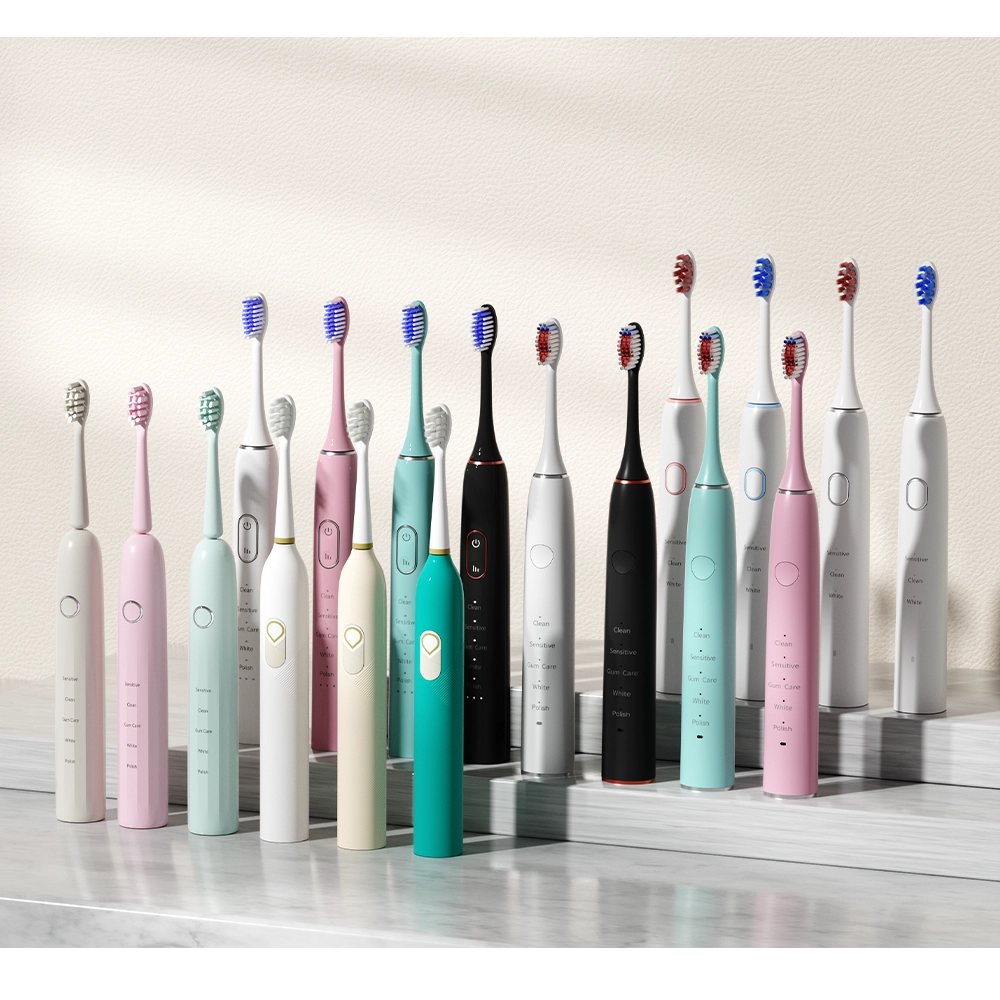
Is Electric Toothbrushes Business Worth Investing?
How Water Pump Technology Revolutionizes Water Flosser Performance
The Importance of Electric Toothbrushes with Self-Developed Motors for Manufacturers
Why Choose Us? Five Advantages of a Professional Manufacturer of UV Sterilizing Water Flossers
A Comprehensive Analysis of the Pros and Cons of Water Flossers: Product Optimization from water flosser Manufacturers’ Perspective
How Do Travel Lock Jams Connect to Mode Switch Lag?
How Much Do You Know About the Manufacturing Industry of Home Teeth Whitening Products?


.jpg)
.jpg)
.jpg)
.jpg)
.jpg)





.jpg)