In today’s competitive landscape, product performance and seamless operation are essential for meeting customer expectations. Recently, many manufacturers have observed that issues such as Travel Lock Jams often appear together with Mode Switch Lag in sophisticated machinery. In this blog, we explore the critical connection between these two issues by delving into their causes, effects on operation, and potential solutions that can help you maintain optimal system performance and reliability.
Modern devices rely heavily on precision mechanisms to execute smooth transitions between operating modes. When a system experiences Travel Lock Jams, the mechanical parts responsible for moving components become hindered, resulting in improper travel or complete blockage. This condition not only disrupts the physical movement but can also lead to a delay or lag when the system switches modes—commonly known as Mode Switch Lag. Such performance issues may reduce overall efficiency, affect end-user experience, and ultimately reflect negatively on brand reputation.
Travel Lock Jams occur when moving parts that guide mechanical travel become stuck or restricted. These jams can be caused by a range of factors, including:
Recognizing the conditions that lead to travel lock jams allows for targeted interventions in design and maintenance protocols.
Mode Switch Lag refers to the delay or sluggish response when a system transitions from one operational mode to another. This lag can result from several factors, including:
This lag not only disrupts workflow but may also lead to misaligned operations, reducing the overall performance consistency of the device.
The link between Travel Lock Jams and Mode Switch Lag is both direct and consequential. When a travel lock jam occurs, the affected components are unable to move as designed, creating a physical barrier that interferes with the mechanisms responsible for mode transitions. This interference can directly cause Mode Switch Lag, as the system waits for clearance or fails to receive precise positioning data. In effect, the jammed component not only hinders movement but also delays the control system’s ability to execute commands, resulting in a compounded performance deficiency.
Addressing these intertwined issues requires a multi-pronged approach:
These integrated strategies can reduce the occurrence of both travel lock jams and subsequent mode switch lag, ensuring that devices function reliably under varied operational conditions.
Looking ahead, the challenge of managing Travel Lock Jams and Mode Switch Lag is expected to evolve with technological advancements. Embracing emerging technologies such as AI-driven diagnostics and real-time remote monitoring will further empower manufacturers to predict and prevent these issues. Additionally, continued investment in material science and precision manufacturing will pave the way for more resilient components that can withstand the rigors of daily use. By committing to a culture of continuous improvement and proactive quality management, companies can not only mitigate these issues but also set new benchmarks in performance and reliability.
Conclusion
The dual challenges of Travel Lock Jams and Mode Switch Lag significantly impact device performance and user satisfaction. By understanding their root causes, taking corrective measures in design and maintenance, and integrating advanced monitoring technologies, Powsmart technology co., ltd can create more reliable and efficient systems. In an increasingly competitive market, the ability to preempt and resolve these issues is key to securing a lasting competitive edge.
Interested in learning how to optimize your equipment design to eliminate these performance bottlenecks? Contact us today to discuss tailored solutions that can enhance your product reliability and overall customer satisfaction.

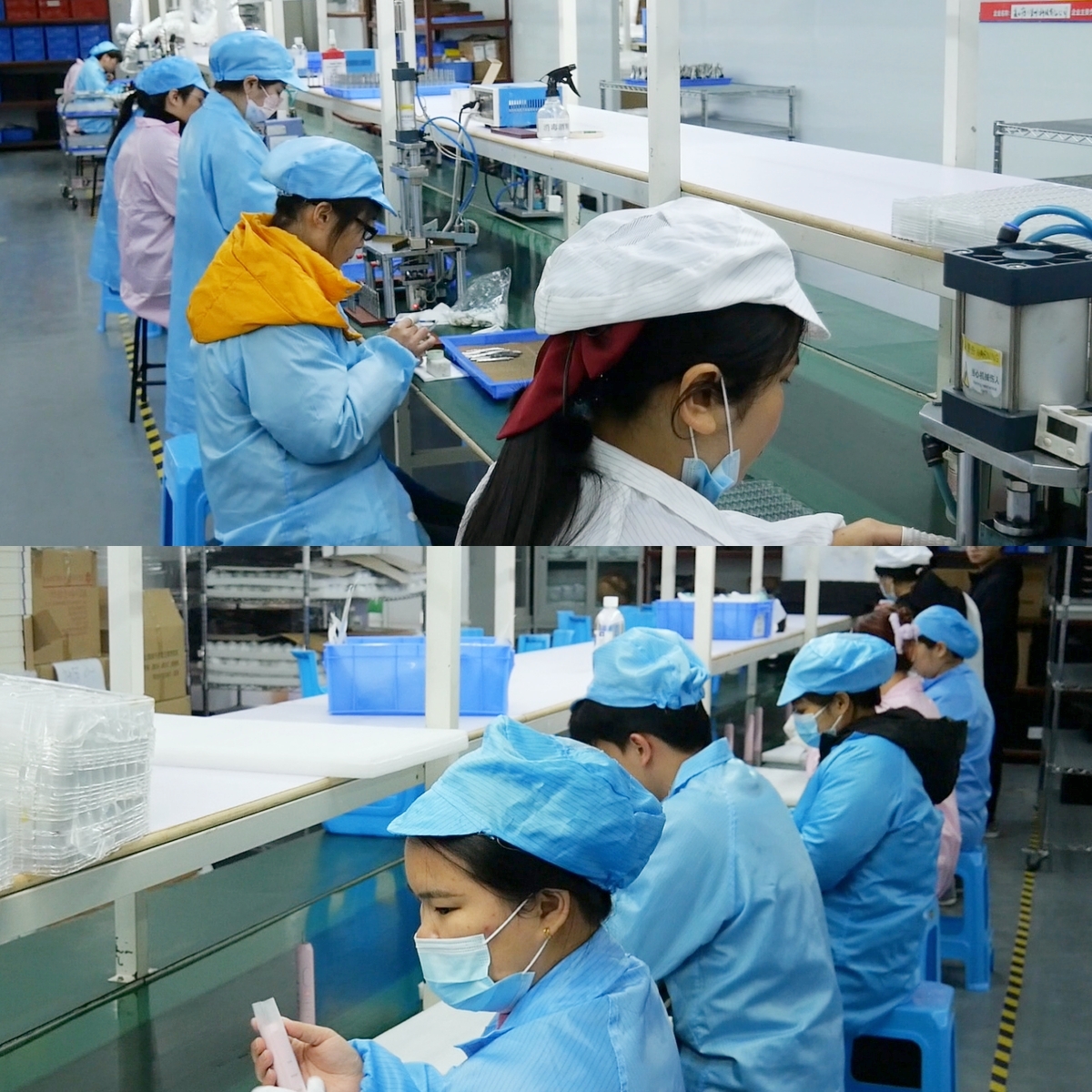
What is the Difference Between a Factory with Its Own Motor Production Line and a Factory with Outsourced Motors?

How Water Pump Technology Revolutionizes Water Flosser Performance
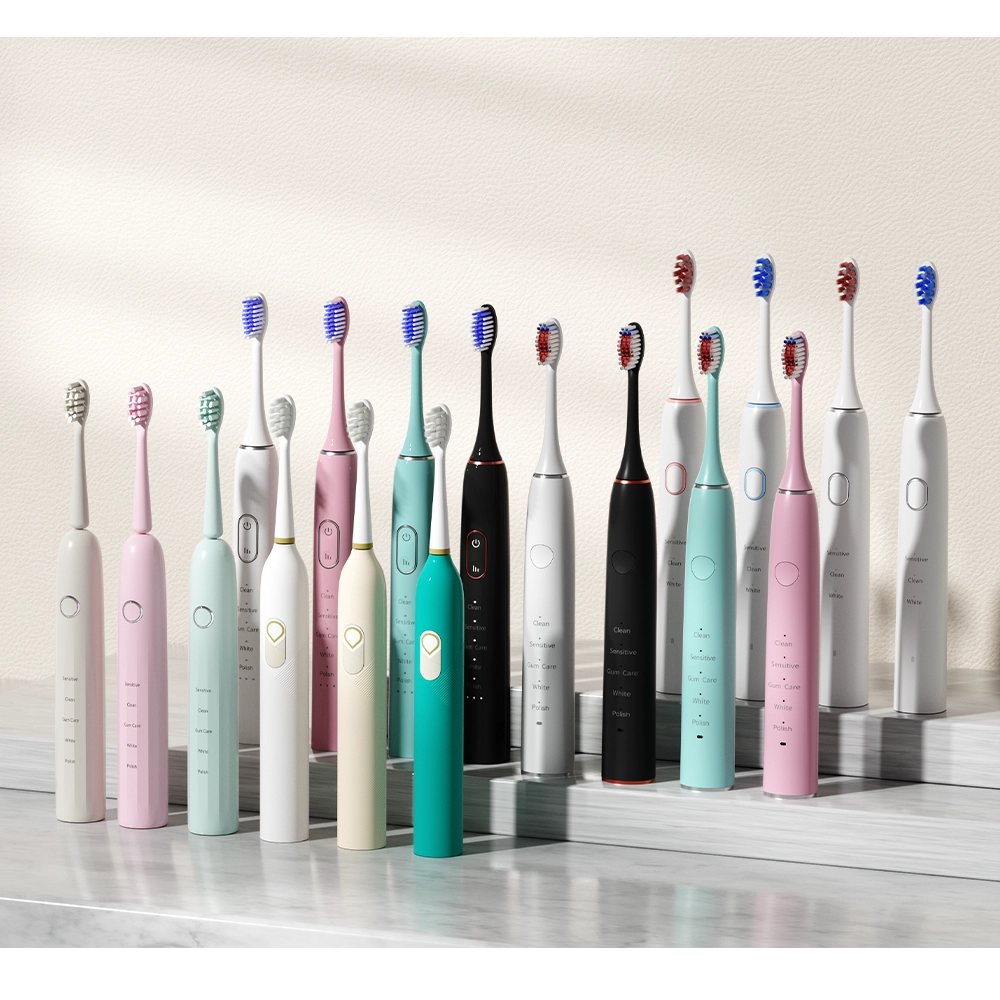
Is Electric Toothbrushes Business Worth Investing?

The Revolutionary Impact of Gravity Ball Design on Water Flosser Performance
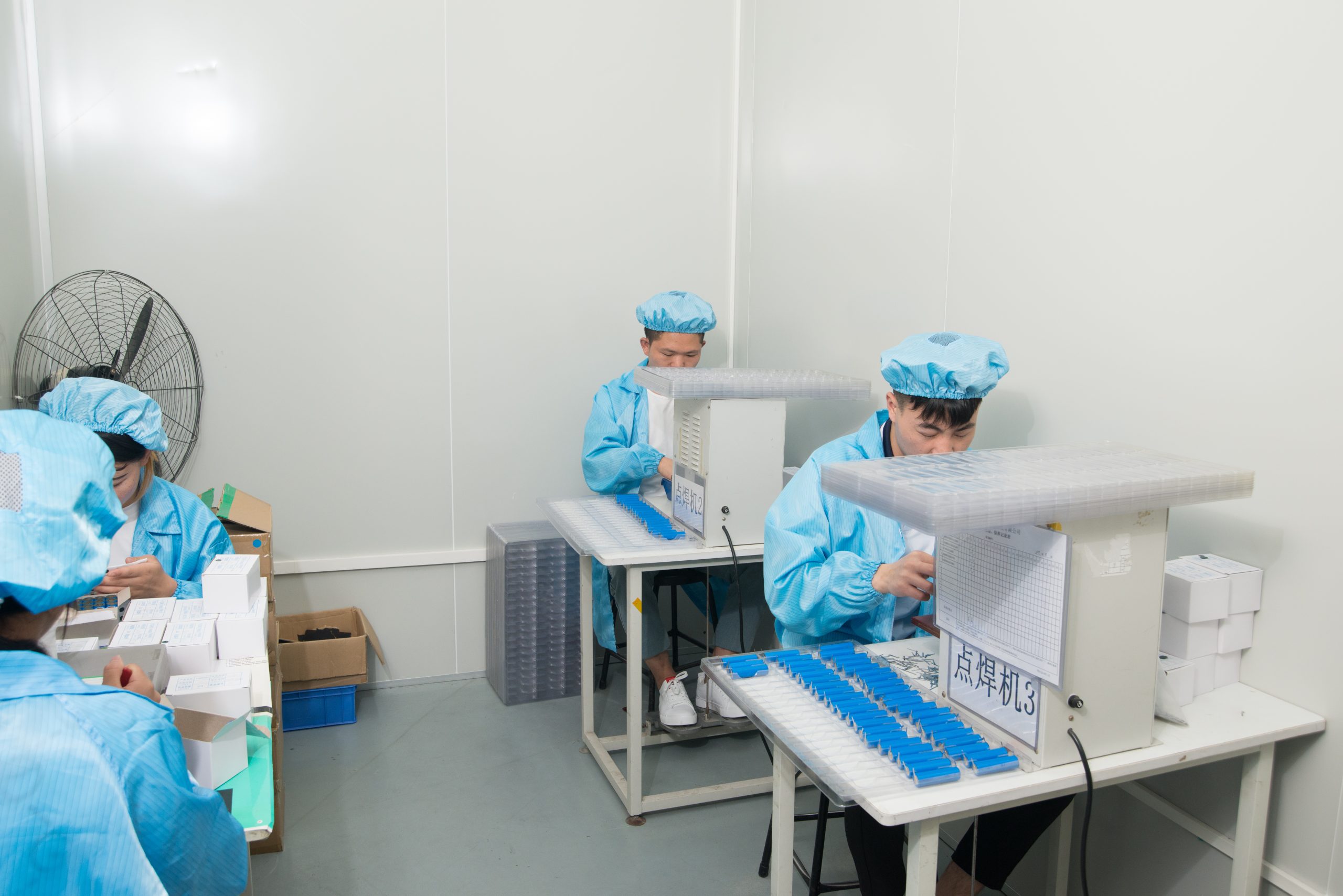
5 Characteristics of a High-Quality Electric Toothbrush Factory

How Long Will It Take to See Results with the LED Teeth Whitening Device?
Electric Toothbrushes Are Not as Good as Regular Toothbrushes?
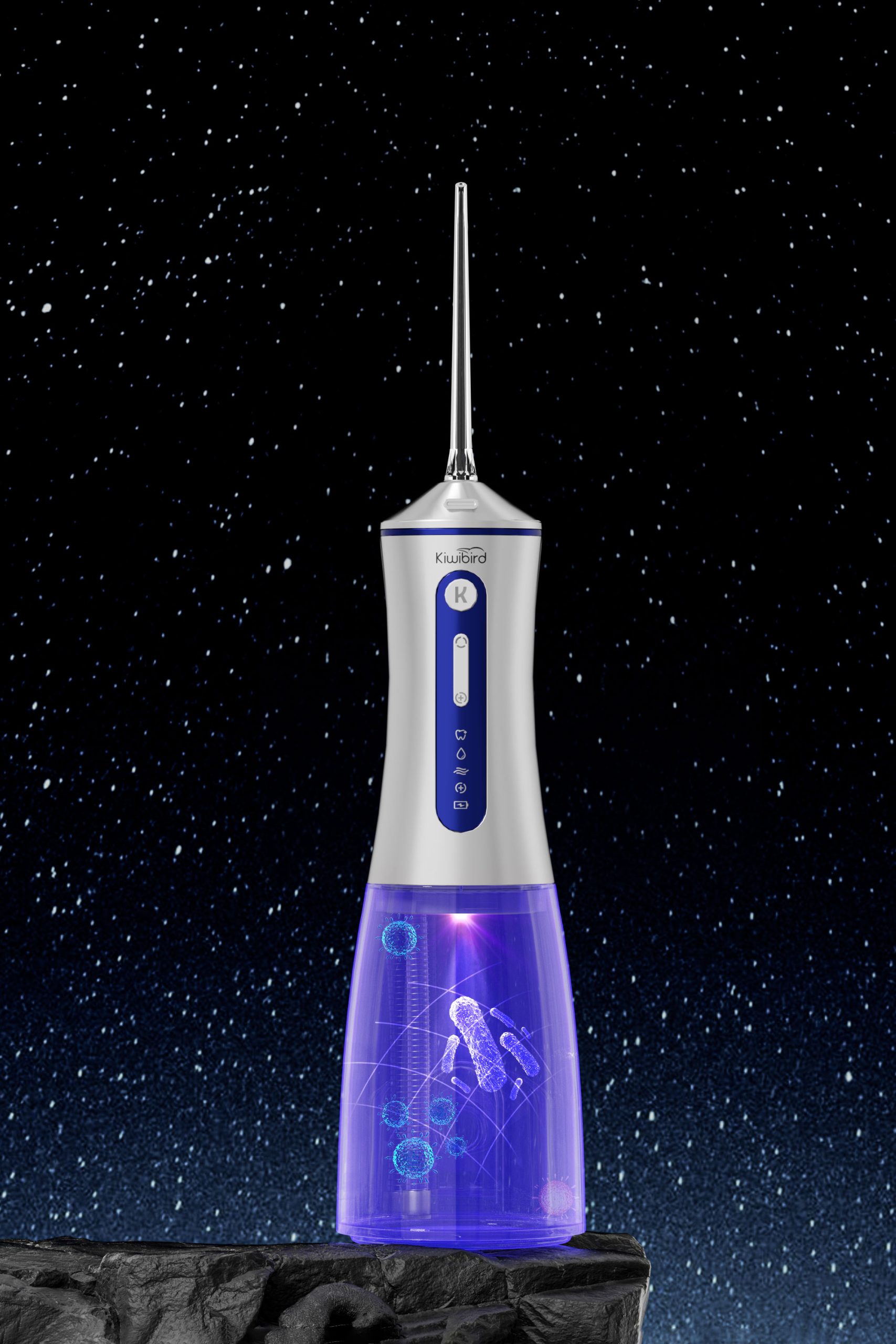
Analysis of the Core Technology of Ultraviolet Sterilization Water Flosser: How to Ensure 99% Sterilization Rate?
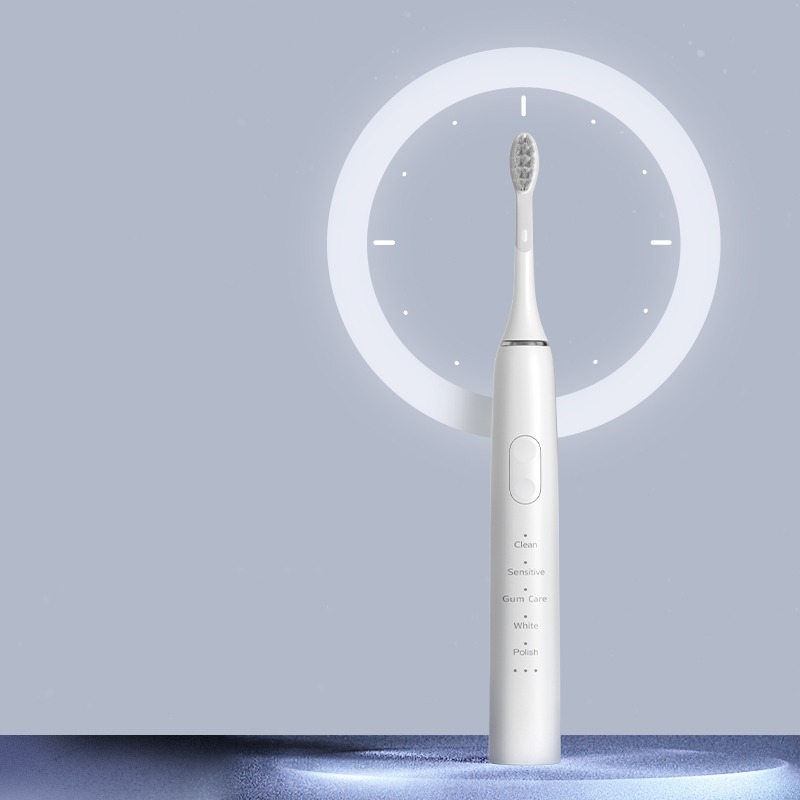
The Importance of Electric Toothbrushes with Self-Developed Motors for Manufacturers
.jpg)
Can UV Light Degradation Affect Whitening Gel Leakage?
Why Are Button Responsiveness Declines Tied to Battery Lifespan Inconsistency?

How Much Do You Know About the Manufacturing Industry of Home Teeth Whitening Products?
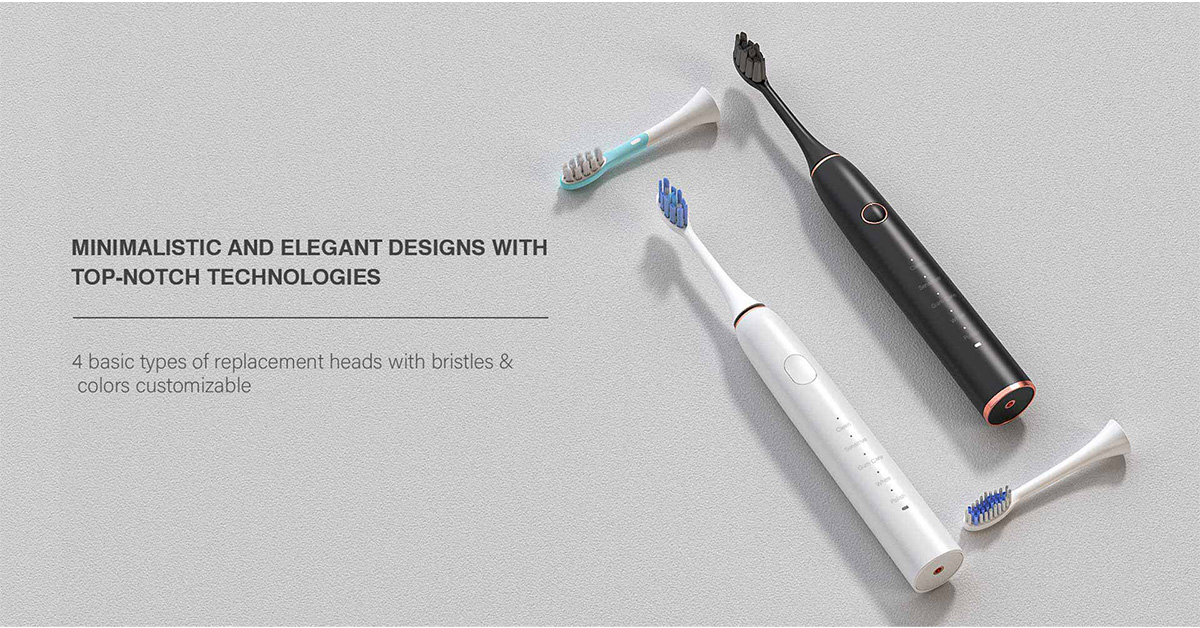
What is the Proofing Process of Electric Toothbrush?
Analysis of the Core Components of Electric Toothbrushes: How Do High-Performance Motors Improve Cleaning Efficiency?
How to Ensure That a Factory’s Quality Control Process is Strict and Standardized

Wireless Water Flosser Production Guide: The Perfect Match Between Lithium Battery and Water Pump


.jpg)
.jpg)
.jpg)
.jpg)
.jpg)




.jpg)