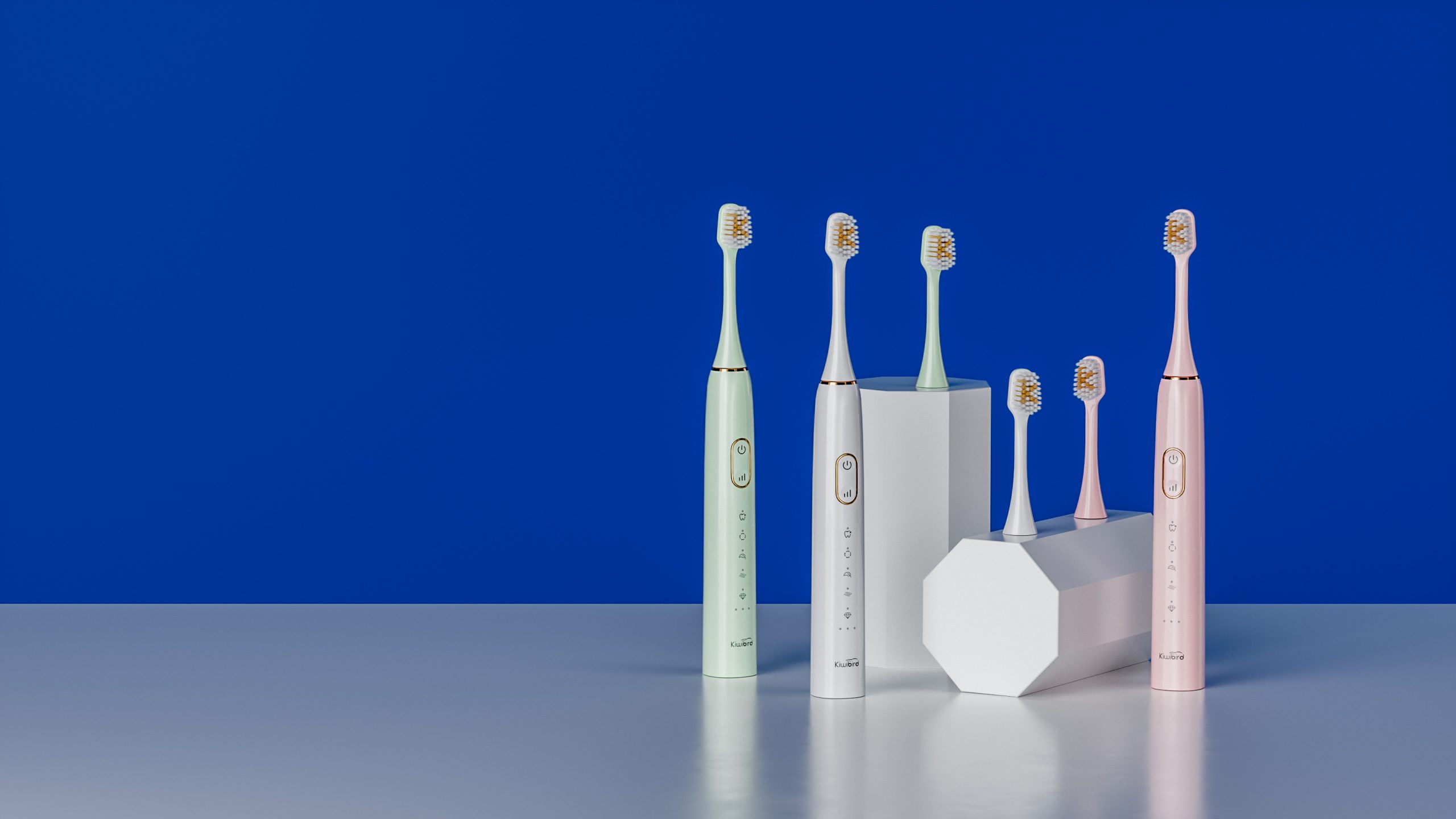
In the rapidly evolving market of personal care devices, manufacturers face numerous challenges in ensuring consistent performance and user satisfaction. One overlooked factor contributing to suboptimal results is Charging Base Instability, which can directly influence device performance and effectiveness. Specifically, Whitening Inefficacy in products like teeth whitening devices can be worsened when the charging base fails to maintain a stable connection. In this blog, we explore the relationship between charging base instability and whitening performance, as well as strategies to address these issues for optimal product efficacy.
For electric toothbrushes/whitening pens, charging bases ensure full-capacity operation. A stable charging connection powers the battery sufficiently, crucial for high-performance devices to achieve optimal whitening. However, Charging Base Instability—such as loose connections, improper voltage regulation, or wear and tear on charging components—can significantly impact the device’s operation, leading to Whitening Inefficacy. If the device is not charged properly or is constantly losing power, it will fail to deliver the required intensity for effective whitening.
Unstable charging base power causes uneven whitening pen light or erratic electric toothbrush motions. These malfunctions can result in the device being unable to perform at its best. Specifically:
These issues ultimately lead to Whitening Inefficacy, as the device is not operating optimally, reducing the effectiveness of the whitening treatment
The connection between Charging Base Instability and Whitening Inefficacy is clear in whitening devices’ performance. A few key effects include:
Ensuring a stable charging base is crucial for maintaining consistent results and user satisfaction.
To mitigate the issues caused by Charging Base Instability, it’s essential to understand its root causes. Some common contributors include:
By addressing these causes, manufacturers can prevent the instability that leads to poor whitening results.
To reduce the risk of Charging Base Instability and improve Whitening Inefficacy, manufacturers should implement the following strategies:
Implementing these strategies will help prevent instability and maintain optimal whitening effectiveness.
As technology continues to evolve, future innovations in charging technology and device design will help mitigate the risk of Charging Base Instability and improve whitening results. For instance:
By staying on top of emerging technologies, manufacturers can provide customers with reliable, high-performance products that deliver consistent results.
Conclusion
The connection between Charging Base Instability and Whitening Inefficacy underscores the importance of product reliability and design in ensuring optimal user experience. Manufacturers must address charging base issues and optimize power delivery to ensure that whitening devices perform effectively throughout their lifespan. By focusing on durable components, improving design, and embracing innovative solutions, companies can ensure consistent whitening performance and greater customer satisfaction.
Interested in learning more about optimizing charging bases and improving device performance? Contact us today to explore customized solutions that enhance both reliability and whitening efficacy.
Can the Elderly Use Electric Toothbrushes?
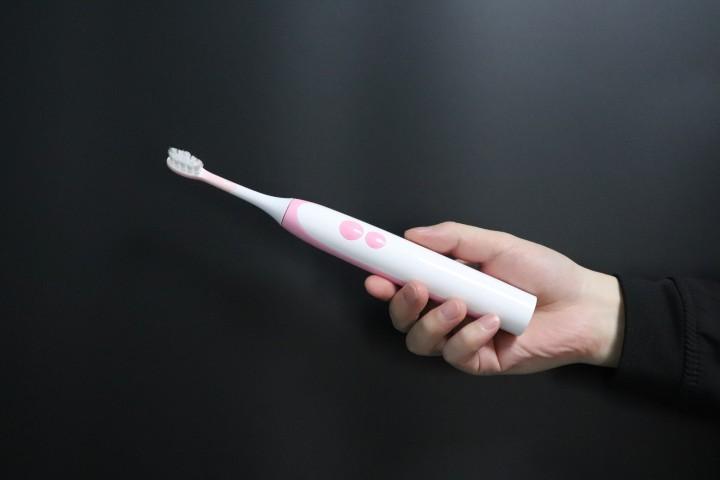
How Can an Electric Toothbrush Improve Your Oral Hygiene Habits?
.jpg)
When Hose Blockages Meet Motor Overheating, How to Fix Fast?
Zoom in 100 Times! What is Special About the Bristles of Electric Toothbrushes?
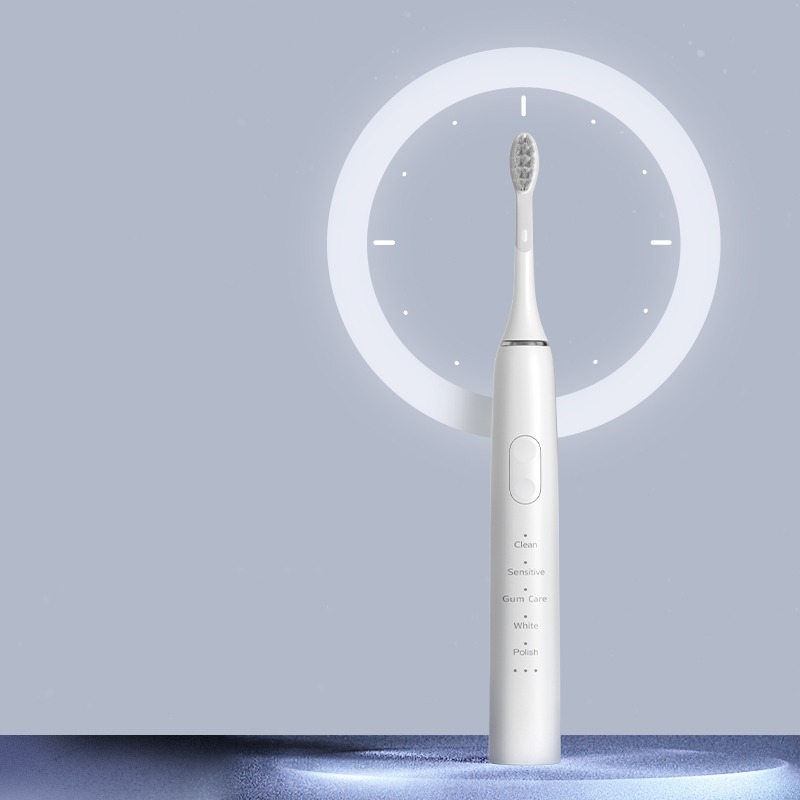
The Importance of Electric Toothbrushes with Self-Developed Motors for Manufacturers
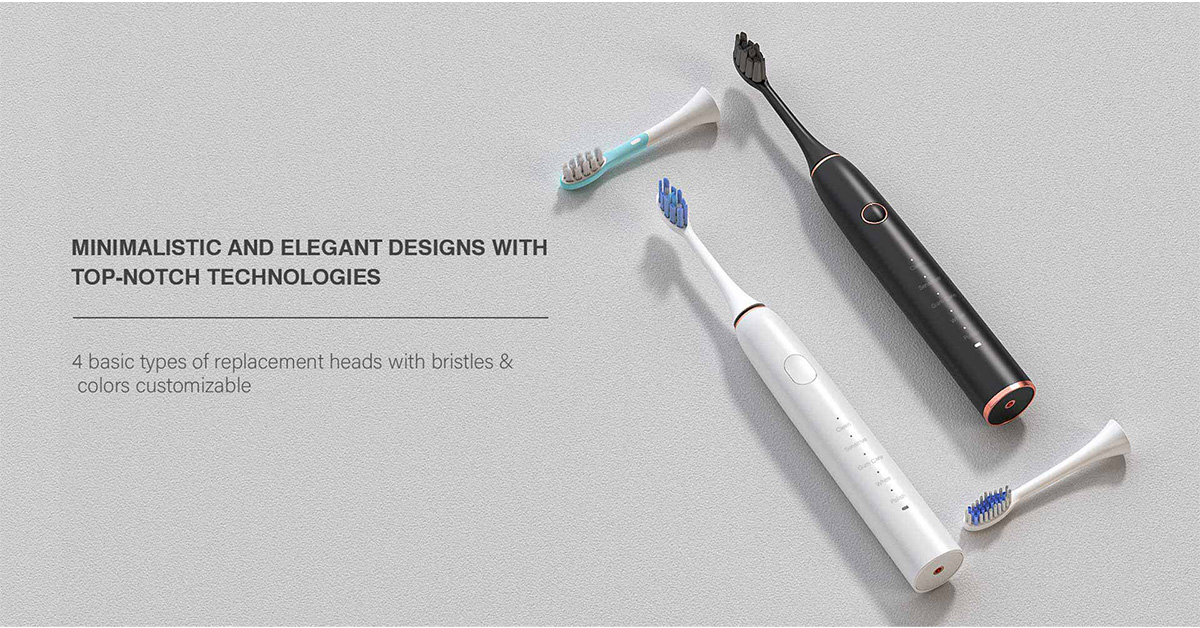
What is the Proofing Process of Electric Toothbrush?

5 Characteristics of a High-Quality Electric Toothbrush Factory
Are Bluetooth Disconnects Causing Battery Drain Speed?
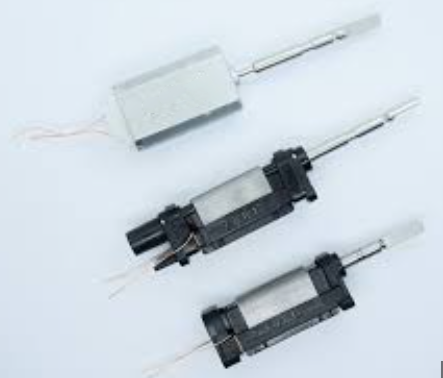
Analysis of the Core Components of Electric Toothbrushes: How Do High-Performance Motors Improve Cleaning Efficiency?

How to Ensure That a Factory’s Quality Control Process is Strict and Standardized

Is It Wise to Replace Your Toothbrush After an Illness? A Professional Guide
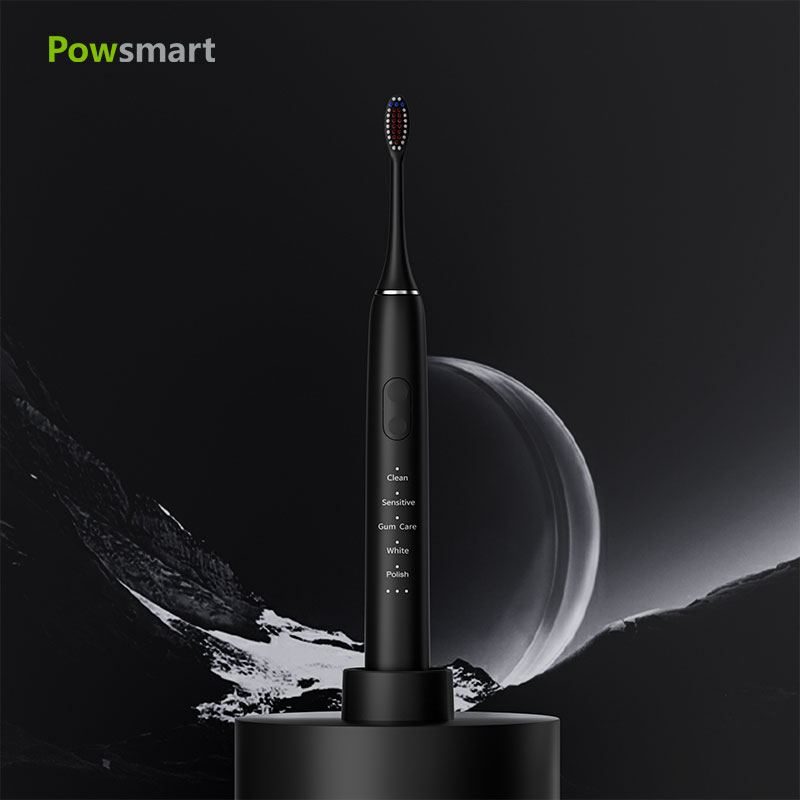
Electric Toothbrushes Are Not as Good as Regular Toothbrushes?
How Do Travel Lock Jams Connect to Mode Switch Lag?
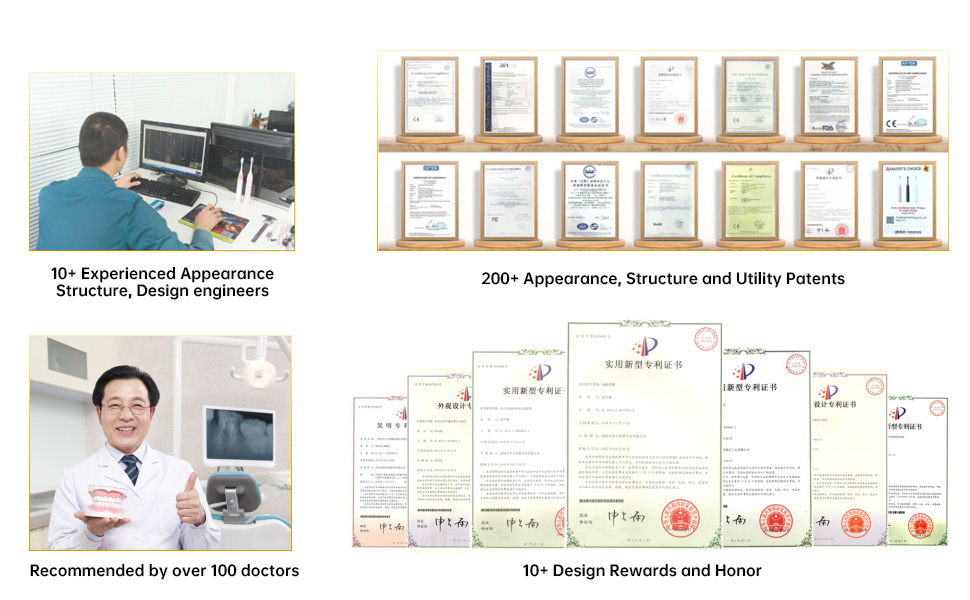
How to Judge Whether a factory’s R&D capabilities Is Strong?
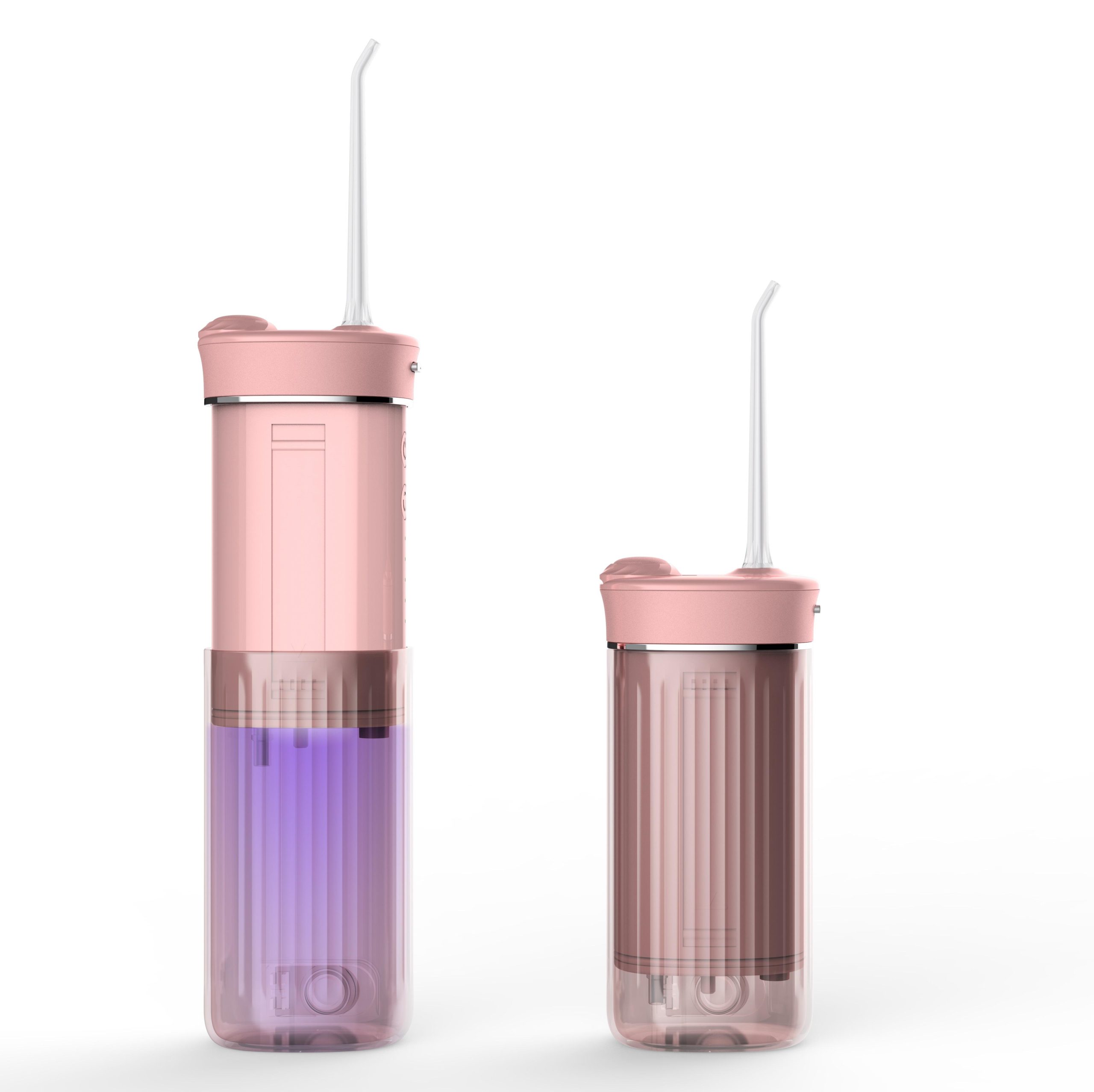
A Comprehensive Analysis of the Pros and Cons of Water Flossers: Product Optimization from water flosser Manufacturers’ Perspective

How Water Pump Technology Revolutionizes Water Flosser Performance


.jpg)
.jpg)
.jpg)
.jpg)
.jpg)



.jpg)