A private label sonic toothbrush can be a strong product for oral care brands, Amazon sellers, gift channels, and retail distributors. However, success depends on more than putting a logo on an existing model. The product must match a clear customer segment, price point, design language, and quality expectation.
For B2B buyers, the goal is not to create a toothbrush that looks good only in photos. The goal is to build a product that consumers can understand quickly, use comfortably, and trust after repeated daily use.
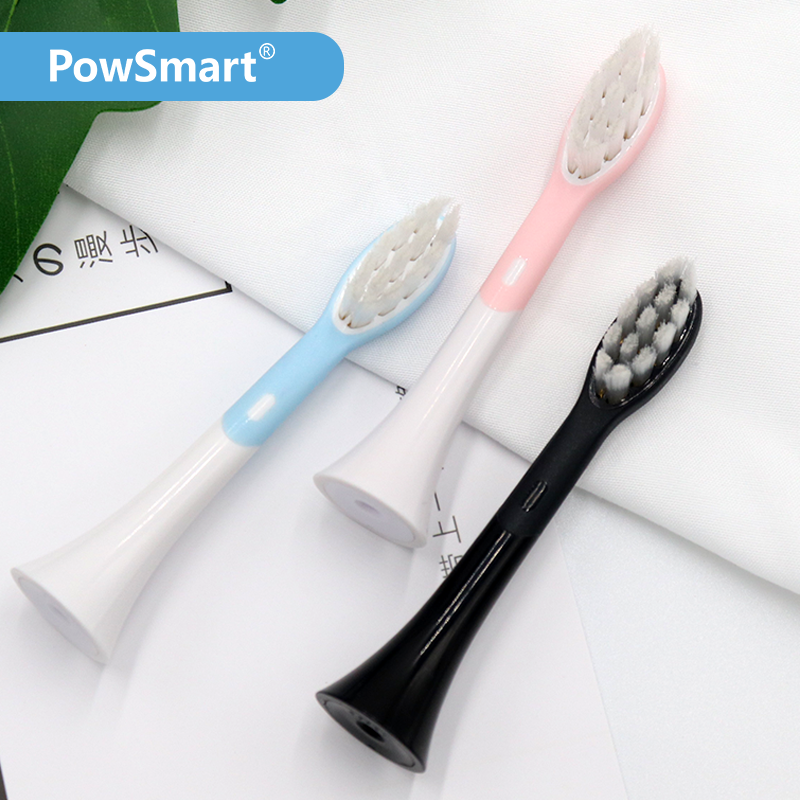
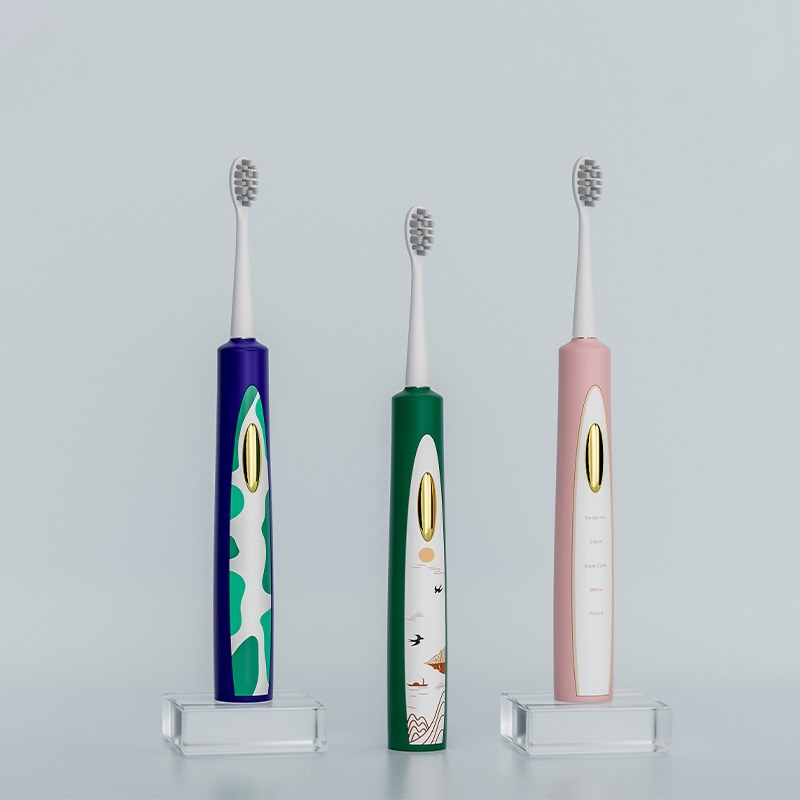
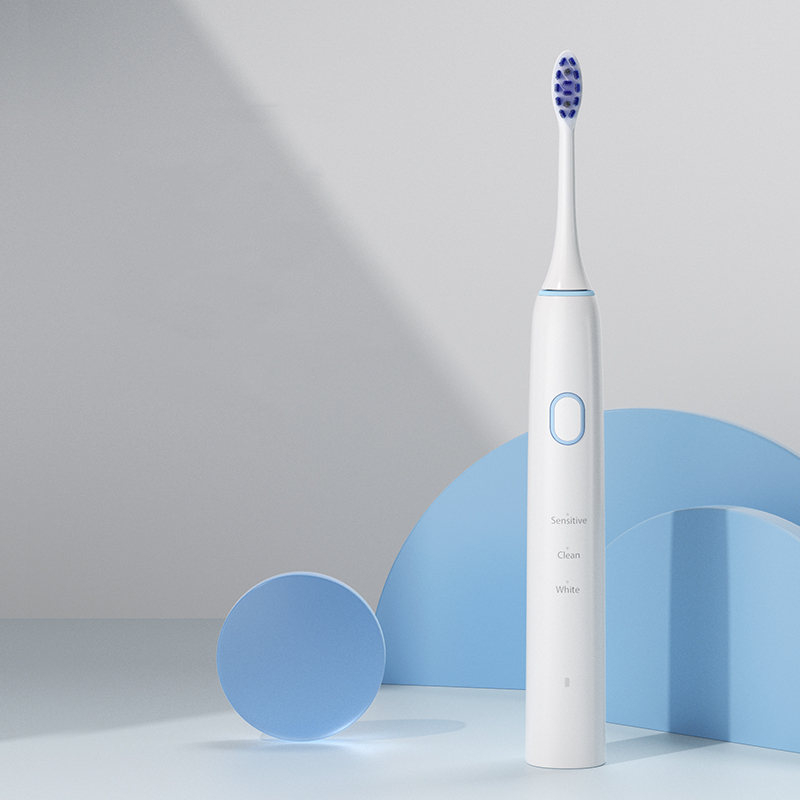
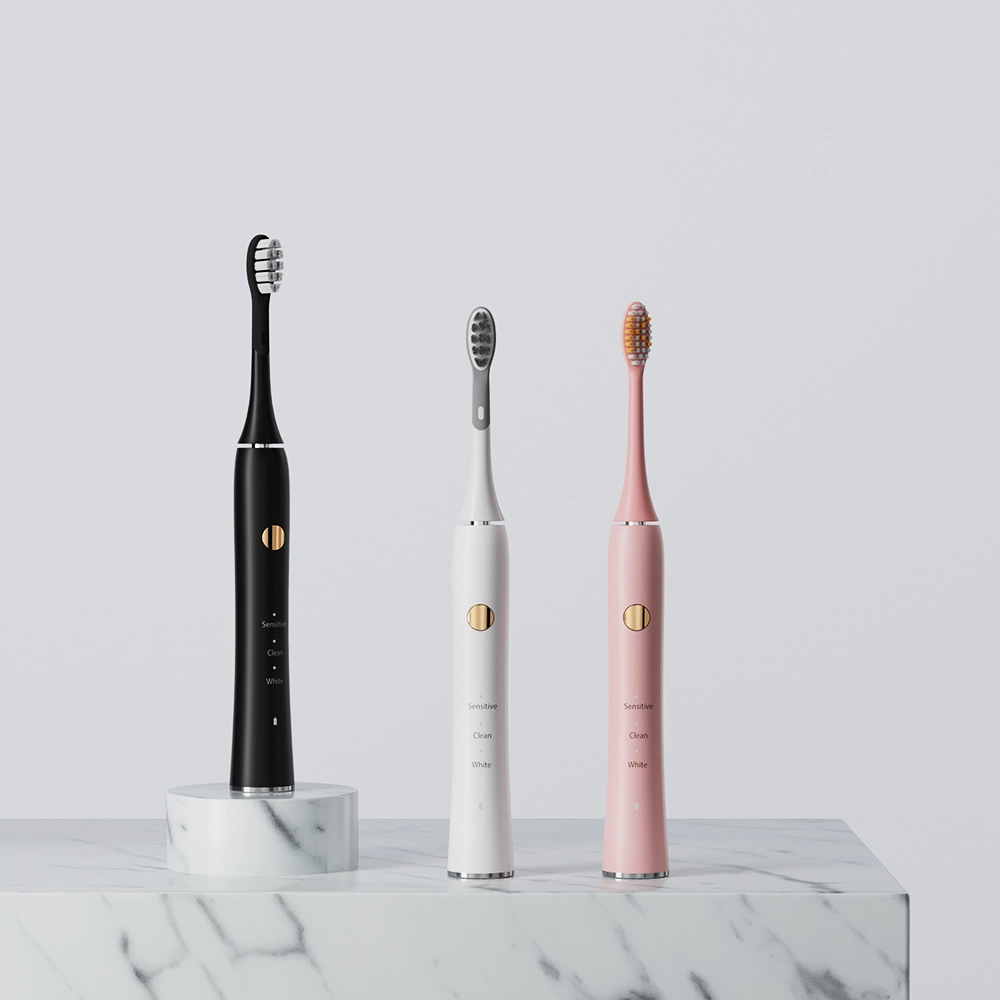
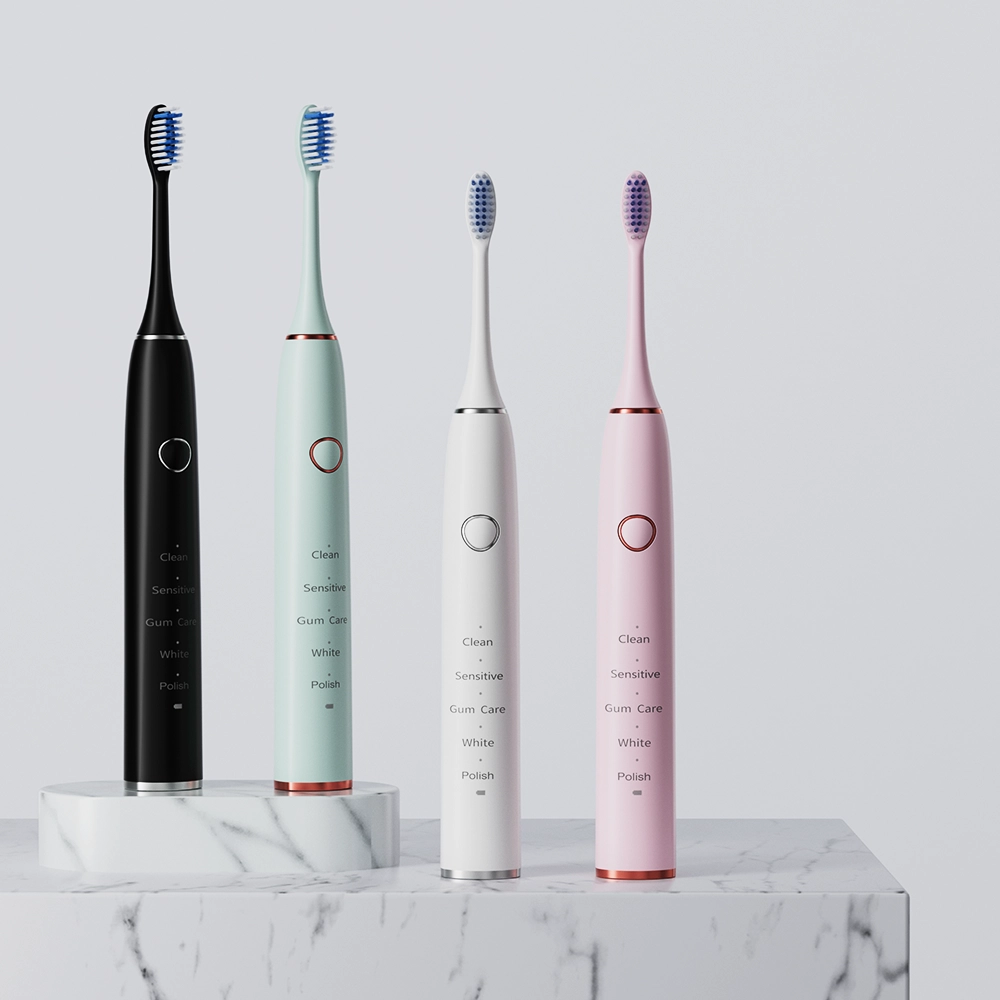
Different users care about different details. Young consumers may prefer slim designs, trendy colors, simple charging, and clean packaging. Family-focused products may need softer brush heads, clear mode indicators, and value-based bundle options. Premium buyers may pay attention to texture, finishing, battery life, travel cases, and brand presentation.
This is why product selection should begin with market positioning. If the target channel is Amazon, product images, reviews, and feature clarity matter heavily. If the target channel is offline retail, shelf appeal and packaging structure become more important.
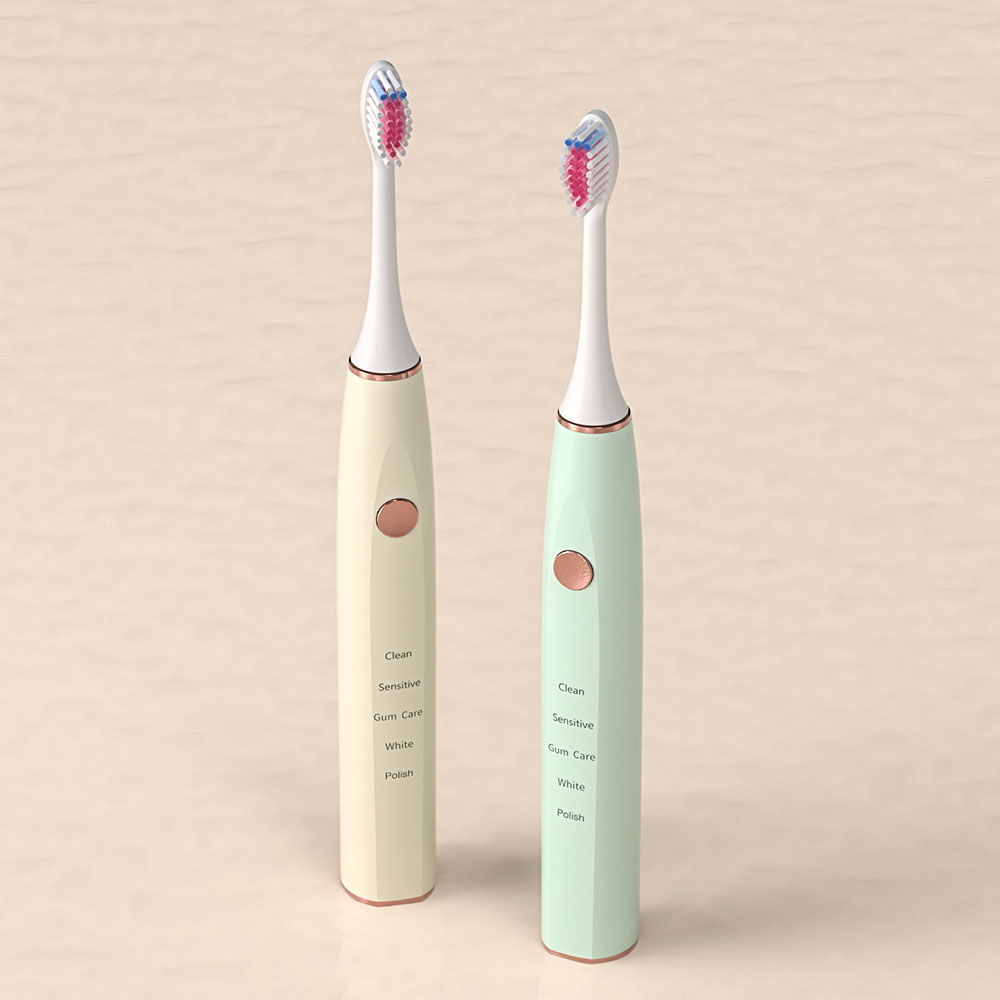
Common feature choices include cleaning mode, sensitive mode, whitening mode, timer function, memory function, pressure-related features, charging style, waterproof level, and battery capacity. Do not add features only because they sound impressive. Every feature should help the customer understand why the product is worth buying.
For example, a simple three-mode toothbrush can be easier to sell than a complicated model if the target customer wants an affordable daily-use product. A long battery life can be a stronger selling point for travel users than extra modes they may never use.
Private label success often depends on packaging. Buyers should prepare logo files, color preferences, instruction language, barcode requirements, carton information, and retail display needs early in the project. Good packaging reduces communication delays and supports a more consistent brand image.
You can use PowSmart product support as a starting point for discussing model selection, and review this product reference when preparing your private label brief.
For sonic toothbrush projects, quality checks should cover motor performance, waterproof reliability, battery safety, charging stability, brush head fit, surface finishing, packaging drop resistance, and final appearance inspection. Certifications and test documents should be discussed based on the destination market.
Brands should also keep product claims realistic. For general consumer brushing information, refer to this independent brushing resource and avoid exaggerated wording that may create compliance risk.
A private label project works best when the buyer treats the toothbrush as part of a product line, not a single item. With the right model, packaging, quality control, and positioning, a sonic toothbrush can support repeat orders and stronger brand recognition.
A suitable model should have stable quality, clear selling points, flexible packaging options, reasonable MOQ, and specifications that match the target market.
Not always. More modes do not automatically mean better value. The best choice depends on customer segment, price range, and product positioning.
Prepare your logo, target market, estimated order quantity, packaging requirements, certification needs, color preferences, and launch schedule.
Proper Teeth Cleaning Techniques with Electric Toothbrushes: Guide for OEM Manuals
Why Pair Enamel Micro-abrasion With Chromophore Targeting Gel for Effective Teeth Whitening?
What Are the Pros and Cons of Popular Travel Size Electric Toothbrushes?
.jpg)
Tooth Chipping Alongside Root Darkening – Irreversible?
Our Electric Toothbrush Factory: Exploring the Manufacturing Process of Electric Toothbrushes
How IPX7 Waterproof Design Improves Electric Toothbrush Durability?
Is a TSA Friendly Toothbrush with Portable Toothbrush Case Truly Hassle-Free at Airports?
chemotherapy oral care toothbrush: gentle cleaning
Creating the Most Effective Electric Toothbrush: Key OEM Technologies Explained
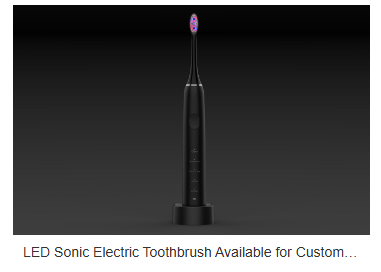
LED Light Sonic Toothbrush OEM
Is the cowboy style brush the ultimate symbol of Texas pride brush?
Best Toothbrush India | Dentist Recommended 2025
Need a Reliable Electric Toothbrush OEM and Water Flosser OEM for Your Brand?
All You Want to Know About Teeth Whitening Gel
Travel Electric Toothbrush Packing Tips: Protect Your Brush On the Go
Hydrogen Peroxide vs. Carbamide Peroxide: Which Whitening Gel Formula is Right for You?


.jpg)
.jpg)
.jpg)
.jpg)
.jpg)



.jpg)