Is your customer’s sonic brush suddenly rattling, weakening, or making strange noises? Many OEM clients and service teams frequently face similar queries from end users. Knowing how to fix vibrating toothbrush performance issues through basic motor troubleshooting not only saves costs but also increases product reliability and satisfaction. In this article, we’ll guide you through key root causes, quick inspection tips, and essential design considerations—perfect for manufacturers, engineers, and aftersales support professionals.
Before diving into solutions, it’s essential to understand the warning signs of a motor issue:
Each of these may point toward a different motor troubleshooting path—from mechanical imbalance to power connection issues.
Let’s explore the most frequent technical reasons behind performance drops:
Understanding these failure modes is the first step to fix vibrating toothbrush complaints effectively.
Here’s a simple but effective diagnostic flow to isolate the problem:
For manufacturers aiming to reduce returns or service complaints, consider these product design adjustments:
Embedding these in product development reduces the need for future motor troubleshooting.
While DIY is helpful for B2B testing and internal inspection, general users should be cautious. Many performance issues come from:
Providing user manuals or app notifications can prevent misuse and extend the brush’s life without requiring technical intervention to fix vibrating toothbrush problems.
If the toothbrush motor shows signs of internal damage—such as burnt smell, high resistance, or erratic RPM—even the best motor troubleshooting won’t resolve it. In such cases:
Having a clear policy on replace vs. repair improves service efficiency and enhances aftersales reputation.
Knowing how to fix vibrating toothbrush performance issues through DIY motor troubleshooting empowers both manufacturers and technical partners. With proper inspection, design foresight, and field support strategies, you can dramatically reduce failure rates and improve customer trust—essential qualities in today’s B2B oral care supply chain. Contact Powsmart
.jpg)
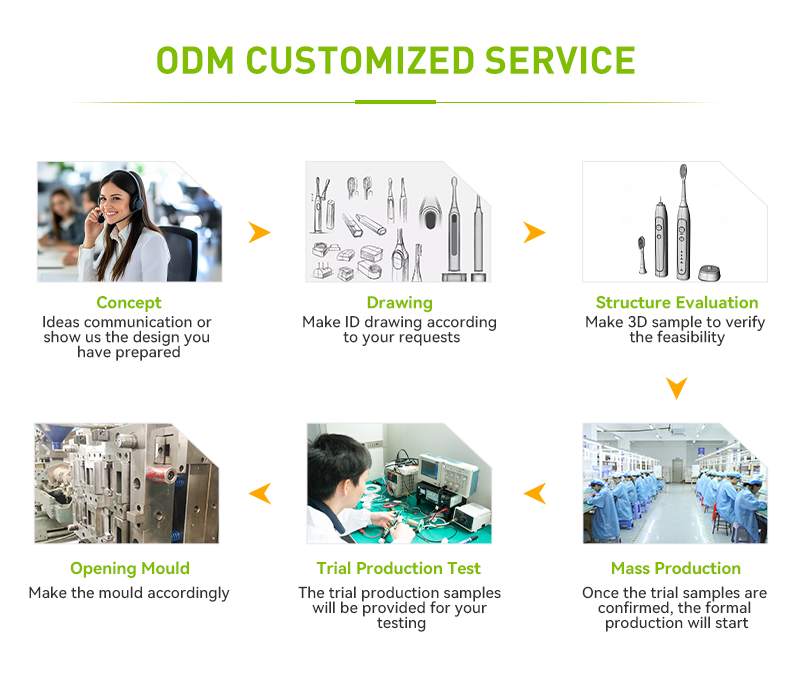
Sonic Toothbrush ODM Service for Brand Development | From Concept to Mass Production
How can Servo System Manufacturing enhance the value proposition of a Custom Handle OEM for B2B toothbrush brands?
Private Label Electric Toothbrush Manufacturing with Low MOQ
How Does Pulse Water Technology Work with a Quiet Flosser Motor?
Building a Zero-Waste Oral Care Line: Sourcing Eco-Conscious OEM Products
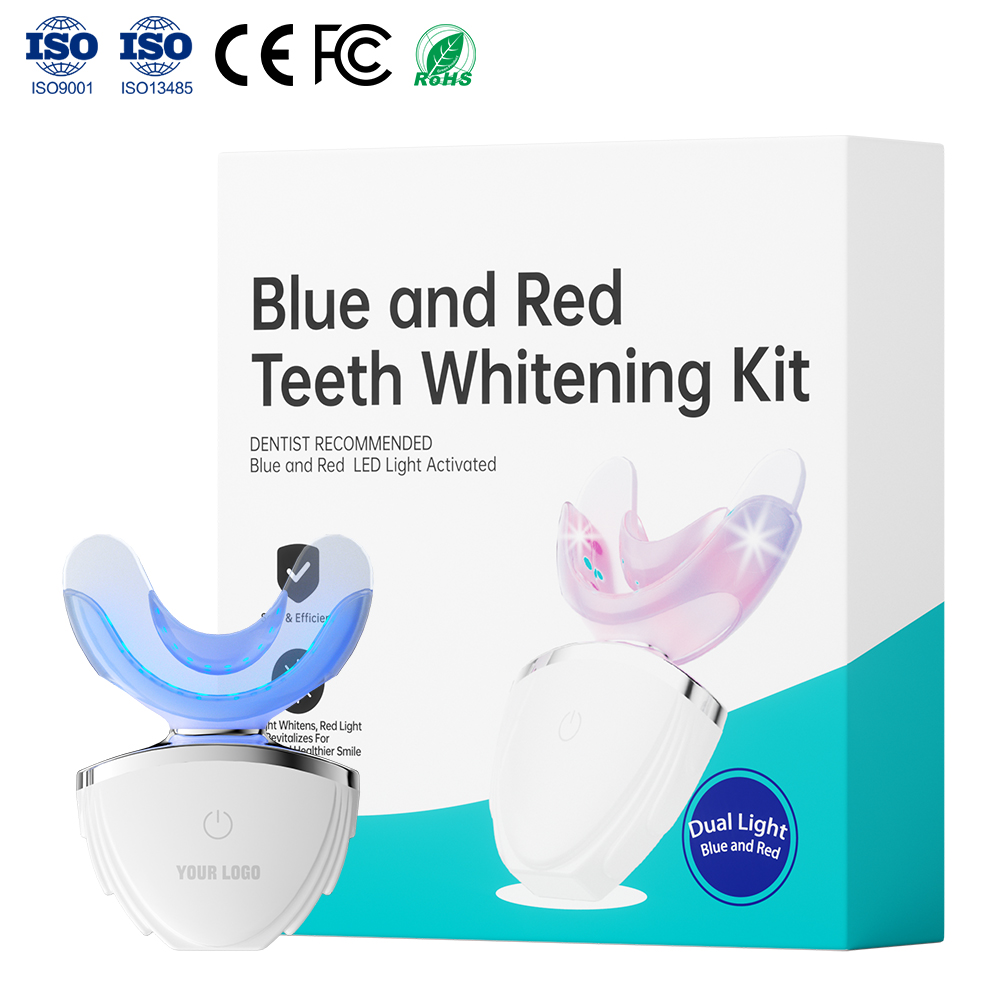
Are At-Home Teeth Whitening Kits Safe for Long-Term Use? An OEM Analysis
How Does Water Tank Molding Design Accommodate a Filter Cartridge Supply?
Why integrate a Leakage Prevention Valve with a Quiet Flosser Motor for user comfort?
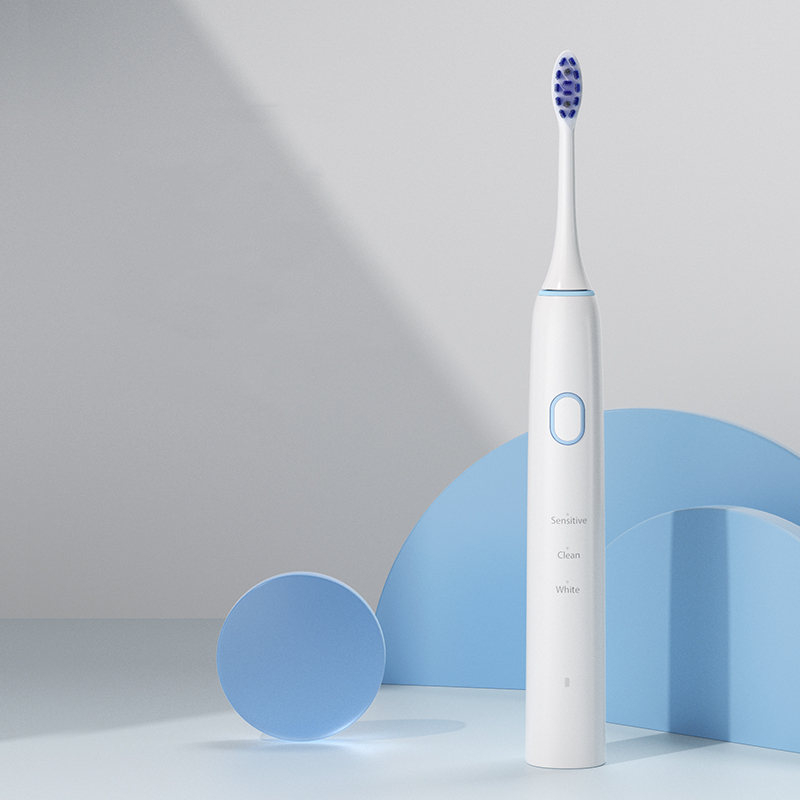
Why Choose Powsmart as Your Electric Toothbrush OEM Partner?
Fort Worth Electric Toothbrush Supplier
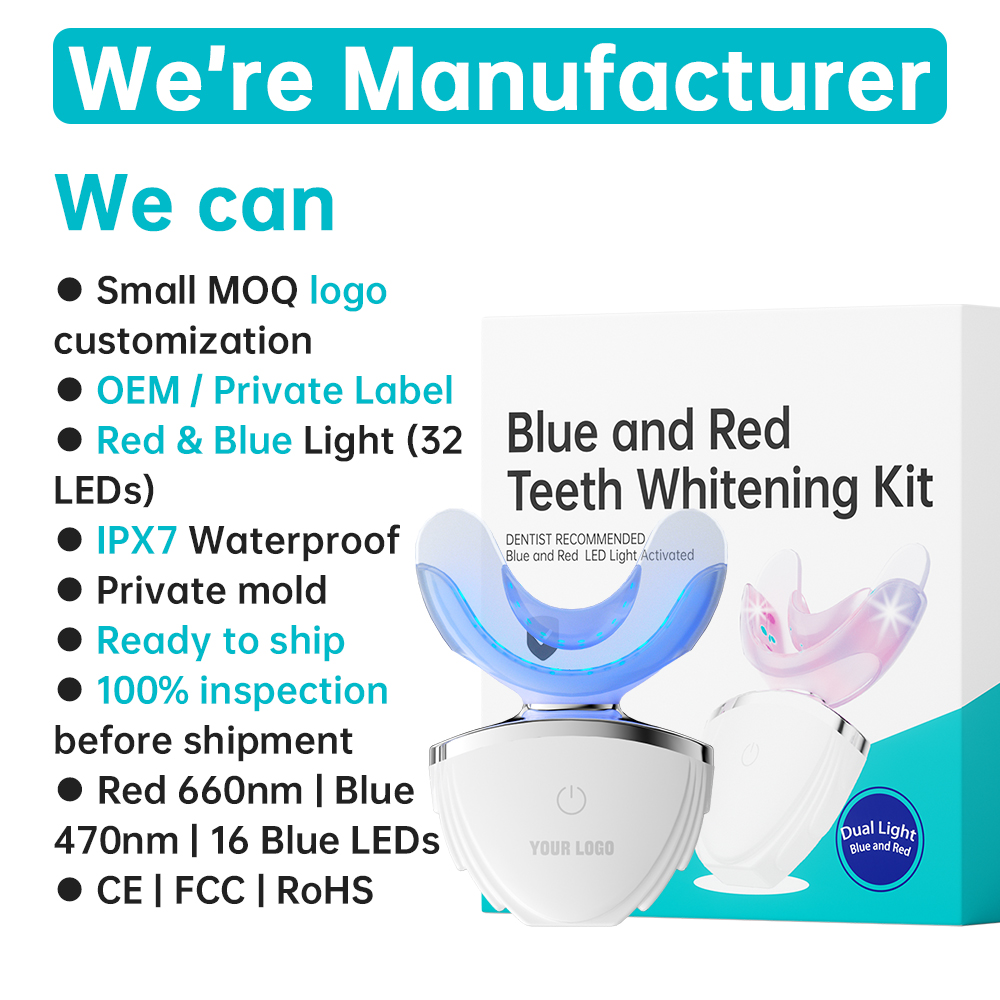
3-in-1 Teeth Whitening Device Wholesale | Multi-Mode LED Whitening System Supplier
Customized Sonic Toothbrush OEM Supplier for Global Brands
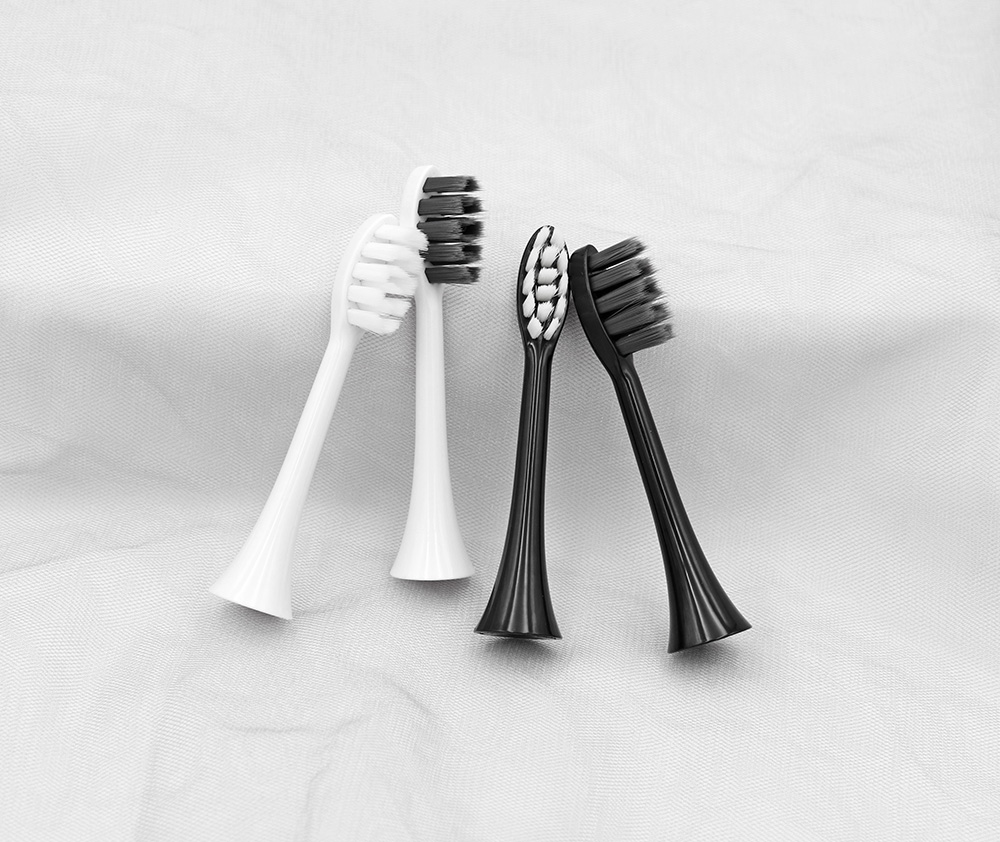
3-Month Brush Head Replacement Reminder: Why It Matters for brand owners
Can a Rechargeable Battery Solution power an LED Display Module efficiently in flossers?
Need Packaging Customization Service for Products Containing a Lithium Battery Pack?
Electric Toothbrush for Gum Recession – Soft Bristles & Pressure Control


.jpg)
.jpg)
.jpg)
.jpg)
.jpg)






.jpg)

.jpg)
.jpg)