Light decay is an often-overlooked problem in oral care devices that incorporate LED or laser-based whitening systems. But could it be responsible for triggering allergic dermatitis in end-users? Growing reports from clinical feedback suggest a potential correlation. This raises an urgent question for manufacturers: is the interaction between degrading light components and skin irritation actually a toxic threat?
Light decay refers to the gradual reduction in output intensity and spectral stability of light-emitting components:
This degradation is caused by:
The consequence? Shifted wavelengths and unwanted heat emissions during operation. Company web: https://www.powsmart.com/product/electric-toothbrush/
Allergic dermatitis manifests as skin redness, itching, or inflammation after exposure to certain allergens or irritants. In oral whitening systems, it may result from:
When light decay destabilizes emission properties, photobiological safety can no longer be assured, potentially leading to skin irritation even in previously unaffected users.
Unlike typical device wear, light decay can alter the emitted energy spectrum:
Both factors elevate the risk of allergic dermatitis, particularly in sensitive users. If decay by-products (e.g. cracked lens coatings) also enter contact zones, toxicological risks increase further.
To mitigate risks, manufacturers should:
Strict photobiological safety certification should be regularly renewed, not just certified at initial production.
Robust production control requires:
Adopting automated inspection for early detection of protects both product safety and brand reputation.
In conclusion, decay could indeed be contributing to allergic dermatitis in whitening device users—whether via phototoxic emissions or thermal skin exposure. While not inherently toxic, decayed light modules represent a hidden hazard if left unchecked.
Manufacturers serious about product safety must treat light stability as a core engineering priority, not an optional afterthought. Are your whitening systems safeguarded against spectral degradation? Contact our technical team to evaluate your light modules and optimize photobiological safety. Contact Kiwibird
-300x300.jpg)
-300x300.jpg)
.jpg)
Small-Batch Customization Orders: How Low MOQ Opens Doors for New Oral Care Brands
.jpg)
Occlusal Interference Plus Jaw Fatigue – Design Flaw?
Pressure Sensor Failure with Taste Distortion – Related?
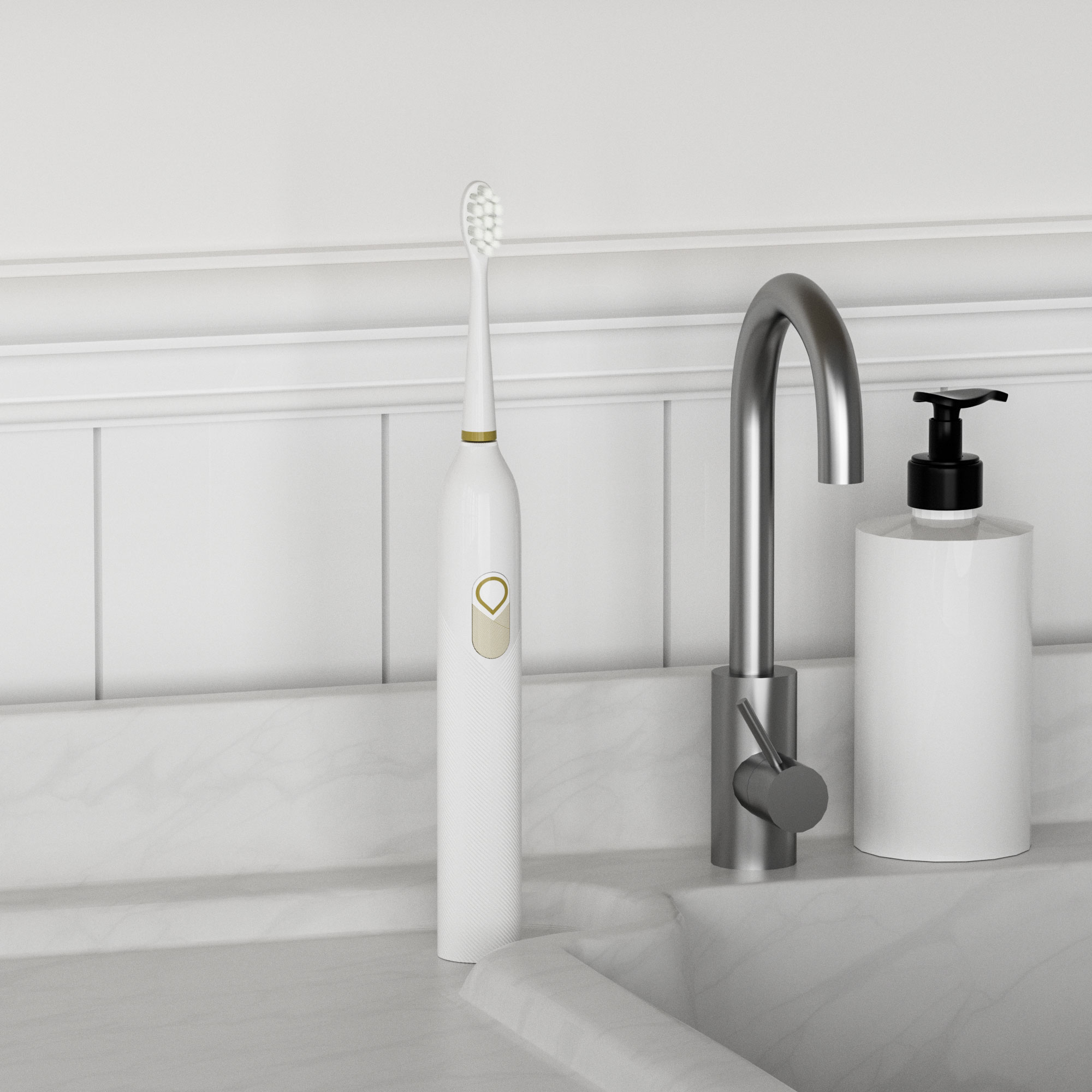
The proper way to use an electric toothbrush
Bristle Splaying Worsening Demineralization Zones – Negligence?

The importance of the roundness of toothbrush bristles
High After-Sales Costs: How They Cripple Oral Care Brand Profits & Reputation
Biofilm Regrowth Inducing pH Imbalance – Vicious Cycle?
.jpg)
How to Build a Differentiated Oral Care Brand?
Sync Disruption with Tray Deformation – Tech Failure?
.jpg)
Which Product Functions and Performances of Water Flossers Are Users Most Concerned About?

How Can You Turn Your Users into Loyal Users of Your Oral Care Brand?
Gel Crystallization with Gingival Discoloration – Alarming?
Swivel Blockage Leading to Saliva Depletion – Preventable?
Electric vs manual toothbrush: Which one is better for you?
What Competitive Oral Care Products Are Needed in the Highly Competitive Dental Care Market?


.jpg)
.jpg)
.jpg)
.jpg)
.jpg)