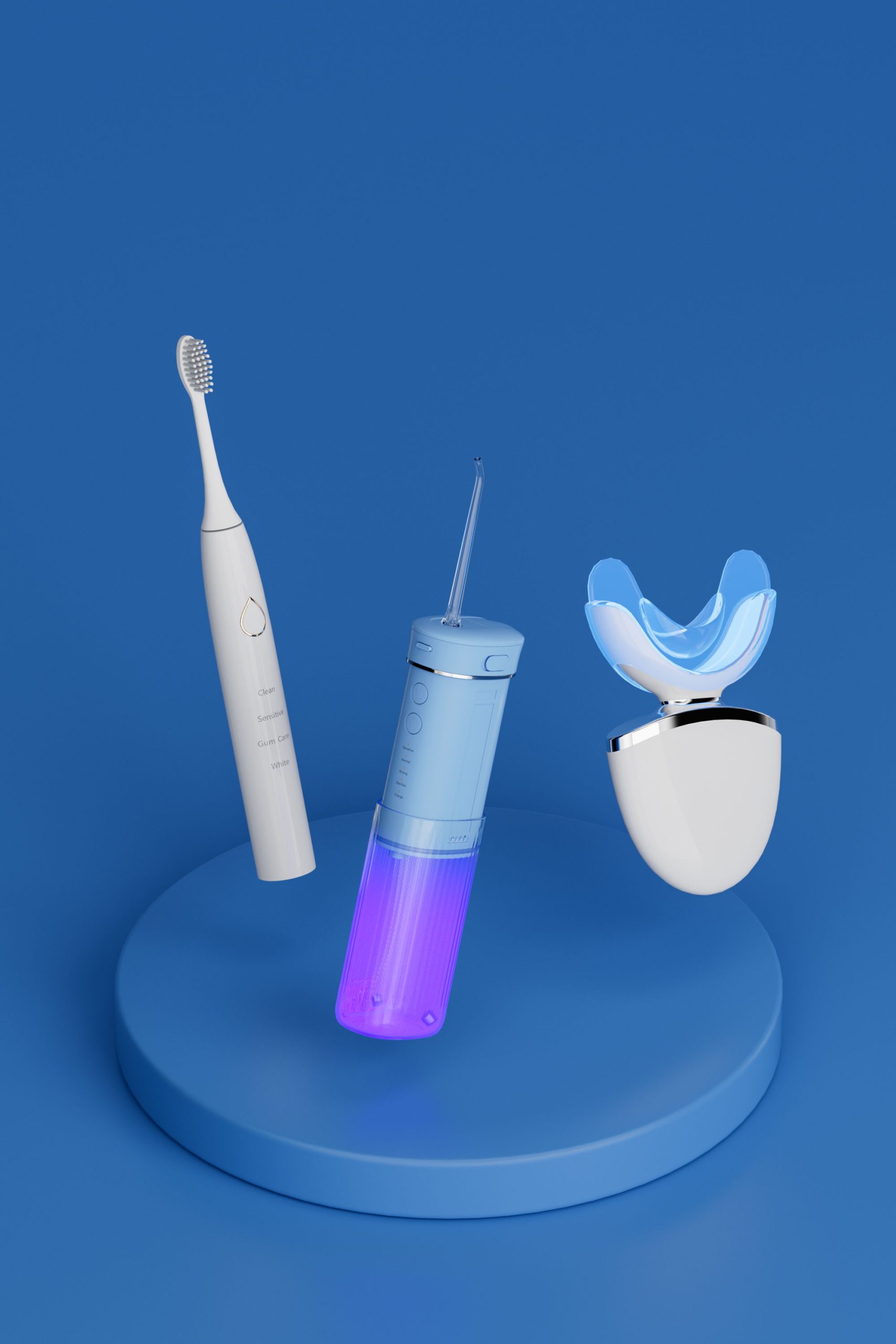
In oral care device manufacturing, exterior design is not only about appearance—it directly impacts usability, safety, and brand positioning. A precisely engineered Ergonomic Handle Mold becomes even more critical when combined with Anti-slip Grip Material, as both structural form and surface texture must work together. For OEM/ODM manufacturers, the synergy between mold design and grip material determines user comfort, production efficiency, and long-term product durability.
An Ergonomic Handle Mold shapes the core structure of the device, determining how naturally it fits into the user’s hand. When Anti-slip Grip Material is applied to this ergonomic contour, it enhances control without requiring excessive grip force.
This combination ensures:
Ergonomic geometry provides the foundation for grip performance.
Anti-slip Grip Material alone cannot guarantee stability if the underlying mold lacks proper curvature or finger placement zones. The Ergonomic Handle Mold must be designed with dedicated grip areas that optimize material adhesion and friction.
Design considerations include:
The mold determines how effectively the Anti-slip Grip Material performs in wet environments.
In electric toothbrushes and oral irrigators, waterproof performance is essential. The Ergonomic Handle Mold must accommodate over-molding or dual-shot injection processes when applying Anti-slip Grip Material.
This structural planning allows:
Proper mold design ensures material compatibility and structural integrity.
From a B2B perspective, an optimized Ergonomic Handle Mold simplifies mass production. Accurate mold tolerances improve the precision of Anti-slip Grip Material application, reducing production defects.
Manufacturing benefits include:
Efficient mold engineering improves overall cost control.
An Ergonomic Handle Mold enables creative branding opportunities. When paired with Anti-slip Grip Material in customized colors or textures, it enhances visual appeal while maintaining functionality.
This design flexibility supports:
Form and function together create stronger brand identity.
Oral care devices are frequently used in bathrooms where moisture is present. The combination of an Ergonomic Handle Mold and Anti-slip Grip Material significantly reduces accidental slips.
Safety advantages include:
Structural ergonomics directly influence everyday safety performance.
An optimized Ergonomic Handle Mold plays a foundational role when integrating Anti-slip Grip Material in oral care device manufacturing. While the grip material enhances surface friction, the mold defines comfort, stability, durability, and production efficiency.Contact us
Wireless vs. Magnetic vs. USB Charging for Electric Toothbrushes: Which One to Choose?
.jpg)
custom color electric toothbrush | Color Customization Electric Toothbrush OEM
How Brands Can Expand Oral Care Line with Competitive Water Flossers
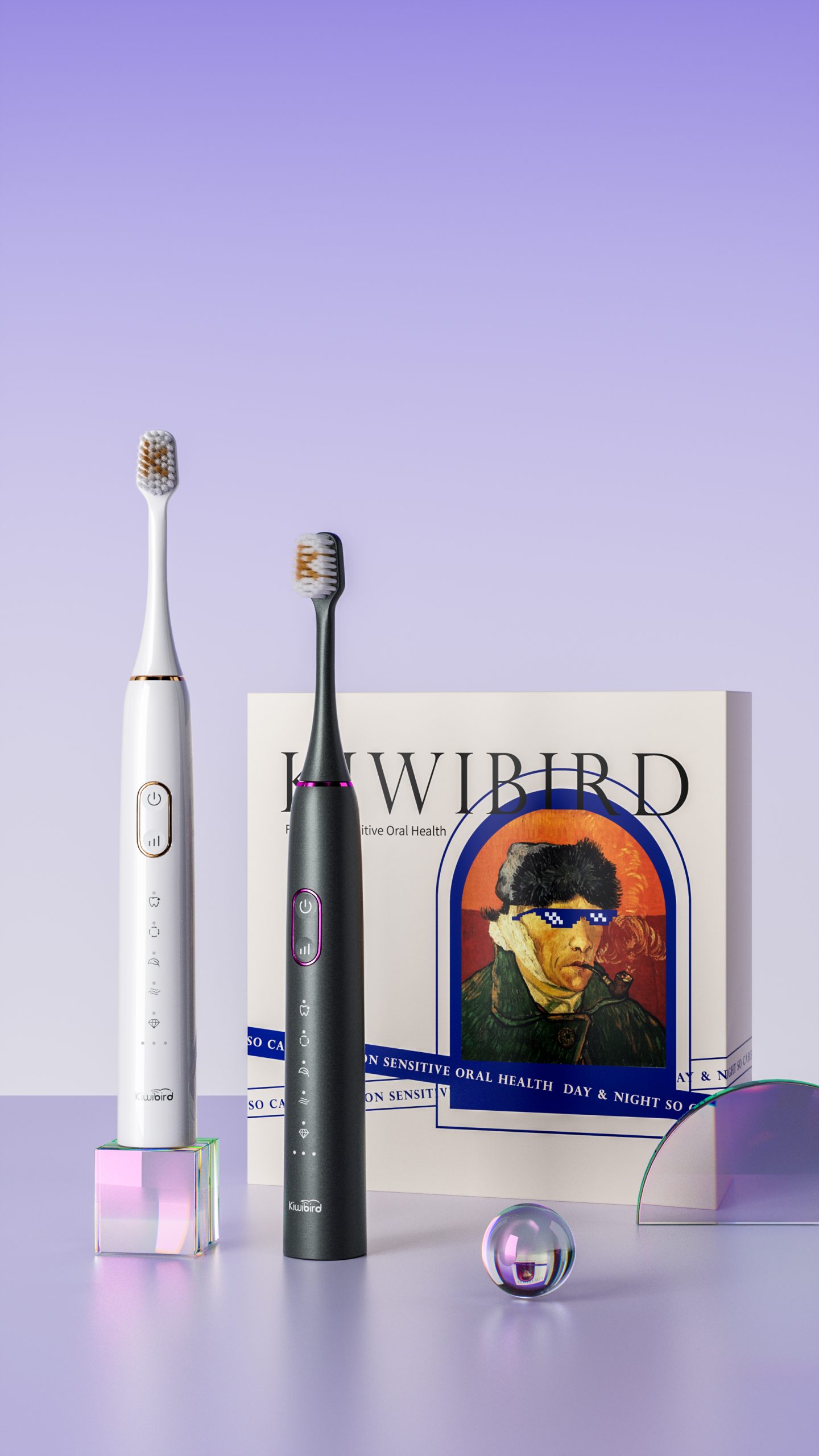
Does Non-Toxic Kids Brush OEM Risk Child Safety?
How Do Motor Noise and Pump Noise Disrupt User Experience?
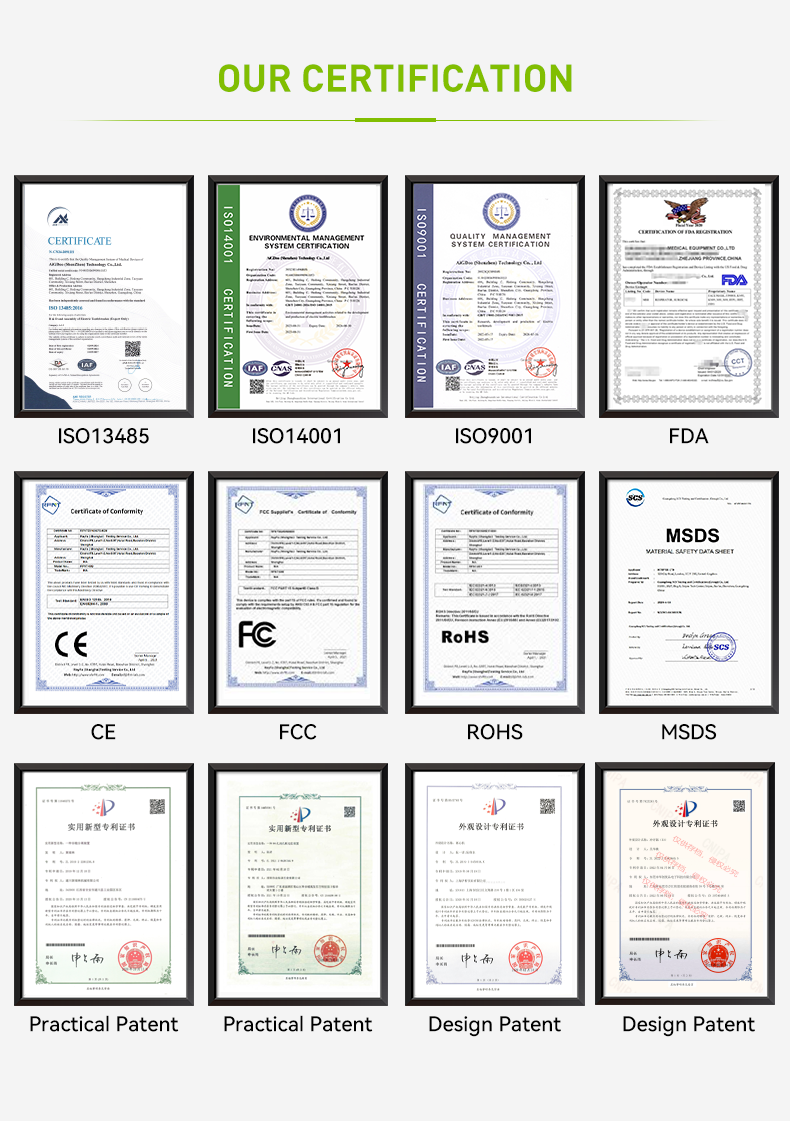
Why is Precision Nozzle Manufacturing Critical for an Effective Orthodontic Jet Tip?
Electric Toothbrush Brush Head OEM Solutions for Global Brands
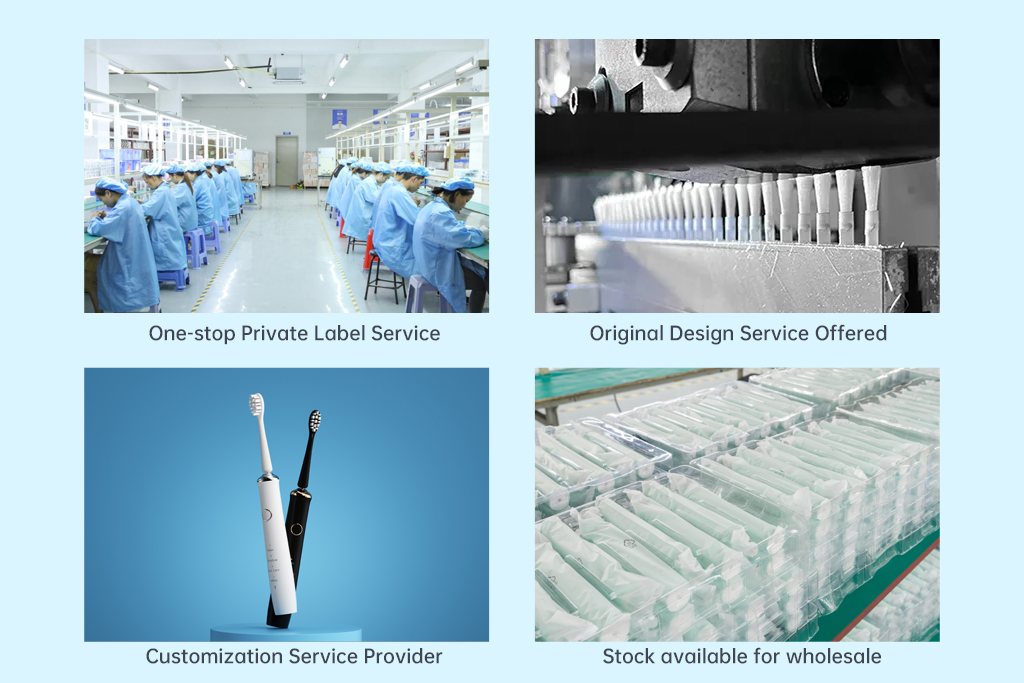
Targeting Niche Markets with Customized Oral Care: OEM Strategies for Brands
Is Your Motor Vibration Failure Causing Brush Head Detachment?
Sonic Toothbrush OEM Partner for Global Oral Care Brands
Can Brush Head Rotation Cause Enamel Erosion?
Premium electric toothbrush OEM China
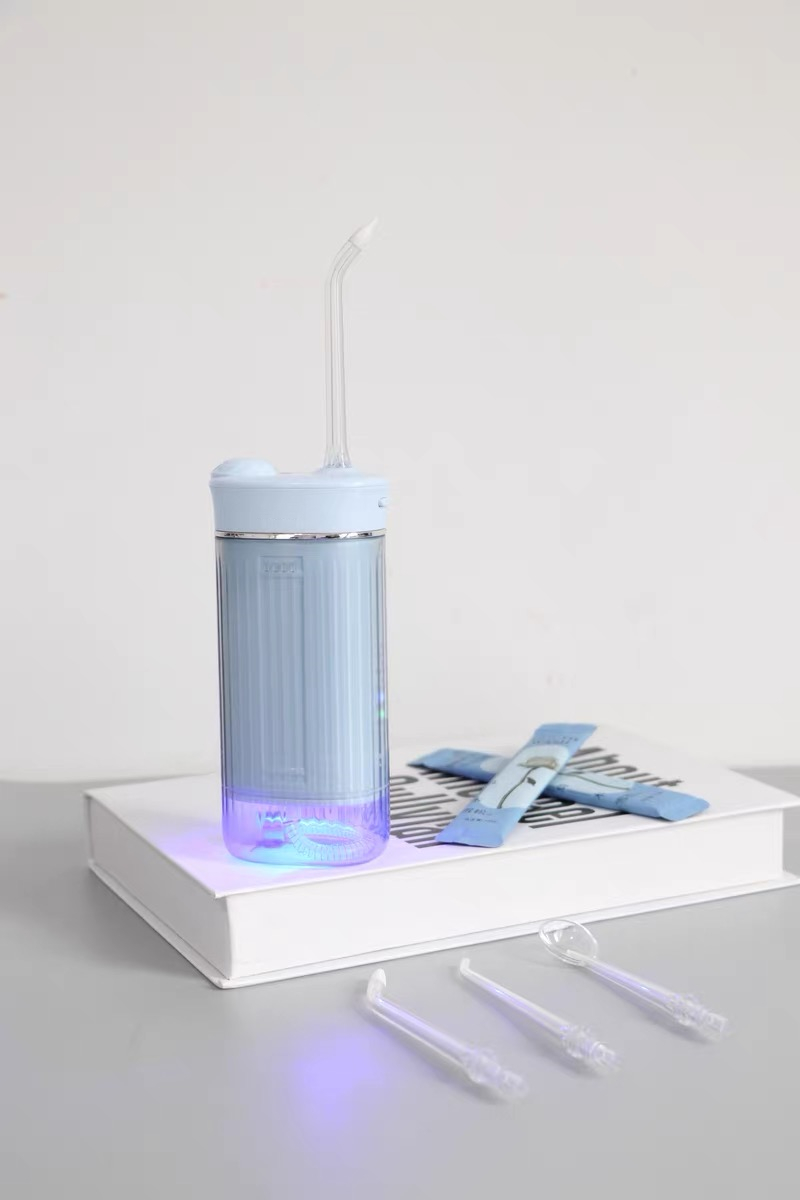
What Causes the Intermittent Water Flow When Using an Oral Irrigator?
Understanding and Treating Gum Bleeding problem When Brushing
.jpg)
Sourcing Water Flosser Manufacturers: Key Considerations for Oral Care Brands
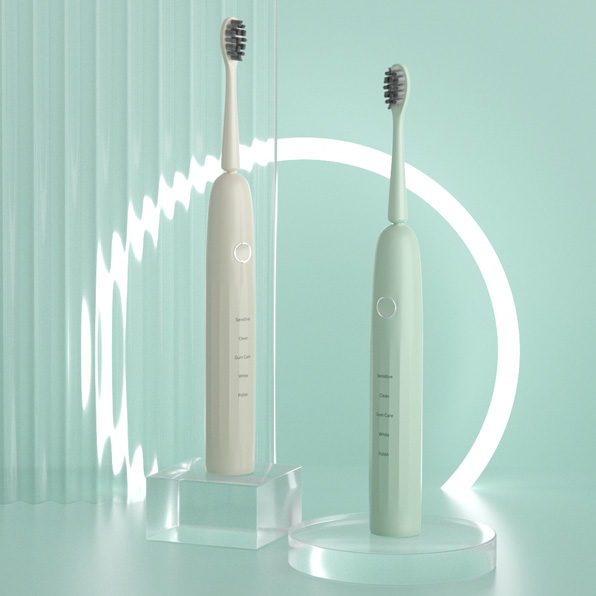
Is waterproof design important for your bathroom essential toothbrush?


.jpg)
.jpg)
.jpg)
.jpg)
.jpg)