When selecting an electric toothbrush, one often overlooked yet crucial factor is the charging method. Different charging options for electric toothbrushes impact convenience, durability, and overall user experience. The most common types include wireless charging, magnetic charging, and USB charging. Each of these methods has its advantages and potential drawbacks. This blog will provide an in-depth comparison of charging options for electric toothbrushes, helping manufacturers and consumers choose the most suitable option.
Wireless charging uses inductive technology to transfer power from a charging base to the toothbrush without the need for physical connectors.
Convenience: Simply place the toothbrush on the charging dock without plugging in cables.
Waterproof Design: Since no ports are needed, it enhances water resistance, reducing the risk of damage.
Aesthetic Appeal: A clean, minimalistic look without exposed charging points.
Slower Charging Speed: Compared to wired options, wireless charging may take longer.
Requires a Dedicated Charger: Users cannot use a universal charger, limiting portability.
Magnetic charging involves using a magnetically attached charging cable to transfer power efficiently. It is often used in high-end electric toothbrush models.
Secure and Stable Connection: The magnetic attachment ensures that the charging cable stays in place without easily disconnecting.
Faster Charging than Wireless: Magnetic charging typically offers quicker charging speeds than fully wireless methods.
Waterproof Design: Since there is no exposed port, it enhances water resistance.
Proprietary Charging Cables: Not all magnetic chargers are universal, requiring users to carry a specific charger.
Potential Wear and Tear: Over time, magnetic connectors may weaken due to frequent use.
USB charging is one of the most common methods, using USB Type-A, USB-C, or micro-USB ports to charge electric toothbrushes.
Universal Compatibility: USB charging allows users to charge their toothbrush using common adapters, power banks, or laptops.
Fast Charging: Many USB-charged electric toothbrushes offer quick charge functionality.
Portability: Ideal for travel, as no proprietary charging dock is required.
Exposed Ports: USB ports are more susceptible to water damage compared to wireless and magnetic options.
Cable Management: Users need to carry and store charging cables, which may tangle or get lost.
| Feature | Wireless Charging | Magnetic Charging | USB Charging |
| Charging Speed | Medium | Fast | Fast |
| Waterproof Design | Excellent | Excellent | Moderate |
| Portability | Limited (requires dock) | Moderate (requires specific cable) | High (universal cable) |
| Convenience | High | High | Medium |
| Compatibility | Low (proprietary dock) | Low (specific cable) | High (standard USB) |
Manufacturers should consider user preferences and use cases when selecting a charging option:
High-end models: Wireless charging is ideal due to its sleek design and waterproof advantage.
Mid-range products: Magnetic charging provides a balance between efficiency and waterproofing.
Budget-friendly and travel-friendly models: USB charging is the best option due to its universality and portability.
As technology advances, we may see faster wireless charging speeds, improved magnetic connectors, and USB-C becoming the standard for most portable devices. Additionally, sustainability efforts may drive the development of energy-efficient and eco-friendly charging solutions.
The right charging option for electric toothbrushes depends on the target market, user preferences, and intended price range. Whether it’s the convenience of wireless charging, the efficiency of magnetic charging, or the universality of USB charging, each method has its strengths and trade-offs. Manufacturers should evaluate their product strategy carefully to meet consumer expectations and enhance the overall user experience.
Would you like to discuss custom charging solutions for your electric toothbrush products? Contact us today to explore innovative charging technologies!https://www.powsmart.com/about-powsmart/
Does a Joint Venture Manufacturing Facility Require a Shared R&D Roadmap to Succeed?
How Do Salons Do the Whitening Teeth Products Business? An OEM Supplier’s Insight
Types of Irrigator Nozzles: Which Nozzle is the Best Choice?
.jpg)
Brush Head Blockage Causing Motor Stalling?
Electric Toothbrush Gift Set Supplier | Premium B2B Oral Care Gifts
Dentist Recommended Toothbrush Guide: Choose a Dentist-Approved Brush
High Frequency Sonic Toothbrush OEM
.jpg)
Queens toothbrush store — should it honor Long Island deals? A B2B Playbook for Seamless Cross-Borough Promotions
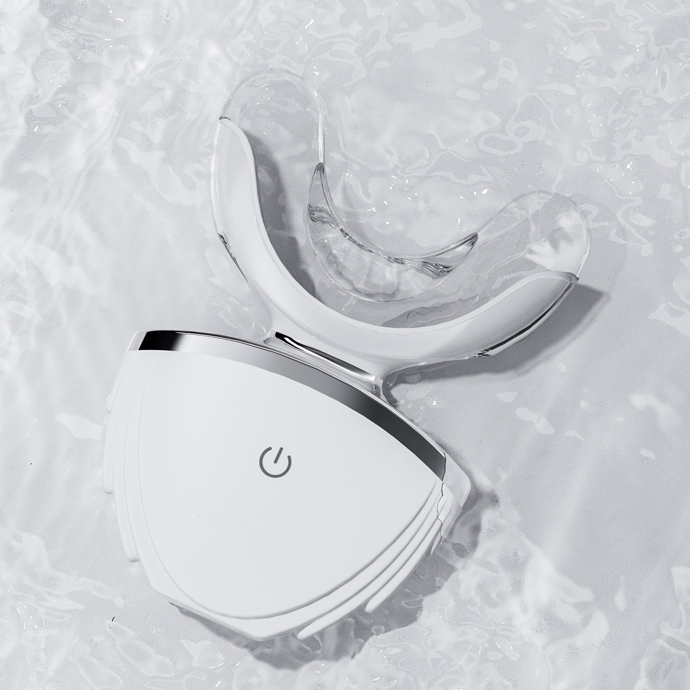
How Does LED Whitening Device Production Rely on Whitening Kit Component Suppliers?
Cola Teeth Whitening Guide | Soda Drinkers
Can a Rapid Whitening Agent Be Effective in a Non-peroxide Formula?
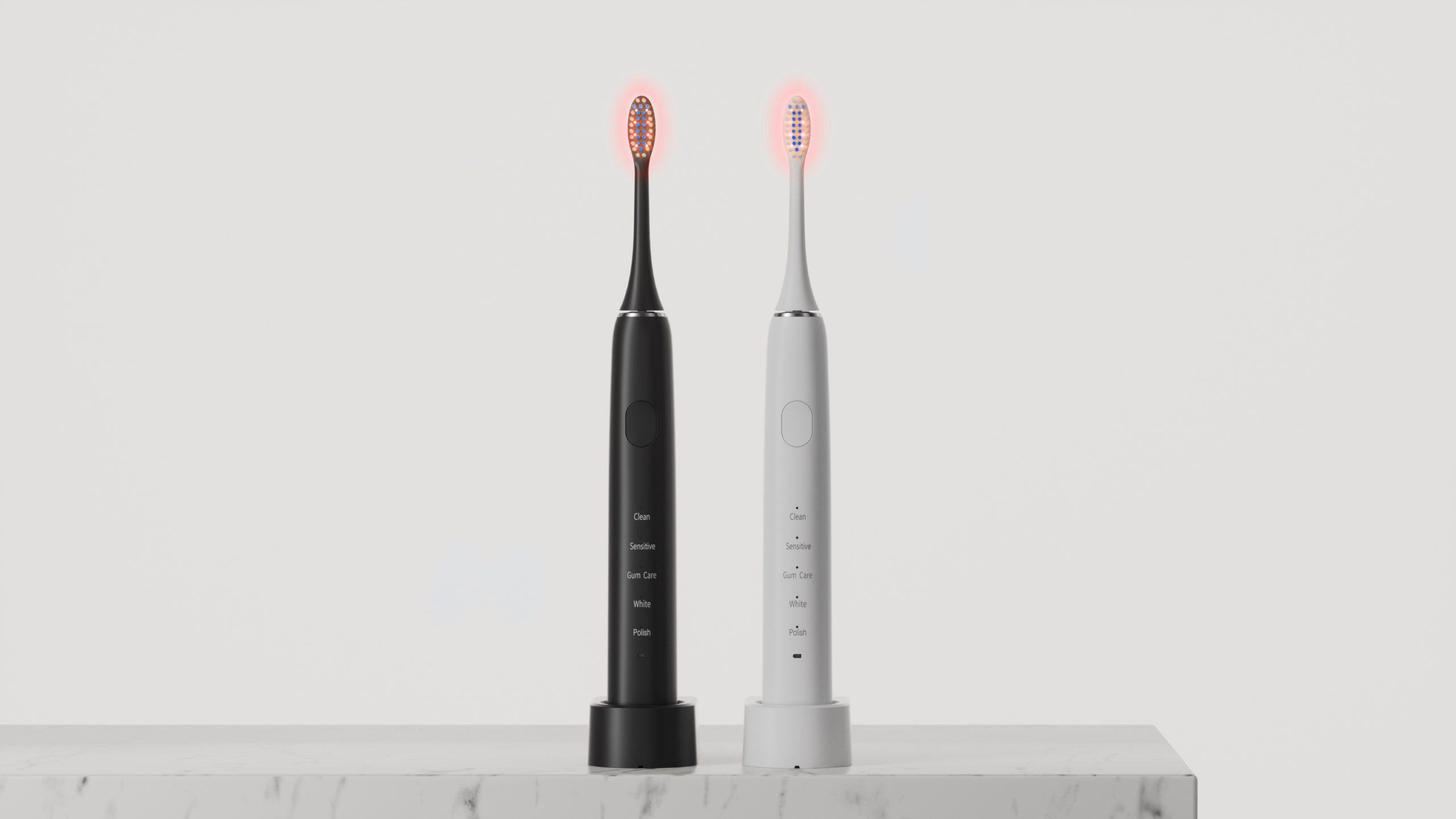
Custom Whitening Toothbrush OEM: Advanced Stain Removal Technology
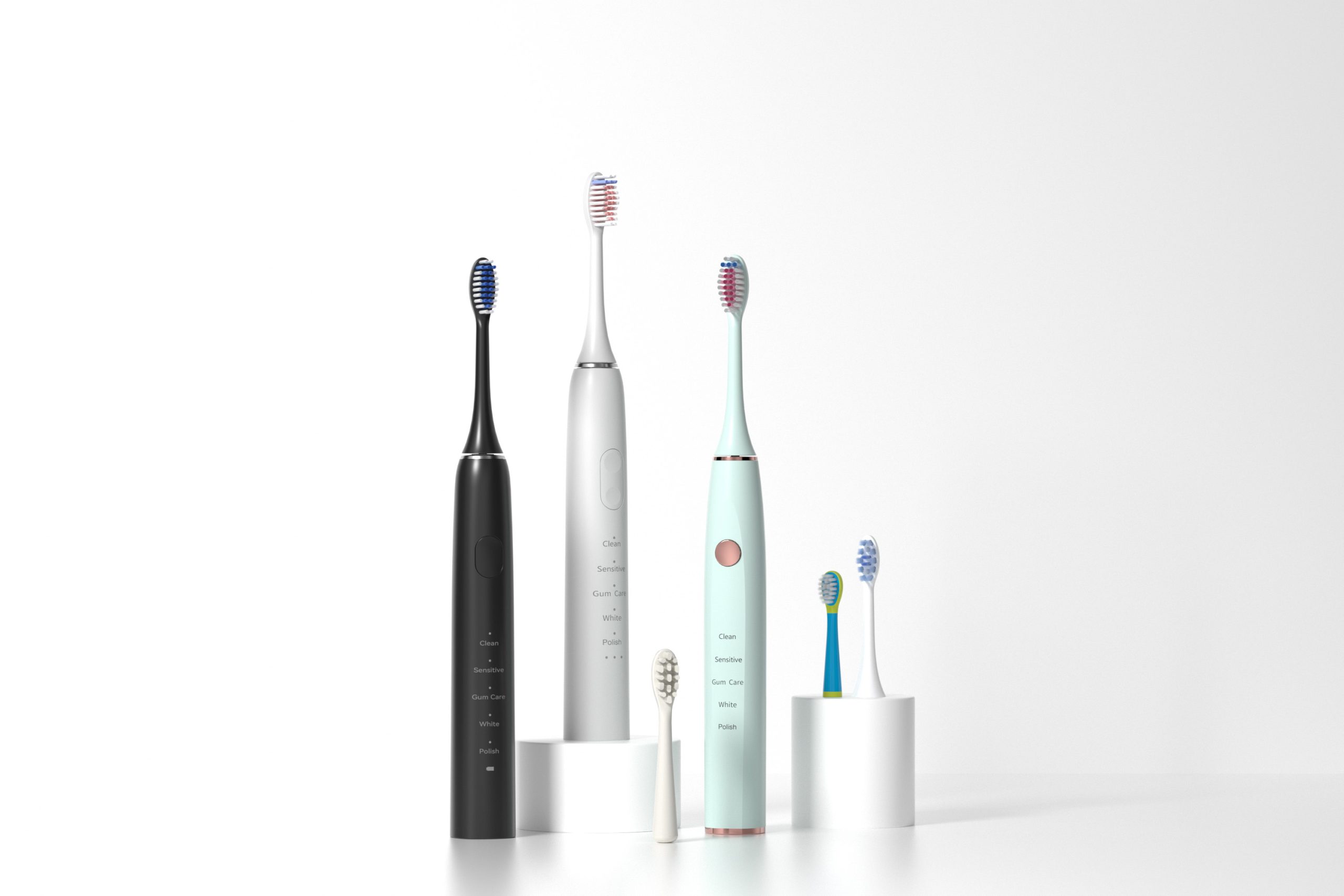
Can Waterproof IPX7 Design Protect a Hydro-dynamic Bearing in Humid Environments?
Large Tank Cordless Water Flosser – OEM Powerful Portable Oral Irrigator
Water Ingress Causing Motor Rust—How Serious Is It?
Can Head Loosening and Filter Fouling Reduce Cleaning Efficiency?


.jpg)
.jpg)
.jpg)
.jpg)
.jpg)






.jpg)
.jpg)

.jpg)