In advanced teeth-whitening systems, Light Diffusion Lens design plays a pivotal role in enhancing the Peroxide Decomposition Rate, which is directly linked to the effectiveness and safety of the whitening process. By optimizing light diffusion, manufacturers can ensure uniform light distribution.
Peroxide-based whitening gels, typically containing hydrogen peroxide or carbamide peroxide, work by releasing oxygen molecules that break down stains on the enamel surface. The Peroxide Decomposition Rate is crucial in determining how effectively these gels activate.
Light Diffusion Lenses are designed to disperse light evenly across the treatment area. This even distribution is key for maximizing the activation of peroxide molecules within the gel. By optimizing the lens design to achieve more uniform light exposure, manufacturers can directly influence the Peroxide Decomposition Rate.
Over-exposure to concentrated light can cause excessive heat buildup, which may accelerate peroxide breakdown unevenly and lead to discomfort or reduced gel effectiveness. By optimizing the Light Diffusion Lens to spread light more evenly, manufacturers can maintain a controlled environment.
When light not properly diffused, certain areas of the teeth may receive more intense exposure, while others remain inadequately treated. This uneven activation can lead to inconsistent whitening results. A well-designed Light Diffusion Lens ensures that the light energy distributed uniformly, optimizing the peroxide’s decomposition.
By optimizing the Peroxide Decomposition Rate through a well-designed light diffusion system, manufacturers can reduce the overall exposure time required to achieve desired whitening effects. This helps preserve the integrity of the whitening gel and reduces the potential for tooth sensitivity.
OEM and ODM buyers can explore different lens designs tailored to various whitening gel formulations or light sources (e.g., LED or UV). Optimizing the Light Diffusion Lens for specific Peroxide Decomposition Rates can provide a competitive edge.
Optimizing Light Diffusion Lens design based on the Peroxide Decomposition Rate is essential for improving the effectiveness and consistency of teeth-whitening systems. By ensuring even light distribution and controlled peroxide activation, manufacturers can deliver safer, more efficient. Contact us
.jpg)
.jpg)
.jpg)
Overbleaching Risk and Gum Recession – Fair Trade?

Are Silver Economy Solutions Effective Without Seamless Teledentistry Platform Integration?
Pregnancy Morning Sickness Oral Care: Gentle Toothbrush Guide
How Do Real-time Performance Monitoring Data Translate into Actionable Usage Pattern Insights?
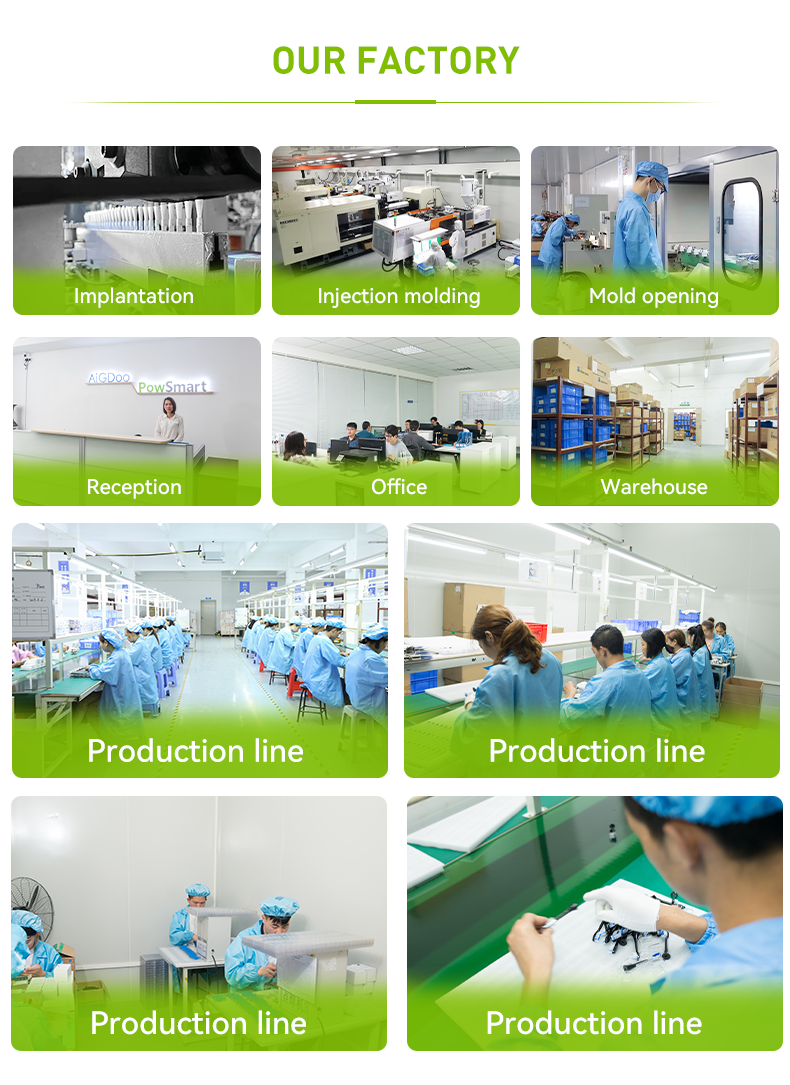
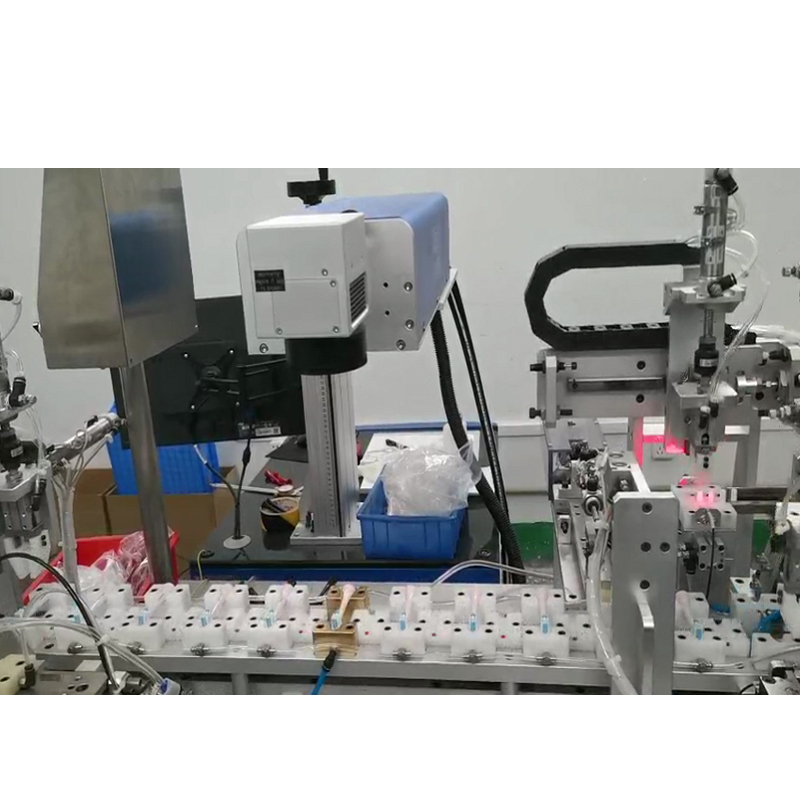
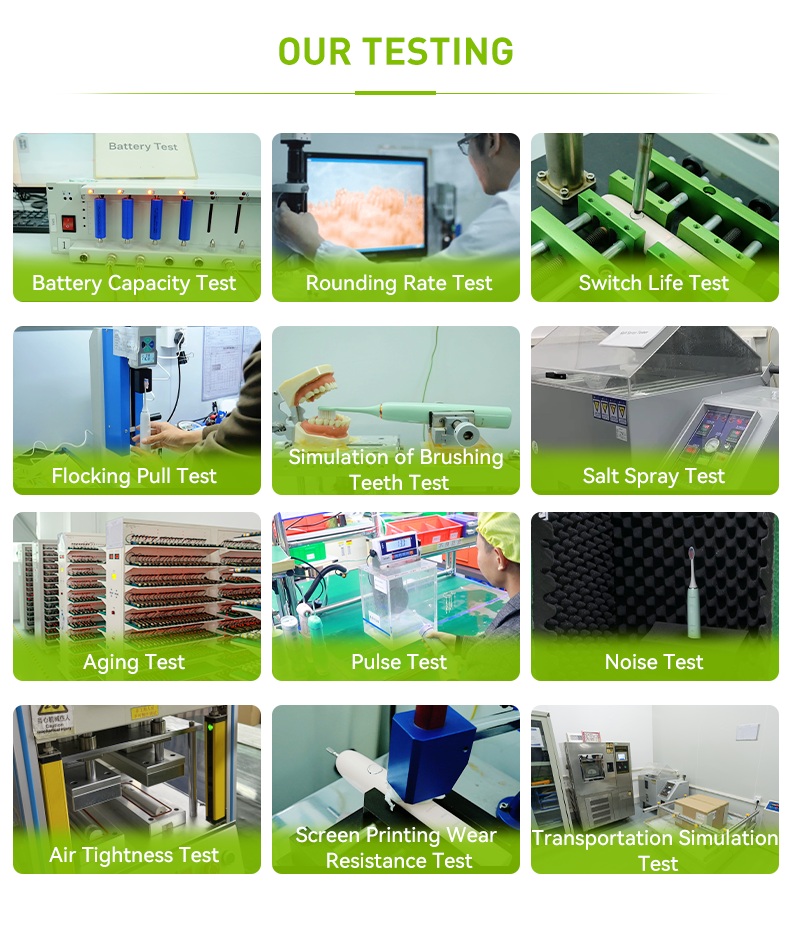
Electric Toothbrush Factory Capabilities
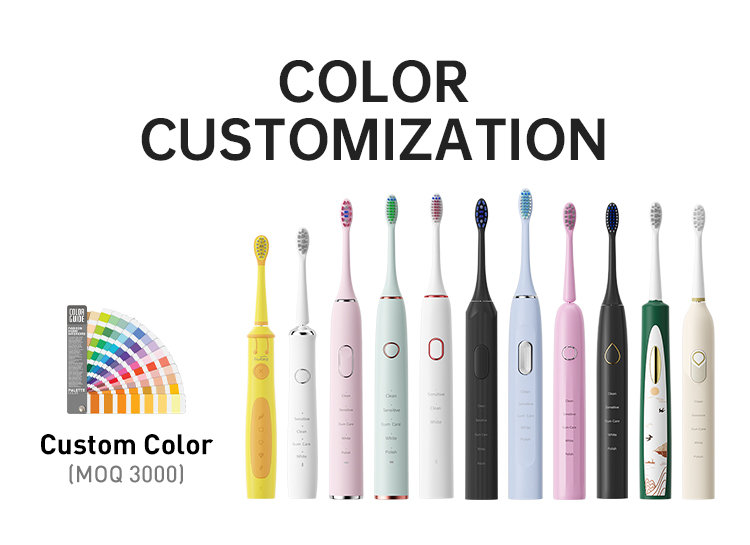
40000 VPM Sonic Toothbrush OEM Manufacturer
Dental Implants Water Flosser Guide: Protect Peri-Implant Health
Matcha Teeth Stains Guide | Green Tea
Could a Negotiation AI Agent Finalize Terms for Smart Contract Procurement Autonomously?
Romantic Teeth Whitening Guide | Valentine’s Day
.jpg)
Oral Care Market Trends 2025: Which High-demand Oral Care Products Are Most Worth Distributing?
Water Flosser Additive Safety Guide: Which Solutions Are Safe?
Portable Water Flosser Factory | Powsmart OEM
cranberry juice teeth staining: whitening care tips
Oral Microbiome Impact from Color Relapse?
Electric Toothbrush for Osteoporosis


.jpg)
.jpg)
.jpg)
.jpg)
.jpg)