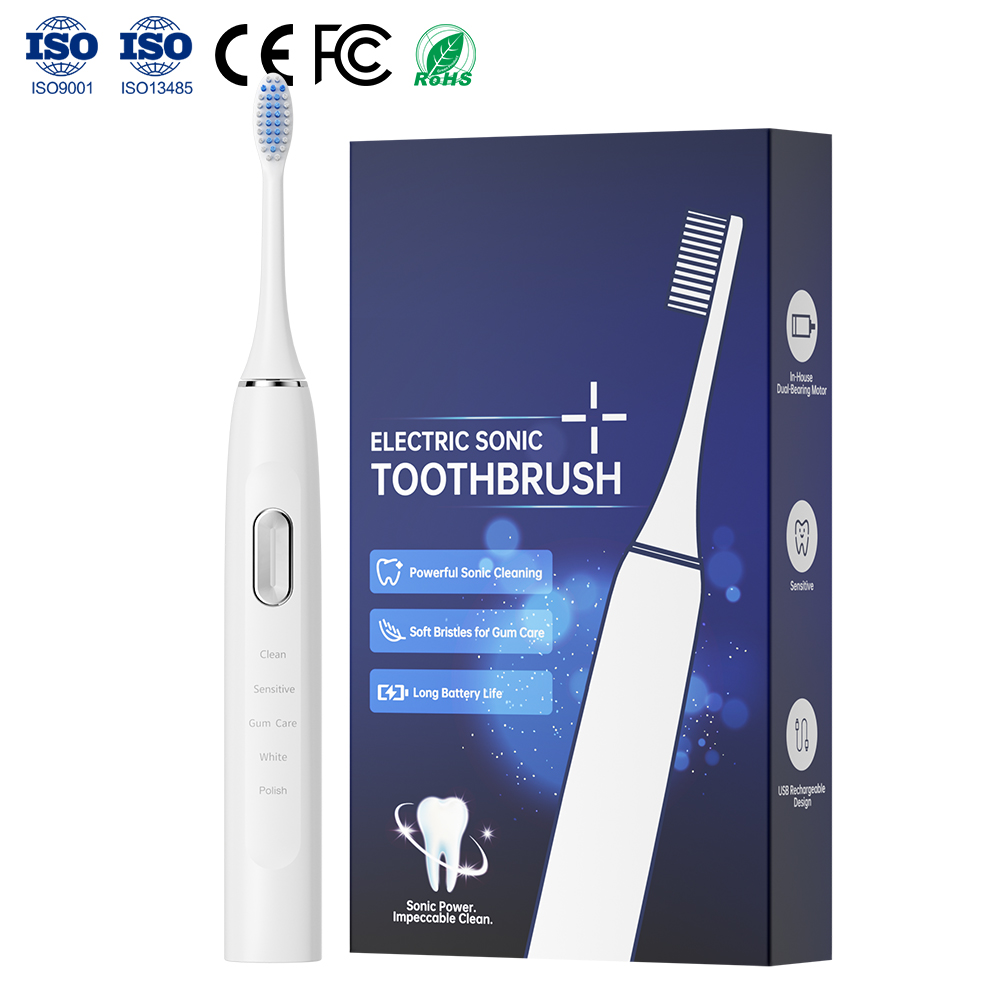
electric toothbrush motor type comparison OEM is a crucial topic for brands aiming to develop competitive oral care products. In modern product development, motor selection directly influences performance, durability, noise level, and user experience. Therefore, understanding different motor types is essential for OEM buyers and product managers.
Moreover, as the market becomes more competitive, choosing the right motor is no longer a technical detail. Instead, it is a strategic decision that affects brand positioning and customer satisfaction.
Traditionally, brushed motors have been widely used due to their low cost and simple structure. However, they tend to wear out faster because of physical contact between brushes and commutators.
In contrast, brushless motors offer longer lifespan and higher efficiency. Because there is no physical friction, durability is significantly improved. Additionally, noise levels are lower.
Furthermore, maglev motors represent a high-end solution. They provide ultra-smooth vibration and minimal noise. As a result, they are often used in premium products.
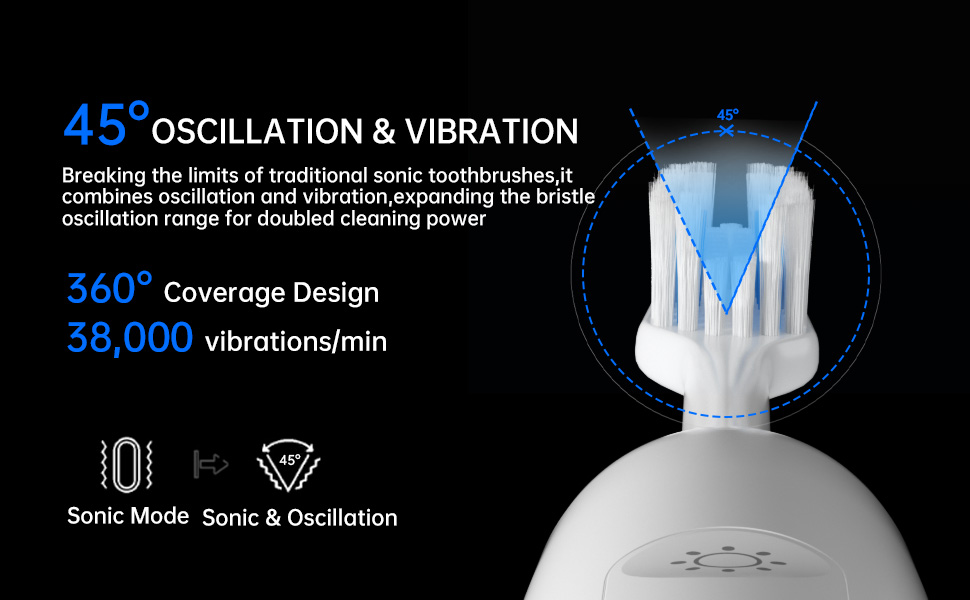
Sonic technology relies on high-frequency vibrations. This allows effective cleaning through fluid dynamics, not just direct contact.
First, vibration frequency determines cleaning efficiency. Higher frequencies generally lead to better plaque removal.
Secondly, motor lifespan is critical for long-term product reliability. Brushless and maglev motors outperform traditional options.
Additionally, quieter motors improve user experience. This is particularly important for premium positioning.
However, advanced motors come with higher costs. Therefore, brands must balance performance and budget.
Entry-level products may prioritize cost efficiency. In contrast, premium brands focus on performance and innovation.
Motor type can be used as a key selling point. For example, maglev motors can justify higher pricing.
Reliable suppliers ensure consistent motor quality and timely delivery.
Explore motor-driven product solutions:
https://www.powsmart.com/electric-toothbrush/
Industry dental standards:
https://www.ada.org
AI-driven motor control systems are emerging. These systems adapt vibration based on brushing habits.
Low-power motors are becoming more important due to sustainability concerns.
Consumers increasingly value quiet and smooth operation.
In summary, electric toothbrush motor type comparison OEM is essential for optimizing product performance and market competitiveness. By selecting the right motor, brands can enhance user experience and achieve long-term
Los Angeles Retailers Bulk Purchase PowSmart Electric Toothbrushes to Meet Diverse Consumer Needs
.jpg)
LED Sonic Toothbrush Manufacturer
What’s the Synergy Between a Neuromorphic Computing Chip and a Holographic User Interface?
High Frequency Sonic Toothbrush Technology
GERD Teeth Protection Guide: Brushing Strategies for Acid Reflux Sufferers
Runtime Shortening with Battery Memory – Related?
Is Kit Sterilization Validation Needed for a Device with a Cosmetic LED Array?
Advanced Sonic Toothbrush Technology OEM Supplier
IPX7 Waterproof Electric Toothbrush Supplier: OEM Manufacturing Solutions
Whitening Strips vs. LED Kits Comparison | Convenience, Cost, and Results
Denture Sore Mouth Toothbrush | Stomatitis
Can a Biocompatibility Test Report Be Synced via Dental Practice Management Software Sync?
Do Your Toothbrush OEM ODM Services Include Smart Toothbrush App Development?
What’s the Difference Between an Outcome-based Pricing Model and a Performance-based Contract for OEMs?
Can Equipment Financing for Practices Accelerate Regional Distributor Onboarding?
Small Batch Electric Toothbrush OEM for Flexible Brand Launch and Market Testing


.jpg)
.jpg)
.jpg)
.jpg)
.jpg)