electric toothbrush noise control solution is a critical factor in modern product design. As consumers become more sensitive to user experience, noise reduction is no longer optional. Instead, it is a key differentiator in competitive markets.
Moreover, quieter products are often associated with higher quality. Therefore, brands must prioritize noise control during development.
The motor is the primary source of sound. Mechanical friction and vibration generate noise.
Additionally, internal components can amplify sound through resonance.
Material choice affects sound absorption. Hard plastics may increase noise reflection.
Using brushless or maglev motors reduces mechanical friction.
Optimizing internal layout minimizes vibration transmission.
Rubber dampening components can absorb vibration effectively.
Tight tolerances reduce unwanted movement and noise.
Quiet operation supports premium branding.
Users prefer products that are comfortable and non-intrusive.
Noise reduction can be highlighted as a unique selling point.
Noise-optimized products:
https://www.powsmart.com/sonic-electric-toothbrush/
Global health organization:
https://www.who.int
Advanced engineering is pushing products toward near-silent operation.
Audio feedback is being replaced with visual or haptic signals.
Noise reduction often aligns with energy-efficient design.
Advanced noise control increases production costs.
Achieving low noise requires precise design and testing.
Maintaining low noise across batches is challenging.
Ultimately, electric toothbrush noise control solution plays a vital role in enhancing product quality and user satisfaction. By investing in noise reduction technologies, brands can strengthen their competitive advantage.
.jpg)
Soft Filament Electric Toothbrush Manufacturer
Custom Electric Toothbrush Manufacturer China: Scalable OEM Solutions for Brands

The process of brand owners customizing OEM whitening teeth Kit
Mucosal Irritation with Chemical Residues – Toxic?
Waterproof Electric Toothbrush Supplier
Red Blue LED Teeth Whitening Kit Manufacturer
IPX7 Electric Toothbrush OEM
Toothbrush Sanitizing Methods Compared: Find the Most Effective Way
Water Flosser Child Age Recommendations: When to Start Flossing
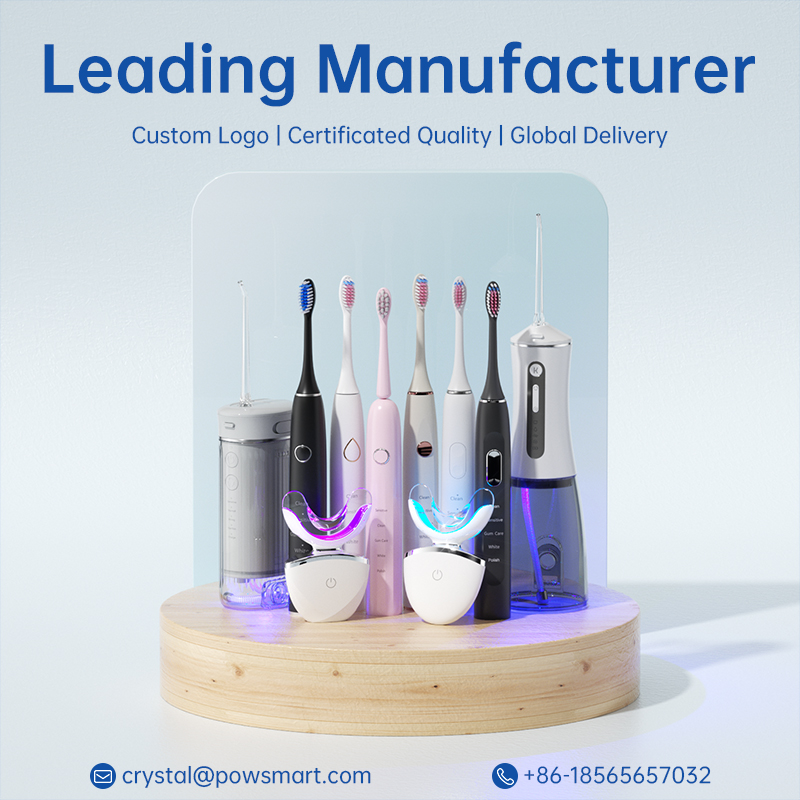
Integrating the Best Light Therapy for Mouth into Your OEM Oral Care Products
Overbleaching Risk and Gum Recession – Fair Trade?
nicotine teeth whitening guide: smoker solutions
Benign Blood Vessel Flosser | Oral Hemangioma
Does the Design of a Water Reservoir Cap Affect Its Fit in a Travel Flosser Case?
High Frequency Vibration Toothbrush Supplier
Gel Leakage Plus Enamel Erosion – Double Damage?


.jpg)
.jpg)
.jpg)
.jpg)
.jpg)