An Outcome-based Pricing Model links payment to achieved business results. A Performance-based Contract ties compensation to defined performance metrics. Both models align incentives differently. This blog explains key differences.
An Outcome-based Pricing Model pays for final results achieved. A Performance-based Contract pays for meeting specific performance indicators. The focus differs. This affects risk distribution.
Success definitions vary between models. An Outcome-based Pricing Model measures outcomes like ROI or efficiency gains. A Performance-based Contract tracks operational metrics. This changes evaluation methods.
Risk sharing is structured differently. An Outcome-based Pricing Models places higher risk on suppliers. A Performance-based Contract shares risk more evenly. This impacts negotiation strategy.
Implementation difficulty can vary. An Outcome-based Pricing Models requires clear outcome tracking systems. A Performance-based Contract uses predefined KPIs. This affects setup complexity.
Business needs change over time. An Outcome-based Pricing Models may require adjustments as goals evolve. A Performance-based Contract allows KPI updates. This influences contract flexibility.
Different models suit different use cases. An Outcome-based Pricing Models works for innovation-driven projects. A Performance-based Contract fits stable operations. This guides model selection.
Understanding the difference between an Outcome-based Pricing Models and a Performance-based Contract helps OEMs align incentives and manage risk. Each model offers unique advantages. Choosing the right approach supports long-term business success. Contact us
.jpg)
Natural Teeth Whitening Remedies Review: Separate Helpful from Harmful
Electric Toothbrush MSDS Battery Document Supplier: OEM Compliance and Export Guide
sonic toothbrush manufacturer
Can Equipment Financing for Practices Accelerate Regional Distributor Onboarding?
Need a Subscription Refill Management Platform That Handles Oral Care Sample Pack Fulfillment?
Why Use a Ceramic Bearing Motor with a Submersible Solenoid Valve in a Flosser?
Does the Design of a Water Reservoir Cap Affect Its Fit in a Travel Flosser Case?
Dry Mouth Medications Toothbrush Guide: Protect Teeth from Drug-Induced Dryness
Bad Breath Water Flosser Solution: Beat Halitosis with Water Flossing
Gel Crystallization with Gingival Discoloration – Alarming?
Does Teeth Whitener Cold Light Radiation Accelerate Enamel Demineralization? Lab Results Revealed!
Tongue Numbness After Hydrogen Peroxide Burns – Normal?
Portable Teeth Whitening Kit Manufacturer
dental fluorosis whitening guide: spot treatment
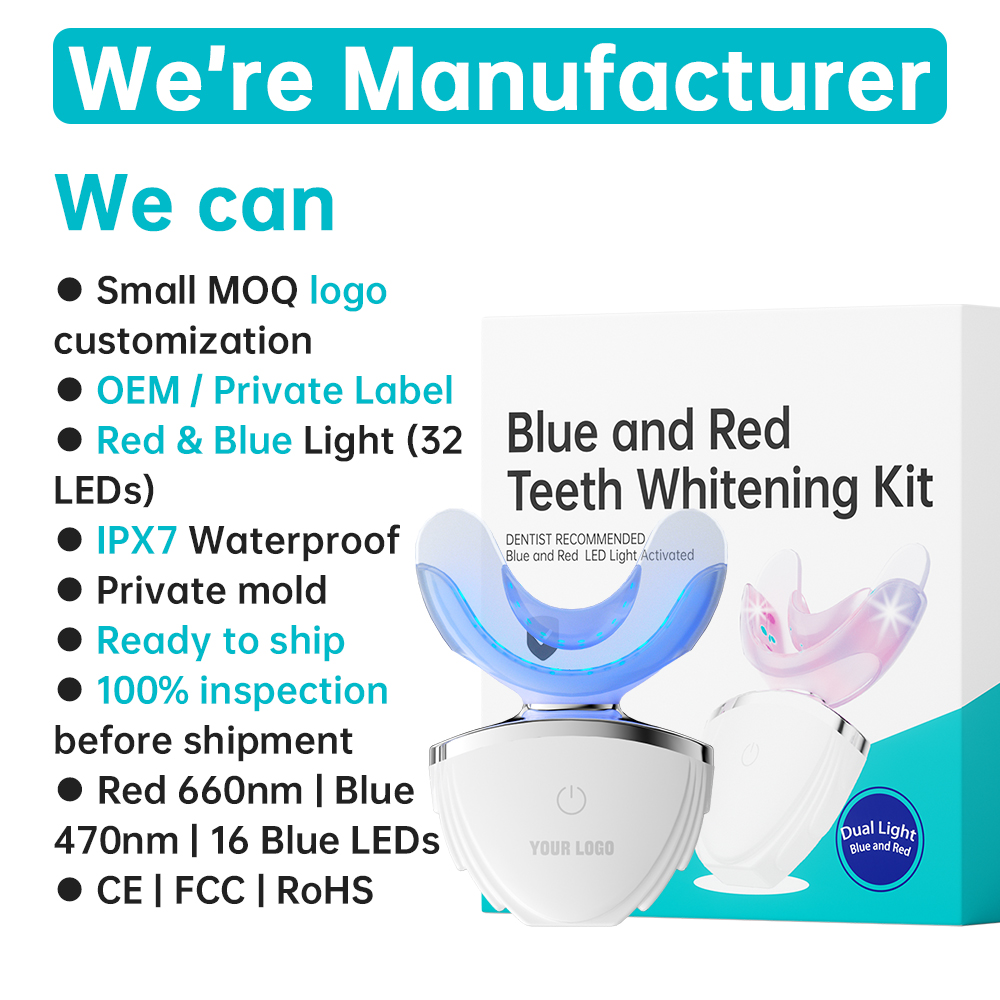
Interested in a Revenue Sharing Partnership to Launch a Micro-current Skin Tightening Device?
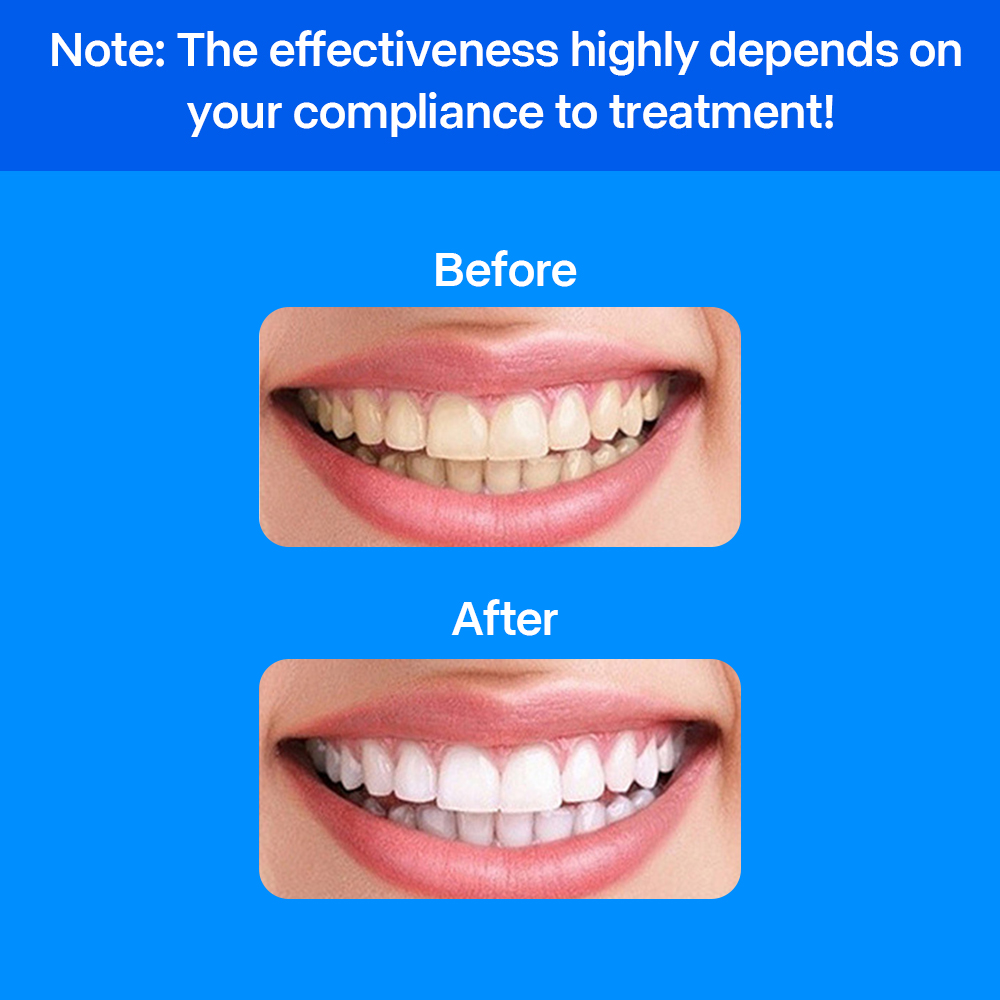
Are the effects of cold light teeth whitening permanent?


.jpg)
.jpg)
.jpg)
.jpg)
.jpg)






.jpg)
.jpg)