
electric toothbrush LVD compliance manufacturer selection plays a critical role in ensuring product safety and successful entry into the European market. The Low Voltage Directive (LVD) focuses on electrical safety, making it essential for all powered oral care devices.
LVD (Low Voltage Directive) applies to electrical equipment operating within specific voltage ranges. Although electric toothbrushes typically operate at low voltage, compliance is still required due to charging systems and internal circuits.
Furthermore, LVD ensures that products are safe for users under normal and foreseeable conditions.
For OEM buyers, LVD compliance provides multiple benefits.
First, it is mandatory for CE marking in Europe. Without it, products cannot legally enter the EU market.
Second, it enhances consumer trust by ensuring safety.
In addition, distributors and retailers often require proof of compliance before cooperation.
To meet LVD standards, products must address several safety aspects:
Moreover, testing must confirm that products perform safely over time.
For official guidance:
EU Low Voltage Directive Overview
From a manufacturing perspective, compliance should be integrated into design.
For example:
Additionally, charging systems must meet strict safety requirements.
You can review compliant product structures here:
Electric Toothbrush Manufacturing Capabilities
Typically, LVD compliance involves:
After testing, documentation is compiled into a technical file.
Furthermore, manufacturers must issue a Declaration of Conformity.
However, some brands encounter issues such as:
As a result, certification may be delayed.
A qualified manufacturer usually:
In addition, experienced suppliers help brands avoid common pitfalls.
In summary, electric toothbrush LVD compliance manufacturer selection is essential for ensuring safety and achieving CE certification. By integrating compliance into design and working with reliable OEM partners, brands can successfully enter and compete in the European market.
.jpg)
Electric Toothbrush Subscription Service OEM | Recurring Revenue Model for Oral Care Brands
How Does Accelerometer-based Feedback Integrate with a Pressure-sensitive Matrix for Smart Brushing?
Herbal toothbrush India or Natural bristle toothbrush — which is safer for electric brush programs?
Whitening for Holiday Photos | Holiday Smile Whitening Timeline
.jpg)
How Boston app toothbrush tech elevates your Boston smart toothbrush routine?
Voltage Tripping and Sterilizer Corrosion Hindering Exports?

What Services Can Electric Toothbrush Manufacturers Provide in Terms of After-Sales Service for Their Products?
How to Optimize Jet Instability and User Discomfort?
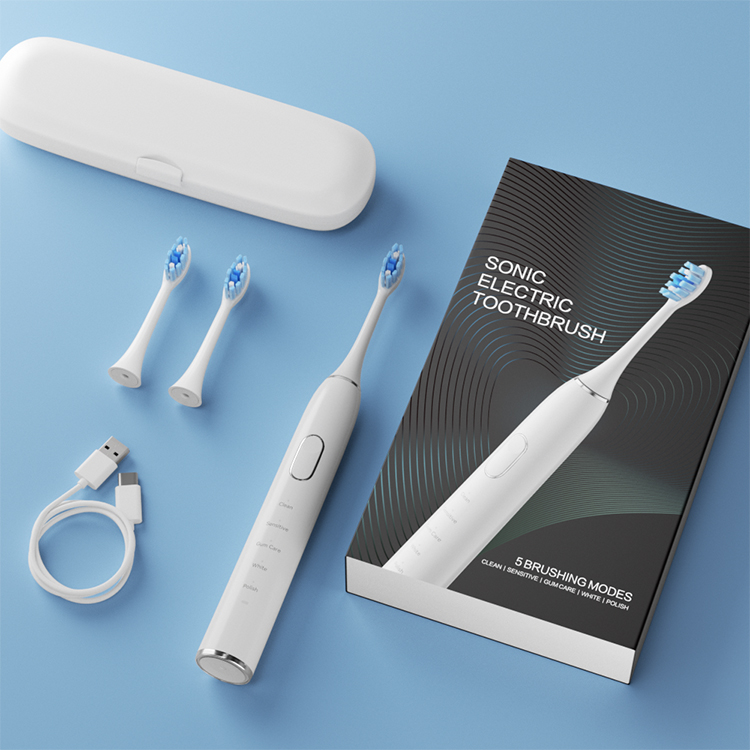
How Does Expert Electric Toothbrush Mold Design Benefit a Custom Toothbrush Factory?
Blue Light Electric Toothbrush Manufacturer: Advanced Antibacterial Technology
.jpg)
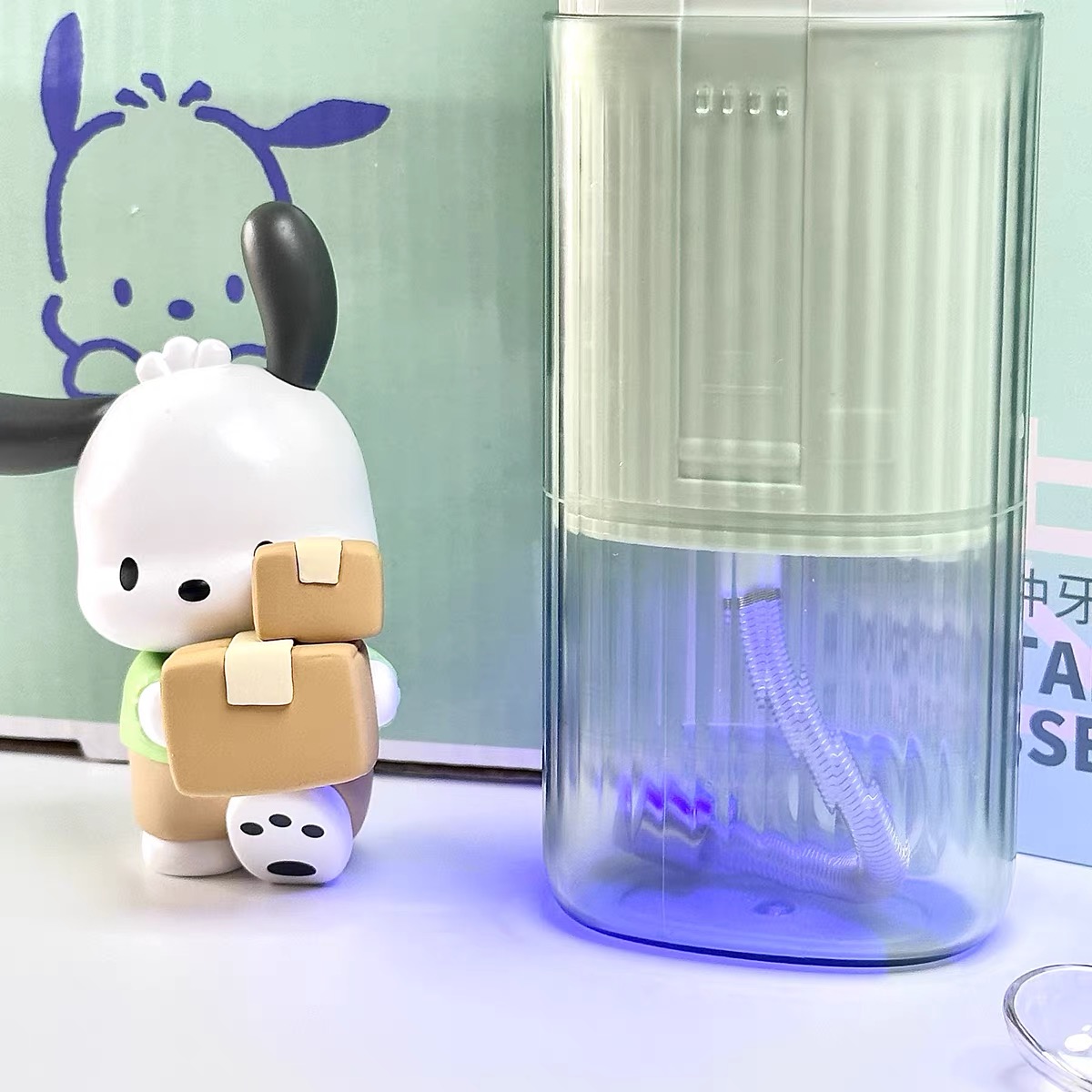
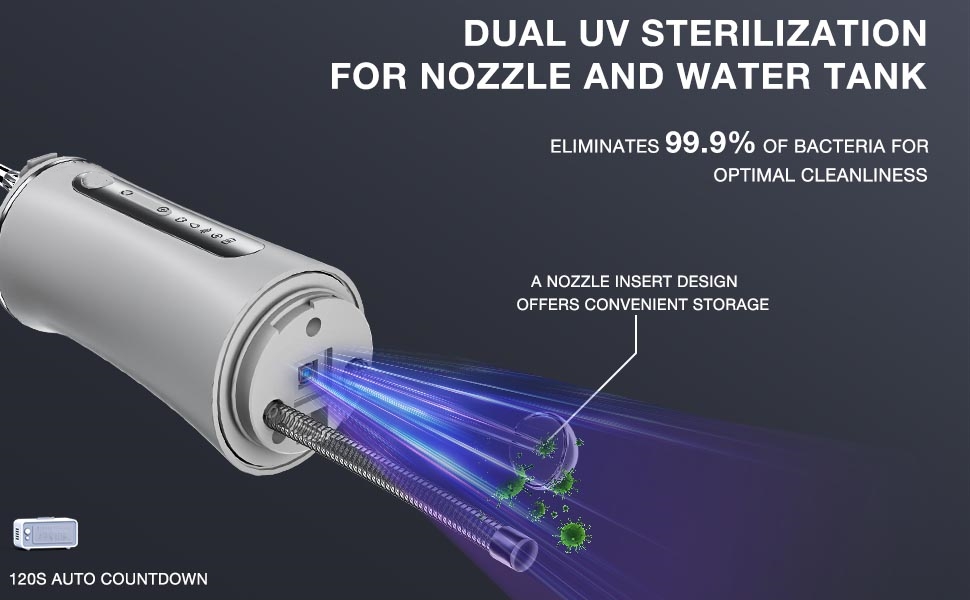
Ultraviolet sterilizing oral irrigator: Becoming the New Market Favorite?

Does Your Dental Hygienist Recommendation Program Include a Patient Education Materials Package?
.jpg)
How Does a Thermochromic Indicator Provide Safety With an Oral Mucosa Barrier in Whitening Gels?
Electric Toothbrush Vibration Performance OEM: Engineering & Optimization
.jpg)
Powsmart Electric toothbrush Factory Alabama
White Patches Water Flosser | Leukoplakia Care


.jpg)
.jpg)
.jpg)
.jpg)
.jpg)




.jpg)
.jpg)