
electric toothbrush EMC testing OEM is a crucial step for brands aiming to ensure product stability, safety, and regulatory compliance across global markets. Without proper electromagnetic compatibility testing, even well-designed products may fail certification and face market entry barriers.
To begin with, EMC (Electromagnetic Compatibility) testing evaluates whether a product can operate without causing or being affected by electromagnetic interference. In the case of electric toothbrushes, this becomes especially important due to integrated motors, charging systems, and circuit boards.
Moreover, modern consumers expect reliable performance even in environments with multiple electronic devices. Therefore, EMC testing ensures that toothbrushes function consistently in real-life usage scenarios.
For B2B buyers, EMC compliance is not just a regulatory requirement. Instead, it directly impacts product quality and brand reputation.
For instance:
As a result, working with experienced OEM suppliers significantly reduces risks.
Different regions apply different EMC standards. However, some widely recognized ones include:
In addition, test reports must be issued by accredited laboratories.
For detailed EMC information:
International Electrotechnical Commission EMC Standards
Typically, the EMC testing process involves several stages.
First, pre-compliance testing is conducted during product development. Then, formal testing is carried out in certified labs.
The process includes:
Furthermore, design adjustments may be required if initial results do not meet standards.
To improve pass rates, manufacturers must consider EMC requirements during design.
For example:
Additionally, charging circuits must be carefully designed to avoid emission issues.
You can explore optimized designs here:
Electric Toothbrush Engineering Solutions
However, many brands face challenges such as:
Consequently, project timelines may be extended.
A reliable OEM partner typically:
Moreover, experienced suppliers integrate EMC considerations early in development.
In conclusion, electric toothbrush EMC testing OEM is a fundamental requirement for global market entry. By combining proper design, early testing, and experienced manufacturing support, brands can ensure compliance, reduce risks, and achieve long-term success.
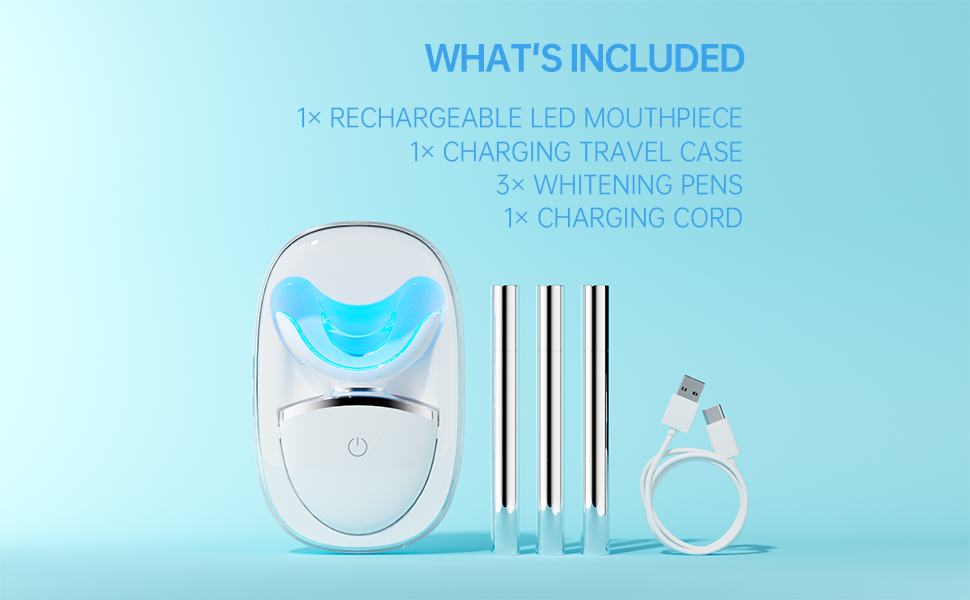
Combining LED Light & Whitening Strips: Next-Generation OEM Teeth Whitening Solutions
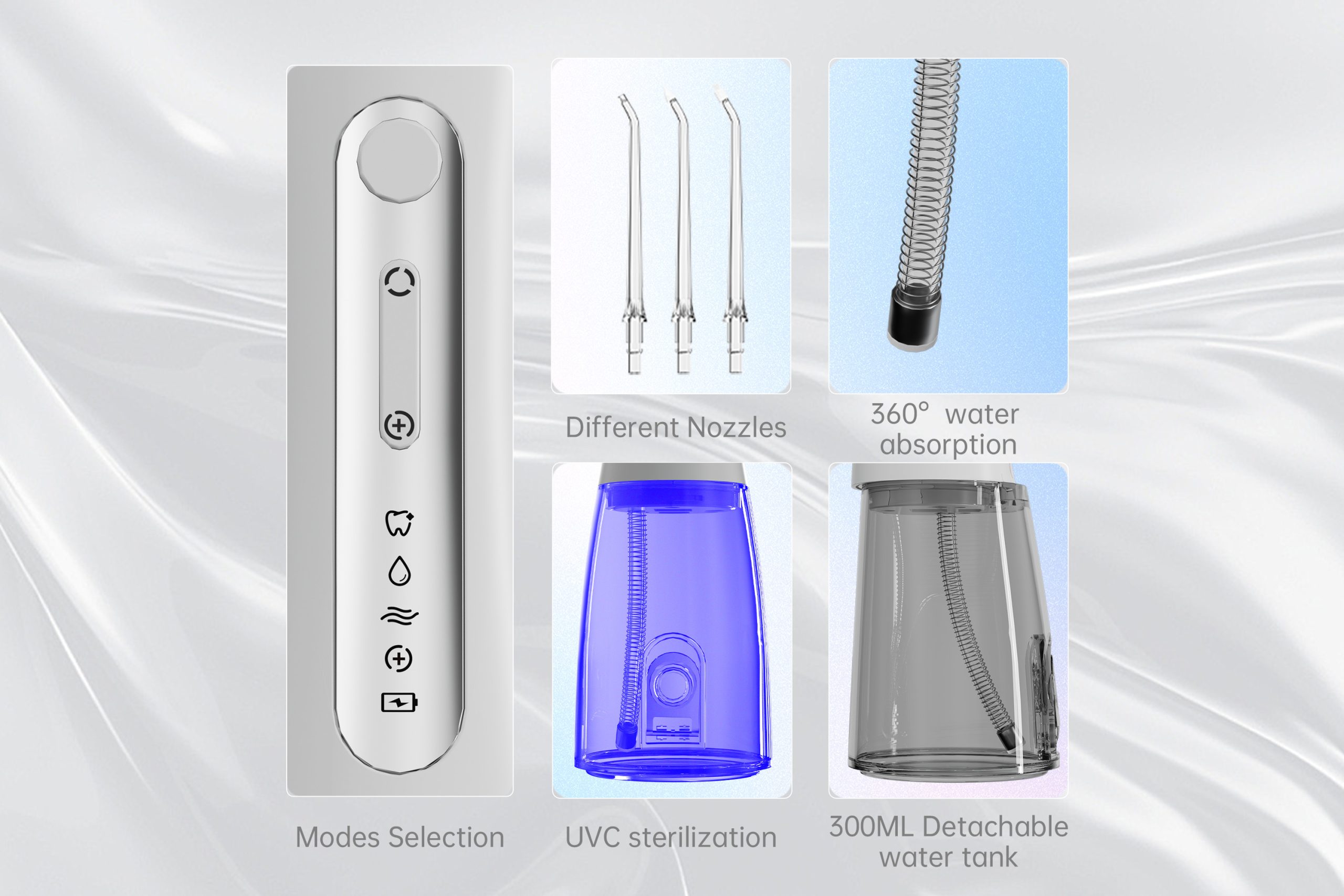
What Are the Core Components of a Water Flosser? Specialized Manufacturers Explain Key Components and Material Selection
Can an Orthodontic Jet Tip Benefit from a Smart Multi-pressure Setting Chip?
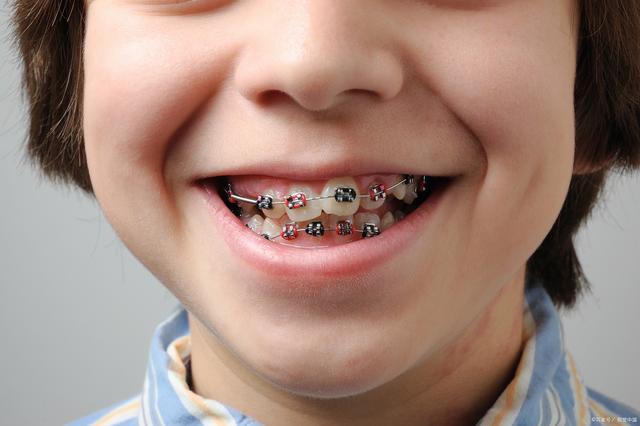
Can People Undergoing Orthodontic Treatment Use Home Teeth Whitening Products?

Solving the Sensitivity Problem: Best Teeth Whitening Options for Your Brand
.jpg)
soda teeth whitening guide: enamel challenges
Electric Toothbrush Anti Slip Handle Design: Enhancing User Experience and Safety
Electric Toothbrush Grip Texture Design OEM: Enhancing Comfort, Control, and User Experience
.jpg)
Why is UV Sanitizing Toothbrush Technology Key to Advanced Bacteria Reduction Technology?

Need Packaging Customization Service for Your Professional Salon Whitening Device?
Could a Molecular Communications Beacon Be Part of a Regenerative Design Framework?
Red Blue Light Sonic Toothbrush Solutions for B2B Brands
Graduation Gift Sonic Toothbrush Houston
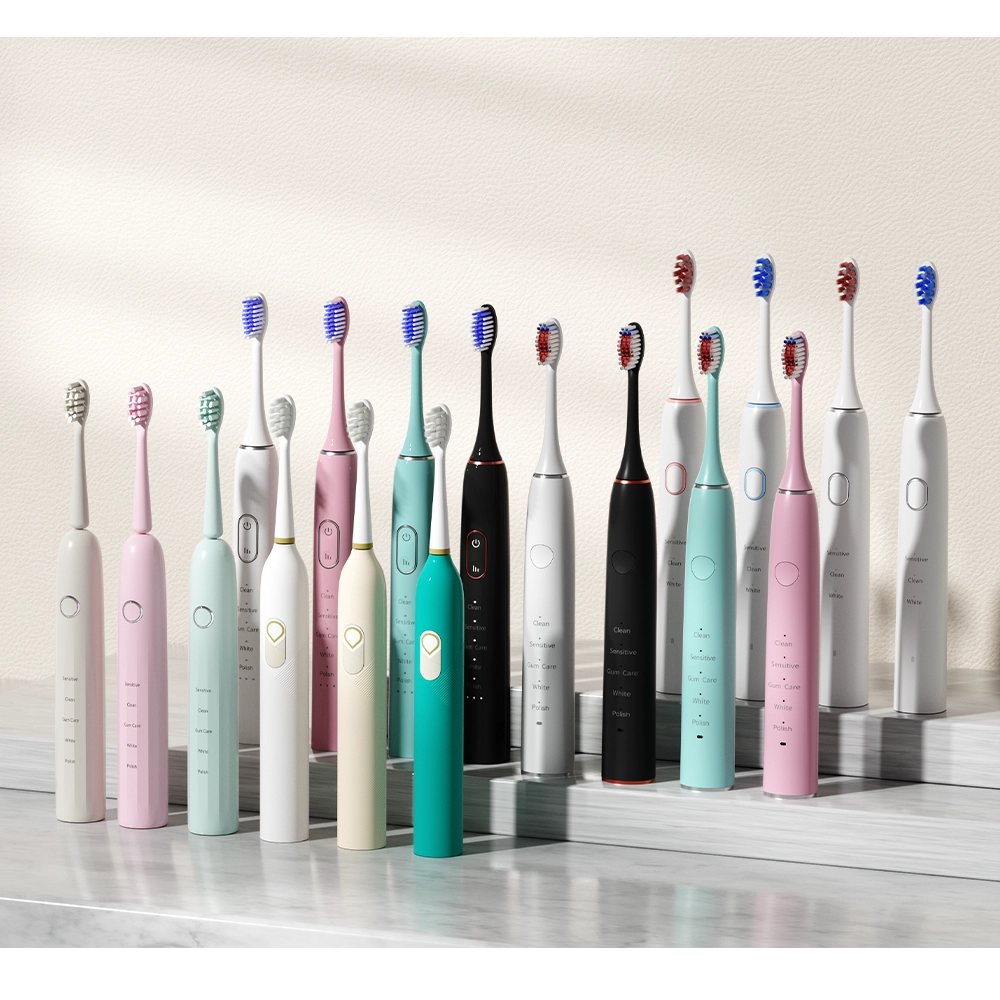
Innovation and environmentally friendly production practices in electric toothbrush factories
.jpg)
Why Is Smart Toothbrush APP Development Crucial for Rechargeable Toothbrush Battery Optimization?
How Does the Orthodontic V-Brush Enhance the Powsmart Ortho Head Functionality?


.jpg)
.jpg)
.jpg)
.jpg)
.jpg)






.jpg)
.jpg)