
Electric toothbrushes have become an essential part of modern oral care, and their production requires high precision and quality assurance. Electric toothbrush injection molding plays a crucial role in manufacturing durable and high-performing products. Powsmart has been providing OEM/ODM service for over 20 years, main manufacturing products including electric toothbrushes, water flossers and teeth whitening products. https://www.powsmart.com/This article explores the injection molding process details, key factors influencing quality control, and strategies for production efficiency improvement.
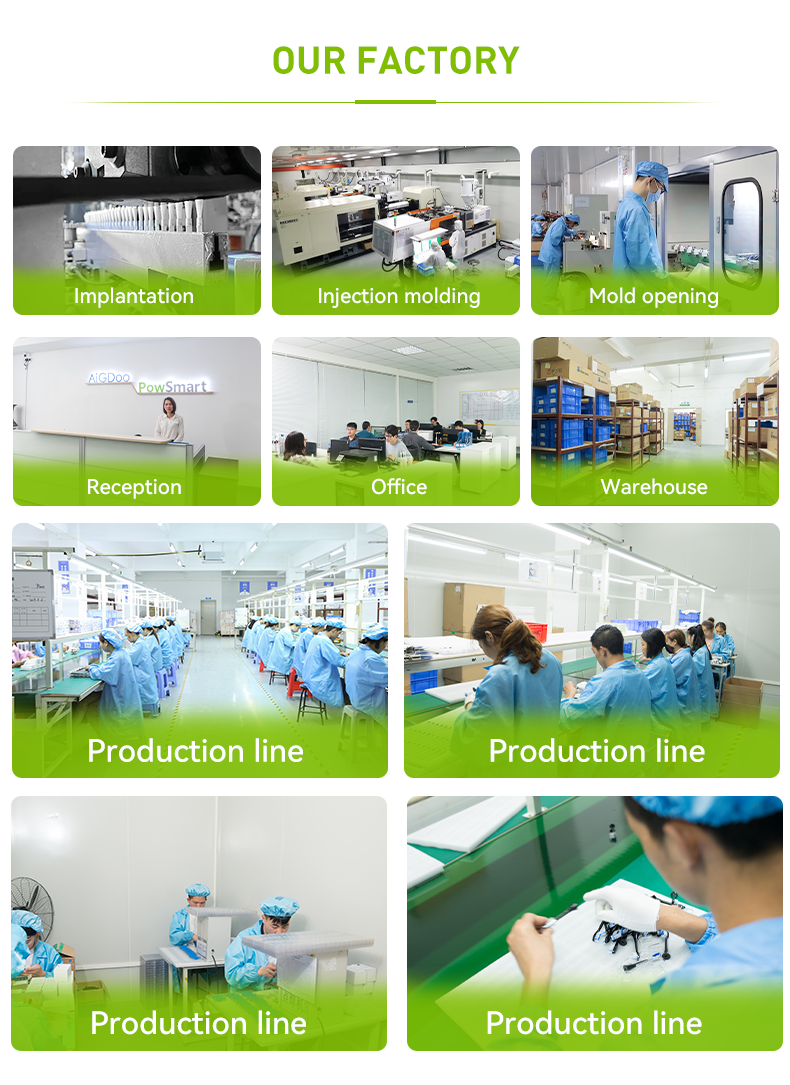
The injection molding process for electric toothbrushes involves melting plastic materials and injecting them into molds to form the required components. This method ensures consistency, precision, and scalability in production. Key components manufactured using injection molding include:
Toothbrush handle
Brush head housing
Internal structural parts
To ensure high-quality electric toothbrush components, manufacturers must follow these critical steps:
The choice of plastic materials affects durability, flexibility, and resistance to wear. Commonly used materials include ABS, polypropylene (PP), and polycarbonate (PC), which provide strength and chemical resistance.
High-quality molds determine the accuracy of the final product. The mold must be designed with:
High precision to avoid defects
Proper cooling channels for efficient production
Reinforced structures to withstand high-pressure injection
Controlling parameters such as temperature, injection speed, pressure, and cooling time is essential for maintaining consistency in production. Incorrect settings can lead to defects like warping, shrinkage, or incomplete fills.
Quality assurance is a crucial aspect of electric toothbrush injection molding. Implementing strict quality control measures ensures product reliability and customer satisfaction.
Monitoring key parameters throughout the production cycle helps detect defects early. Automated inspection systems can identify issues such as surface irregularities, improper fills, or structural weaknesses.
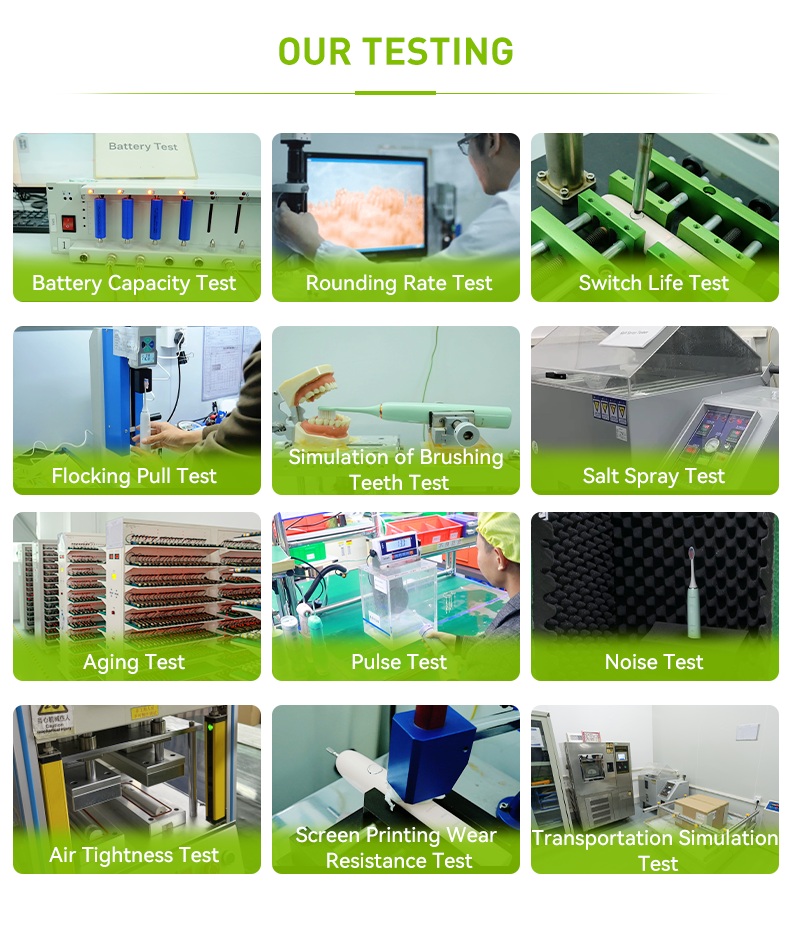
After molding, electric toothbrush components undergo rigorous testing, including:
Dimensional accuracy checks using precision measurement tools
Mechanical stress tests to ensure durability
Surface finish inspections to detect any cosmetic flaws
Preventing defects involves regular mold maintenance, real-time monitoring of injection parameters, and staff training to optimize the manufacturing process.
Enhancing efficiency in injection molding helps reduce costs and increase output without compromising quality.
Integrating robotic arms and AI-driven monitoring systems can streamline production, reduce human errors, and improve overall efficiency.
Reducing cycle times without affecting quality is essential. This can be achieved through:
Proper cooling system design
Efficient material flow optimization
Use of high-performance molds
Minimizing material wastage through precise control of shot sizes, regrind material usage, and scrap recycling can enhance sustainability while reducing costs.
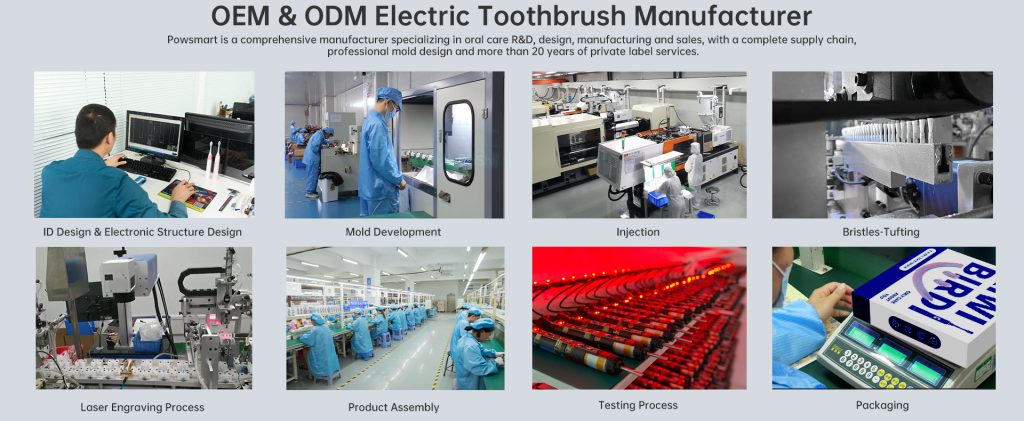
Manufacturers often face challenges such as:
Material inconsistencies leading to variable product quality
Mold wear and tear affecting precision
Defects like flash, short shots, or sink marks
Implementing preventive maintenance, using high-quality raw materials, and continuously improving process controls help overcome these challenges.
Ensuring high-quality electric toothbrush injection molding requires attention to detail in material selection, mold design, process control, and quality control strategies. By focusing on production efficiency improvement and defect prevention, We can produce reliable and durable electric toothbrush components that meet market demands. Investing in advanced technologies and continuous process optimization will further enhance quality and efficiency in the long run. Don’t hesitate to send us your inquiry if you’re interested in knowing more regarding to the electric toothbrush injection molding process.
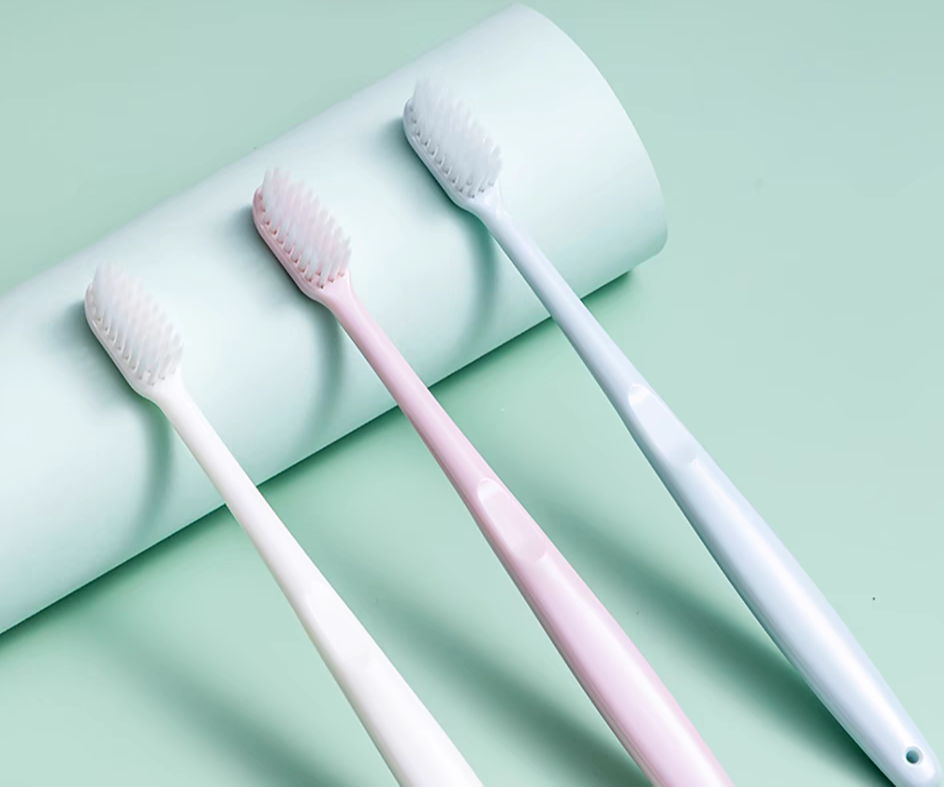
Electric Toothbrush Head Customization Solution and Range
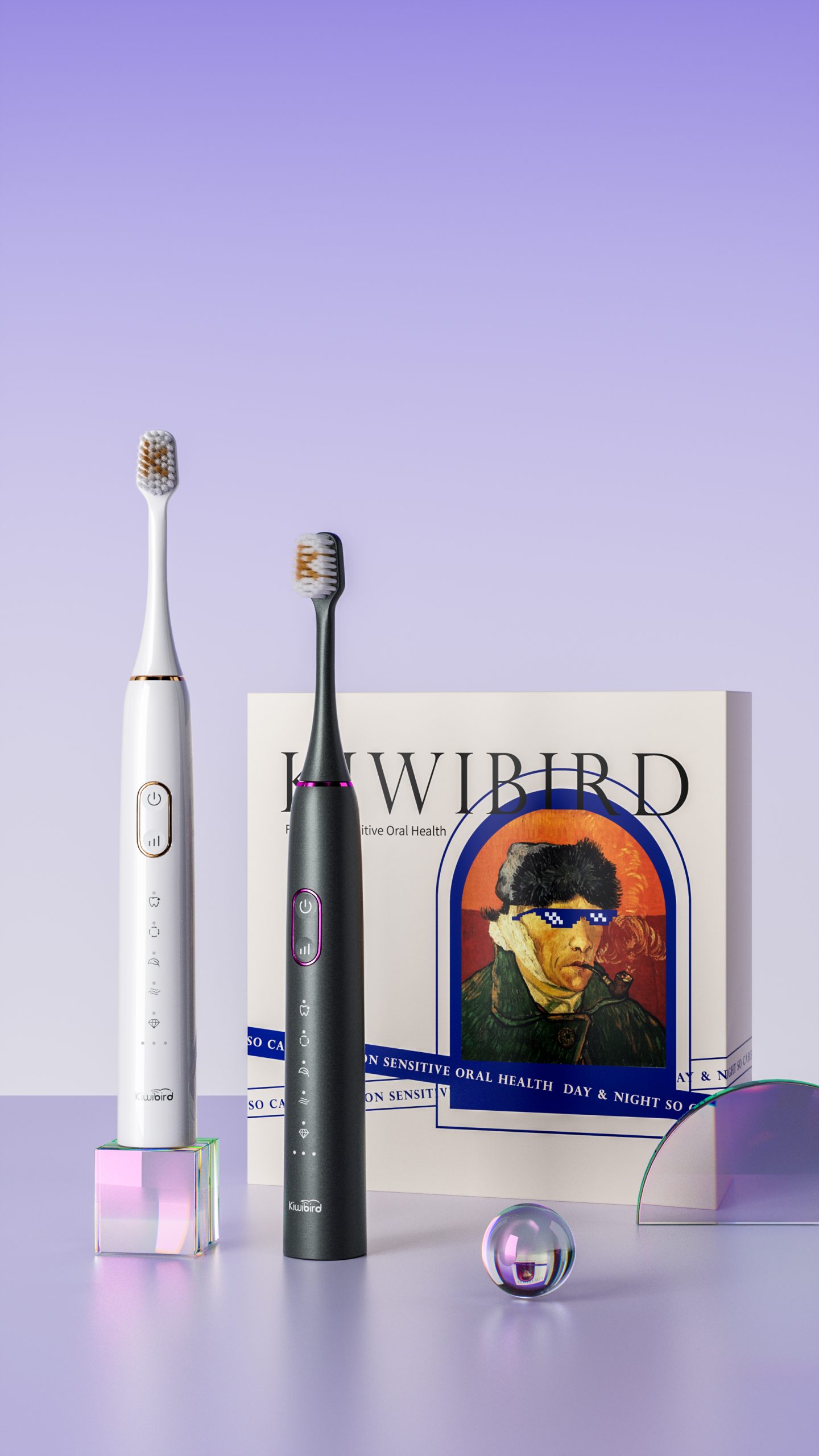
Why the Seattle quiet toothbrush is the best Seattle apartment toothbrush?
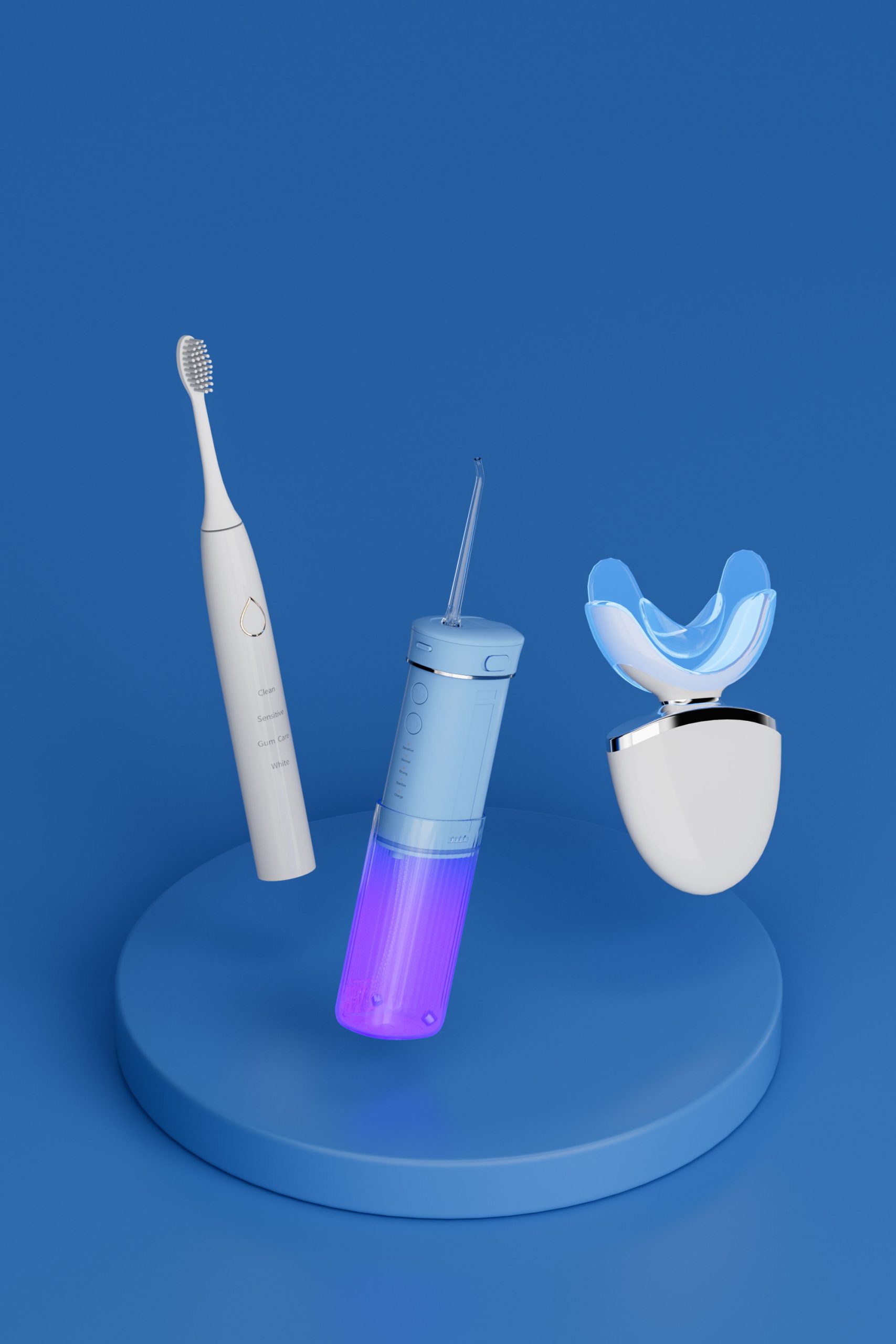
PowSmart’s Commitment to Quality: What Sets Our Oral Care Products Apart
How Can Federated Learning for Oral Health Improve Your Oral Health Digital Twin Models?
.jpg)
Why Patients Fail the Bass Method: Solving the Clinic Pain Point
.jpg)
What’s Next in Smart Toothbrush Technology for Advanced Dental Health Monitoring?
Private Label Sonic Toothbrush Packaging Design
Why Measure Quantum Yield When Developing a Smart Timer Whitening Kit?

Why Combine Quiet Pump Technology with a Mass Flow Sensor in Water Flossers?
Customized Packaging for Electric Toothbrushes: A Necessary Investment for Brands?

Analyze the real profit you can make in teeth whitening

Do At-Home Light Therapy Teeth Whiteners Really Work?
Light Therapy Electric Toothbrush OEM: Next-Generation Oral Care Innovation
Red Light Electric Toothbrush Factory for OEM Projects
Is It Because Water Ingressed That the Water Flosser Can’t Be Charged?
Why Choose a Teledentistry-Ready Device for Your Dental School Training Kit?


.jpg)
.jpg)
.jpg)
.jpg)
.jpg)



.jpg)
.jpg)