
In an era of rapidly evolving device ecosystems, charger mismatch has emerged as a surprisingly common issue with significant consequences. When chargers are poorly specified or incorrectly paired, they often result in battery incompatibility, posing both performance and safety risks. This article explores how mismatched charging components can undermine battery lifespan and reliability—and what manufacturers can do to prevent these costly failures.
Charger mismatch refers to situations where the charger’s output characteristics—such as voltage, current, or connector type—do not align with the device’s battery requirements. This can happen for several reasons:
Even minor deviations in output specifications can gradually degrade battery health or trigger immediate charging failures.
Battery incompatibility can present through a range of observable symptoms:
These symptoms are often mistakenly attributed to defective batteries, when the real culprit is an incompatible charger. Company web:https://www.powsmart.com/product/electric-toothbrush/
From a B2B perspective, charger mismatch is not just a consumer inconvenience—it’s a liability. When customers unknowingly use incompatible chargers:
Manufacturers must therefore design clear safeguards to protect both users and their own operations.
Beyond obvious hardware failures, repeated battery incompatibility accelerates long-term degradation:
Additionally, disposal costs rise, as batteries that fail prematurely often cannot be recycled easily due to safety hazards.
Fortunately, several proven strategies can mitigate these risks:
These steps help ensure every charge cycle remains safe and effective.
While charger mismatch is often overlooked, proactively addressing it can set your brand apart. Devices engineered with intelligent compatibility safeguards build user trust, reduce support costs, and strengthen product differentiation in a crowded market.
Ultimately, charger mismatch and battery incompatibility are not minor technical oversights—they are critical vulnerabilities that can damage user experience and brand equity. By investing in precise engineering and clear user education, manufacturers can deliver devices that perform reliably throughout their intended lifespan.
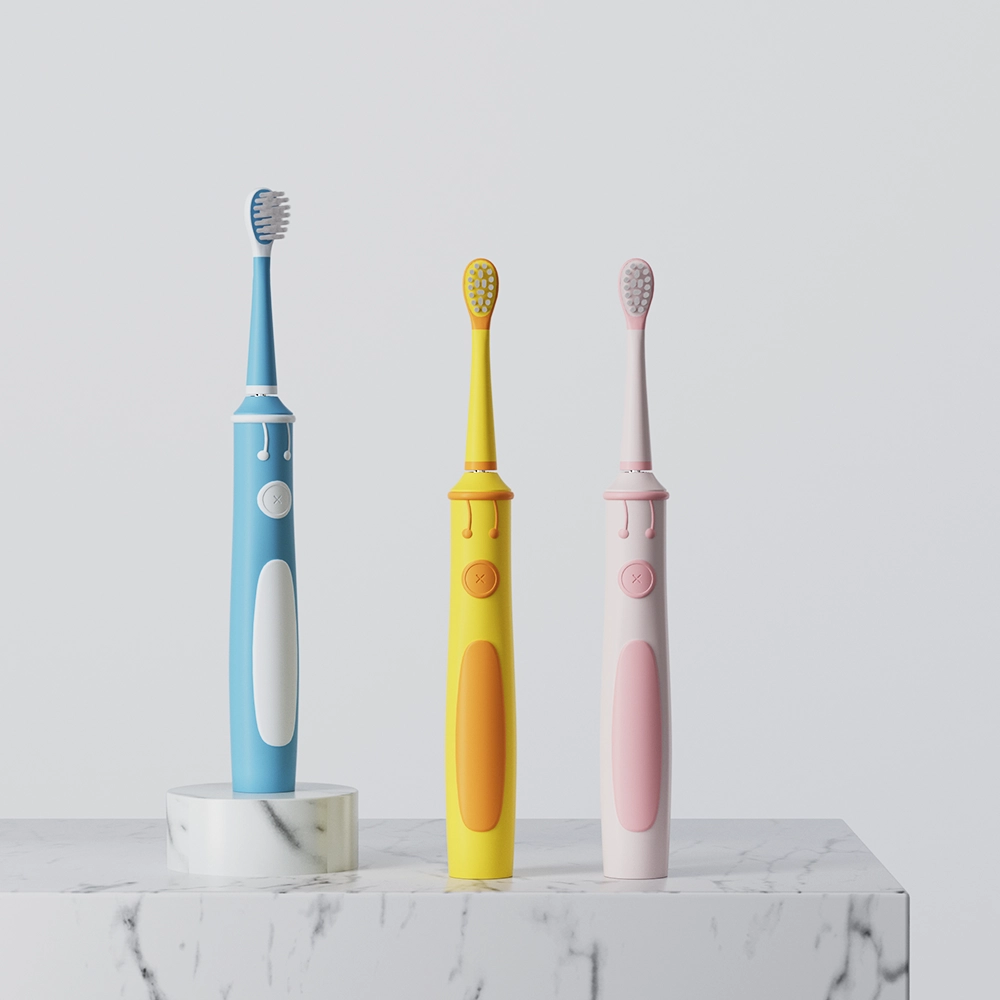
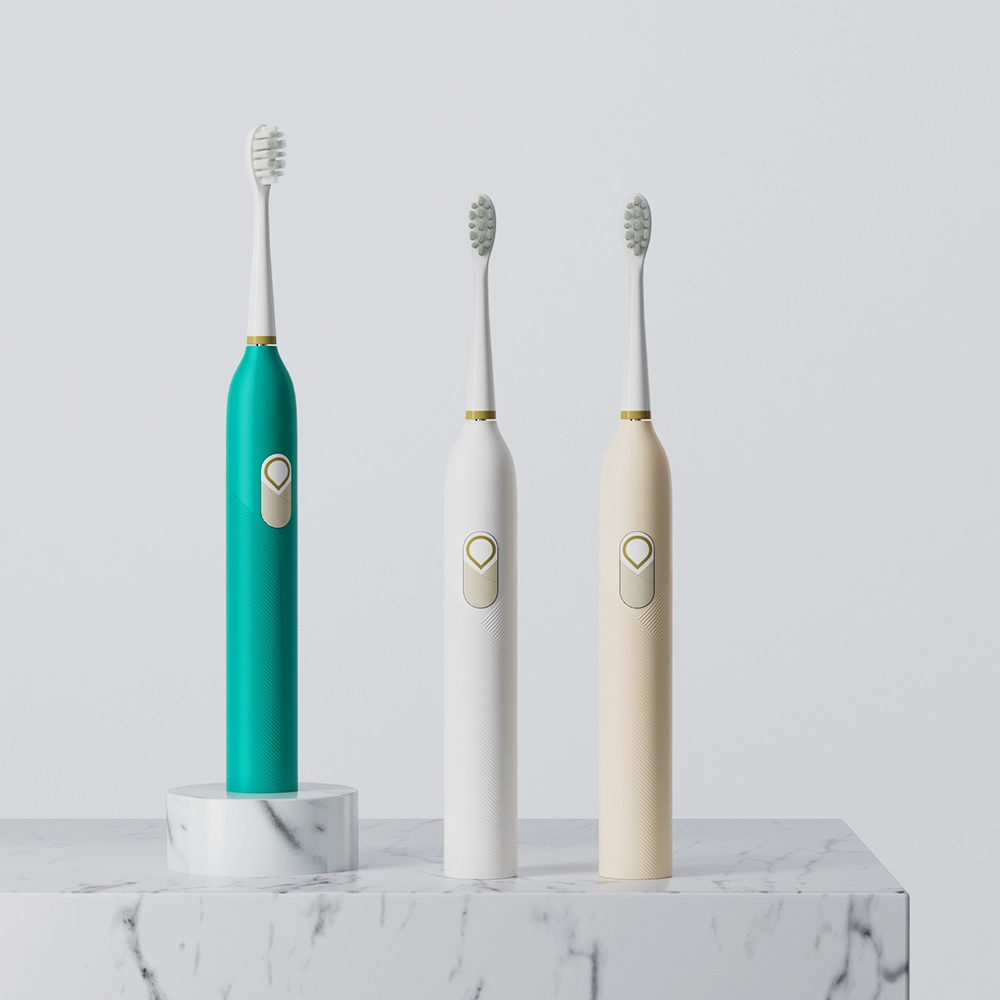
.jpg)
Hose Kinking Leading to Weak Suction—A Hidden Efficiency Killer?
LED Flickering Plus Adapter Fires—A Hidden Safety Hazard?
Cordless Oral Irrigator Wholesale

Does Dental Grade Whitening Necessitate the Use of Safe Whitening Ingredients?
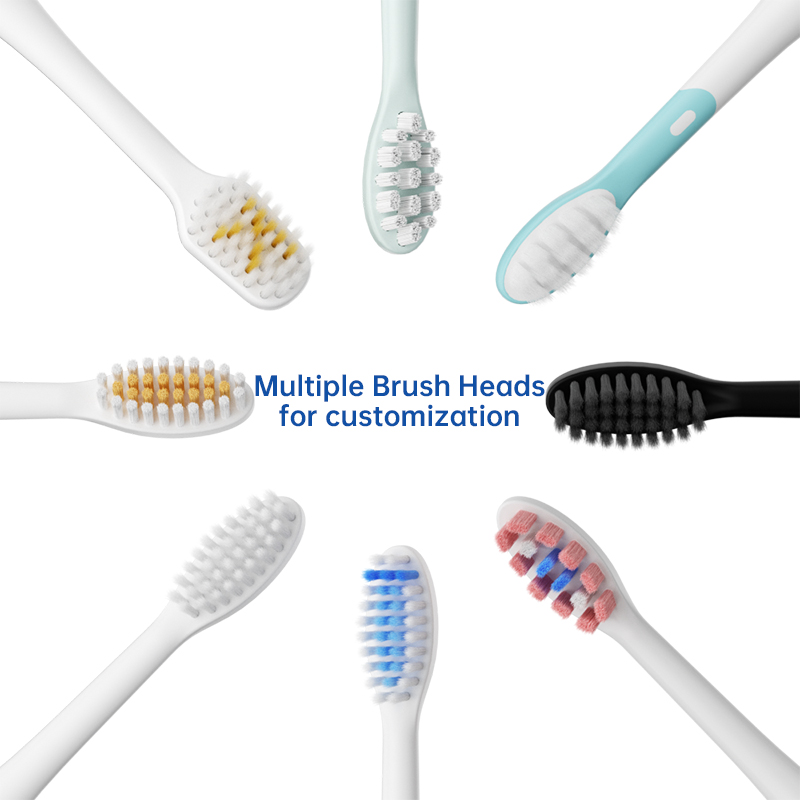
What Are Eco-Friendly Toothbrush Bristles Made Of? A Guide for OEM Brands
.jpg)
How Does a Toothbrush with Timer Elevate a Smart Oral Care Device?
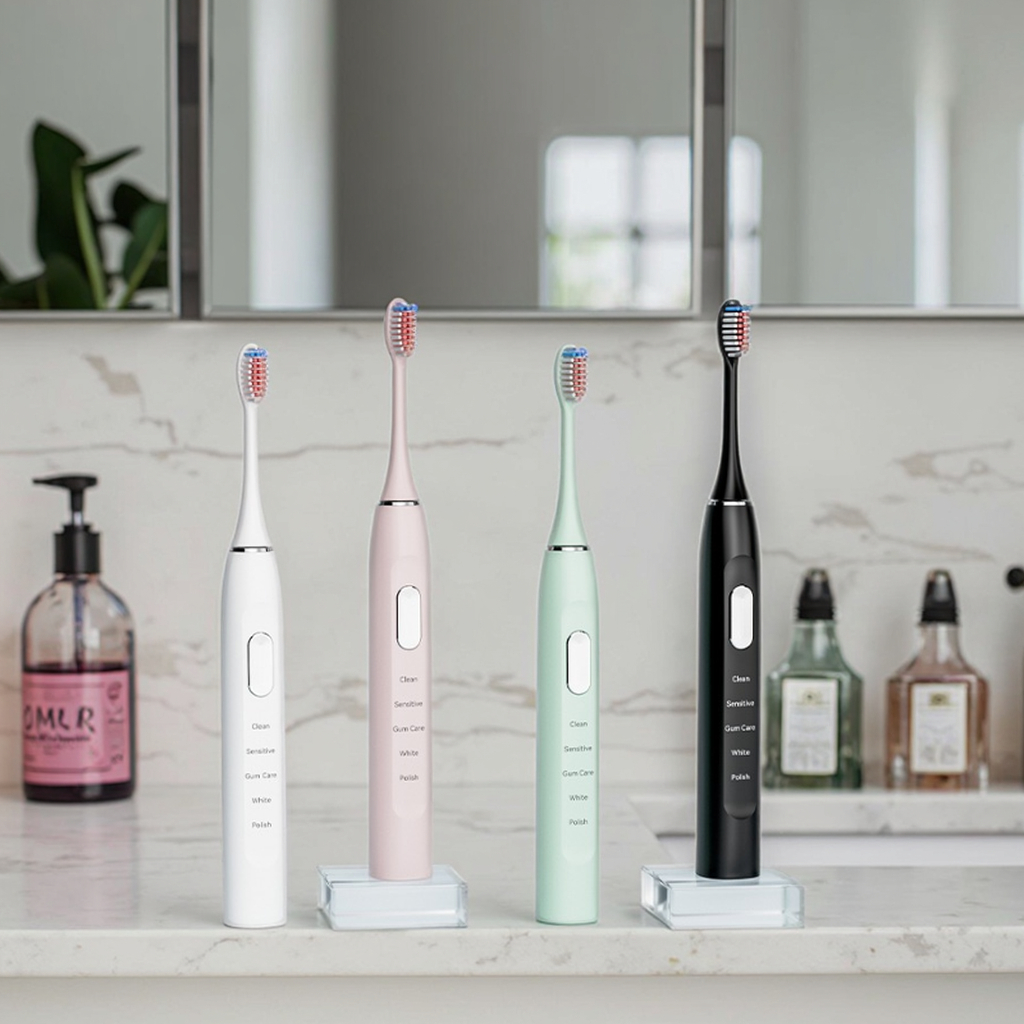
What Safety Precautions Should Be Taken When Installing the Electric Toothbrush Head?
.jpg)
Sourcing Sonic Toothbrush B2B for Your Role as a Hotel Amenity Supplier?
.jpg)
sonic electric toothbrush Sacramento
1-scaled.jpg)
The Growing Demand for At-Home Teeth Whitening & What It Means for Brands
Why Is Cavitation Cleaning Technology More Effective With a Micro-Perforated Brush Head?
Head Detachment with Tank Cracks—Replace All?
Essential Considerations for Electric Toothbrush OEM Projects
electric toothbrush with AI sensor supplier

Does Your Electric Toothbrush Factory Hold Stringent Quality Control Certification?
How Does Accelerometer-based Feedback Integrate With a Pressure-sensitive Matrix for Smart Brushing?


.jpg)
.jpg)
.jpg)
.jpg)
.jpg)



.jpg)
.jpg)
