Licensed, character-themed brushes (take the Oral-B Kids Disney Frozen line as a high-visibility example) show how a Kids Electric Toothbrush can turn a twice-daily chore into a delight for children — and a conversion engine for brands and retailers. For B2B teams (OEM/ODM, brand, and channel partners), the product is more than cute art on plastic: it’s a design, licensing, safety and go-to-market system. Below are six manufacturer-focused takeaways you can act on when building or licensing a character toothbrush for kids. Emotional design — characters change behavior First, character licensing converts motivation into repeat use. Children are more likely to look forward to brushing with familiar characters, which increases adherence and head-replacement cadence. Therefore: Invest in high-quality, durable character elements (removable faceplates, color rings) that keep the licensed imagery intact after repeated rinses. Use storytelling in packaging and quick-start leaflets (two-minute story beats tied to brushing quadrants) so parents and kids have a shared script. In effect, a Kids Electric Toothbrush with a beloved brand like Disney Frozen becomes a behavioral design tool, not merely decoration. Kid-centric ergonomics & safety by design Moreover, small hands and developing motor skills demand different ergonomics and safety engineering: Keep handle diameters moderate,…
For electric-toothbrush OEMs, brand teams and clinical partners, pressure control is one of the highest-leverage features you can add. A properly designed Smart Pressure Sensor does more than flash a red light — it prevents tissue trauma, improves brushing technique, and becomes a measurable ingredient in your Gum Care story. Below are six manufacturer-focused dimensions that explain how to design, validate and commercialize pressure-aware brushes that genuinely protect oral health. Why pressure matters — the clinical & behavioral problem First, excessive brushing force is a common, avoidable cause of gingival recession, enamel abrasion and dentin exposure. Consequently, telling users “brush gently” rarely changes behaviour. By contrast, real-time feedback from a Smart Pressure Sensor turns an abstract instruction into an immediate corrective signal. In practice, this reduces repetitive overpressure events and supports long-term Gum Care outcomes — provided the sensor and feedback logic are reliable and user-friendly. Sensor strategies — how to detect harmful force reliably Next, choose the right sensing approach for your platform. Common, field-proven strategies include: Direct force sensing (strain gauge or force/load cell at the neck or head coupling) for high-fidelity pressure measurement. Motor current inference where excessive mechanical load raises motor current and is interpreted as…
For OEM/ODM teams, distributors and retail buyers, the term Budget Electric Toothbrush often implies compromise — but it doesn’t have to. A well-engineered, low-ASP model can protect margins, drive high volume, and create recurring revenue through refills. In this post I explain why you should consider Hammer’s budget-friendly option (or build a similar SKU), what engineering and commercial trade-offs matter, and six concrete areas to act on to make a profitable, reliable product. Product brief — what a true budget electric toothbrush must actually deliver First, forget “cheap” aesthetics. A credible Budget Electric Toothbrush must deliver the essentials that create repeat usage: reliable cleaning feel, acceptable runtime, and hygienic replaceable heads. Hammer’s approach focuses on a tight, evidence-based feature set: one or two clinically sensible modes (Daily + Sensitive), end-rounded tapered filaments, and an intuitive single-button UX. Consequently, even a low-cost model feels like a useful appliance rather than a disposable gadget. Engineering targets — where to invest, where to trade off Next, prioritize components that affect user perception and durability: Motor & drive: efficient, low-ripple motor tuned for fluid-shear cleaning (target 200–260 Hz sonic feel or equivalent oscillation depending on platform). Battery & runtime: aim for 14–21 days at…
In today’s Modern Lifestyle, oral care has evolved far beyond basic functionality. Consumers are no longer satisfied with traditional products — they want innovation, sleek aesthetics, and solutions that seamlessly integrate into their daily routines. For oral care brands, this creates an exciting opportunity to collaborate with manufacturers specializing in Contemporary Electric Toothbrush OEM Designs. Aligning with Modern Lifestyle Needs Modern consumers see oral care as part of a broader lifestyle oral care journey. They seek products that complement their habits — from wellness routines to travel-friendly solutions. A modern toothbrush OEM partner can help brands develop electric toothbrushes that address these expectations with portability, intelligent features, and user-centric designs. Contemporary Design as a Brand Differentiator In an era where aesthetics influence purchasing decisions, contemporary design is no longer optional. Sleek finishes, minimalist lines, and ergonomic details resonate with today’s consumers who value both form and function. By working with experienced OEMs, brands can integrate cutting-edge design elements that elevate their product portfolio. Smart Features for Lifestyle Oral Care Technology is now integral to oral health routines. Features like app connectivity, AI-driven brushing feedback, and adaptive cleaning modes are defining Contemporary Electric Toothbrush OEM Designs. These innovations don’t just promote better dental hygiene…
When it comes to men’s grooming, the market has grown far beyond razors and cologne. Oral care is now an essential category, and Men's Electric Toothbrush OEM Manufacturing is paving the way for innovative, masculine products that serve both daily routines and special gifting occasions. For brand owners, tapping into this segment means unlocking opportunities in weddings, luxury gift sets, and broader men’s lifestyle collections. Why Men's Grooming Toothbrushes Are on the Rise The men’s grooming market has shifted to include complete self-care. A men's grooming toothbrush is no longer just about oral hygiene—it’s a reflection of a lifestyle that values precision, style, and health. As men invest more in grooming products, demand grows for devices that align with a masculine oral care identity—sleek, powerful, and gift-worthy. Groom Gift OEM Opportunities For weddings, bachelor parties, and milestone celebrations, brands are looking at groom gift OEM opportunities. Personalized or co-branded electric toothbrushes can become unique groomsmen gifts, combining functionality with a premium, modern edge. With OEM support, businesses can create tailored designs, colors, and packaging that stand out in the competitive gift market. Masculine Oral Care Design Unlike unisex toothbrushes, men-focused designs often emphasize bold aesthetics and ergonomic builds. Masculine oral care products may feature matte…
Weddings are all about smiles—both for the bride and for every guest. A radiant smile is not just a symbol of confidence, but also an essential part of the wedding experience. This has created a growing demand for bridal oral care OEM products that combine functionality, elegance, and luxury packaging. The wedding dental kit market is becoming an attractive category for differentiation and premium positioning. The Rise of Bridal Oral Care Kits Bridal gift trends are shifting. Couples are looking for meaningful, practical, yet stylish gift options that can be included in wedding favors, bridal party gifts, or pre-wedding preparation kits. A wedding dental kit fits perfectly—offering a thoughtful way to enhance confidence before the big day. For brands, this trend opens the door to collaborate with experienced manufacturers who can deliver premium gift sets tailored to bridal aesthetics. Custom OEM Solutions for Wedding Market To succeed in the wedding space, customization is key. Custom OEM Solutions for Wedding Market include everything from whitening strips and toothbrushes to travel-friendly floss and mouthwash—all presented in elegant, wedding-themed packaging. A strong OEM partner can provide flexibility in formulation, design, and branding, ensuring each product aligns seamlessly with the luxury bridal theme. Premium Gift OEM Options for…
In today’s competitive oral care market, consumers are not just looking for a product that keeps their teeth clean—they are seeking tools that enhance confidence, aesthetics, and lifestyle. For brands in the cosmetic dental OEM sector, offering the right solutions means combining advanced technology with customization. The electric toothbrush stands out as a powerful avenue for smile improvement toothbrush innovation, giving companies the flexibility to differentiate in both design and performance. Why Electric Toothbrushes Are Leading Smile Improvement An electric toothbrush does more than remove plaque—it plays a direct role in smile improvement toothbrush outcomes. Compared to manual brushes, electric models deliver consistent cleaning power and target hard-to-reach areas, supporting whitening and gum health. For consumers who value a bright, confident smile, electric toothbrushes naturally align with aesthetic oral care goals. The Role of OEM Partnerships in Oral Care Innovation Brands aiming to launch or expand their product line often turn to cosmetic dental OEM providers. These partnerships allow companies to focus on branding, marketing, and customer experience, while manufacturers ensure top-tier production quality. By leveraging OEM expertise, brands can introduce innovative features and align with global oral health trends without investing in costly infrastructure. OEM Customization Options for Electric Toothbrushes Customization is where the…
AI is reshaping premium oral care. The Oral-B iO9 popularized the idea that AI Brushing—real-time coaching, pressure guidance, and coverage mapping—can turn a two-minute task into a personalized routine. For B2B manufacturers, distributors, and dental partners, the question isn’t whether AI is “cool,” but whether it changes outcomes, purchase behavior, and service models. Below are six practical angles to evaluate, so you can design, position, and support AI-enabled electric toothbrushes with confidence. What “AI Brushing” actually means in the bathroom AI in brushing isn’t magic; it’s signal processing plus coaching. Accelerometers/gyros track brush position, pressure sensors prevent over-scrub, and software translates that into real-time prompts and post-brush reports. The Oral-B iO9 made these capabilities visible to consumers, setting expectations for premium SKUs. Why it matters: clearer feedback improves coverage consistency, which can reduce missed zones. For B2B, this creates a tangible reason to upsell from a standard model to an AI-guided model. Personalization & habit formation—where value compounds Beyond novelty, AI Brushing nudges daily behavior: streaks, goal tracking, and adaptive recommendations (e.g., longer focus on trouble areas) help users build micro-habits. The Oral-B iO9 approach—coaching, awards, progress views—shows how software can make compliance “sticky.” B2B takeaway: personalization keeps devices out…
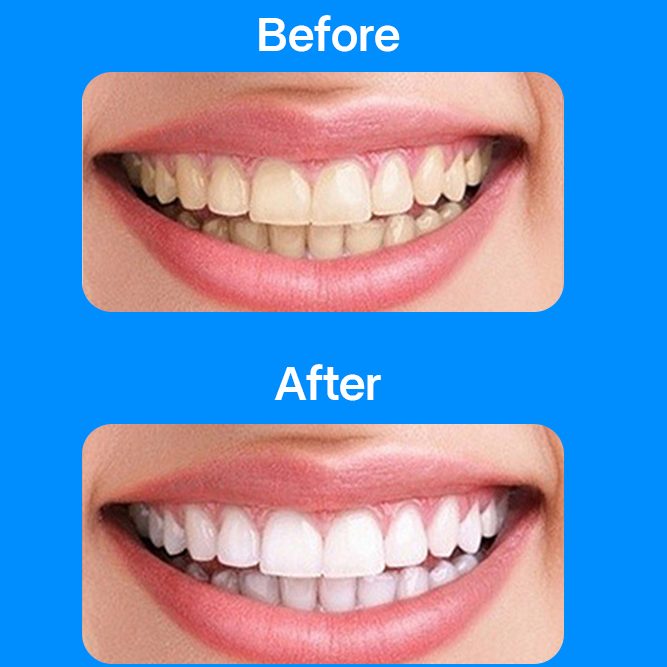
In today’s oral care market, consumers are looking for more than just a toothbrush—they want innovative products that combine technology, design, and effectiveness. One of the fastest-growing categories is the Smart Toothbrush for Whiter Teeth. It's not only improves oral hygiene but also delivers visible whitening results. For oral care brands, partnering with the right manufacturer through OEM Manufacturing Solutions is the key to entering this high-demand segment. Rising Demand for Whitening Technology in Oral Care Whitening has become a top priority for consumers. Beyond traditional toothpaste, people now want tools that actively contribute to a brighter smile. A whitening toothbrush OEM allows brands to tap into this market by offering customized solutions that incorporate smart whitening technology into a product that feels fresh, modern, and effective. The Role of Smart Whitening Technology Unlike standard toothbrushes, smart devices use innovative features such as sonic vibration, LED light therapy, or AI-driven brushing guidance. These advancements enhance cleaning efficiency while supporting whitening results. With smart whitening technology, consumers can address discoloration more effectively than ever before, making it a must-have feature for premium oral care brands. Effective Stain Removal with Advanced Brushes Surface stains from coffee, tea, or wine are common challenges for many users.…
A radiant smile is more than just a sign of good health—it’s a symbol of confidence and personal charm. In today’s market, consumers are increasingly focused on cosmetic oral care, seeking solutions that not only protect dental health but also enhance aesthetics. For brands aiming to capture this demand, OEM Electric Toothbrushes provide the perfect opportunity to deliver innovation and style. Partnering with the right manufacturer can help businesses stand out with products designed to bring both smile confidence toothbrush technology and cutting-edge design to their customers. Why OEM Matters in Dental Aesthetics When it comes to OEM dental aesthetics, customization is everything. Brands can leverage OEM partnerships to design toothbrushes tailored to specific consumer needs—whether that’s whitening, gum care, or advanced plaque removal. An OEM approach ensures that your product not only meets industry standards but also reflects your brand’s unique identity in the competitive cosmetic oral care market. The Rise of Cosmetic Oral Care Consumers no longer settle for basic hygiene—they want solutions that improve their overall look and confidence. This shift has created a thriving market for cosmetic oral care products, where features like advanced sonic cleaning, whitening modes, and sleek ergonomic designs are essential. By offering OEM Electric Toothbrushes with…
Children in India often struggle to maintain proper brushing habits. Parents in Hyderabad are increasingly turning to modern solutions like the kids electric toothbrush Hyderabad to make oral care more engaging and effective. Why Kids in Hyderabad Need Electric Toothbrushes Regular brushing is essential for preventing cavities, especially in growing children. However, kids often rush through the process. An electric toothbrush designed for children provides timers, gentle vibrations, and soft bristles that make brushing more effective while still being fun. According to the Indian Dental Association (IDA), children should use toothbrushes appropriate for their age, with special attention to gum health and developing teeth. Key Features for Hyderabad Families Soft Bristles: Gentle on sensitive gums. Built-in Timers: Ensures kids brush for the recommended two minutes. Colorful Designs: Makes brushing exciting and engaging. Replaceable Heads: Practical for joint families with multiple children. Powsmart.com offers a range of kids’ electric toothbrushes designed with child-friendly features and affordability for Indian parents. Benefits for Families Parents in Banjara Hills: Easy to supervise kids’ brushing habits. Schools and Hostels: Group dental awareness programs can encourage electric toothbrush use. Joint Families: Affordable models suitable for multiple children in one household. Festivals and Gift Ideas During birthdays,…
Relieve Tooth sensitivity is a widespread oral health issue that affects millions globally, often triggered by cold, heat, sweetness, or even brushing. Many consumers don’t realize that using the wrong toothbrush can worsen the problem. In fact, manual brushing with excessive force is one of the most common causes of enamel wear and gum recession—two major contributors to tooth sensitivity. As a professional electric toothbrush factory, we often receive inquiries about whether an electric toothbrush can help relieve tooth sensitivity. The answer is yes—if the right design and technology are applied. How Can Electric Toothbrushes Help Relieve Tooth Sensitivity? Modern electric toothbrushes are equipped with features that specifically aim to address sensitive teeth: Pressure SensorsBuilt-in sensors automatically reduce brushing intensity when too much force is applied, helping protect delicate enamel and gums. Soft Bristle OptionsElectric toothbrushes designed for sensitive teeth use ultra-soft bristles that clean effectively without abrasion, reducing discomfort during brushing. Gentle Cleaning ModesMany models include modes such as “Sensitive” or “Gum Care,” providing low-frequency vibrations to ensure a soothing yet thorough clean. Consistent Brushing PerformanceUnlike manual brushes that vary with user technique, electric toothbrushes offer consistent cleaning action that minimizes the risk of over-brushing. These combined features demonstrate…
When home‐care devices suffer from battery degradation, users often postpone charging and skip essential upkeep—highlighting how maintenance complexity can cascade into enamel‐wear issues. In this post, we’ll examine six ways that complicated care routines and neglected device upkeep exacerbate enamel vulnerability, and offer practical recommendations for B2B manufacturers. Worn Brush Heads & Uneven Abrasion First, complex replacement procedures lead users to overstay brush‐head lifespans: Frayed Bristles: After three months, bristles splay unevenly, concentrating force on small enamel areas. Micro‐scratches: Hardened or misaligned filaments create microscopic grooves, accelerating demineralization. Variable Contact Pressure: Skipping timely head swaps forces users to press harder for perceived cleaning, increasing enamel stress. Thus, simplifying head‐exchange steps is critical to maintain uniform abrasion and protect enamel integrity. Plaque Buildup from Skipped Cleanings Moreover, when devices require time‐consuming disassembly for deep cleaning, many users defer: Residual Debris: Food particles lodged in nozzles or brush mounts feed acidogenic bacteria. Biofilm Formation: Plaque accumulation lowers oral pH, promoting enamel softening and early caries. Ineffective Rinse Cycles: Clogged channels disrupt spray patterns, leaving untreated zones where enamel degrades. To counteract this, devices should offer self‐cleansing cycles or tool‐less access to minimize deferred cleanings.Company web:https://www.powsmart.com/product/electric-toothbrush/ Reduced Torque due to Battery Degradation Furthermore,…
In the world of at-home whitening systems, efficacy debates often center on how quickly and completely bleaching agents decompose stains—and just as critically, on factors like wireless charging safety, which ensures devices remain powered without compromising chemical stability. By honing in on bleach breakdown, manufacturers and end users alike can compare true performance rather than superficial marketing claims. The Chemistry Behind Bleach Decomposition First and foremost, bleaching efficacy depends on the generation of reactive oxygen species: Photolytic Activation: Light-assisted devices split peroxide bonds into hydroxyl radicals (•OH), the primary stain-destroying agents. Thermal Catalysis: Elevated temperatures accelerate O–O bond cleavage, enhancing breakdown kinetics. pH Dependence: Alkaline environments favor peroxide stability but must be balanced to prevent enamel damage. Understanding these chemical pathways is the foundation for any meaningful efficacy comparison. Metrics for Measuring Breakdown Efficiency Moreover, standardized metrics enable clear side-by-side analysis: Free-Radical Yield: Quantified via electron spin resonance (ESR) to assess how many radicals are produced per milligram of bleach. Colorimetry Tests: ΔE measurements track actual stain diminution on dentin or enamel analogs. Reaction Rate Constants: Kinetic modeling reveals how quickly peroxide concentration drops under fixed conditions. Such objective data cuts through marketing noise and grounds efficacy debates in reproducible…
When developing and marketing advanced whitening devices, it’s vital not only to validate waterproof performance through IP rating tests but also to warn users about gum inflammation risks related to post-whitening diets. After bleaching, gum tissues enter a sensitive “high-risk” period—any oversight in diet can trigger inflammation, undermining whitening results and oral health. The “High-Sensitivity Window” After Bleaching First, bleaching agents mildly demineralize enamel and open dentinal tubules, causing gum micro-vascular dilation: Increased Permeability: Gums are more sensitive to acid or alkaline stimuli for 24–48 hours post-treatment. Inflammatory Mediator Release: Residual peroxide may provoke a local immune response, leading to slight swelling. Weakened Barrier: Salivary and mucosal defenses are still recovering, making tissues more susceptible. Hence, every rinse and meal in post-whitening diets must consider the gums’ fragile state. Acidic and Pigmented Foods Heighten Inflammation Risk Next, dietary acids and chromogens are primary culprits for post-bleach inflammation: High-Acid Foods: Citrus or vinegar further lower local pH and accelerate epithelial damage. Dark-Pigment Beverages: Coffee or red wine adhere to micro-etched enamel and irritate gums through friction. Spicy or Alcoholic Drinks: Disrupt blood flow and extend healing times. Avoiding highly acidic or deeply colored items in post-whitening diets is crucial to protect…
In next-generation portable testing devices, not only must you finely tune the oscillation angle to maximize sample collection, but true travel portability lets testing instruments go wherever they’re needed—closer to users and real-world scenarios. In this article, we examine six ways portability boosts allergen detection, helping B2B partners design solutions that are both flexible and reliable. On-Site Testing for Immediate Decisions First, travel portability frees allergen testers from the lab: Rapid Response: Instantly collect and analyze samples on-site at restaurants, factories, or schools after a suspected allergy incident. Reduced Transport Error: Eliminates cross-contamination or degradation risks from shipping samples to a central lab. Improved Client Experience: B2B customers can offer “on-site testing + immediate reporting” as a one-stop service. Portable devices therefore directly enhance testing speed and decision-making. Optimized Sampling with Tuned Oscillation Angles Next, fine control of the oscillation angle in the sampling module is essential: Directed Vibration: Using ±15°–±30° angles covers varied surface materials, ensuring trace peanut proteins or lactose are dislodged. Deep Extraction: Automatically adjust the angle based on surface roughness to capture representative micro-samples. Minimal Damage: Precise angle control prevents excessive wear on food contact or dental tray surfaces. Hardware-level angle tuning is key to efficient,…
For restricted user groups, avoiding stain residuals is critical—not only because leftover pigments mar appearance, but also because these users often have heightened vulnerability. Meanwhile, optimizing bristle roundness in brush-head design helps ensure gentle yet thorough stain removal. In the following six sections, we explore why stain residues pose special risks, and how to address them safely and effectively. Oral Characteristics of Restricted User Groups Restricted user groups include: Post-operative Patients: Gum and implant sites are still healing and prone to irritation. High-Sensitivity Individuals: Those with thin enamel or dentin hypersensitivity require extra care. Chronic Health Conditions: Diabetics or immunocompromised patients face greater infection risks from residual biofilm. These groups react more strongly to any remaining debris or pigments, making complete stain removal essential. Health Hazards of Stain Residuals Beyond aesthetics, retained pigments can: Promote Bacterial Growth: Chromogens combine with proteins to form biofilms that feed anaerobic pathogens. Cause Chemical Erosion: Some food pigments are mildly acidic and can accelerate enamel micro-abrasion. Trigger Immune Overreactions: Chronic exposure to residual agents can inflame gingival tissues and worsen swelling or pain. For vulnerable users, even trace residues can spark significant oral health issues. Contact us :https://www.powsmart.com/product/electric-toothbrush/ Bristle Roundness and Cleaning Efficiency Effective…
In today’s advanced at-home oral-care devices—some even powered by a Magnetic Levitation Motor for ultra-smooth operation—relying solely on gadget features is not enough to guarantee safety. Instead, regular dentist consultations serve as a vital complement, helping to identify contraindications, personalize protocols, and avert complications that no consumer manual can fully anticipate. Tailoring Treatment to Individual Anatomy First and foremost, dental anatomy varies widely: Gum Morphology: Some users have thin, recession-prone gingiva that require gentler cleaning pressures. Enamel Thickness: Variations in enamel density affect sensitivity thresholds and bleaching tolerance. Orthodontic Appliances: Braces, implants, or bridges alter fluid dynamics and pressure points, needing customized nozzle angles. Through dentist consultations, practitioners can assess each patient’s oral structures and recommend device settings or attachments that minimize home-use risks. Early Detection of Underlying Pathologies Moreover, what appears to be routine plaque buildup can mask deeper issues: Periodontal Pockets: Untreated periodontitis pockets deepen without professional scaling, making at-home jets counterproductive. Enamel Cracks: Micro-fractures are invisible to users but can worsen with high-pressure home devices. Caries Development: Early cavities may be exacerbated if home whitening or high-speed brushing continues unchecked. By scheduling regular consultations, dentists can spot and treat these pathologies before home routines aggravate them.Company web:…
In whitening devices, whitening cycle variations—differences in treatment duration and frequency—directly affect final shade improvement. Meanwhile, frequent low-battery alerts interrupt the process, leading users to question what constitutes an “effective cycle.” The root causes span chemistry, device power, user behavior, and battery management. Sources of Whitening Cycle Variations Whitening cycle variations encompass both single-session length (e.g., 10 vs. 20 minutes) and overall frequency (daily vs. every other day). Manufacturers differ in formula strength, light wavelength, and heat assistance, so claims like “results in 7 days” versus “10 days needed” are common. Interruption by Low-Battery Alerts Devices often trigger low-battery alerts, auto-pausing or throttling power to protect battery life. While this safeguards the battery, it can prevent completion of the intended whitening cycle—undermining results. For B2B partners, balancing fast charging and stable runtime is critical to minimize such disruptions. User Compliance with Cycle Protocols Users frequently restart interrupted treatments, losing adherence to standardized cycles. Both excessively long and overly brief sessions can lead to under-activated formulas or over-oxidation—causing sensitivity or color rebound. Chemistry vs. Exposure Time Trade-Off The relationship between active ingredient concentration and exposure time can be: High Concentration + Short Cycle: Rapid stain breakdown but higher sensitivity risk. Low…
In modern smart oral-care devices, built-in pressure sensors not only monitor brushing force but also provide early alerts for gum recession risk. Yet more sensors and complex upkeep can raise the barrier to use and increase maintenance steps. Below, we explore six facets of how gum recession relates to device maintenance complexity, and offer optimization strategies. Routine Maintenance & Recession Risk Assessment First, regular cleaning and calibration are essential for sensor accuracy: Brush-Head Replacement: Replace heads every three months; worn bristles can splinter, irritating gums. Sensor Calibration: Uncalibrated pressure sensors may misread force and allow excessive pressure, heightening recession risk. Nozzle & Seal Inspection: Blockages or aged seals disrupt fluid flow, leading users to compensate with extra force that can damage tissue. A streamlined maintenance regimen helps keep recession alerts reliable without overburdening users. The Role of Pressure Sensors in Oral Care Moreover, pressure sensors play a pivotal role in preventing gum recession: Real-Time Feedback: Handle vibrations or app notifications warn when brushing force exceeds safe thresholds. Data Logging & Reporting: Longitudinal pressure data guides dental professionals in advising patients on gentler techniques. Adjustable Sensitivity Levels: Different thresholds for “sensitive,” “standard,” or “deep-clean” modes accommodate varied gum health. However, a…