
A Closed-loop Material Recycling system promotes sustainability by reusing materials within the production process. This raises the question: can such systems be financed through a Royalty-Based Manufacturing deal? This blog explores how businesses can finance a recycling system while maintaining profitable manufacturing operations.
Closed-loop Material Recycling refers to a system where used materials recycled and reintroduced into the production process. This method reduces waste, lowers material costs, and minimizes environmental impact. Many industries, particularly in manufacturing, are adopting this model to become more sustainable.
In a Royalty-Based Manufacturing deal, manufacturers receive royalties based on the volume or value of the products they produce. This model often used to finance new technologies or production methods, where the manufacturer’s risk shared with the product developer or investor. It’s a flexible arrangement that can be beneficial for both parties.
Yes, financing a Closed-loop Material Recycling system through a Royalty-Based Manufacturing deal is possible. In this arrangement, manufacturers could receive a royalty payment for every unit produced using the recycled materials. The initial investment for setting up the recycling system could covered by the royalties earned, making it an appealing option for manufacturers.
A Royalty-Based Manufacturing deal offers several advantages. It reduces upfront capital costs, spreading the expense of a Closed-loop Material system over time. Manufacturers also have the opportunity to align their financial success with the system’s efficiency, leading to greater long-term profitability.
While Royalty-Based Manufacturing provides a flexible financing option, it does come with challenges. The success of the Closed-loop Material system directly impacts the royalties earned, which may not always guarantee predictable revenue. It’s important for manufacturers to carefully evaluate the potential risks and rewards.
In conclusion, Closed-loop Material systems can indeed be financed through a Royalty-Based Manufacturing deal. This structure allows manufacturers to implement sustainable practices while managing financial risks. By leveraging royalties, manufacturers can invest in greener production processes while maintaining profitability. Contact us

.jpg)
How can a Water Flosser provide a more thorough and Dental Plaque Remover?

Identifying Chinese Electric Toothbrush Manufacturers That Listen and Improve With Your Feedback
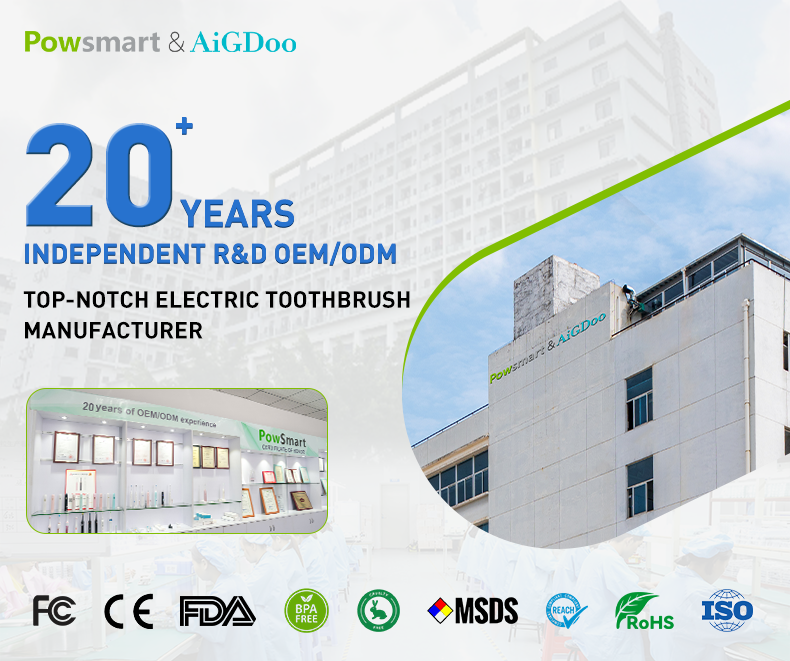
Does Your Microfluidic Chip Fabrication Service Offer a Minimum Order Quantity Waiver for R&D?
.jpg)
Oakland toothbrush deals — can you claim a California tax-free benefit?
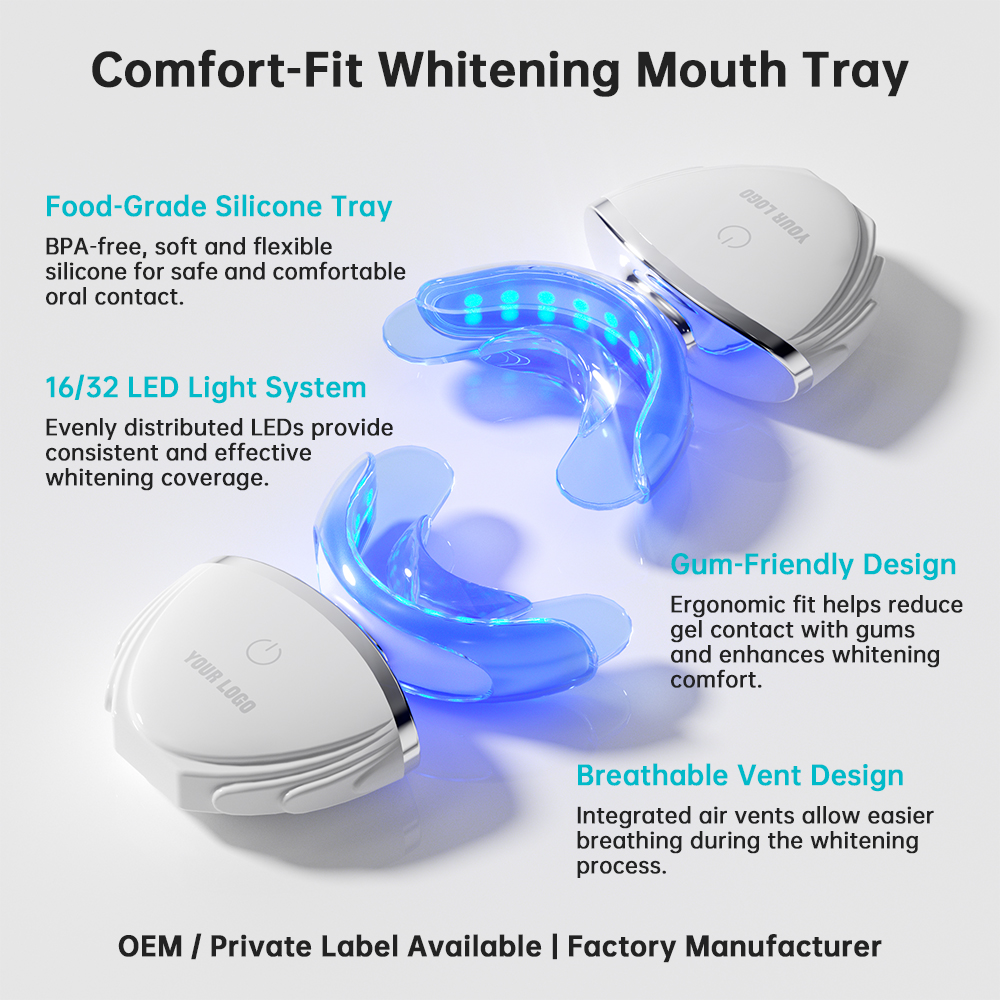
Need a Custom Whitening Tray for a Gentle Sensitive Teeth Formula?
.jpg)
low noise sonic toothbrush supplier | Quiet Sonic Toothbrush OEM Manufacturer
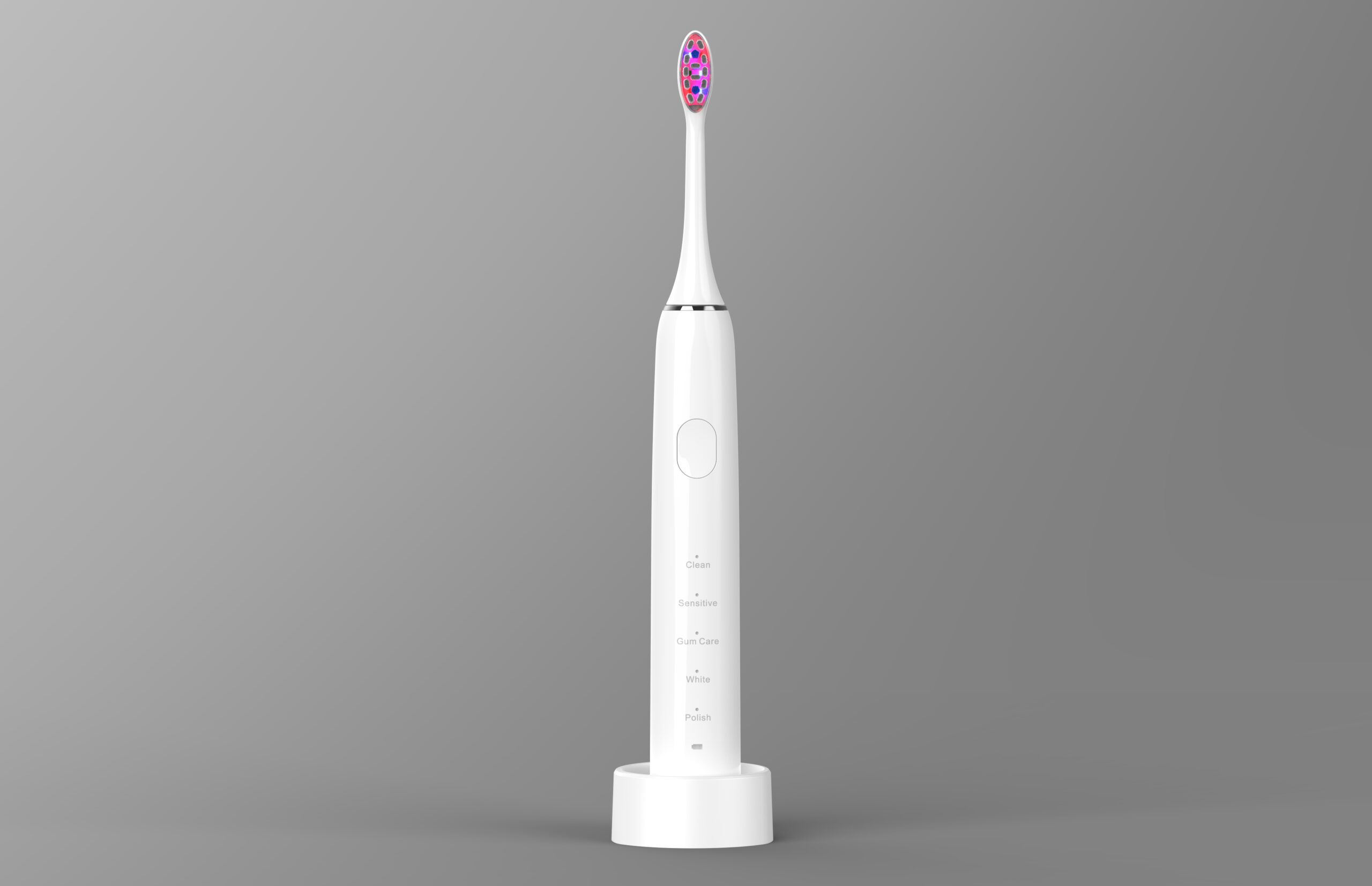
Why Is a Precise Pressure Control System Dependent on an Accurate Flow Rate Calibration Tool?
Does a Clinic strength brush qualify as an India medical toothbrush standard?
Electric Toothbrush Bulk for Wellness Programs | B2B Oral Care Solutions
Smart Toothbrush for Whiter Teeth | Bright Smile Solutions

Comparison of Electric Toothbrush Battery Types: How to Choose the Power Solution That Best Suits Your Brand Positioning?
Electric Toothbrush Durability Testing Standards for OEM Manufacturing
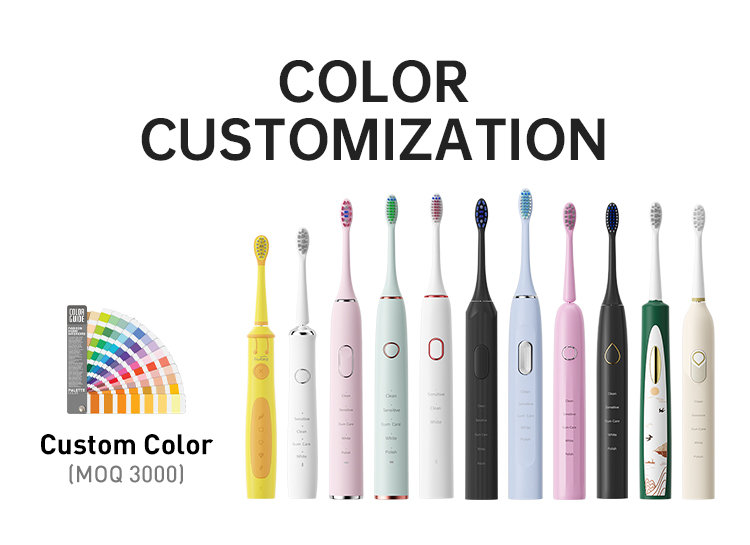
Why Would a Flosser LCD Panel Be Useful on a Simple Gravity Assist System?

Looking for a China electric toothbrush that’s also a smart sonic toothbrush?
Oral Beauty Product Customization OEM for Scalable Brand Development
Dental Clinic Whitening Equipment Bulk Supply for Professional Buyers


.jpg)
.jpg)
.jpg)
.jpg)
.jpg)








.jpg)

.jpg)