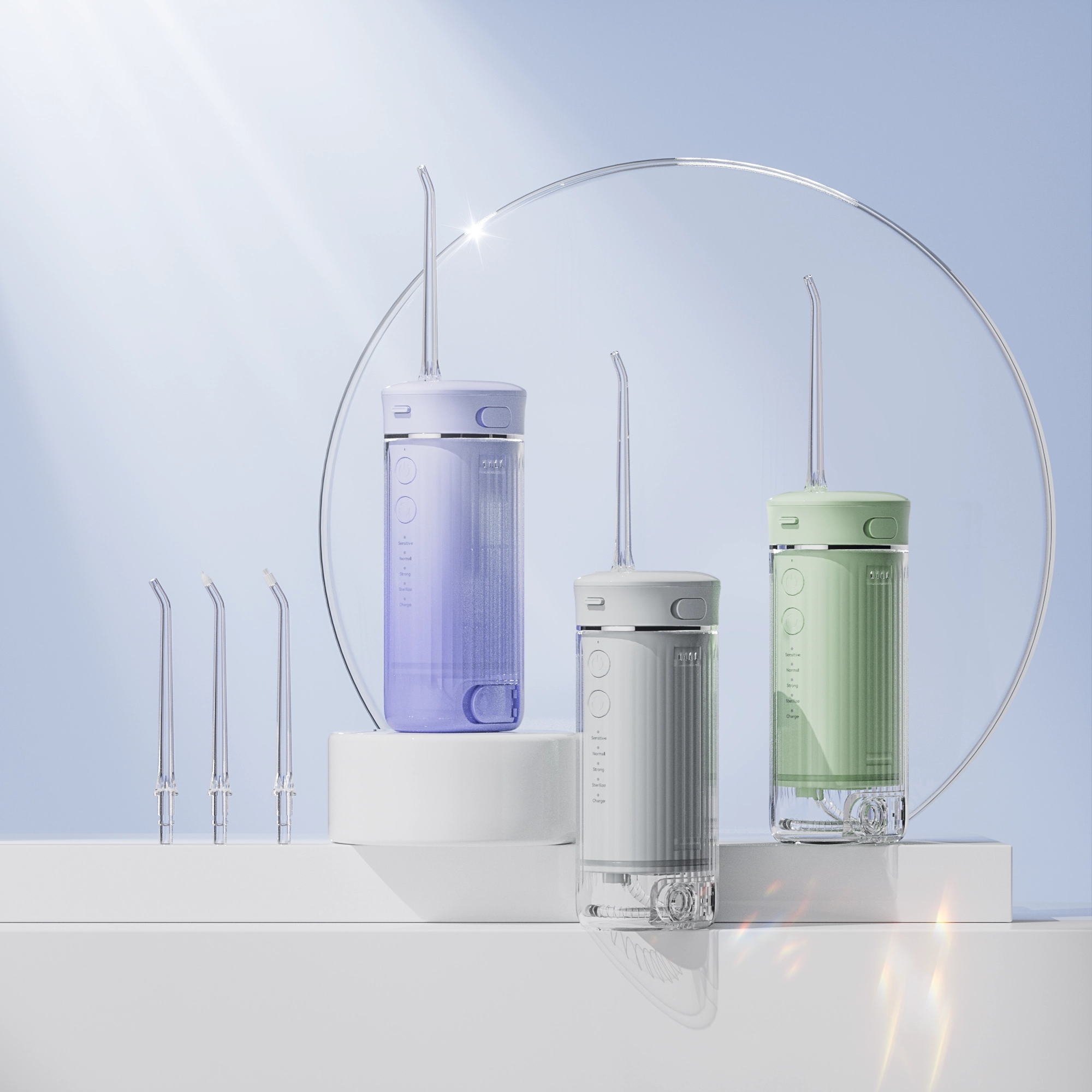
As professional water flossers expand into periodontal and clinical-grade applications, manufacturers are evaluating whether Saline Solution Compatibility is essential for maximizing the performance of a Calcified Deposit Remover. Saline-based irrigation is widely used in dental settings due to its tissue-friendly properties, ionic stability, and ability to maintain osmotic balance. Ensuring device components perform effectively with saline can greatly influence safety, efficiency, and overall clinical reliability.
Saline contains sodium chloride, which can corrode metals or degrade plastics if materials are not properly chosen. A Calcified Deposit Remover designed for saline use must incorporate corrosion-resistant alloys, medical-grade polymers, or protective coatings to ensure long-term durability.
Although saline has a similar viscosity to water, its ionic content can influence flow behavior. Ensuring Saline Solution Compatibility allows the device’s pump and nozzle system to maintain consistent pressure, which is critical for breaking down calcified deposits safely and efficiently.
Saline is gentler on soft tissues than pure water, especially during high-pressure plaque removal procedures. When paired with a Calcified Deposit Remover, saline minimizes irritation and supports a smoother clinical experience, particularly for sensitive or inflamed gingival areas.
The ionic composition of saline helps suspend micro-particles and debris dislodged during calcified deposit removal. Designing the system for saline use improves debris evacuation efficiency and prevents nozzle clogging.
A device not optimized for saline may experience unintended chemical reactions—such as mineral scaling or chloride buildup—within internal channels. Engineering specifically for Saline Solution Compatibility prevents these issues and extends device service life.
Clinical practitioners expect predictable and repeatable performance. Ensuring that the Calcified Deposit Remover operates seamlessly with saline irrigation strengthens overall reliability, reduces maintenance needs, and aligns with professional hygiene standards.
For manufacturers, designing a Calcified Deposit Remover with full Saline Solution Compatibility is not just beneficial—it is increasingly becoming a requirement for professional-grade flossers. By selecting corrosion-resistant materials, optimizing pump behavior, and ensuring chemical stability, OEM partners can deliver devices that meet clinical expectations for safety, performance, and longevity.Contact us

Why Conduct a Pressure Decay Test on Units Featuring Vortex Chamber Technology?
.jpg)
Blue Light Whitening Device OEM Solutions for Global Brands
How Do Hydro-dynamic Bearings Optimize Flow Channel Geometry in Water Flossers?
Pressure Sensor Toothbrush | OEM Manufacturing for Sensitive Gum Care
Partner with OEM Experts for Dentist-Recommended At-Home Teeth Whitening Products
.jpg)
How Does a Hydro-mechanical Seal Improve the Reliability of Turbine Impeller Design in Water Flossers?
How to Start a Private Label Teeth Whitening Brand?
How Does a Photobleaching Catalyst Interact with Optical Brighteners in Advanced Whitening Formulations?
How Does a Water Flosser Pump OEM Partner Ensure Quality for Oral Irrigator Nozzle Production?
Why Are Travel-Friendly Oral Care Products So Favored by Users?
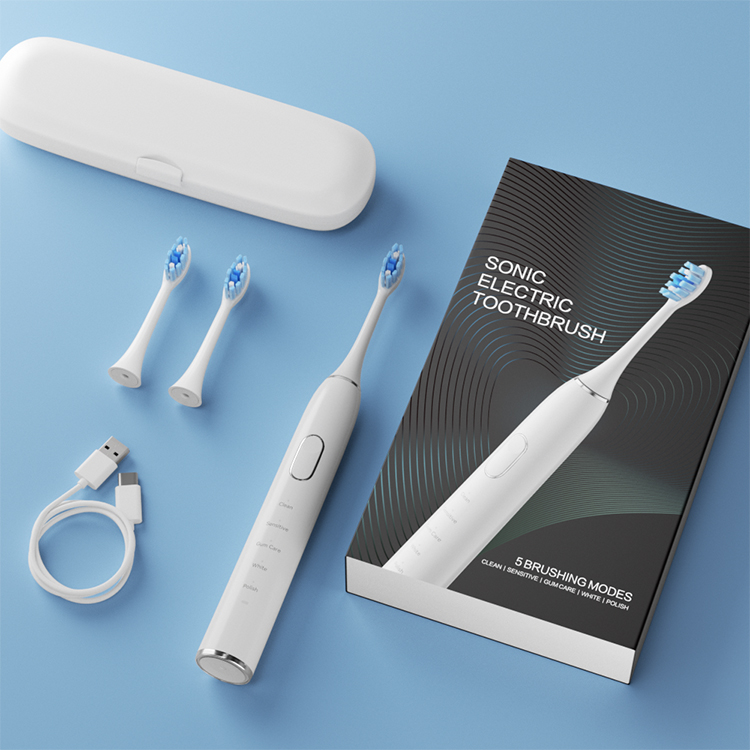
What Can an Experienced Oral Care Products Factory Help You When Creating Your Own Brand?
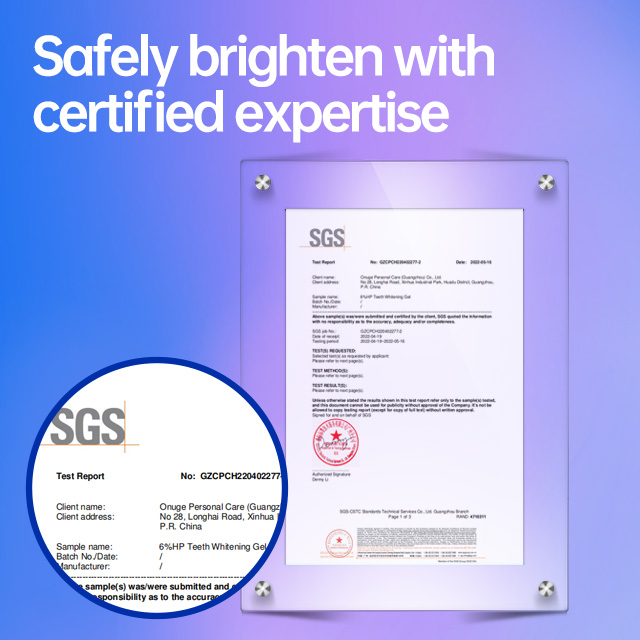
Oral Care in Cosmetics: The Next Frontier for Beauty Brands & OEMs
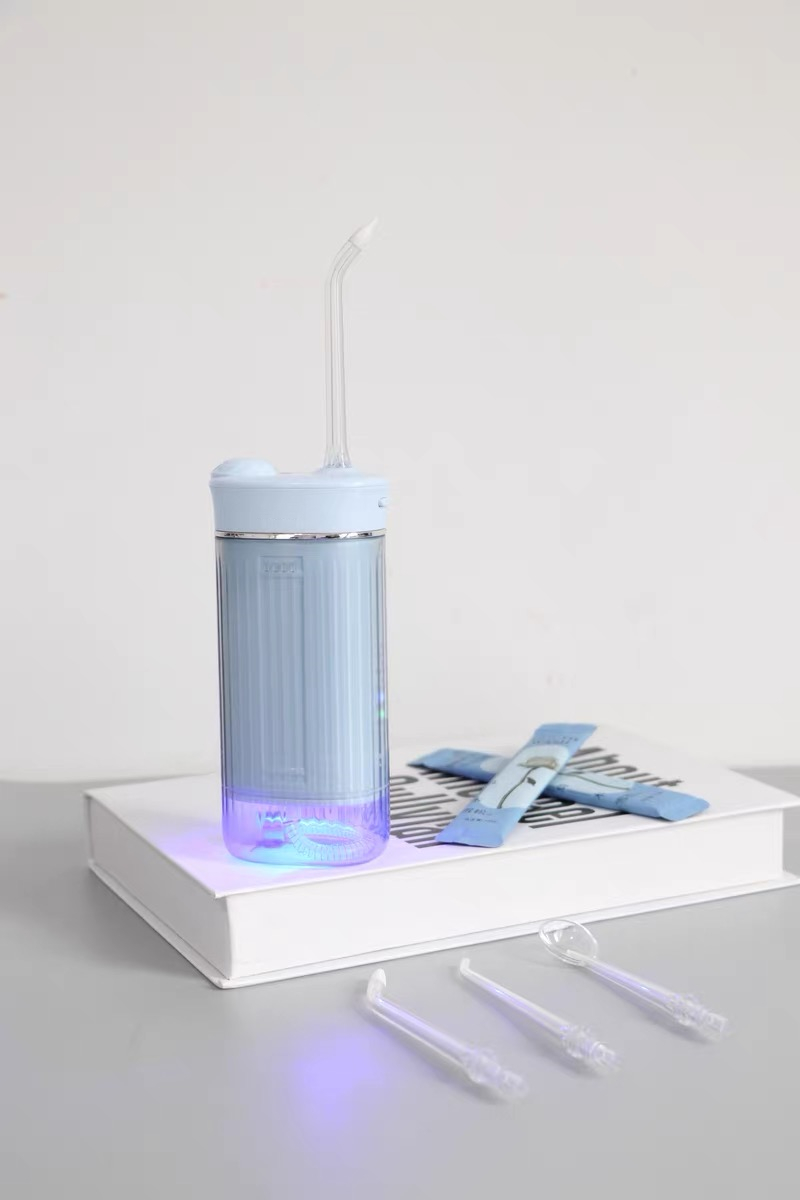
Water Flosser Power Settings: Balancing Cleaning Efficacy with User Comfort
Soft Bristle Electric Toothbrush OEM Supplier | Sensitive-Care Toothbrush Manufacturer
USB Rechargeable Toothbrush Wholesale Supplier Guide
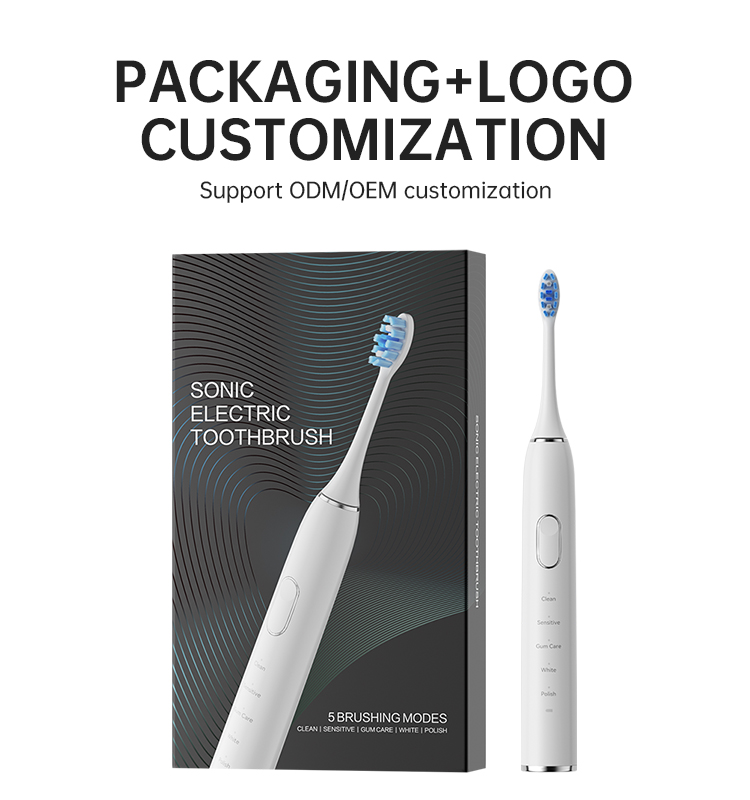
What Options Are Available for Customizing the Logo on Electric Toothbrushes?


.jpg)
.jpg)
.jpg)
.jpg)
.jpg)