In today’s manufacturing industry, product durability and sustainability have become key competitive factors. Particularly in the brush head product sector, manufacturers often face the issue of Brush Head Frying—a phenomenon where prolonged usage and high-temperature processing lead to material degradation, fragility, or premature failure of the brush heads. At the same time, finding ways to reduce resource consumption and achieve environmental goals while enhancing product durability has become a focal challenge for the industry. This article explores the prospects of using a high Recycled Plastic Ratio to improve durability and sustainability from various angles, including technological breakthroughs, material optimization, and process innovation, while covering the following six key points.
Firstly, many manufacturers encounter the problem of Brush Head Frying during production. Over time, intensive use causes brush head materials to age, deform, and sometimes fracture. Experts in the industry believe that the durability of brush heads depends not only on the quality of the raw materials but also on the manufacturing process and product design. In this context, choosing more environmentally friendly materials and reducing production costs without compromising performance has become an urgent issue to resolve.
When addressing the aforementioned challenges, incorporating recycled plastics with a high Recycled Plastic Ratio offers a promising breakthrough for manufacturers. Using recycled plastics can not only reduce resource waste but also optimize the product structure, enhancing the brush head’s resistance to high temperatures and fatigue. Specifically, a high recycled plastic ratio can:
Secondly, to effectively prevent Brush Head Frying, manufacturers need to optimize both product design and manufacturing processes. Designers and engineers should consider the following:
High recycled plastic ratio advances technology and significantly enhances environmental sustainability. By significantly increasing the reuse rate of materials, enterprises can effectively reduce dependence on virgin plastics and lower carbon emissions and waste generation. Moreover, this strategy aligns with the rising environmental standards both nationally and internationally, providing strong support for companies in building a green brand image amidst fierce market competition.
In the current market environment, an increasing number of end users and partners are raising the bar for environmental attributes and durability in products. The use of a high Recycled Plastic Ratio meets this demand, showcasing significant advantages in product quality while opening new market opportunities for enterprises. By continually optimizing product design and manufacturing processes, companies can not only meet customer expectations but also enhance brand value, achieving a win-win situation for both economic and environmental benefits.
Looking ahead, the technology of a high recycled plastic ratio holds broad development prospects. With the continuous emergence of new materials and processes, the measures to combat Brush Head Frying will become more diversified and refined. Enterprises should keep abreast of international cutting-edge technologies, conduct regular product tests, and analyze data to continuously improve production processes, ensuring leading advantages in technology, quality, and environmental sustainability. Additionally, cross-industry collaboration and technological exchanges will further inject vitality into the overall industry upgrade.
In summary, facing the Brush Head Frying issue in brush head products, increasing the Recycled Plastic Ratio can not only bring technological innovations but also provide a solid guarantee for enhanced durability and sustainability. Manufacturers who focus on production efficiency, product quality, and environmental sustainability will gain a significant competitive advantage in the future market. By continuously refining process workflows, optimizing material ratios, and strengthening design innovation, enterprises are poised to seize market opportunities and drive the entire industry to higher levels of development.https://www.powsmart.com/about-powsmart/
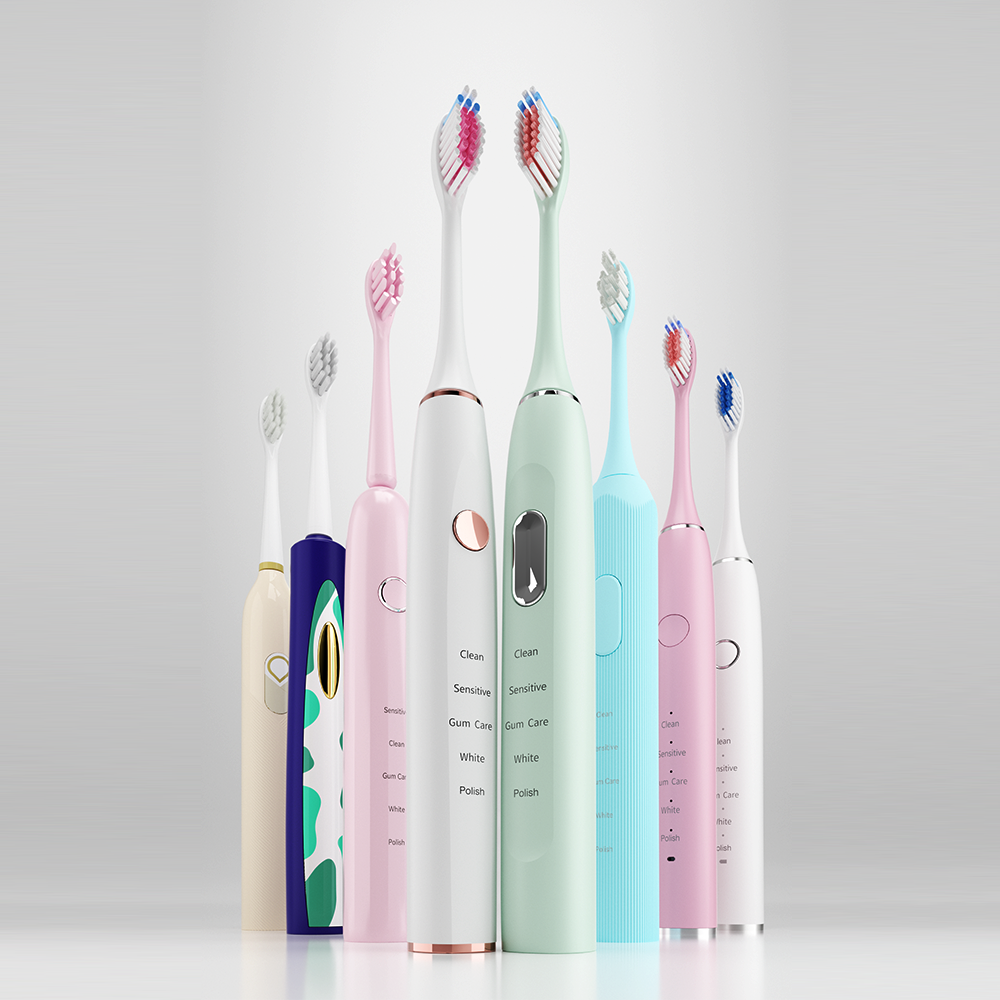
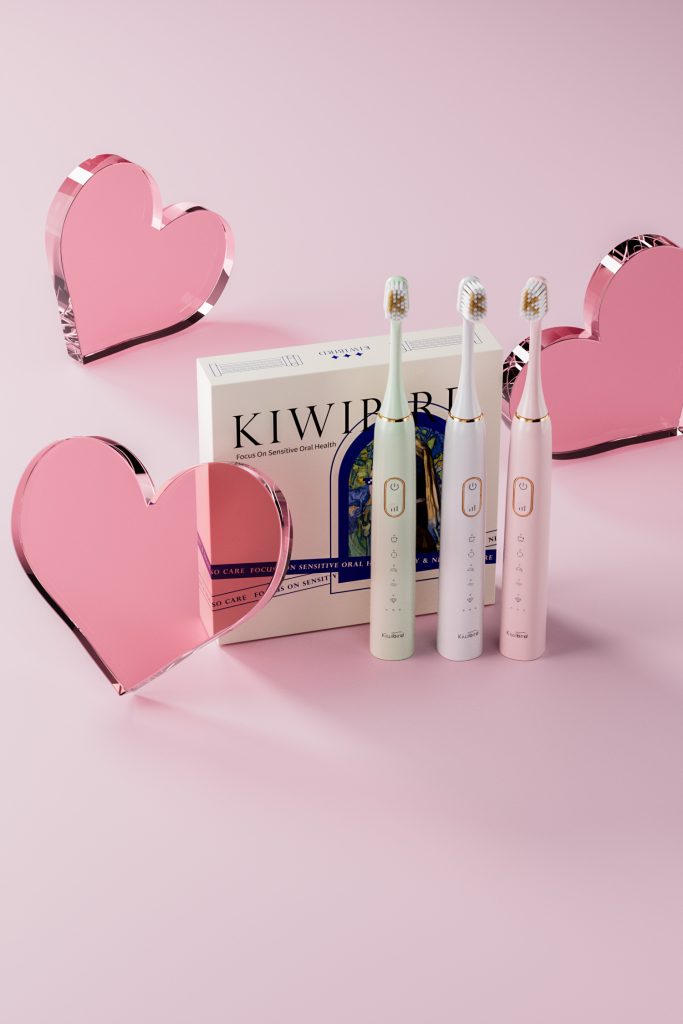


Discuss the application prospects of artificial intelligence, Internet of Things and other technologies in the field of water flosser
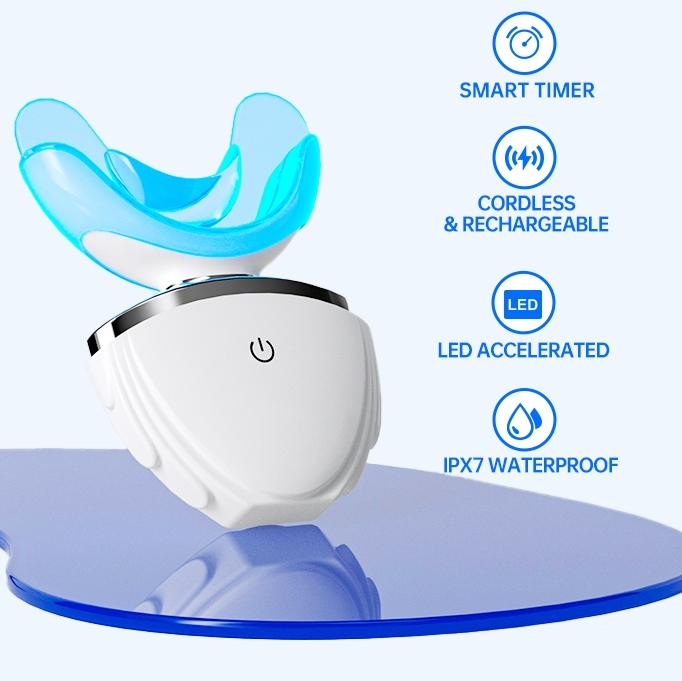
From a Chemical Perspective, Do Teeth Whitening Products Really Work?
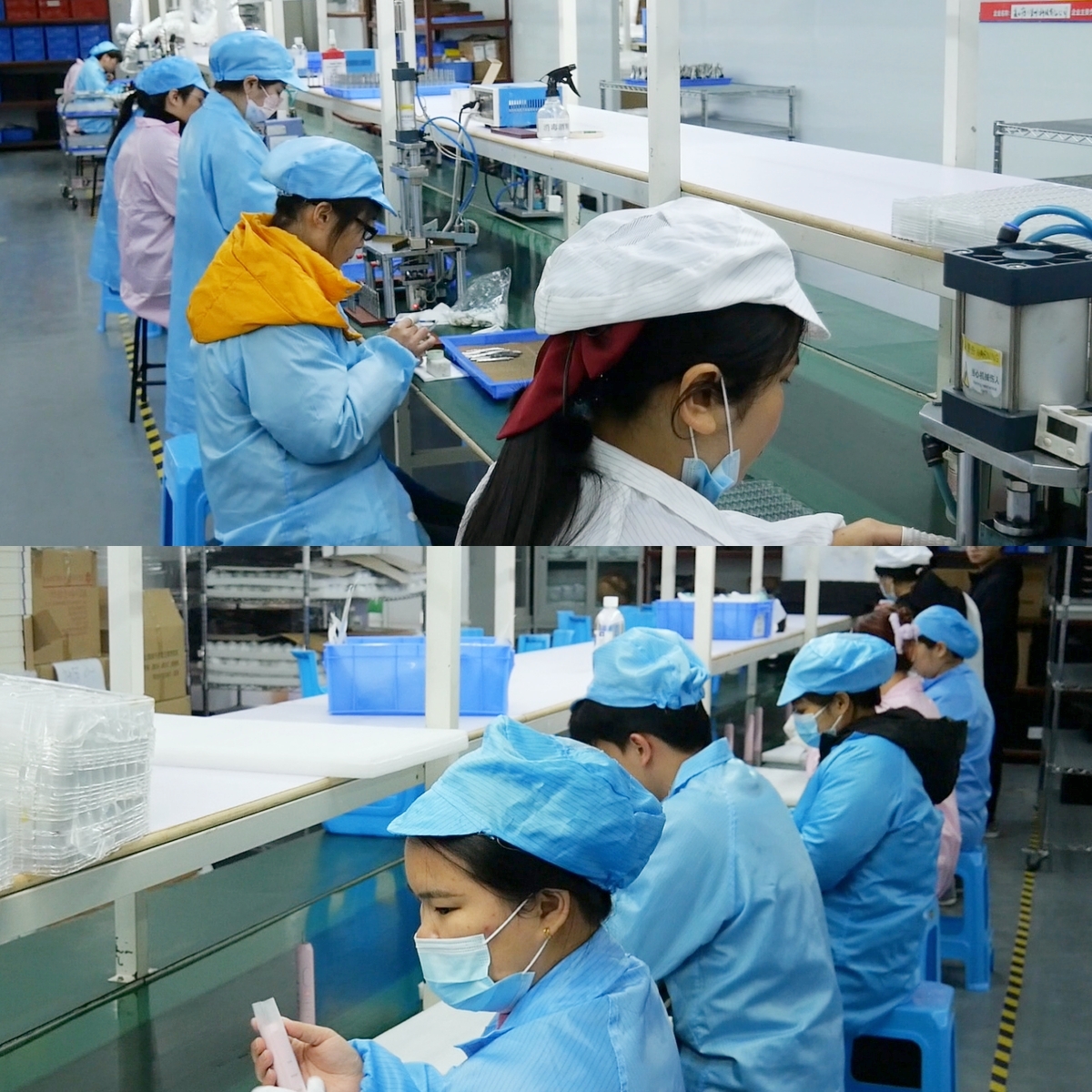
Reveal the Big Brand OEM: The Manufacturing Insider of an International Brand Electric Toothbrush
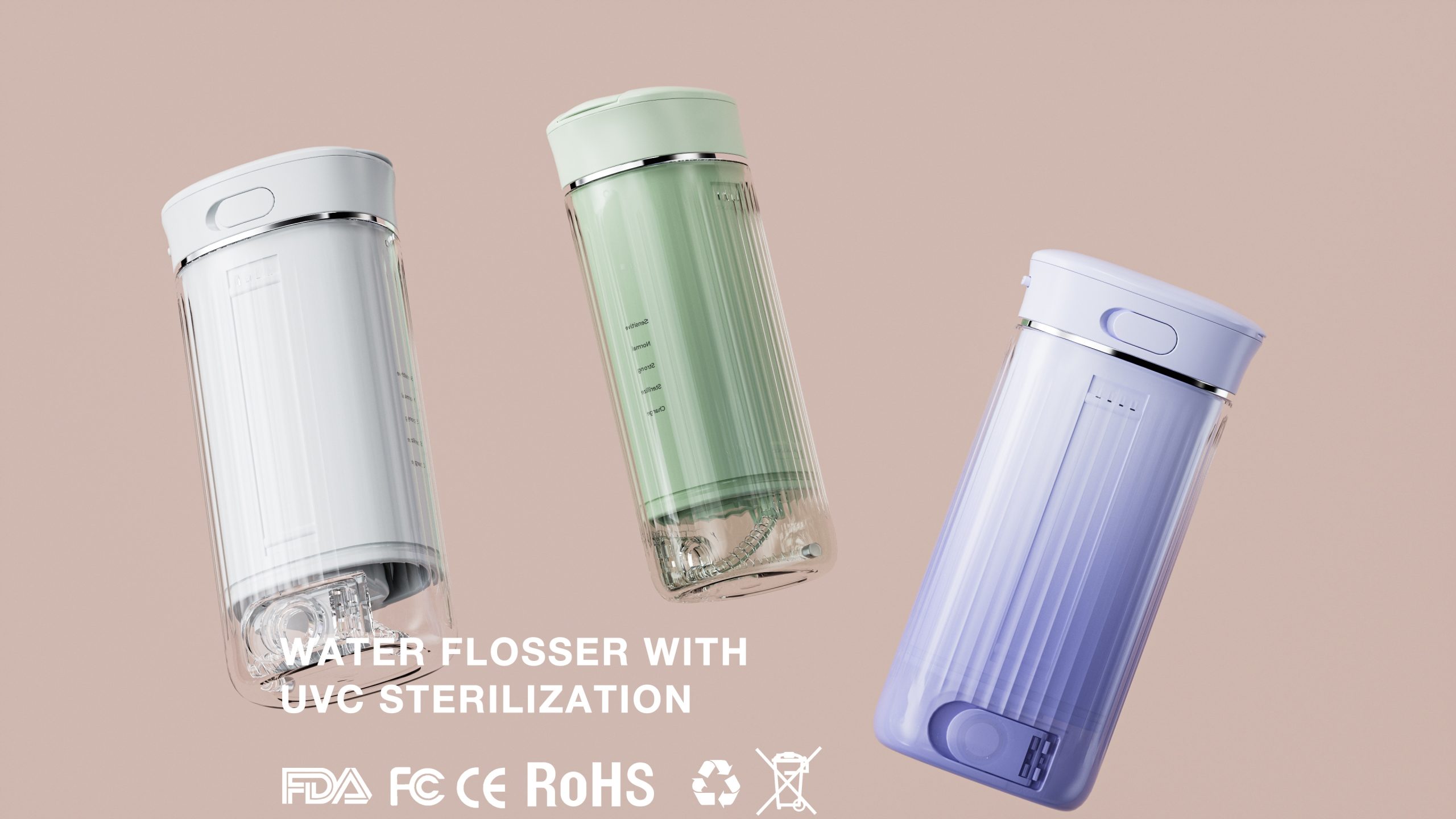
Water Flosser Maintenance: How to Keep Your Device in Top Condition
Learning About Expiration Dates of At-Home Oral Care Products
Electric Toothbrush Manufacturing Under the Environmental Trend: Biodegradable Materials and Green Production
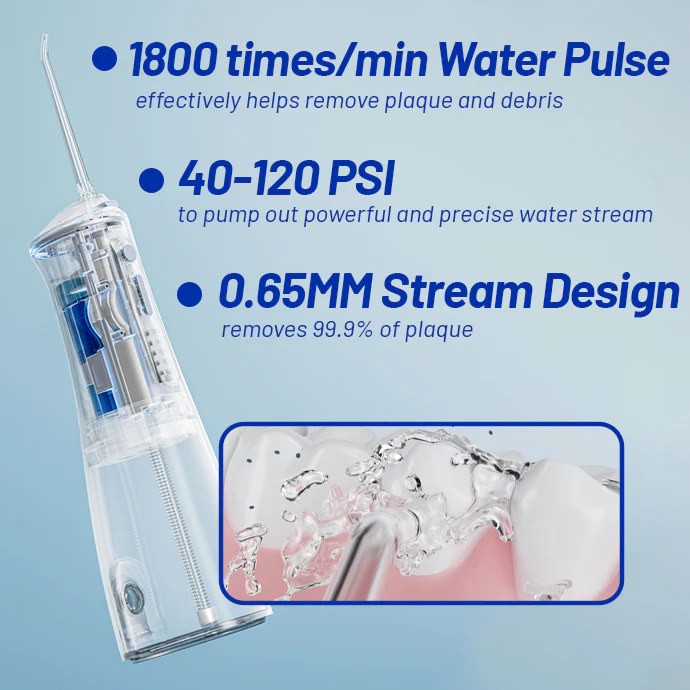
The Competitive Edge: How Water Flosser brands Stay Ahead in the Market
Why & How People Start a Teeth Whitening Business (Steps)
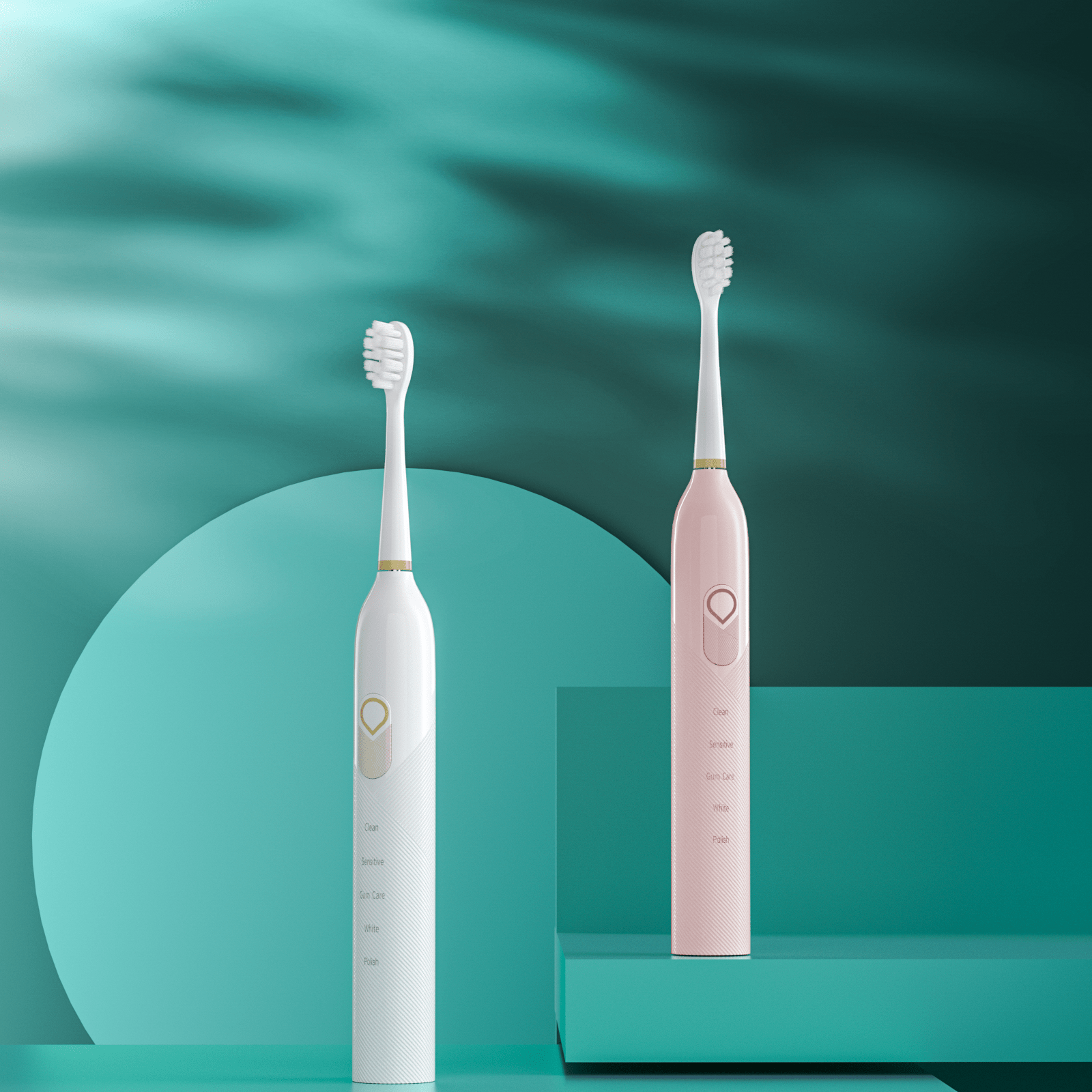
Sonic Electric Toothbrushes: A Key to Long-Term Dental Health
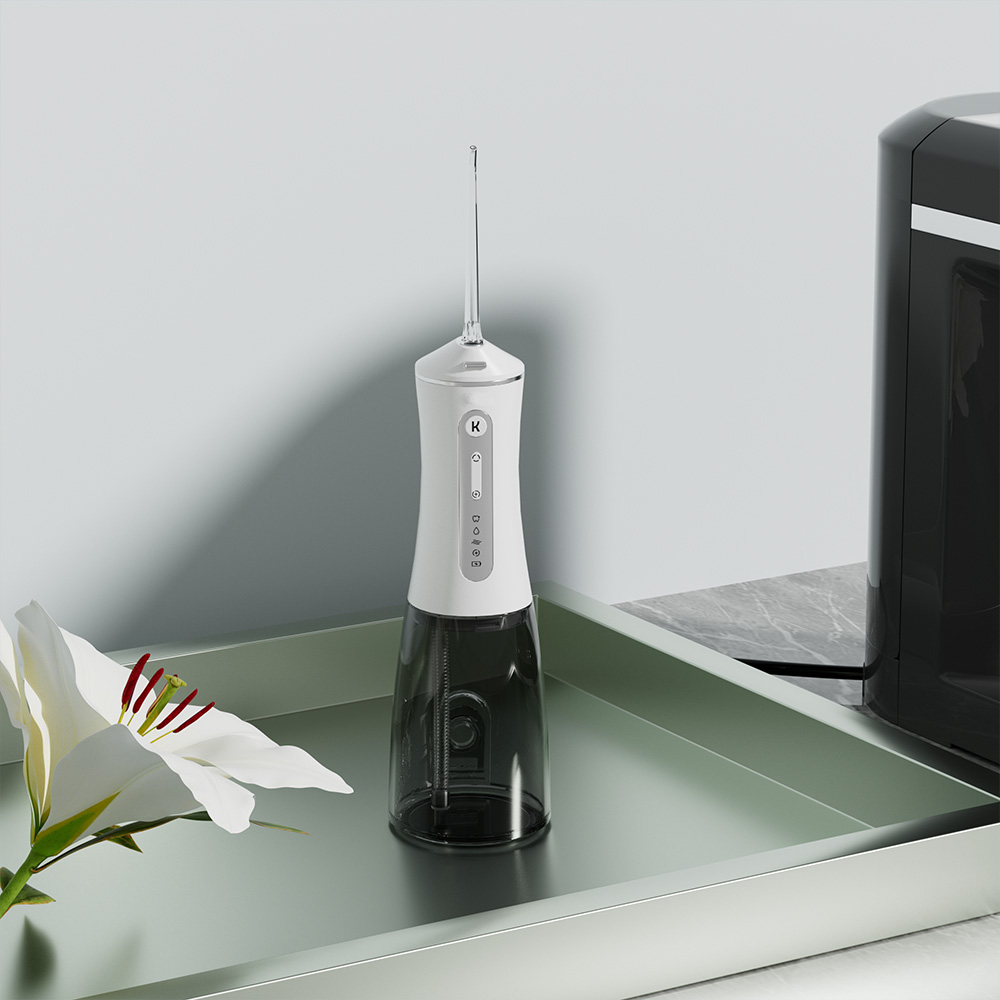
Common Water Flosser Problems and How to Fix Them
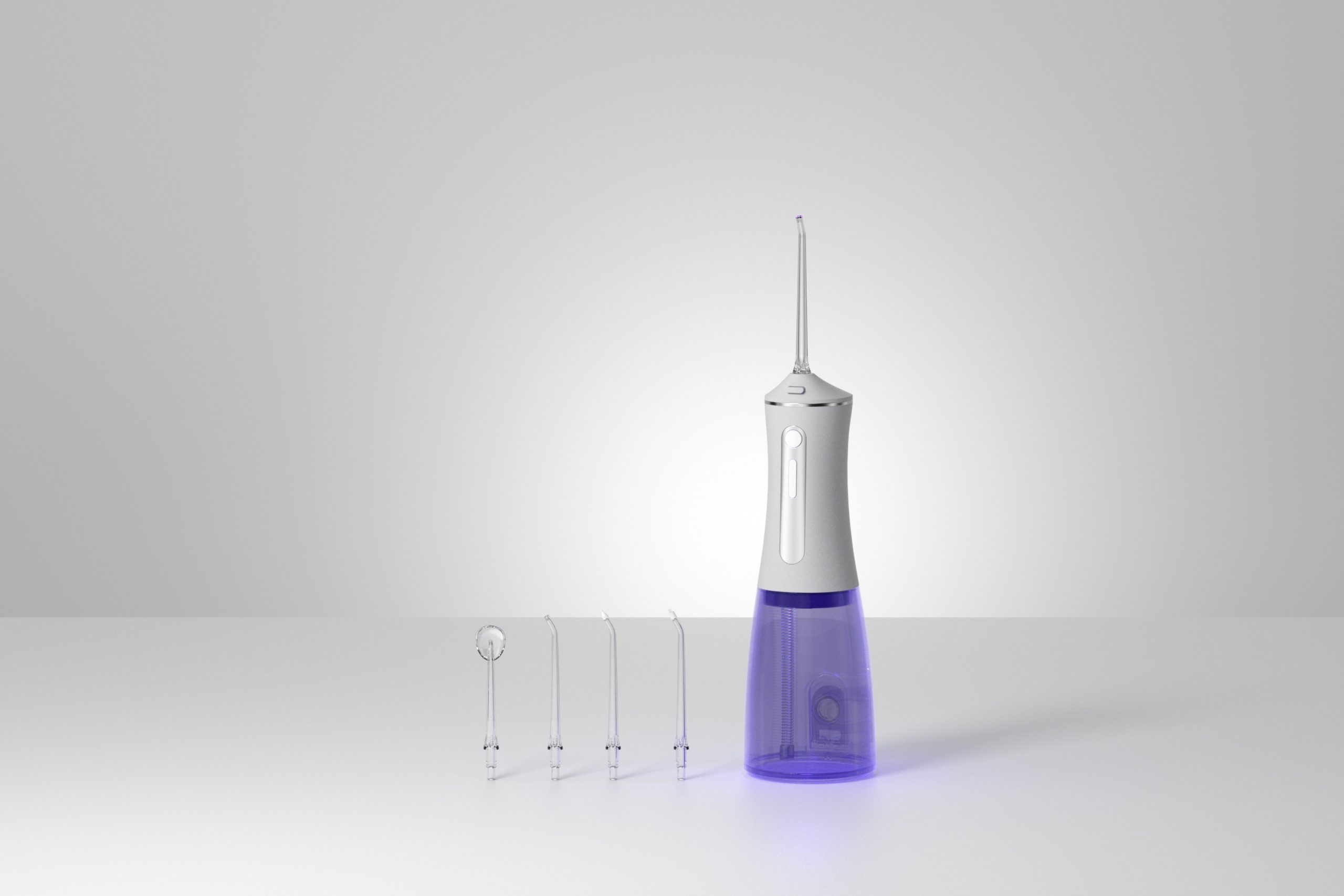
Why Water Flosser Are Gaining Popularity: Insights from Manufacturers
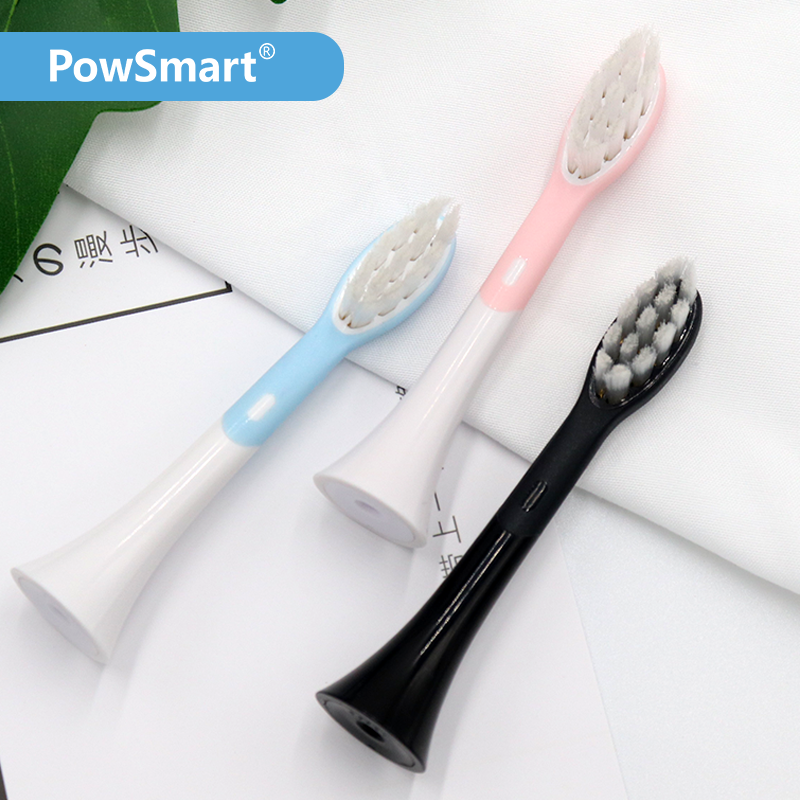
Are the Benefits of Charcoal Bristle Brush Head Real?
.jpg)
Could Your Dual Bearing Drive’s Mode Malfunction Be Costing You Efficiency?
The Future of Teeth Whitening Devices: Trends and Innovations in Manufacturing
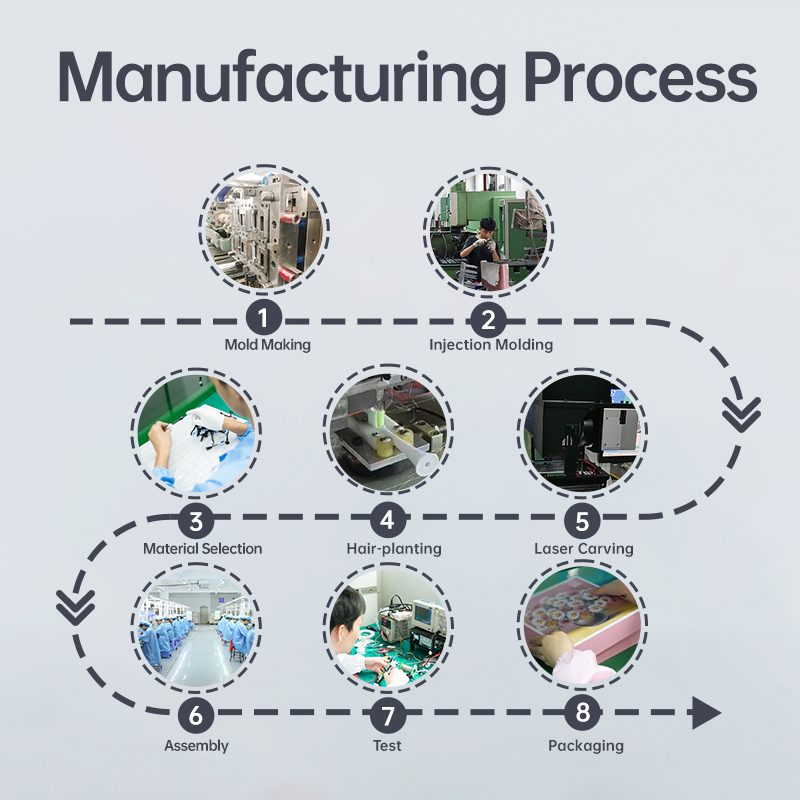
How to Optimize the Production Process of Electric Toothbrush? Intelligent Factory Upgrade Practice
How to Pick the Right Water Flosser for Your Oral Health: Answers from an Oral Irrigator Manufacturer


.jpg)
.jpg)
.jpg)
.jpg)
.jpg)



.jpg)