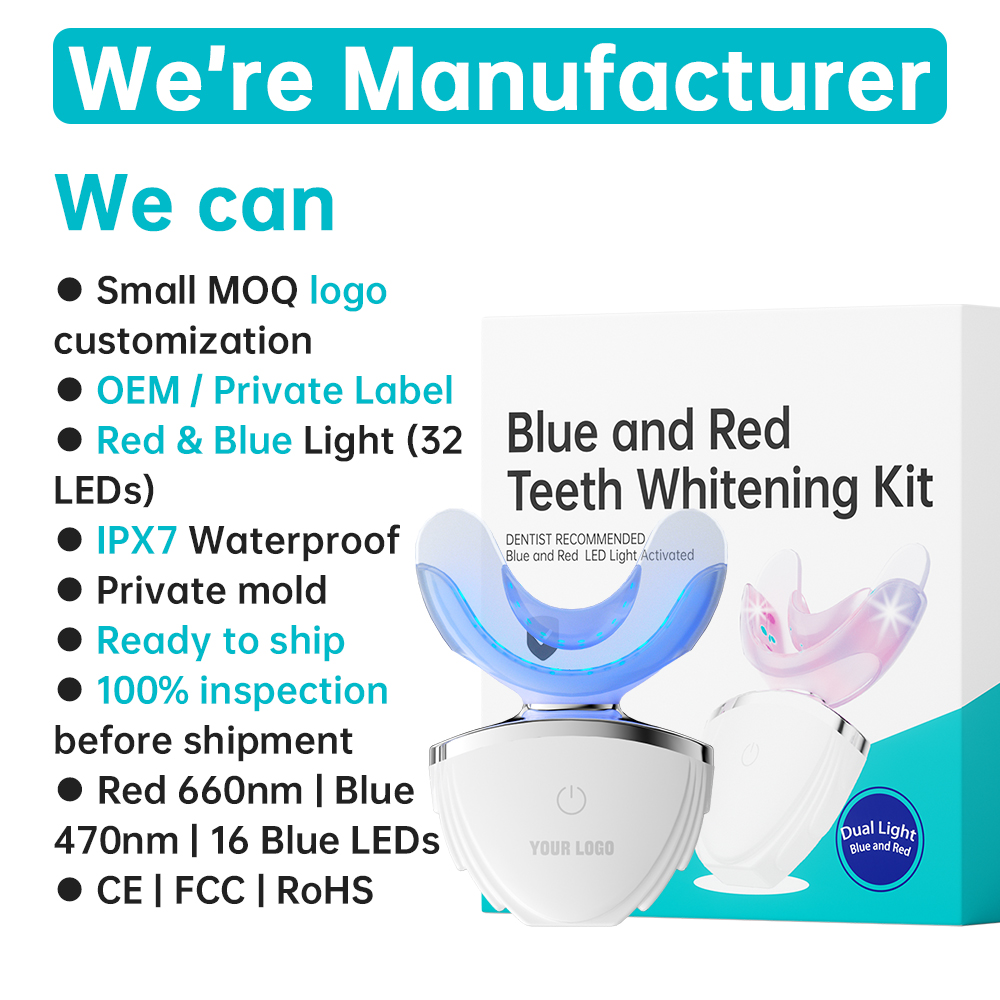
When it comes to at-home teeth whitening, 3% hydrogen peroxide is one of the most commonly discussed ingredients. But is it truly effective for achieving a brighter smile, or is it simply too mild to make a difference? As an OEM manufacturer specializing in oral care products, we’ve worked with various formulations and whitening concentrations, giving us a deep understanding of how whitening strength, safety, and formulation design come together.
Hydrogen peroxide is a proven whitening agent used in both professional and over-the-counter dental products. It works by releasing oxygen molecules that break down stains on the enamel surface. The higher the concentration, the faster and stronger the whitening effect—but also the higher the risk of irritation or enamel sensitivity.
A 3% hydrogen peroxide concentration can indeed whiten teeth, but its teeth whitening strength is considered mild to moderate. This makes it ideal for consumers seeking gradual whitening and minimal tooth sensitivity. However, results depend on the frequency of use and the contact time with enamel. While professional treatments may use up to 35% hydrogen peroxide, 3% remains a safe, entry-level choice for daily or frequent use.
From an OEM manufacturer’s perspective, creating a safe whitening formula is about more than just the peroxide concentration. The stability of hydrogen peroxide, the pH balance, and the supporting ingredients (like fluoride, xylitol, or soothing agents) all contribute to both safety and efficacy. Our R&D team often customizes formulas to balance whitening performance with user comfort.
Partnering with an experienced OEM manufacturer allows brands to develop customized whitening products that align with market needs. Whether you’re targeting sensitive users or consumers seeking fast results, an OEM partner can adjust peroxide levels, delivery formats (gels, pens, strips, or foams), and even flavor profiles to ensure product differentiation and compliance with local regulations.
If 3% hydrogen peroxide seems too mild for your target market, OEM developers can modify the formulation by combining it with other whitening agents or stabilizers that enhance efficacy without increasing irritation risk. This approach ensures that the teeth whitening strength remains effective while maintaining a safe whitening formula for consumers.
While 3% hydrogen peroxide is not the strongest whitening agent available, it represents a perfect balance between visible results and enamel safety. For brands looking to launch gentle yet effective whitening products, working with an experienced OEM manufacturer ensures that every formulation meets both performance expectations and safety standards.
Conclusion
In the competitive oral care market, the secret to success lies in the right formula and the right partner. A knowledgeable OEM manufacturer can help you develop customized, compliant, and effective safe whitening formulas—whether you choose 3% hydrogen peroxide or a stronger blend.
.jpg)
Discover the Best Electric Toothbrushes from PowSmart: Your Ultimate Oral Care Solution
NYC Teeth Whitening Kits | Fast, Stylish At-Home Solutions
Best Electric Toothbrush for Sensitive Gums – Gentle and Effective Oral Care
Discover the Ultimate Oral Care Solution with PowSmart Electric Toothbrushes
Discover the Ultimate Oral Care Solution with PowSmart Electric Toothbrushes
Discover the Ultimate Oral Care Solution: PowSmart Electric Toothbrushes from China
Biodegradable Electric Toothbrush OEM | Eco-Friendly Oral Care Manufacturing
Unleash Your Oral Health with PowSmart Electric Toothbrushes: The Ultimate Choice for a Sparkling Smile
Discover the Best Electric Toothbrushes from Powsmart in China for US Consumers
Powsmart Electric Toothbrush: Your Ultimate Oral Care Solution from China
ERROR
Discover the Best Electric Toothbrushes from Powsmart: Your Ultimate Oral Care Solution in the US
Discover the Ultimate Oral Care Solution: PowSmart Electric Toothbrush Manufacturer from China
Does POWSMART Sonic Brush OEM Pose Overheating Risks?
Eco Packaging Electric Toothbrush Supplier
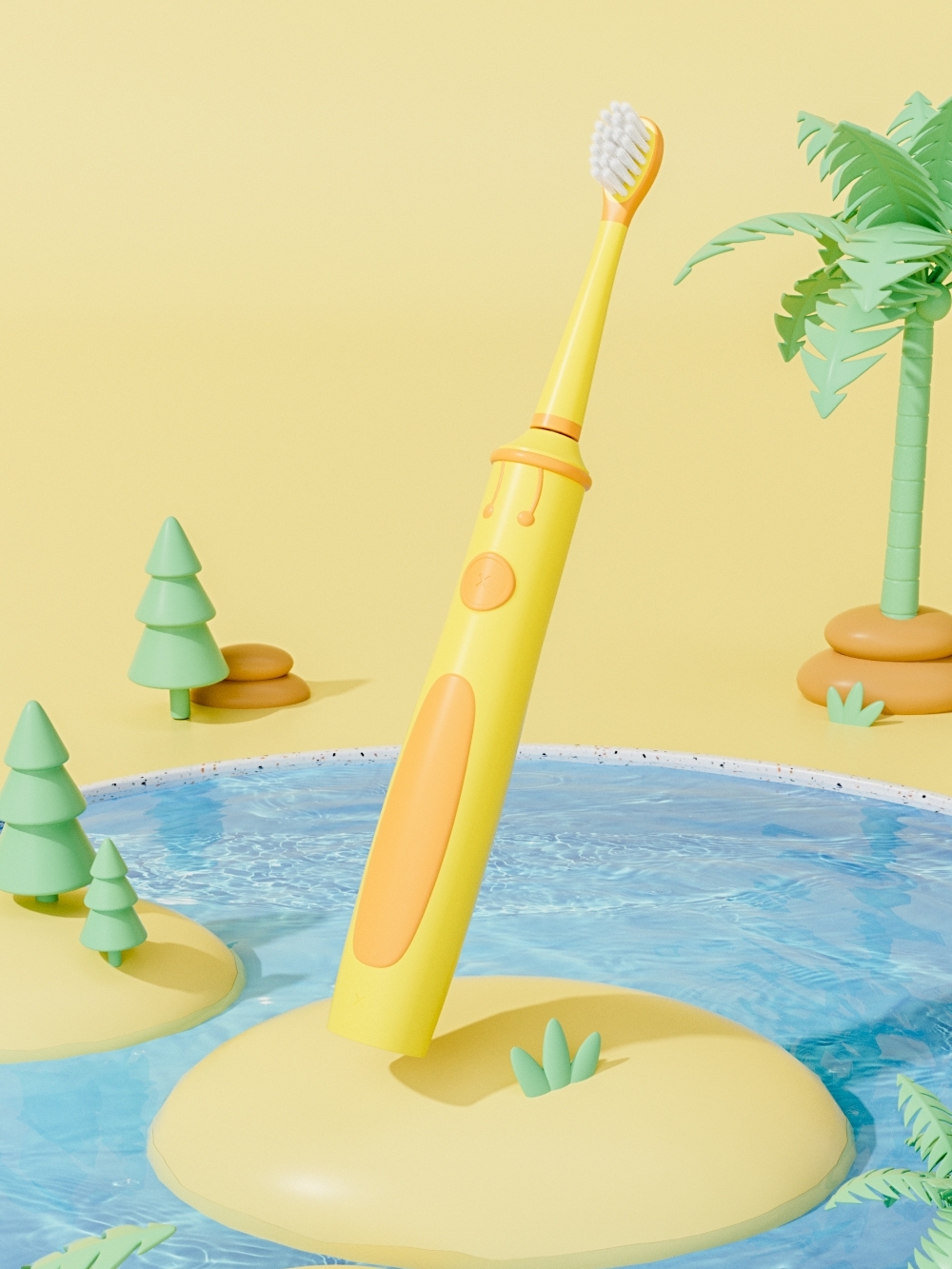
Kids’ Smart Toothbrush Customization: Fun & Safe Brushing Solutions


.jpg)
.jpg)
.jpg)
.jpg)
.jpg)