As more oral care brands pursue advanced cleaning performance, many OEM partners are asking whether Cavitation Cleaning Technology can reach its full potential when paired with a Micro-perforated Brush Head. Since cavitation relies on micro-bubble formation and controlled fluid dynamics, brush head architecture becomes a critical design variable that directly influences efficiency, consistency, and cleaning depth.
Cavitation requires micro-turbulence and pressure differentials to create controlled bubble collapse. The size, spacing, and shape of perforations in a Micro-perforated Brush Head help regulate fluid flow, allowing Cavitation Cleaning Technology to generate bubbles more consistently around the tooth surface.
Perforations enable water and toothpaste slurry to circulate around bristles more freely. This improves cavitation-driven penetration into interproximal gaps, making the brush head a functional amplifier rather than just a carrier of bristles.
Cavitation performance depends on precise vibration frequencies. The elastomers or polymer blends used in the Micro-perforated Brush Head influence acoustic resonance and energy transmission. A softer material may dampen bubble activity, whereas engineered polymer composites can enhance micro-vibration propagation.
Since Cavitation Cleaning Technology involves rapid oscillation and localized pressure cycles, the brush head must be structurally stable. Reinforcement ribs, multi-shot molding, or fiber-filled plastics help prevent deformation around the perforated zones, ensuring long-term reliability.
Manufacturing a Micro-perforated Brush Head requires high-accuracy tooling. Even slight mold deviations can alter the hydrodynamics of cavitation. OEM mold design must incorporate micro-pins, venting strategies, and heat-balance control to maintain consistent perforation dimensions.
Optimal performance is not achieved by technology alone; it is the synergy between device vibration, bristle stiffness, perforation geometry, and fluid flow. A well-engineered Micro-perforated Brush Head becomes the structural interface that allows Cavitation Cleaning Technology to operate at peak effectiveness.
Integrating Cavitation Cleaning Technology with a Micro-perforated Brush Head is not only feasible—it can significantly elevate cleaning efficiency when engineered with precision. By optimizing material, geometry, and manufacturing accuracy, OEMs can deliver premium solutions that meet the performance expectations of next-generation oral care brands. Contact us
Need Toothbrush Industry Insights to Navigate Toothbrush Market Trends?
How Can a Reliable Brush Head Supply Chain Support a Subscription Business Model?
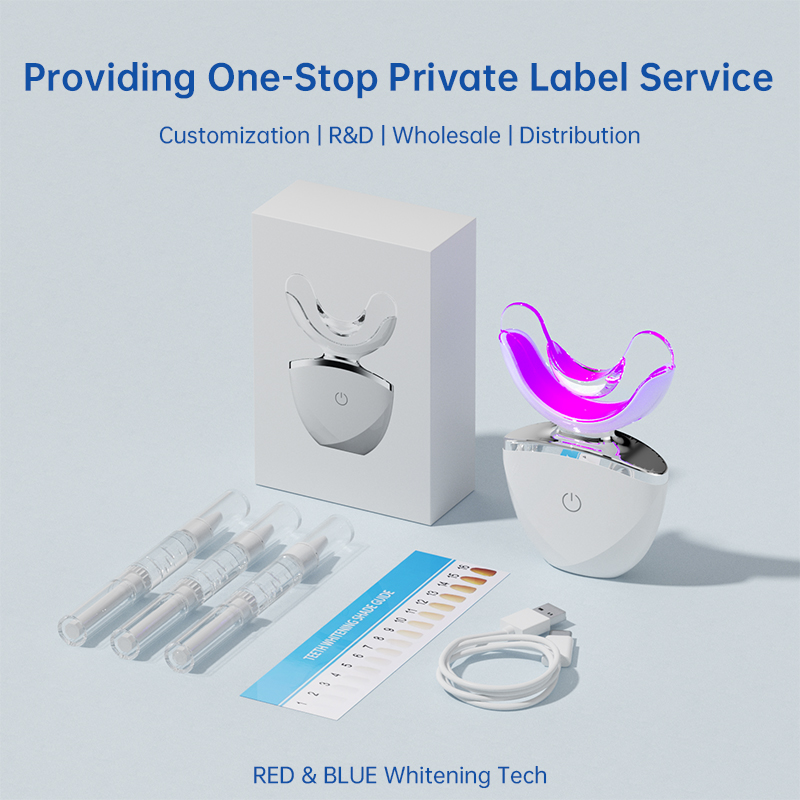
How Does Accelerometer-based Feedback Integrate with a Pressure-sensitive Matrix for Smart Brushing?
.jpg)
Sonic Toothbrush Frequency Control OEM Manufacturing Solutions
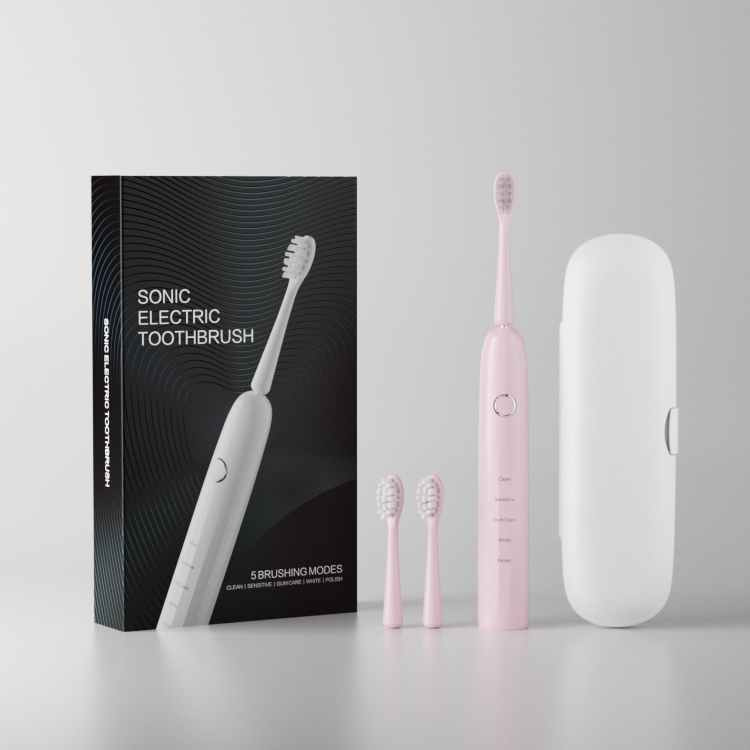
Electric Toothbrush Manufacturing: Key Resources and Supply Chain Insights for Brands
Electric Toothbrush Long Lifespan Motor Solutions for OEM Brands
.jpg)
San Francisco electric toothbrush supplier
Do U-shaped Toothbrushes Actually Work? An OEM Manufacturer’s Analysis
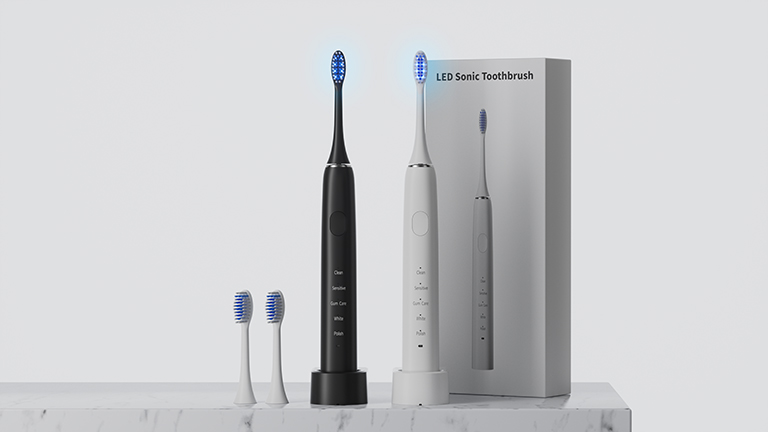
Electric Toothbrush Battery Life: A Key OEM Consideration for Product Competitiveness
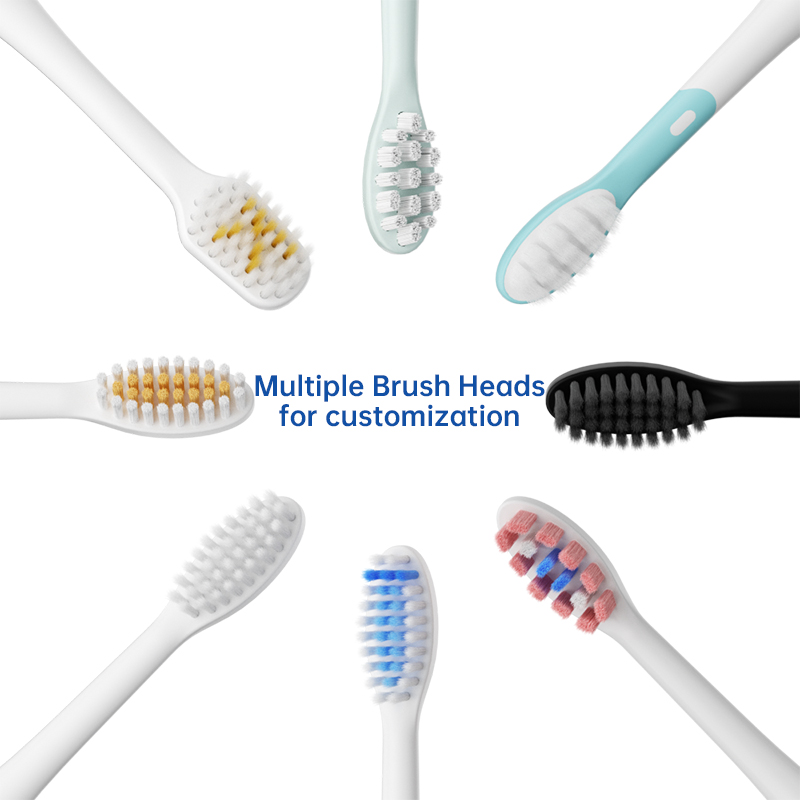
How Does the Brush Head Attachment Mechanism Influence the Overall Toothbrush Mold Design for OEM Production?
.jpg)
Are Water Flosser Packaging Solutions Key to Secure Water Flosser Export Packaging?
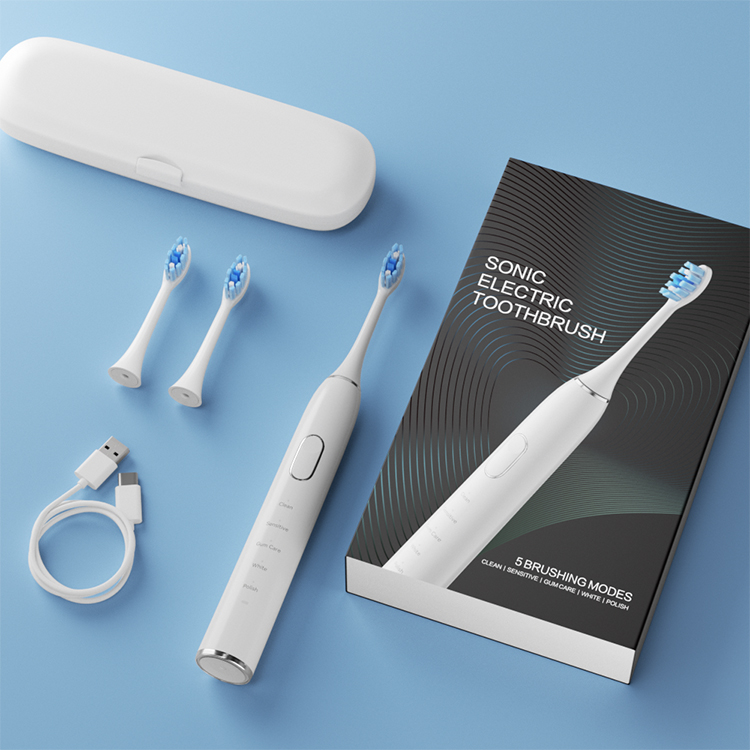
Can You Replace a New Battery in an Electric Toothbrush by Yourself?
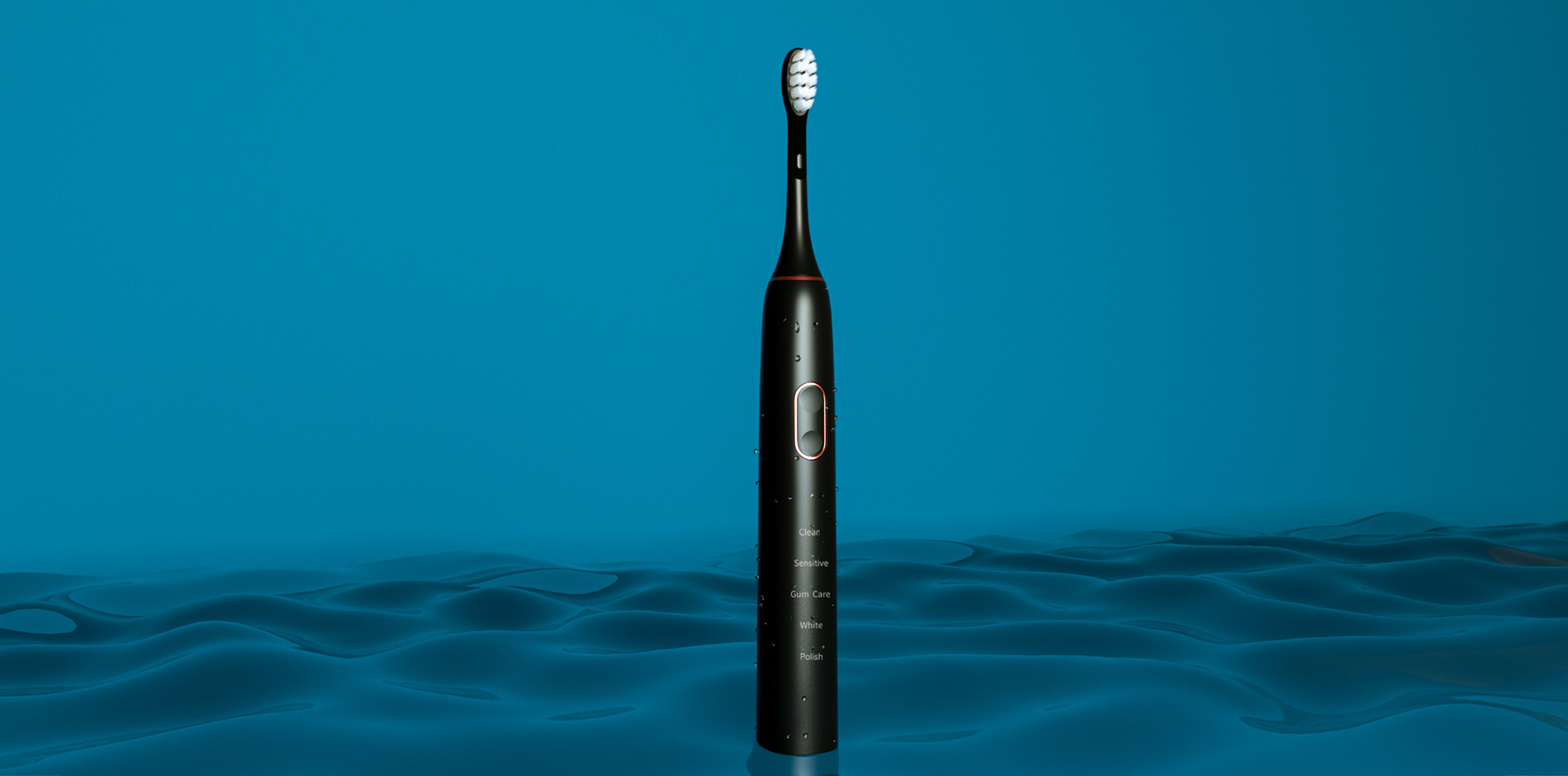
Toothbrush Business Profitability: How OEM Partnerships Maximize Your ROI
Battery Powered Electric Toothbrush Bulk | Reliable B2B Supplier
.jpg)
Will You Get a Transparent Toothbrush Cost Breakdown?
Electric Toothbrush for E-commerce Sellers Wholesale Manufacturing Solutions


.jpg)
.jpg)
.jpg)
.jpg)
.jpg)