In today’s highly competitive oral care market, AI-powered Plaque Mapping technology is revolutionizing the way consumers track their oral hygiene and monitor plaque buildup. With the help of artificial intelligence, these advanced systems can provide real-time feedback on areas needing attention, leading to a more effective cleaning routine. By analyzing Consumer Usage Data Insights from these technologies, manufacturers can unlock valuable information to fuel product innovation, enhance consumer satisfaction, and stay ahead of industry trends. This blog delves into how these insights drive the evolution of oral care products and improve user experience.
AI-powered Plaque Mapping generates detailed insights into individual user habits and the specific areas of the mouth where plaque tends to accumulate. By collecting Consumer Usage Data Insights from these systems, manufacturers can create personalized oral care solutions. For example, products can be tailored to target users’ specific needs, such as toothbrushes with specialized bristles for plaque-prone areas or mouthwashes designed to complement their brushing routine. This approach ensures that products meet the unique oral health needs of each customer, driving innovation in product design.
By analyzing the data from AI-powered Plaque Mapping tools, manufacturers can identify patterns and trends in consumer usage. For instance, if the data reveals that users often neglect certain areas of their mouth while brushing, product features can be adjusted to address these gaps. This could lead to innovations such as toothbrushes with specialized sensors that guide the user to areas that need more attention, or smart features that alert users when they’ve missed spots. These insights are invaluable for enhancing the effectiveness of oral care products.
One of the key features of AI-powered Plaque Mapping is its ability to provide real-time feedback to users. This helps consumers become more aware of their oral health and makes them more engaged in their daily routines. For manufacturers, Consumer Usage Data Insights from these interactions offer an opportunity to improve product usability. For example, if the data shows that users find the feedback interface confusing or difficult to interpret, manufacturers can refine the design and functionality of the app or device to ensure a more user-friendly experience. This ongoing cycle of feedback and improvement creates a better customer experience, which drives brand loyalty and long-term product success.
AI-powered Plaque Mapping offers more than just user-specific insights—it can also reveal broader trends in consumer behavior. By analyzing these Consumer Usage Data Insights, companies can better understand which features of their products are most valued by users. This data can inform marketing strategies and product positioning, allowing manufacturers to emphasize the most sought-after features. For example, if the data shows that a large segment of consumers values gum health over plaque removal.
Consumer Usage Data Insights help manufacturers understand how consumers interact with their products and where improvements can be made. This knowledge significantly accelerates the prototyping and iteration process. Instead of relying on guesswork or limited consumer feedback, companies can make data-driven decisions about product development. Whether it’s refining the design of a toothbrush handle, improving the battery life of a smart toothbrush, or enhancing the accuracy of a plaque detection system, AI-powered Plaque Mapping.
The ability to track and analyze Consumer Usage Data Insights over time provides a clear picture of how users’ needs evolve. This long-term data enables manufacturers to identify new opportunities for innovation. For instance, as users increasingly demand eco-friendly solutions, companies can leverage data to develop sustainable oral care products. By continuously tapping into the insights generated by AI-powered Plaque Mapping.
AI-powered Plaque Mapping and Consumer Usage Data Insights are reshaping the future of oral care product development. By leveraging these valuable insights, manufacturers can drive product innovation, create personalized solutions, and enhance user satisfaction. As consumer behavior continues to evolve, the integration of AI technologies and data analysis will be crucial in shaping the next generation of oral care products. Embracing these technologies not only benefits consumers by providing more effective and personalized care. Contact us
.jpg)
Ayurvedic Electric Toothbrush | Natural Meets Modern
Pulse Instability plus Enamel Erosion – Linked?
Teeth Whitening Kit Private Label Solutions for B2B Brands
Electric Toothbrush Bulk for Wellness Programs | B2B Oral Care Solutions
Life cycle of Electric Toothbrushes! Its Components and Effects
How Does Minimizing Chromatic Aberration Boost Luminescence Efficiency in LED Whiteners?
.jpg)
How can a wedding guest brush be a Texas culture brush masterpiece?
.jpg)
Why Offer B2B Water Flosser Customization for Eco Friendly Water Flosser Demand?
Are the effects of cold light teeth whitening permanent?
Interested in Whitening Wand ODM Services That Use Single-dose Syringe Applicators?
Electric Toothbrush Battery Replacement Options: Replace or Upgrade?
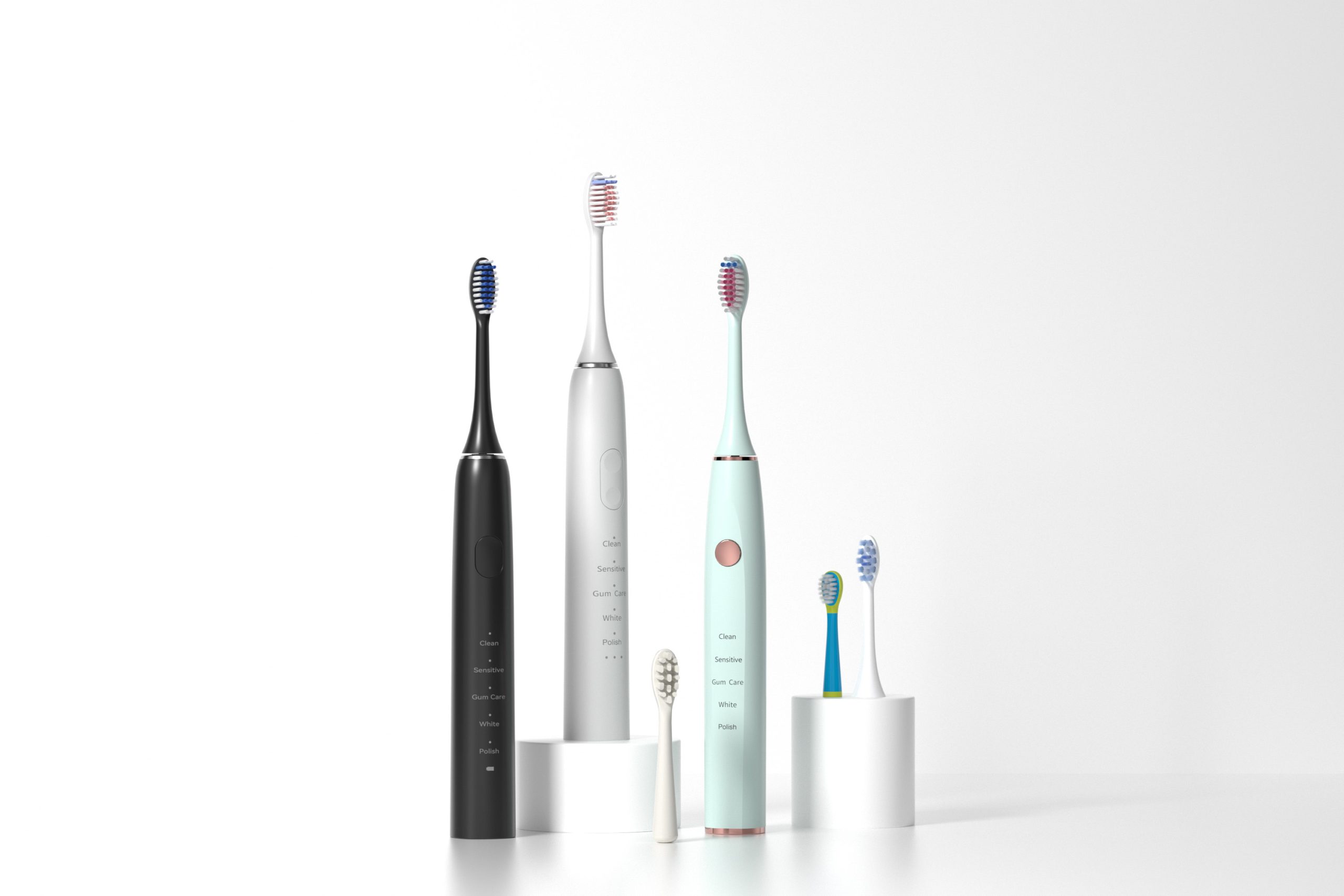
Multi-Packs and Family Sets – Electric Toothbrush OEM Packaging
How Does a Hydro-mechanical Seal Improve the Reliability of Turbine Impeller Design in Water Flossers?
Small Batch Electric Toothbrush OEM for Flexible B2B Brands
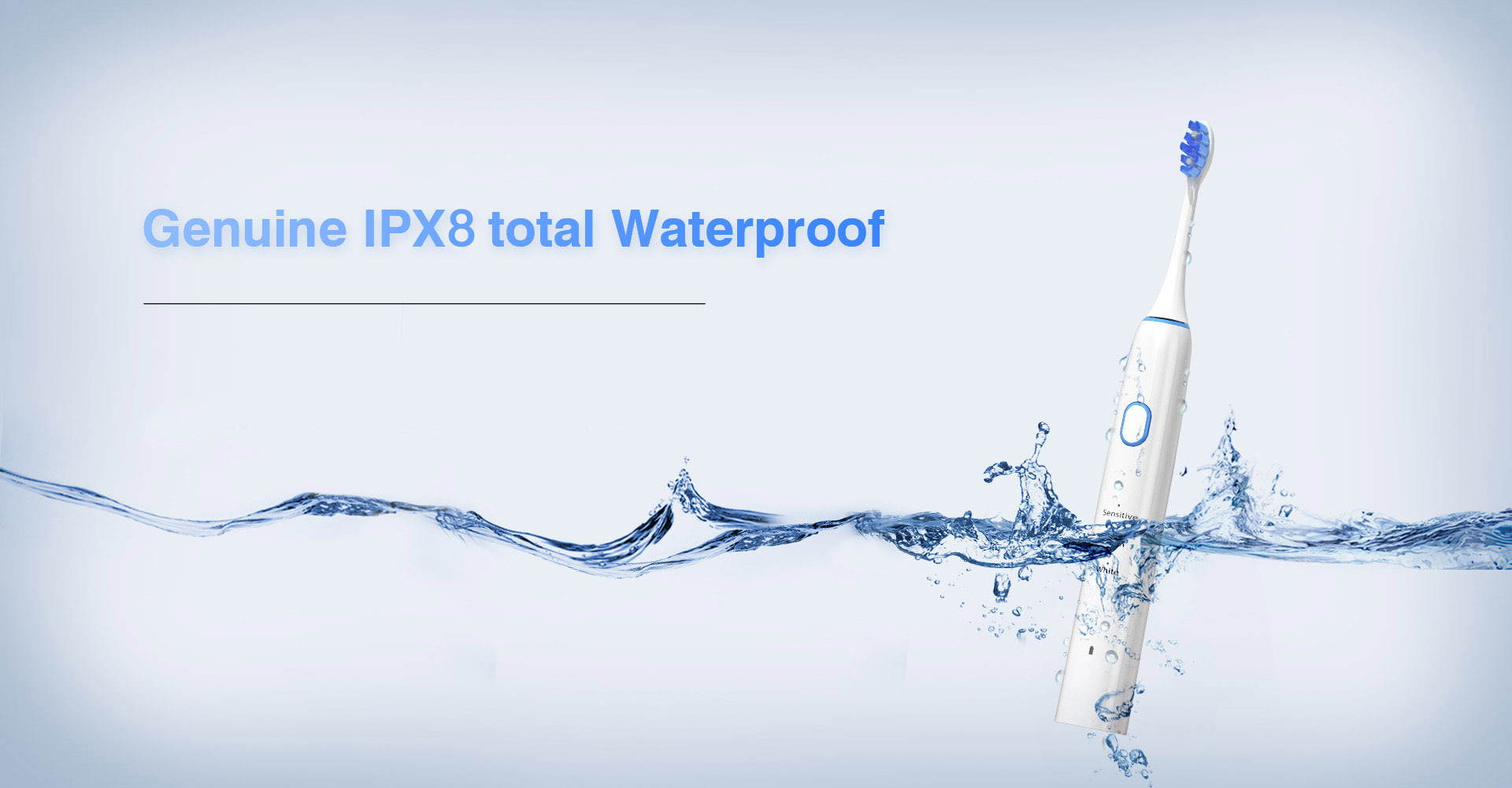
Is There a Way to Solve the Common Electric Toothbrush Water Ingress Problem?

Water Flosser Market Trends in 2025: Consumer Preferences and Innovative Technologies


.jpg)
.jpg)
.jpg)
.jpg)
.jpg)







.jpg)
.jpg)