Why At-Home Whitening Is a Game-Changer
teeth-whitening-devices-safe-guide focuses on accessible, safe at-home whitening—and teeth whitening devices are the go-to for anyone wanting a brighter smile without expensive salon visits. Unlike messy whitening strips or ineffective toothpastes, teeth whitening devices are designed to deliver consistent, safe results—when you choose the right one. But with so many options on the market, it’s easy to feel overwhelmed: Which teeth whitening devices work? Are they safe for daily use? Can they damage sensitive teeth? This guide breaks down everything you need to know, with no sales pitches—just honest, helpful advice for getting the most out of your teeth whitening devices, perfectly matching teeth-whitening-devices-safe-guide goals. For trusted, FDA-approved teeth whitening devices, explore Powsmart’s collection (https://www.powsmart.com/at-home-whitening-devices). For expert oral care guidance to pair with your devices, visit the American Dental Association’s resources (https://www.ada.org/en/resources/consumer/beauty/teeth-whitening).
1. How Whitening Devices Work (Simply Explained)
You don’t need a dental degree to understand how teeth whitening devices work—most rely on a simple, effective process to lift stains without harming your enamel. Knowing this will help you choose the best options for your needs and avoid common mistakes that waste time or cause sensitivity, a key focus of teeth-whitening-devices-safe-guide.
a. The Science Behind Whitening Tools
Nearly all effective teeth whitening devices use a peroxide-based gel (either carbamide or hydrogen peroxide) to break down surface and deep stains on your teeth. Many devices—like LED models—use low-intensity light to activate the gel, speeding up the whitening process and reducing session time to 10–15 minutes. This activation ensures the gel targets stains without damaging your enamel, making teeth whitening devices a safer alternative to high-concentration salon treatments for daily at-home use, which is central to teeth-whitening-devices-safe-guide. Learn more about the science of LED devices from Powsmart’s tech guide (https://www.powsmart.com/led-whitening-tech).
b. Different Types of Whitening Tools (Which Is Best for You?)
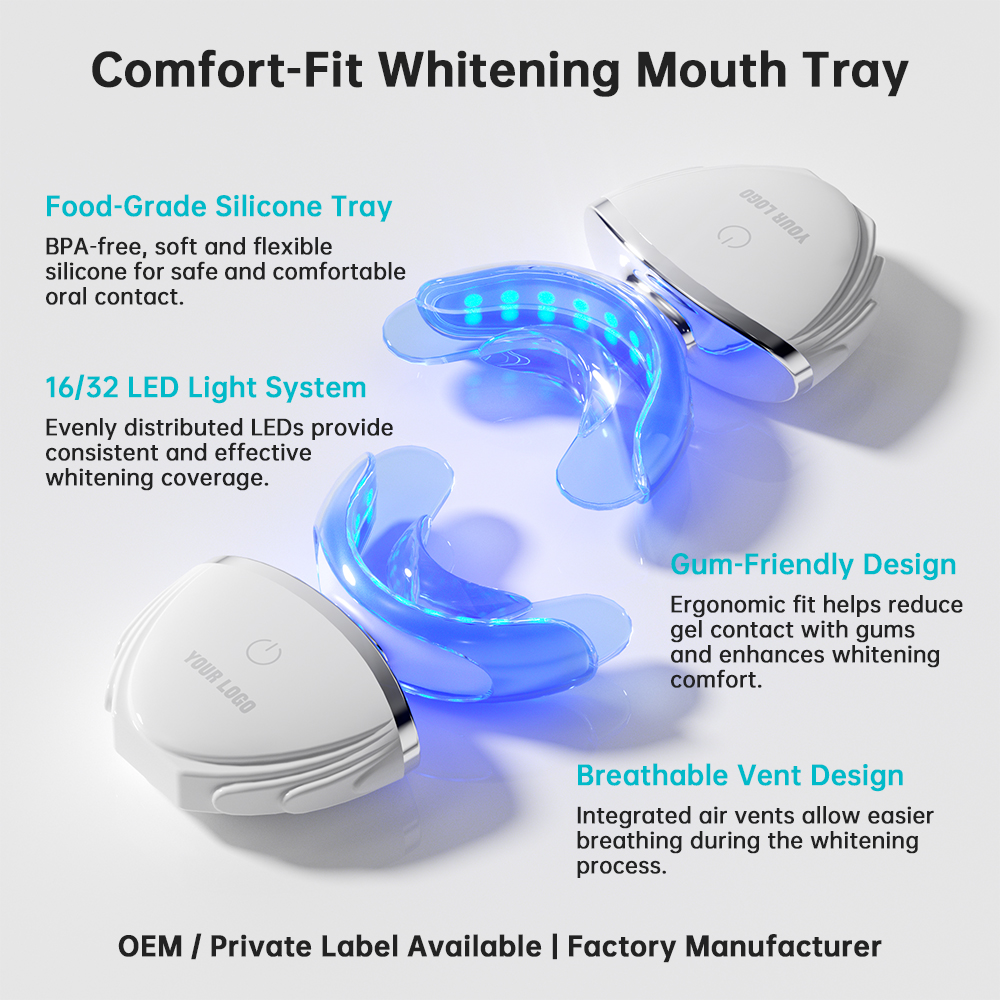
Not all teeth whitening devices are the same—each type has pros and cons, depending on your lifestyle and sensitivity. The most popular options include LED light kits (fast, convenient), pre-filled mouth trays (customizable coverage), and whitening pens (great for touch-ups). The key takeaway: All quality teeth whitening devices use peroxide gel—avoid any product labeled “zero peroxide,” as these are abrasive and can scratch your enamel over time.
2. How to Choose Whitening Devices (Avoid Scams & Waste Money)
With so many teeth whitening devices on the market, it’s easy to fall for misleading claims (“whiten 8 shades in 1 week!”) or low-quality products that don’t deliver. Use these simple tips to pick safe, effective options that are worth your investment—no guesswork required, aligning with teeth-whitening-devices-safe-guide’s safe-choice focus.
a. Always Choose FDA-Approved Options
The biggest red flag for teeth whitening devices is the lack of FDA approval. Unregulated devices often use unsafe levels of peroxide or low-quality materials, which can cause severe sensitivity, gum irritation, or even enamel damage. Trusted brands like Powsmart clearly display FDA approval on all their teeth whitening devices—check their compliance page for details (https://www.powsmart.com/fda-compliance).
b. Match Devices to Your Sensitivity Level
If you have sensitive teeth, you don’t have to skip using teeth whitening devices—you just need to choose the right one. Look for devices with adjustable peroxide levels (10–15% carbamide peroxide is ideal for sensitivity) or built-in desensitizing features. Avoid devices with 35%+ peroxide unless recommended by your dentist—these are too harsh for daily at-home use. Get personalized recommendations for sensitive teeth with Powsmart’s online quiz (https://www.powsmart.com/whitening-sensitivity-quiz).
c. 3 Scams to Avoid When Buying
Save time and money by steering clear of these common scams with teeth whitening devices:
-
“Instant Whitening” Claims: Teeth whitening devices take 1–2 weeks of consistent use for full results—any product promising “instant” whitening uses unsafe chemicals or fake before/after photos.
-
Charcoal Whitening Devices: Charcoal is abrasive and scratches your enamel, leading to long-term damage. It may whiten temporarily, but it’s not worth the risk compared to quality teeth whitening devices.
-
Unbranded Discount Devices: No FDA approval, no quality control, and no customer support—these often break quickly or fail to deliver results.
3. Safe Use Tips (No Sensitivity!)
Even the best teeth whitening devices won’t work well (and may cause discomfort) if you use them incorrectly. Follow these simple tips to use your devices safely, reduce sensitivity, and get the brightest results possible—core advice for teeth-whitening-devices-safe-guide.
a. Don’t Use on Softened Enamel
Acidic foods and drinks (coffee, orange juice, soda) soften your tooth enamel for 1–2 hours after consumption. Using teeth whitening devices on softened enamel increases sensitivity and irritation—wait at least an hour after eating or drinking acidic items before your whitening session.
b. Stick to 10–15 Minute Sessions (No Overdoing It)
It’s tempting to leave your teeth whitening devices on longer for faster results, but this is a mistake. Overusing devices (more than 15 minutes per session) doesn’t speed up whitening—it only increases sensitivity and risks enamel damage. Follow the instructions exactly—consistency beats rushing.
c. Prep Your Teeth Before Use
For the best results (and less sensitivity), brush your teeth with a desensitizing toothpaste (containing potassium nitrate or fluoride) 1–2 days before starting with your teeth whitening devices. This preps your teeth and reduces irritation during and after each session.
4. Post-Whitening Care (Keep Your Smile Bright Longer)
Your teeth whitening devices will deliver great results—but they won’t last forever. With these easy post-whitening habits, you can keep your smile bright for 6–12 months (or longer) without extra effort, making the most of your investment and aligning with teeth-whitening-devices-safe-guide’s long-lasting results focus.
-
Avoid Staining Foods/Drinks for 24–48 Hours: After using your teeth whitening devices, skip coffee, red wine, dark sauces, and berries—these can quickly reverse your results.
-
Brush Twice a Day with a Soft-Bristle Brush: Abrasive brushes scratch your enamel and fade whitening results faster. Pair your brush with a non-abrasive toothpaste to protect your smile and your devices’ results.
-
Do Weekly Maintenance Sessions: Use your teeth whitening devices for 10 minutes once a week to keep stains at bay—this simple step maintains your bright smile without extra work.
FAQ: Common Whitening Questions, Answered
We’ve compiled the most common questions about at-home whitening to clear up confusion and help you make informed decisions, supporting teeth-whitening-devices-safe-guide’s helpful focus.
1. Are Whitening Devices Safe for Long-Term Use?
Yes! FDA-approved teeth whitening devices are safe for long-term use when used as directed. LED devices, in particular, are low-risk—they don’t emit harmful UV rays and only activate peroxide to lift stains, without damaging your enamel over time.
2. Can I Use Whitening Devices If I Have Braces, Veneers, or Crowns?
Braces: Wait until your braces are removed—teeth whitening devices will whiten the enamel around your brackets but not under them, leaving uneven results. Veneers/Crowns: Devices only work on natural tooth enamel—they won’t change the color of veneers or crowns. Talk to your dentist for touch-ups to match your whitened natural teeth.
3. How Much Should I Spend on Quality Devices?
You don’t need to spend $100+ on effective teeth whitening devices. Quality, FDA-approved options cost between $30–$60—they’re durable, effective, and designed for daily use. Avoid devices under $20—they’re often unregulated or low-quality.
4. What If Whitening Devices Cause Sensitivity?
Temporary sensitivity is normal when first using teeth whitening devices—especially if you have sensitive teeth. If this happens, pause use for 1–2 days, use desensitizing toothpaste, and drink plenty of water. If sensitivity lasts more than a week, switch to devices with a lower peroxide level.
Conclusion: Bright Smiles Made Safe & Easy
teeth-whitening-devices-safe-guide is all about accessible, safe at-home whitening—and teeth whitening devices are the easiest, most affordable way to get a salon-worthy smile at home—when you choose the right one and use it safely. This guide has helped you understand how teeth whitening devices work, how to pick the best ones, avoid scams, and use them to get long-lasting results without sensitivity.
For FDA-approved teeth whitening devices that deliver on their promises, explore Powsmart’s collection (https://www.powsmart.com/at-home-whitening-devices). Their devices are designed for busy adults, with adjustable settings for sensitive teeth and portable designs for on-the-go use. Need personalized advice? Contact Powsmart’s dental experts (https://www.powsmart.com/contact-dental-experts) to find the perfect option for you.
Your brighter, more confident smile is within reach—with the right teeth whitening devices and these simple tips, you can show off your smile every day, no salon appointment required, fulfilling the promise of teeth-whitening-devices-safe-guide.