electric toothbrush mold development is one of the most critical stages in OEM manufacturing. For B2B buyers, mold quality directly determines product appearance, assembly precision, and long-term production efficiency.
Unlike generic consumer goods, electric toothbrushes require tight tolerances due to internal motor alignment and waterproof sealing structures.
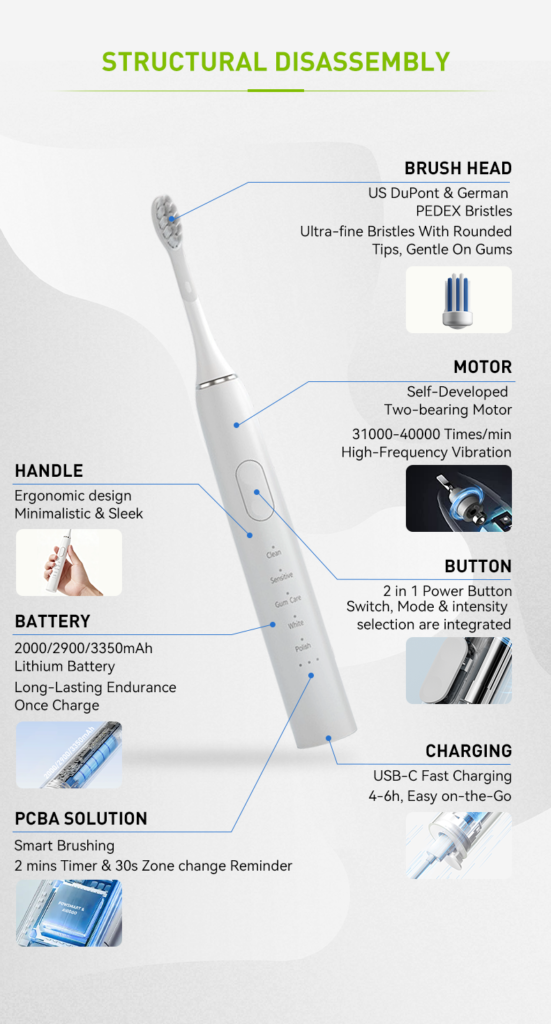
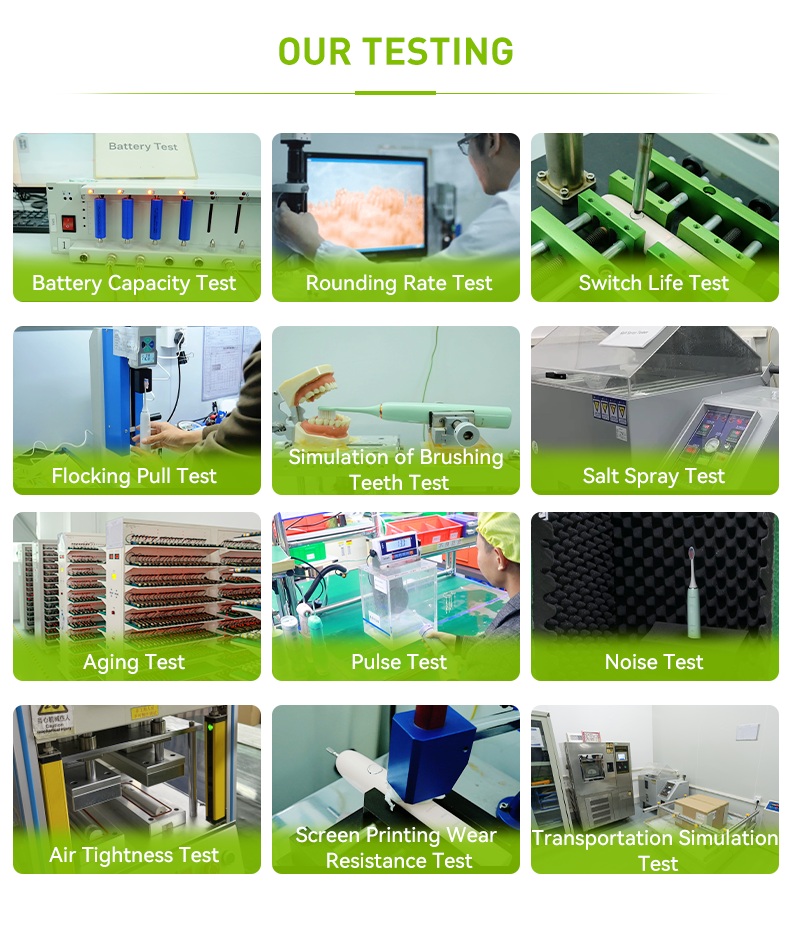
Mold quality affects more than aesthetics. Internal structural accuracy determines vibration stability, noise control, and waterproof performance.
Therefore, OEM brands that invest in proper tooling early avoid costly revisions later in mass production.
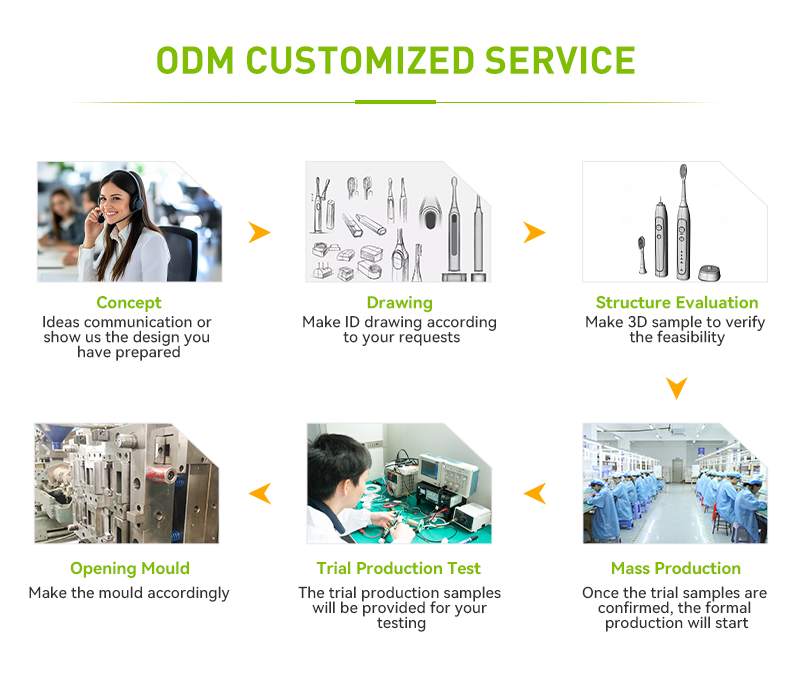
Before mold cutting begins, structural feasibility must be validated. Wall thickness, snap-fit positions, and sealing grooves are analyzed to ensure manufacturability.
In addition, material selection influences mold lifespan. ABS and food-grade plastics are commonly used due to their stability and safety compliance.
The mold development process typically includes DFM analysis, prototype sampling, and trial runs. Each stage reduces production risks.
At Powsmart, OEM toothbrush projects follow a staged tooling approach. This allows brands to test design assumptions before committing to full-scale molds. Related development capabilities are introduced on
https://www.powsmart.com
OEM buyers often underestimate mold lifespan planning. However, production volume projections should guide tooling steel selection and cavity configuration.
High-quality molds support hundreds of thousands of cycles while maintaining dimensional accuracy. As a result, brands achieve consistent product quality across years of supply.
Electric toothbrush molds must support compliance with international safety standards. For example, sealing structures must enable waterproof ratings such as IPX7 or higher.
General manufacturing and product safety frameworks published by ISO provide reference guidance for tooling precision and quality control
https://www.iso.org
Although mold development requires upfront investment, proper design reduces downstream costs. Stable molds lower defect rates, minimize rework, and improve assembly efficiency.
Therefore, mold development should be viewed as a strategic asset rather than a one-time expense.
electric toothbrush mold development forms the foundation of successful OEM production. Brands that prioritize precise tooling benefit from consistent quality, scalable manufacturing, and long-term cost control.
.jpg)
Electric Toothbrush OEM Manufacturer for Global Brands | Custom Production & Compliance
Smart Timer Toothbrush Wholesale for Distributors & OEM Buyers

Powsmart-Los Angeles electric toothbrush wholesale
Why Pair a Sonic Vibration Core with a Reliable Global Logistics Partner for International Supply Chains?

Powsmart electric toothbrush manufacturer in Little Rock
.jpg)
wholesale smart toothbrush Mobile Alabama
Massage Mode Customizable Rotating Electric Toothbrush
Voice-Guided Toothbrush Manufacturer for Smart Oral Care Brands
Tray Deformation Causing Occlusal Discomfort – Fixable?
.jpg)
Cleaning Sonic Electric Toothbrush with Pressure Sensor wholesale
water flosser nozzle type guide
.jpg)
Bulk Electric Toothbrush Houston

Seeking Effective Dental Practice Giveaway Items?
Powsmart Alaska Electric Toothbrush Factory – OEM & Private Label Manufacturer

powsmart travel sonic toothbrush manufacturer
.jpg)
For Sensitive Teeth Electric Toothbrush Manufacturer


.jpg)
.jpg)
.jpg)
.jpg)
.jpg)



.jpg)
.jpg)