Introduction
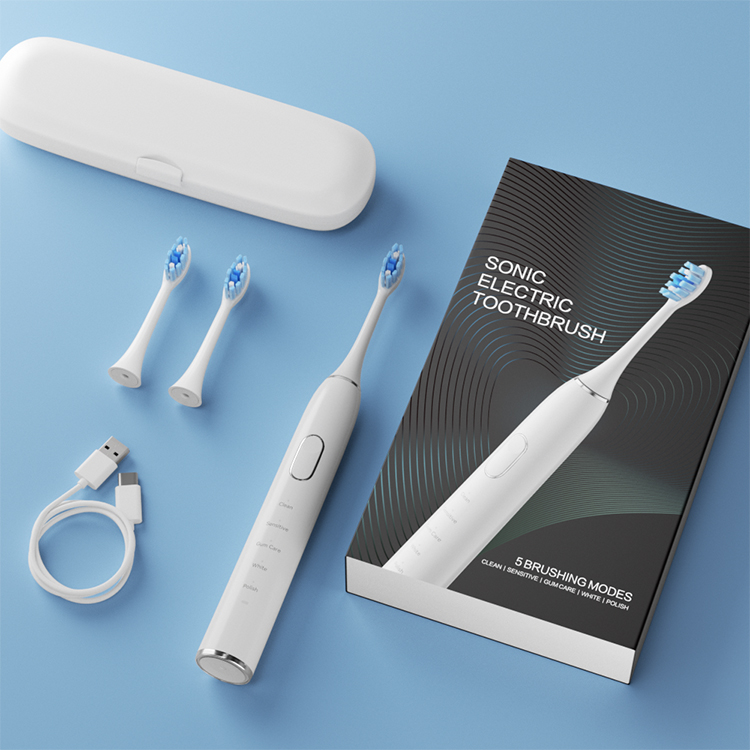
As personal care devices evolve toward greater intelligence and usability, the integration of a Smart Timer Chip within an Ergonomic Handle Design is becoming a key differentiator. For B2B manufacturers and OEM partners, combining electronic intelligence with human-centered design enables products that are not only comfortable to hold, but also intuitive, efficient, and user-friendly.
Guided Usage Through Intelligent Timing Feedback
A Smart Timer Chip provides real-time timing control and reminders, helping users follow recommended usage durations. When embedded in an Ergonomic Handle Design, this guidance feels natural and unobtrusive, improving overall usability.
Improved User Comfort Through Reduced Cognitive Load
By automating timing functions, the Smart Timer Chip allows users to focus on handling and comfort rather than monitoring time. This synergy enhances the value of an Ergonomic Handle Design by reducing mental effort during use.
Seamless Integration Without Compromising Grip
Modern Smart Timer Chips are compact and energy-efficient, allowing them to be integrated into ergonomic handles without affecting balance or grip. This ensures the Ergonomic Handle Design maintains its comfort while adding functional intelligence.
Consistent Performance Across Usage Sessions
A Smart Timer Chip ensures consistent operation every time the device is used. This reliability complements an Ergonomic Handle Design by delivering predictable, repeatable user experiences that build trust and satisfaction.
Support for User Training and Habit Formation
Timed cues and feedback help users develop proper usage habits. When paired with an Ergonomic Handle Design, the Smart Timer Chip supports long-term engagement and encourages correct, comfortable use over time.
Customization Opportunities for OEM Product Lines
For OEM manufacturers, Smart Timer Chips can be programmed to match different usage scenarios or markets. This flexibility allows Ergonomic Handle Design platforms to support multiple product variants without major structural changes.
Conclusion
Enhancing user experience requires both physical comfort and intelligent interaction. By integrating a Smart Timer into an Ergonomic Handle Design, B2B manufacturers can deliver devices that are comfortable, intuitive, and aligned with modern user expectations—driving stronger market differentiation and long-term product value. Contact us