As oral-care devices become more advanced, manufacturers increasingly rely on a custom Brush Handle Mold to ensure reliable integration of a Calcified Deposit Remover mechanism. Achieving stable performance for such precision functions requires careful structural engineering, ergonomic shaping, and process-driven mold optimization from the earliest design stage.
A Calcified Deposit Remover often requires higher vibration force or rotary torque compared with standard brushing tools. A custom Brush Handle Mold allows engineers to thicken load-bearing zones and reinforce internal ribs, preventing flex or deformation during high-intensity operation.
Custom molding makes it possible to design internal channels, motor compartments, and transmission mounts that securely house the remover module. These precision pockets ensure smooth mechanical alignment, efficient power delivery, and consistent deposit-removal performance.
Because a Calcified Deposit Remover requires precise handling, the handle must feel balanced. Tailored mold geometry lets manufacturers shift mass toward the grip zone, improving maneuverability and reducing user fatigue in plaque-dense or hard-to-reach areas.
Through a custom Brush Handle Mold, OEMs can choose polymers with specific damping properties. Materials can be adjusted to absorb unwanted vibration while still allowing targeted mechanical energy to reach the calcified deposits for efficient removal.
The remover mechanism produces moisture, pressure, and residue during operation. Custom molds allow integration of sealing grooves, gasket seats, and ultrasonic-weld lines.
Custom molding enables textured grip surfaces, contour shaping, and finger-rest alignment. These exterior features ensure that users can apply steady, controlled pressure—critical when using a Calcified Deposit Remover to treat stubborn mineralized deposits.
A well-engineered Brush Handle Mold is essential to supporting the performance, durability, and usability of a Calcified Deposit Remover mechanism. For OEM and ODM manufacturers, investing in a custom mold delivers greater product reliability and empowers brands to bring advanced, high-precision oral-care devices to market. Contact us
.jpg)
.jpg)
.jpg)
Sonic Toothbrush Factory for Brands | OEM & Private Label Production
Electric Toothbrush Long Lifespan Motor Solutions for OEM Brands
.jpg)
Can a Teeth Whitening Kit OEM Integrate with a Reliable Whitening Gel Supplier for Consistent Results?
.jpg)
How Does Water Flosser Mold Development Optimize the Water Flosser Production Line?
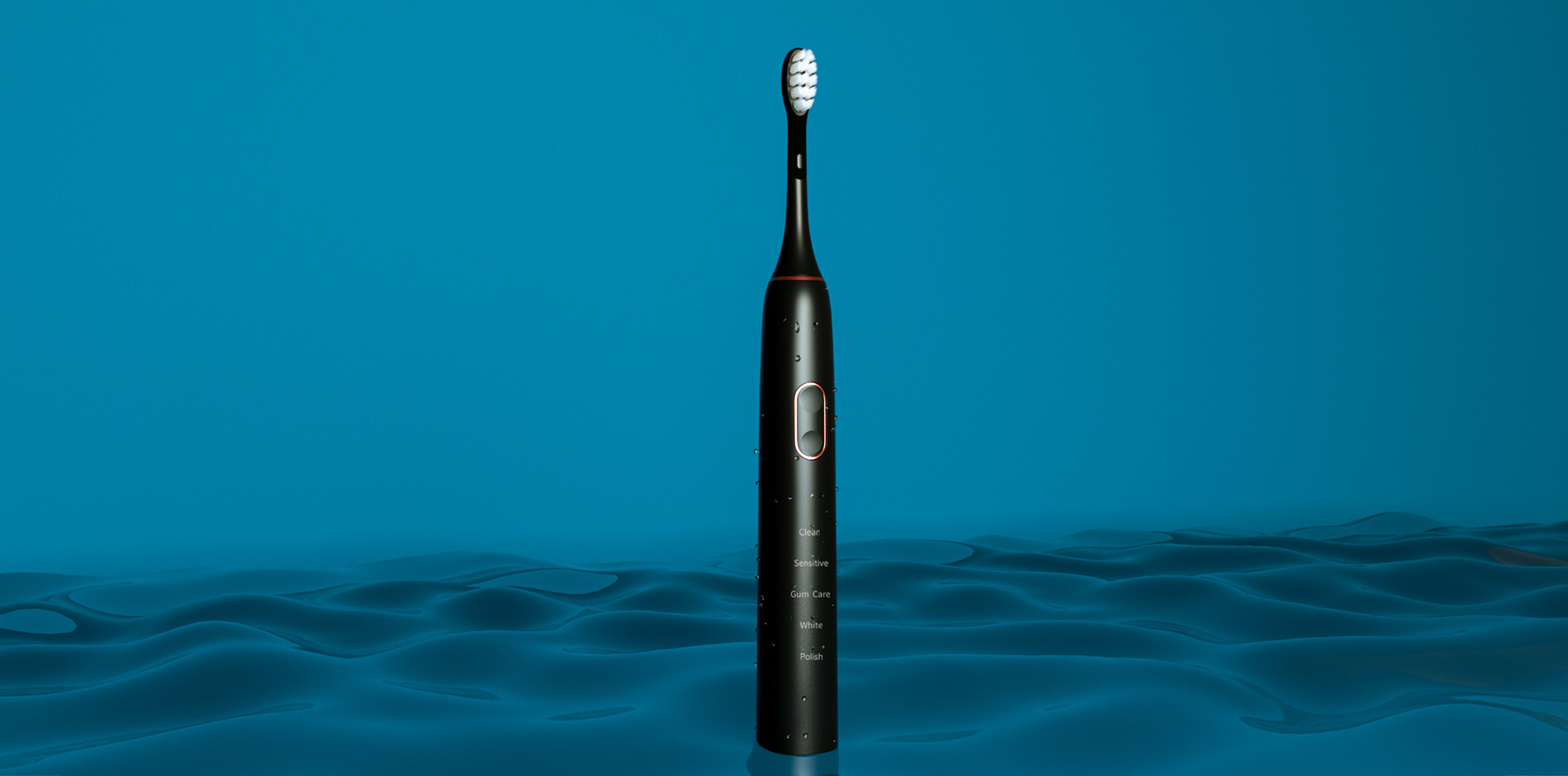
Toothbrush Business Profitability: How OEM Partnerships Maximize Your ROI
.jpg)
Water Flosser vs. Hard Plaque: Setting Realistic Expectations for Your OEM Brand
Bulk Electric Toothbrush San Francisco

LED Light in Oral Care: Safety Insights for OEM Product Development
The Secret Behind Japanese Toothbrushes’ Softness & Its Global OEM Appeal
.jpg)
Preparing for Toothbrush Supplier Negotiation?
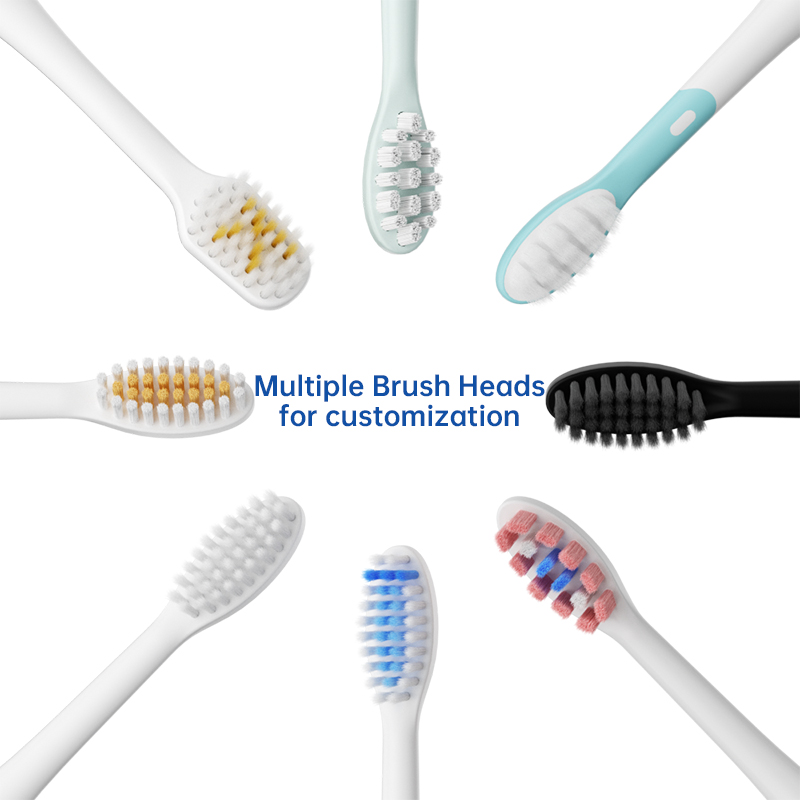
How Does the Brush Head Attachment Mechanism Influence the Overall Toothbrush Mold Design for OEM Production?
Electric Toothbrush for Daily Use Wholesale Solutions for Global Brands
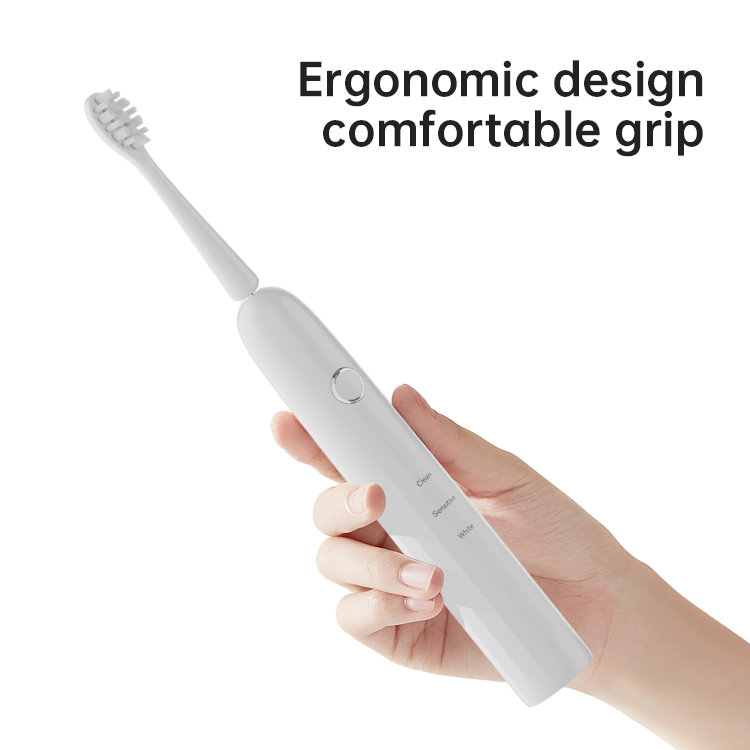
Optimizing Electric Toothbrush Shape: An OEM Guide to Grip and Maneuverability
.jpg)
San Francisco electric toothbrush supplier
Rotating or Vibrating Toothbrush: Which Is Better for Your OEM Brand Strategy?
.jpg)
Can Sustainable Water Flosser Material Sourcing Enhance Water Flosser Design Services?


.jpg)
.jpg)
.jpg)
.jpg)
.jpg)