
Most people place their toothbrush near the sink, often uncovered — a habit that may seem harmless but can actually affect your oral health. Recent hygiene studies and insights from toothbrush manufacturers highlight a key practice for better toothbrush hygiene: cover your toothbrush in the bathroom. Beyond consumer awareness, this topic offers valuable inspiration for oral care brands exploring innovative and hygienic OEM accessory solutions.
Bathrooms, while appearing clean, are often one of the most contaminated areas in a household. When a toilet flushes, it releases micro-particles that can settle on nearby surfaces — including your toothbrush.
An uncovered toothbrush is vulnerable to bacteria, moisture, and even cross-contamination from other hygiene items. This makes bathroom sanitation a central concern for both consumers and manufacturers developing safer oral care accessories.
Covering your toothbrush serves as a simple yet effective barrier against airborne particles and humidity. A toothbrush cover or protective cap keeps bristles clean and dry, reducing microbial growth and extending the lifespan of the brush.
Modern consumers are increasingly aware of these hygiene benefits, driving demand for innovative, well-ventilated toothbrush covers designed for optimal toothbrush hygiene.
Leading toothbrush manufacturers emphasize that a good toothbrush cover must balance airflow and protection. A completely sealed cover traps moisture, which can encourage bacterial growth. Instead, intelligent OEM designs incorporate:
Ventilation holes for air circulation
Antibacterial materials
Compact travel-friendly structures
These design insights reflect the latest OEM accessory solutions that merge functionality with hygiene innovation.
For oral care brands, collaborating with an experienced manufacturer opens the door to tailored OEM accessory solutions — from toothbrush caps and holders to UV-sanitizing storage devices.
By integrating hygiene science with product design, brands can offer consumers not just a toothbrush, but a complete sanitation experience that enhances brand trust and product differentiation.
Post-pandemic, consumers are far more conscious of cleanliness and personal hygiene. They actively seek products that promote safer daily habits, including ways to cover toothbrush in bathroom settings.
This shift creates a market opportunity for brands to deliver practical, aesthetic, and scientifically supported oral care accessories through OEM partnerships.
Toothbrush hygiene goes beyond daily brushing — it’s about how we store and protect our oral care tools. Covering your toothbrush is a small step with a big impact on health.
For brands, it’s a powerful reminder that innovation often begins with understanding consumer habits and translating hygiene insights into meaningful product design. Partnering with the right manufacturer ensures that every product. From toothbrushes to covers — meets the highest standards of bathroom sanitation and consumer safety.
.jpg)
Rechargeable Whitening Device OEM for Global B2B Brands
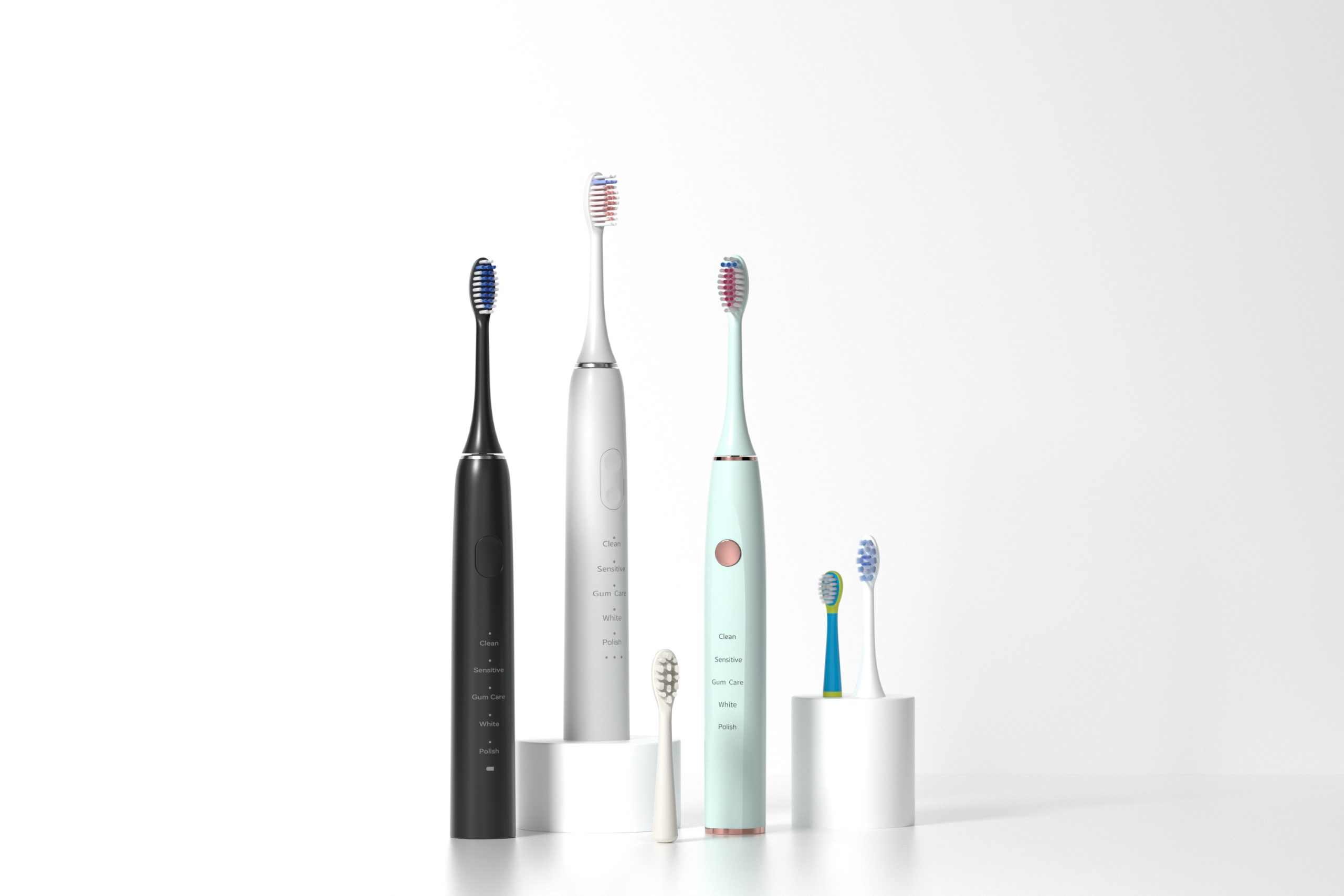
Need Water Flosser OEM Manufacturing for a New Cordless Water Flosser Manufacturing Line?
.jpg)
How Does a Water Flosser Nozzle Manufacturer Support an Orthodontic Water Flosser OEM for Specialized Care?
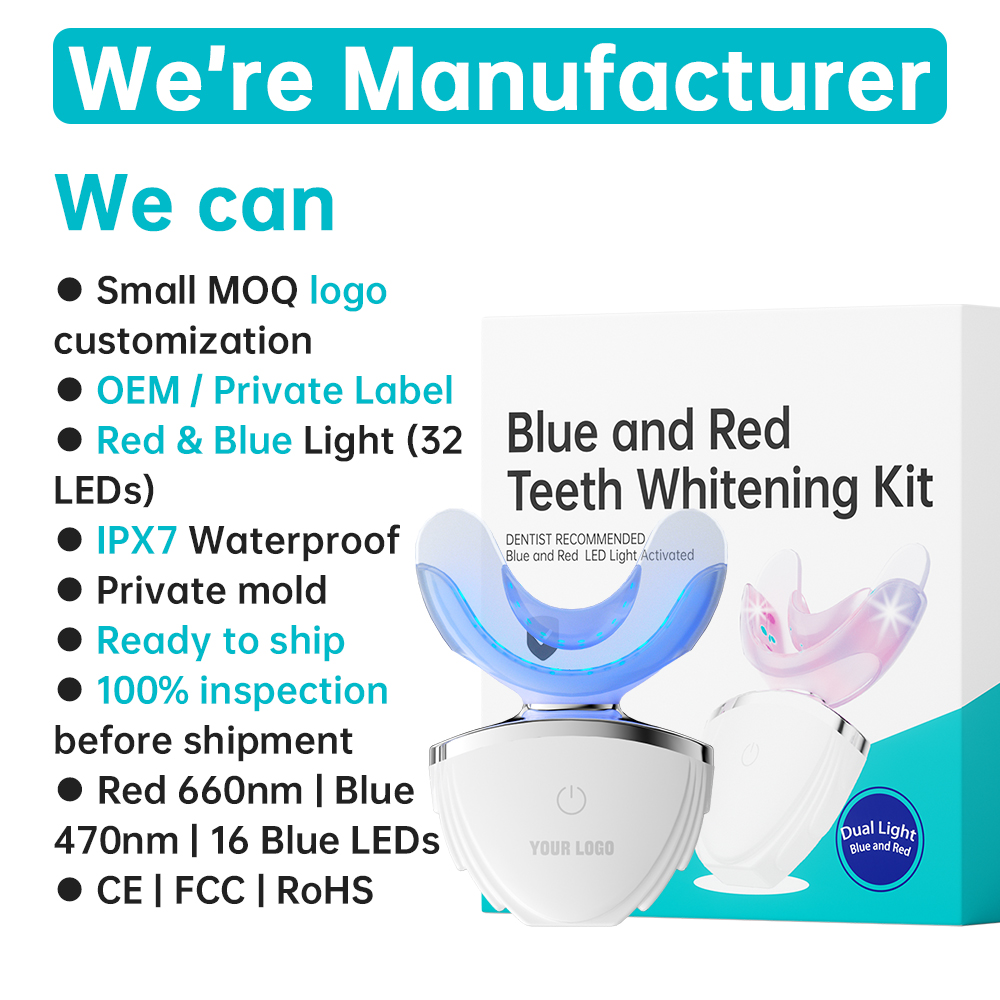
How Does Your LED Whitening Lamp Activate Our Whitening Gel Formulation?

Identifying Chinese Electric Toothbrush Manufacturers That Listen and Improve With Your Feedback
.jpg)
Taste Distortion Alongside pH Imbalance – Vicious Cycle?
Adapter Overheating with Circuit Shorting – Fire Risk?
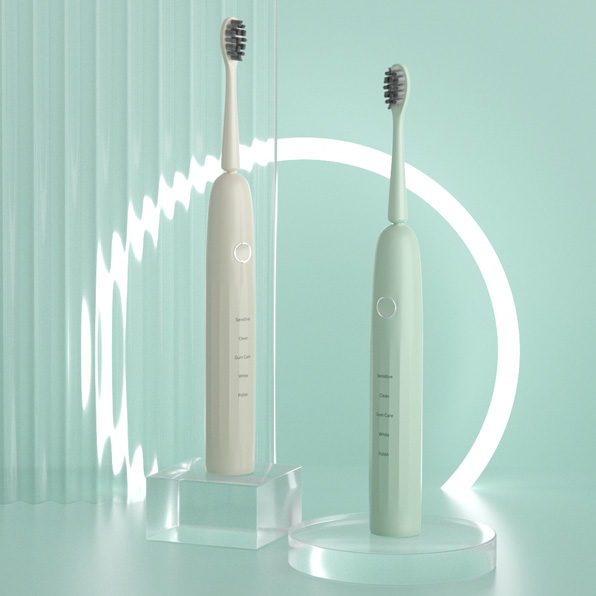
Electric Toothbrush for Family Diwali Gift: Seasonal OEM Solutions
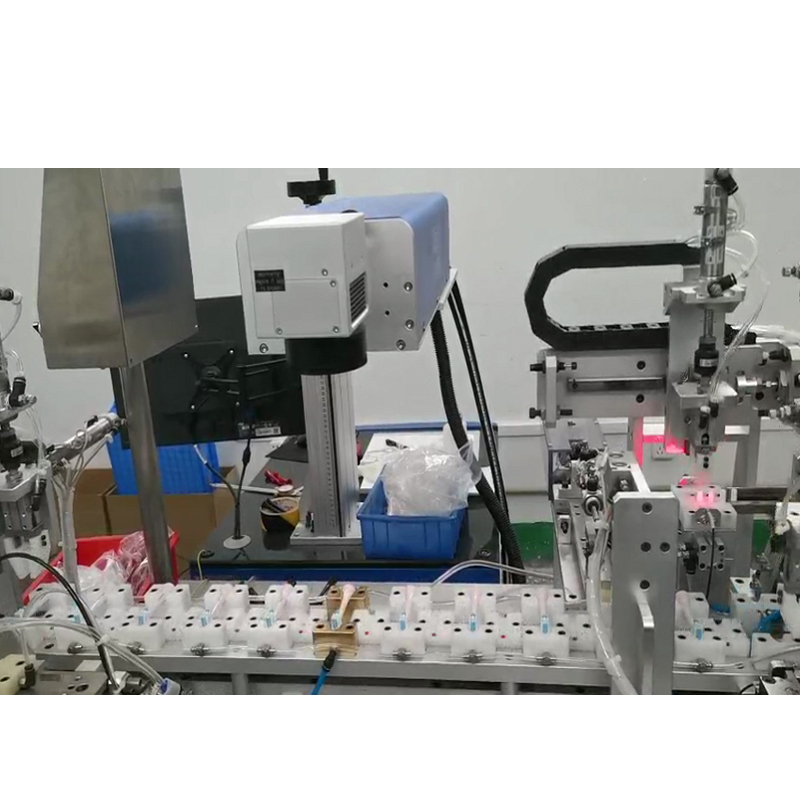
Electric Toothbrush Laser Engraving LOGO Process: How to Set the Depth, Speed and Power Parameters?
.jpg)
In-depth Analysis of the Logo Craftsmanship of Water Flossers
Travel Electric Toothbrush | Portable Oral Care
Peroxide Free Whitening Device Supplier for Global Oral Care Brands
.jpg)
Why Should a Portable Travel Toothbrush Supplier Partner with a Toothbrush Subscription Box Partner?
long battery life electric toothbrush OEM | High-End Rechargeable Toothbrush Manufacturer
What makes Portable Flosser Design dependent on integrating a Quiet Flosser Motor?
premium metal body electric toothbrush OEM | Luxury Design Manufacturer


.jpg)
.jpg)
.jpg)
.jpg)
.jpg)




.jpg)
.jpg)