When users report discomfort during use of oral care devices, symptoms like jaw fatigue and increased dental sensitivity often emerge as low-priority concerns. However, recent technical investigations suggest that these may be linked to demineralization zones—subtle, progressive losses in enamel integrity that go unnoticed until damage becomes irreversible. Could this be a silent threat built into product design? For OEM/ODM manufacturers, addressing this hidden correlation is critical to ensuring safety, comfort, and long-term brand value.
Demineralization zones refer to areas on the tooth surface where enamel loses its mineral content, primarily due to acidic exposure or improper mechanical cleaning. These zones, while not initially visible or painful, serve as precursors to:
For oral care device manufacturers, poorly designed bristle dynamics or water flow pressure can unintentionally exacerbate demineralization—especially in users with pre-existing enamel weaknesses.
Jaw fatigue typically manifests as tension or soreness in the mandibular muscles following prolonged or repeated use of oral hygiene devices. While it’s often attributed to improper grip or usage angle, it may also stem from:
Interestingly, in an effort to avoid discomfort from sensitive demineralized zones, users may subconsciously change their biting or brushing behavior—placing more strain on the jaw. Company web: https://www.powsmart.com/product/electric-toothbrush/
When demineralization zones develop, they cause minor pain or tingling sensations. To alleviate this, users often alter their oral movements:
These compensatory behaviors result in jaw fatigue, even if the product’s core vibration or force profile meets standards. In essence, the issue is not just mechanical—it’s biomechanical and behavioral.
Certain overlooked product characteristics can contribute to both demineralization zones and jaw fatigue, such as:
These design oversights, if unaddressed, can turn a standard device into a source of silent and sustained discomfort.
To prevent this dual-threat, manufacturers should re-evaluate:
Design should support natural oral movements rather than resist or misdirect them—especially in long-term usage scenarios.
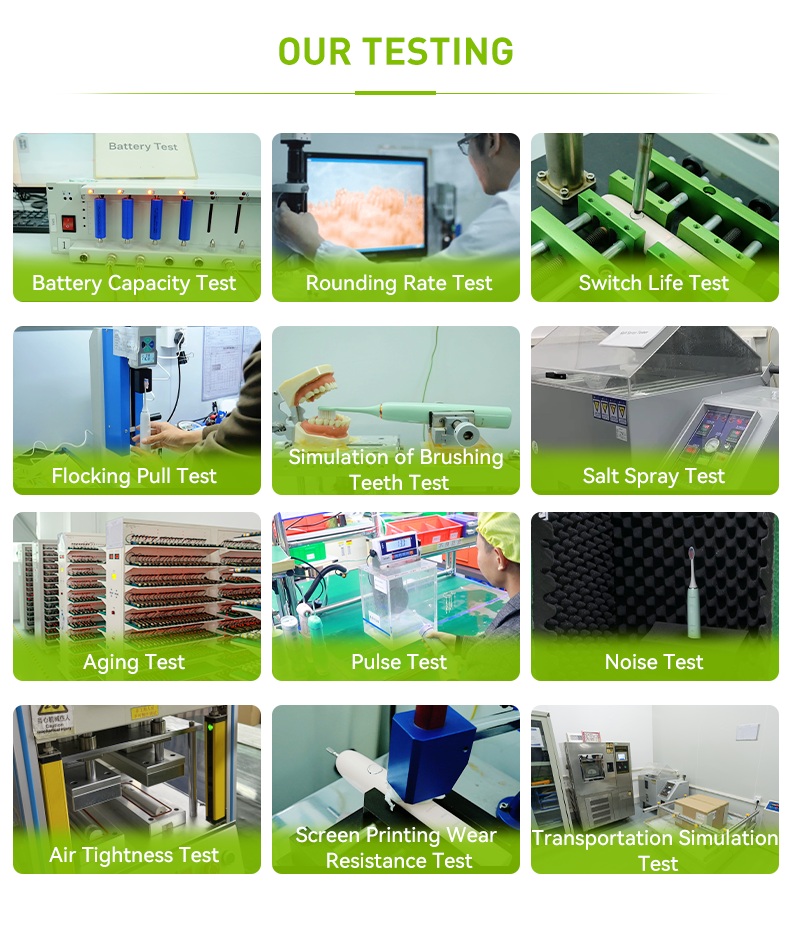
Leading brands now implement the following quality protocols to prevent such risks:
These steps are not only regulatory-friendly but help prevent downstream complaints and potential brand damage.
The correlation between demineralization zones and jaw fatigue is not always obvious—but it is real. For manufacturers supplying high-performance oral care equipment, acknowledging this interplay and proactively solving for it reflects true quality engineering. By ensuring devices support oral health rather than strain it, B2B partners secure trust and market longevity in a highly competitive space. Contact Kiwibird
-300x300.jpg)
-300x300.jpg)
.jpg)
Oral Ulcers Fluorosis aggravation? Whitening Device Contraindications!
Electric Toothbrush Gujarat | Modern Family Care
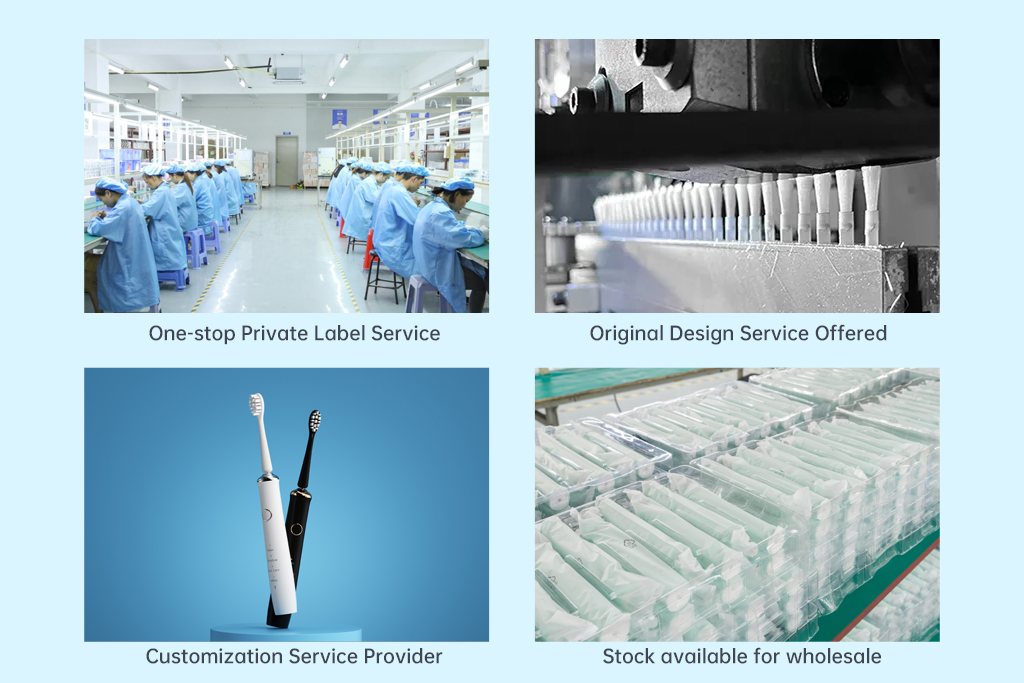
Electric Toothbrush Screen Printing vs Pad Printing: The Best Choice for Complex Patterns and Gradient Colors
How does Brush Head Mold Design influence the effective integration of Food-grade Bristle Material?
long battery life electric toothbrush OEM | High-End Rechargeable Toothbrush Manufacturer

How does a high-performance Water Pump OEM partnership ensure the success of Precision Nozzle Manufacturing?
Electric Toothbrush Gift Set Supplier
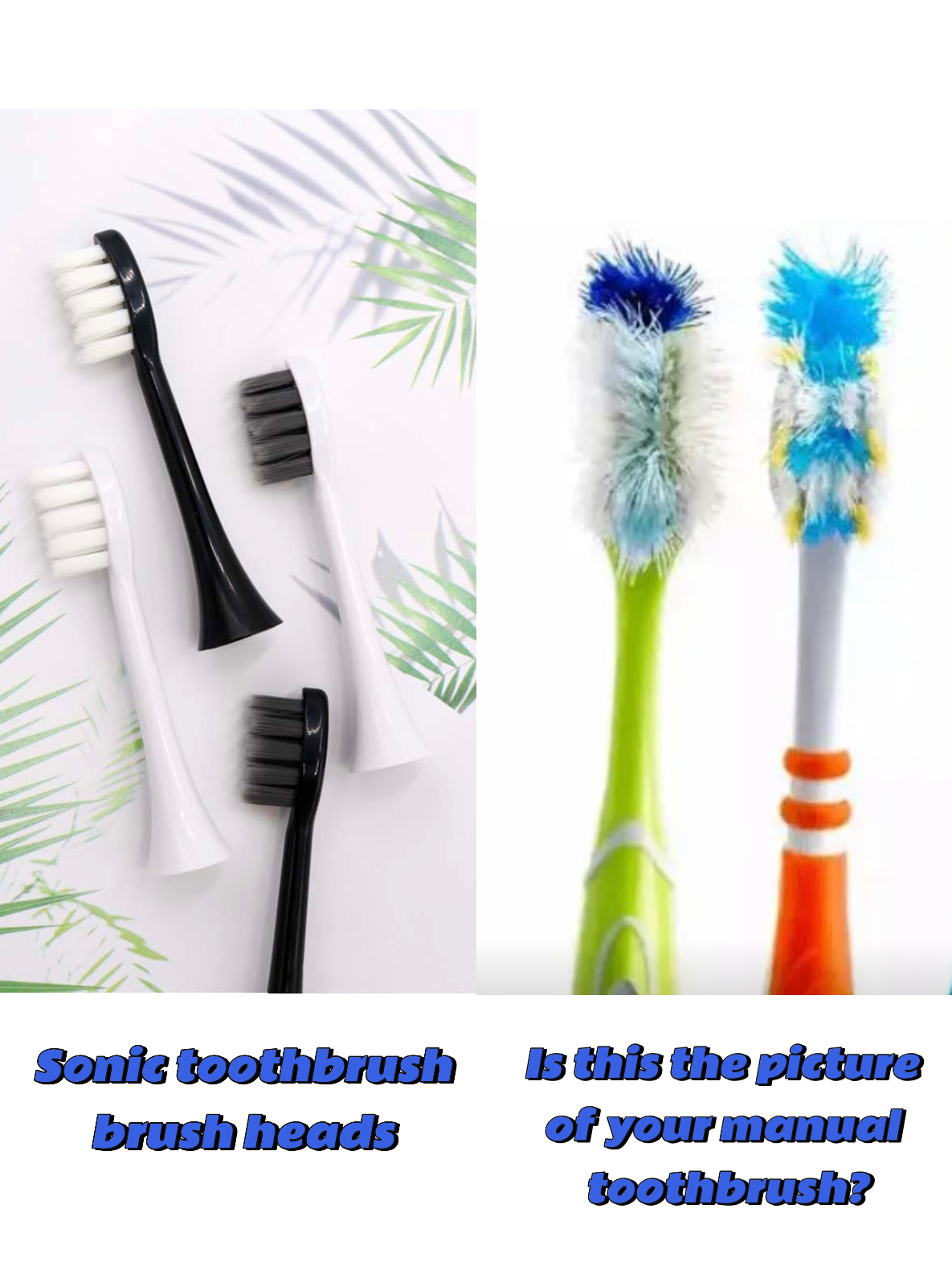
Can a soft-bristle brush head designed for sensitive gums make your brushing process more comfortable?
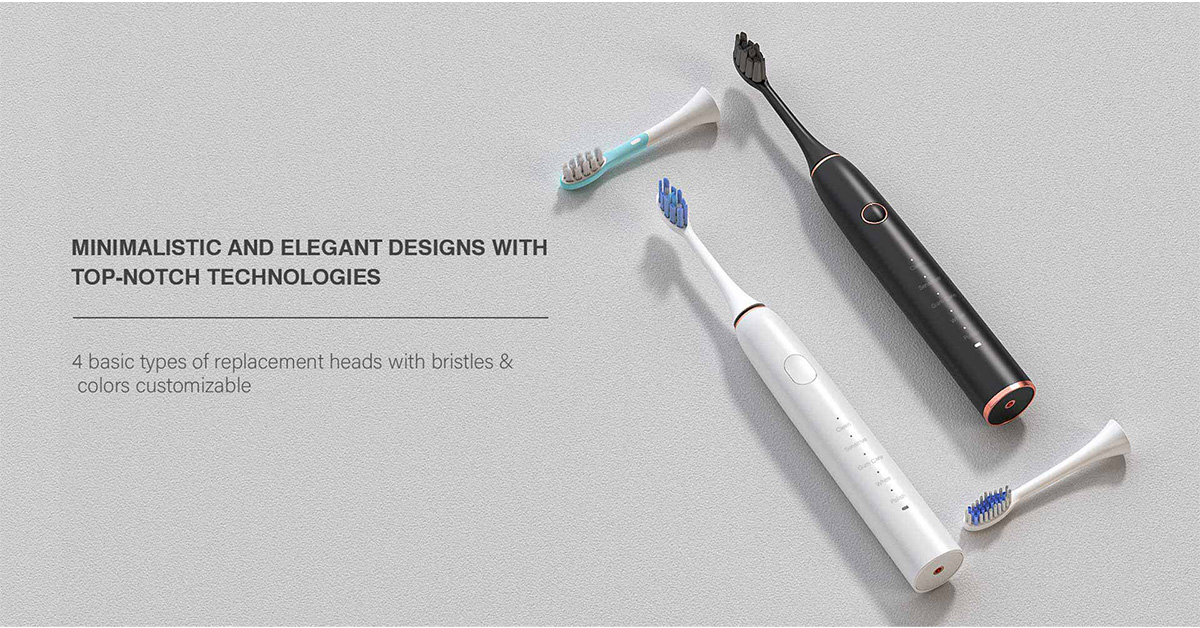
How can the sonic whitening mode safely and effectively remove surface stains?
Peroxide Free Whitening Device Supplier for Global Oral Care Brands
Electric Toothbrush Parts & Accessories Supplier
Are Oral Care Products Suitable for TK Small Businesses?
Indicator Failure Leading Periodontal Pocket Deepening – Undetected?
Compact Whitening Device Wholesale for Global Distributors and Brands
What is the Average Lifespan of an Electric Toothbrush? Manufacturer’s Insight
-3-scaled-1.jpg)
Teeth Whitening Tech: Is LED Scientifically Superior to UV for OEM Applications?


.jpg)
.jpg)
.jpg)
.jpg)
.jpg)