When brush head compatibility is overlooked—whether due to minor dimensional mismatches or non-standard attachment interfaces—tiny gaps can form where cleaning fluid pools and evaporates, leading to hidden liquid residue buildup. Such residue not only harbors bacteria but also degrades performance over time. In this article, we explore six critical facets to help B2B manufacturers eliminate compatibility pitfalls and keep their devices hygienic and reliable.
Dimensional Tolerance Mismatches
Even slight deviations in brush-head stem diameter or locking-ring geometry prevent a snug fit:
- Micro-gaps form around the base where liquid seeps in and stagnates.
- Vibration-induced Looseness over time widens these gaps and accelerates residue accumulation.
- Cross-Brand Interchangeability often exacerbates the issue when parts aren’t optimized as a system.
By tightening CNC machining tolerances and standardizing interface specs, these hidden voids can be eliminated.
Material Absorption & Capillary Effects
Material choices at the interface can promote fluid retention:
- Hydrophilic Plastics draw water into microscopic pores, trapping moisture at the joint.
- Surface Roughness at the mating faces creates capillary channels that wick liquid inward.
- Aging Polymers lose dimensional stability, opening new pathways for fluid migration.
Switching to low-absorption, high-precision polymers and mirror-finish mating surfaces minimizes capillary residue buildup.
Sealing & Secondary Retention Strategies
Effective sealing methods prevent ingress altogether:
- O-Ring Seals: A thin food-grade silicone ring at the interface provides a water-tight barrier.
- Lip-Seal Overmolds: Overmolding the brush-head base with a flexible lip creates positive compression when attached.
- Threaded Lock Designs: Replacing simple snaps with micro-threads ensures a tighter closure and flush joint.
Implementing one or more secondary retention features stops fluid from ever reaching the brush-head cavity.Company web: https://www.powsmart.com/product/electric-toothbrush/
Cleaning Protocols & Maintenance Guidelines
In addition to design, clear maintenance instructions curb residue problems:
- Quarter-Turn Release: Advise users to twist the brush head after each use to break any surface tension and drain fluid.
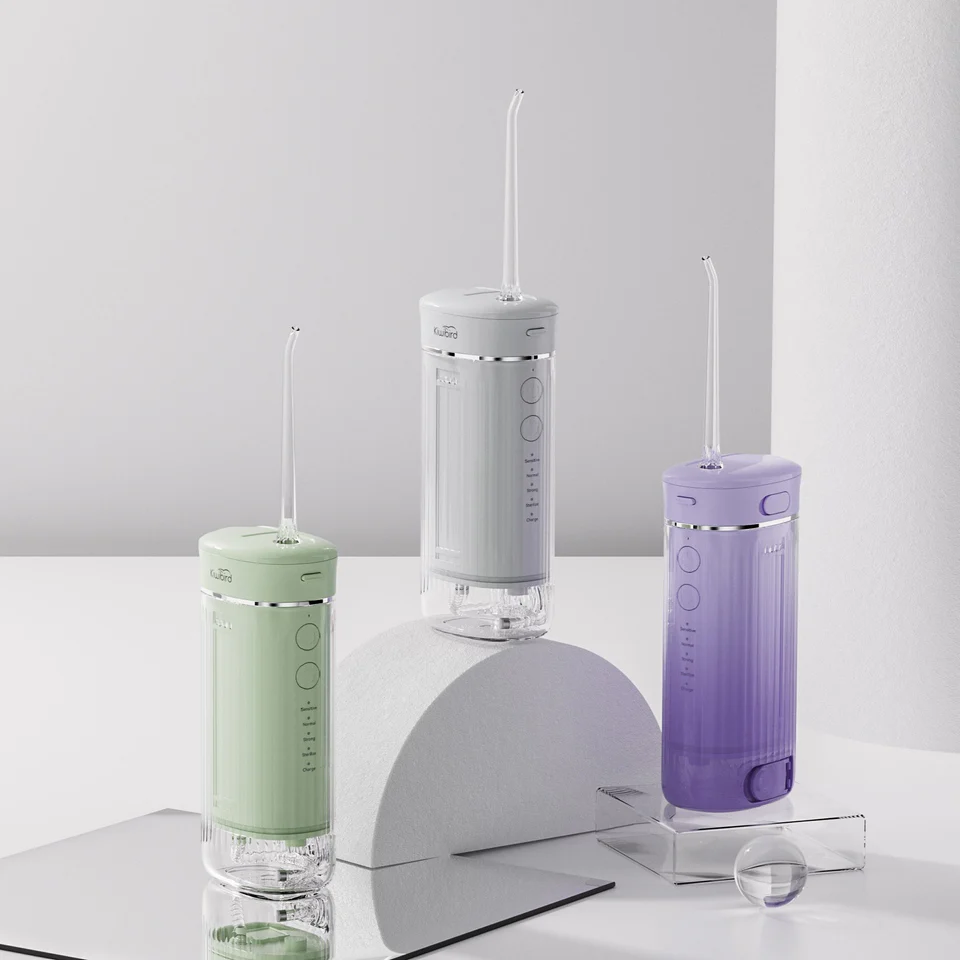
- Automated Rinse Cycles: Integrate a brief “self-clean” pulse in water-flosser modes to purge trapped liquid.
- Periodic Disassembly Checks: Recommend full head removal and air-drying every two weeks to spot early buildup.
Well-documented routines help channel partners guide end users toward safer, longer-lasting products.
Testing & Quality Assurance Measures
Thorough validation catches compatibility issues before production release:
- Leakage Dye Tests: Submerge assembled heads in dyed water to reveal micro-leaks around the interface.
- Accelerated Aging: Cycle parts through humidity and vibration to simulate months of use, then inspect for residue.
- Microbial Swab Analysis: After aging, swab hidden joints to verify the absence of bacterial growth.
Incorporating these tests into your QMS ensures brush-head compatibility is airtight and hygienic.
Partner Recommendations & Next Steps
B2B manufacturers can strengthen their offerings by:
- Co-Engineering Workshops: Collaborate with brush-head suppliers to harmonize joint geometries and materials.
- Customized OEM Kits: Provide pre-tested head-and-handle assemblies, eliminating cross-brand mismatch risks.
- Training Modules: Equip sales and service teams with residue-detection techniques and maintenance best practices.
By treating brush head compatibility and liquid residue control as a unified challenge, you’ll deliver superior, worry-free oral-care solutions that build strong channel loyalty.
Conclusion
Hidden liquid residue buildup often springs from subtle brush head compatibility flaws—gaps, material absorption, or lack of seals. Addressing these six dimensions (tolerances, materials, sealing, protocols, testing, and partnerships) empowers B2B manufacturers to eliminate residue risks, enhance hygiene, and reinforce product reliability. Contact us to co-develop foolproof brush-head interfaces and maintenance programs!
.jpg)
.jpg)
