
In the world of product manufacturing and retail, businesses are often faced with the decision of whether to pursue a branding vs private label solutions. Both models have their distinct advantages and disadvantages, and the right choice for your business largely depends on your specific goals, resources, and target market.
In this blog, we’ll explore both branding and private label models, outlining their key benefits and challenges, so you can make an informed decision on which is best suited for your needs.
Understanding Branding and Private Label Models
Branding refers to creating a unique identity for your products. This includes developing a distinctive logo, messaging, packaging, and marketing strategies that set your products apart from competitors. The key here is to build a strong emotional connection with customers through your brand.
On the other hand, private label products are manufactured by one company but sold under another company’s brand. For example, a retailer may purchase generic products from a manufacturer and sell them under their own store’s name. Private label products are often seen as an affordable alternative to well-known brands.
The Advantages and Disadvantages of Branding
Advantages:
- Customer Loyalty: When done right, branding can foster customer loyalty and long-term relationships. Customers tend to gravitate toward brands they trust, and strong branding can drive repeat purchases.
- Higher Margins: Branded products can be priced higher than generic options. A well-established brand can command a premium due to perceived value.
- Market Differentiation: Branding gives you an opportunity to stand out in a crowded marketplace. You can position your product as a solution to a specific problem, creating a unique niche.
Disadvantages:
- Higher Costs: The cost of building a brand can be substantial. Expenses for marketing, advertising, and brand development can add up quickly, and it can take years to establish a reputable brand.
- Time-Intensive: Establishing a brand is not a quick process. It requires consistent marketing efforts, customer engagement, and time to build recognition and trust.
- Risk of Market Rejection: Even with significant investment in branding, there’s no guarantee that customers will embrace your brand. The market can be unpredictable.
The Advantages and Disadvantages of Private Label
Advantages:
- Lower Upfront Investment: Private label products don’t require you to invest in developing a brand from scratch. You can focus on selling the product without having to worry about the long-term branding process.
- Faster Time to Market: With private label, products are often ready for sale much faster, allowing businesses to get products into stores or online platforms with minimal lead time.
- Control Over Pricing: Retailers or businesses that sell private label products typically have more control over pricing. Since they don’t have to account for brand-building costs, they can offer competitive prices and capture a broader customer base.
Disadvantages:
- Limited Brand Recognition: Private label products generally don’t come with the recognition or loyalty that established brands offer. Without branding, it may be harder to differentiate yourself in the market.
- Less Control Over Quality: Since you’re outsourcing production, you may have less control over the quality of private label products. Any inconsistencies can reflect poorly on your business.
- Dependency on Suppliers: The success of your private label products is often tied to the manufacturer’s capabilities. If your supplier faces production issues or quality concerns, your business could suffer.
Branding vs Private Label: Key Considerations
When choosing between branding and private label, there are several factors you should consider:
- Business Size and Resources: Larger businesses with more resources might opt for branding to create a lasting impact in the market. Smaller businesses may prefer private label products due to their low cost and lower risk.
- Target Audience: Understanding your customers is crucial. If your target audience values brand recognition and quality, branding might be the better option. If they’re more price-sensitive and focused on getting value for money, private label products could be a more viable choice.
- Long-Term Goals: If your long-term goal is to build a brand that becomes synonymous with quality and trust, branding is the way to go. However, if you want quicker profits with lower risk, private label might be a better fit in the short term.
Hybrid Model: Combining Branding and Private Label
It’s also worth noting that some companies use a hybrid model, combining private label vs branding strategies. This can give businesses the flexibility to tap into different market segments. For instance, you can offer private label products alongside your branded offerings, giving customers a wider range of options at different price points.
By doing so, you can cater to both budget-conscious customers and those seeking premium, branded products. The hybrid approach allows you to diversify risk while expanding your product portfolio.
Conclusion: Which Model is Right for You?
Ultimately, the choice between branding vs private label depends on your business objectives, resources, and market positioning. If you have the capital and time to invest in long-term growth, building a brand might offer the best return on investment. However, if you’re looking for lower-risk, cost-effective solutions with quicker market entry, private label products may be the way to go.
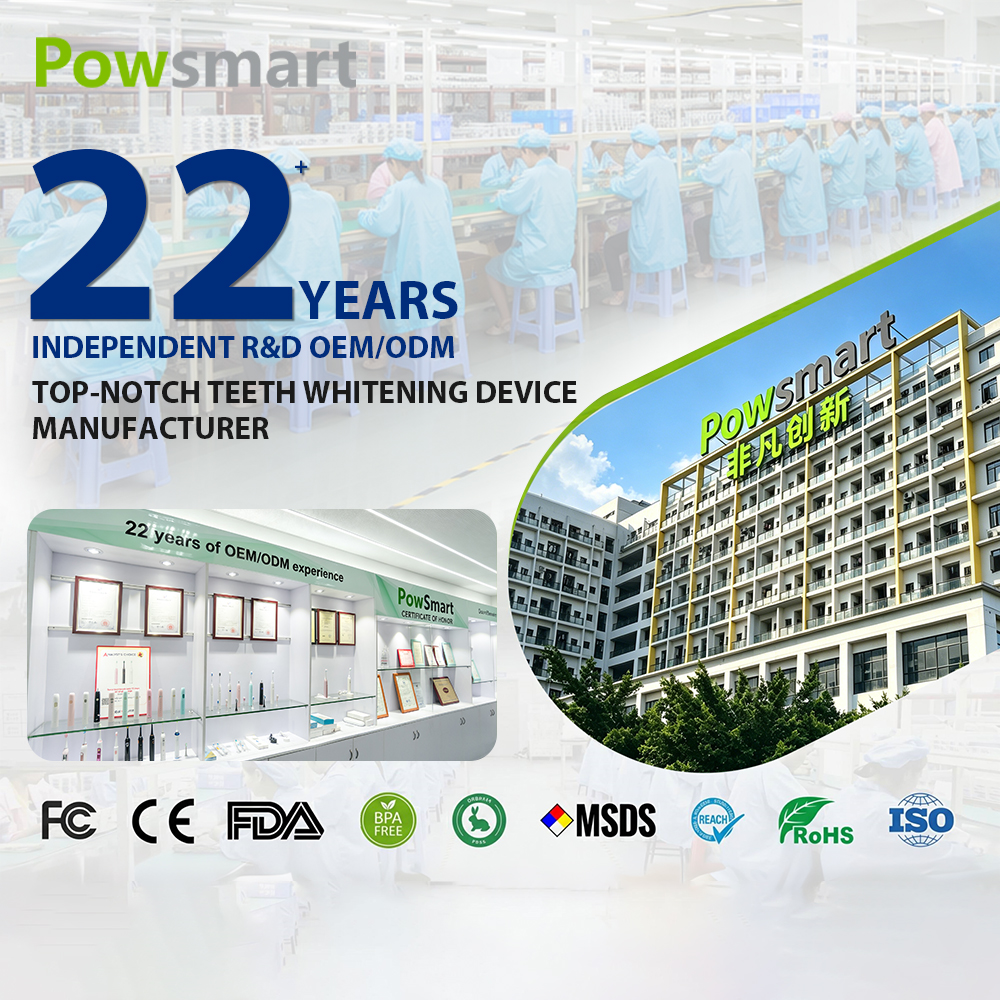
Remember that there’s no one-size-fits-all answer. It’s important to evaluate your options carefully and consider both the advantages and disadvantages of branding and private label before making your decision. Contact Powsmart if you’re interested in water flosser manufacturing and customization service.https://www.powsmart.com/
.jpg)
