In modern oral-care device engineering, brands increasingly ask how a Wireless Charging Base can be seamlessly integrated with optimized Flow Channel Geometry inside next-generation water flossers. This question reflects a broader industry push toward compact structure layouts, improved hydraulic performance, and stable power delivery—especially as OEM/ODM buyers demand both efficiency and reliability in a single design.
Integrating Flow Channel Geometry requires careful internal mapping so the Wireless Charging Base does not interfere with pump positioning or water pathways. Manufacturers must design a chassis that maintains stable electromagnetic alignment while leaving unobstructed space for high-efficiency channels.
Wireless power transfer coils can create electromagnetic fields that may disrupt sensing modules or micro-pumps. Proper shielding and placement ensure that the optimized Flow Channel Geometry delivers smooth, turbulence-controlled water flow without distortion caused by electrical interference.
A well-designed Wireless Charging Base provides a predictable input current, enabling the motor and pump to generate stronger. Paired with streamlined Flow Channel Geometry, energy-to-pressure conversion becomes more efficient, supporting stable pulsation modes.
B2B partners often want slimmer flossers. Integrating wireless charging eliminates bulky ports, allowing engineers to allocate more space for improved Flow Channel Geometry, pump housings.
A wireless charging port reduces physical openings, simplifying IPX-level sealing. This makes it easier to protect the internal Flow Channel Geometry from moisture intrusion, calcium deposits, and corrosion.
When wireless charging powers a more advanced internal architecture, brands can incorporate smart-flow algorithms that adjust pressure depending on channel feedback. Flow Channel Geometry optimized for turbulence reduction works hand-in-hand with power stability to enable adaptive cleaning modes and quieter performance. Contact us
.jpg)
-1024x1024.jpg)

The Secret of Cross-Border Brands: The Global Competitiveness of Chinese Electric Toothbrush Factories
.jpg)
Why Combine Custom Logo Electric Toothbrush Services with Toothbrush Head Replacement OEM for Recurring Revenue?
Seeking an Orthodontic Jet Tip That Also Functions as a Periodontal Pocket Irrigator?
.jpg)
Health Gifts for Elderly Parents Smart Toothbrush | Powsmart
Co-marketing strategies for dental appliances and electric toothbrushes
10 Eco-Friendly Oral Care Upgrades for Your OEM Product Line
How Can the Competitiveness of a Brand Be Enhanced Through the User Experience and Functions of an Oral Cleaning Device?
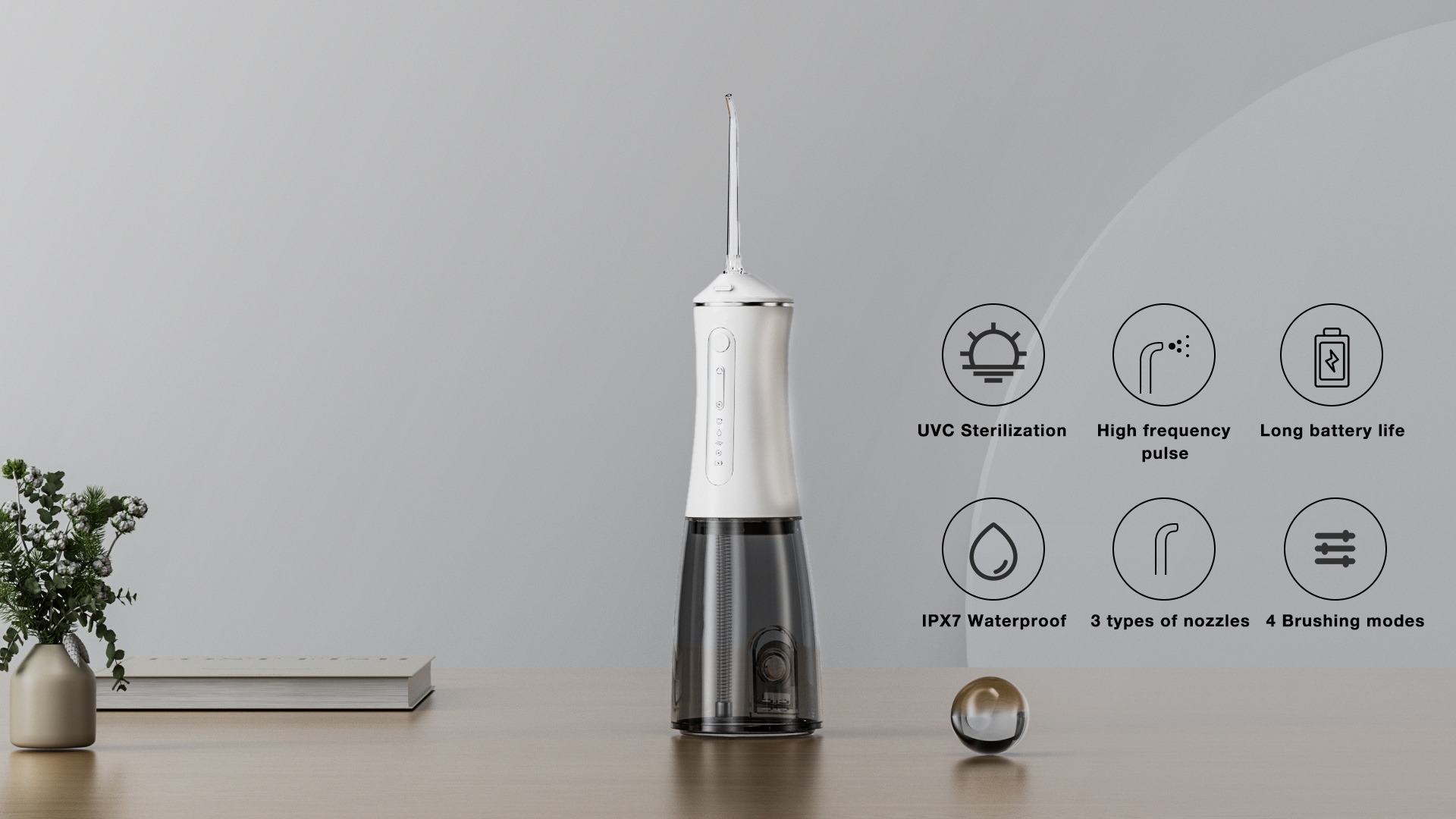
Why Do Dentists Recommend Dental Irrigators? Only by Cleaning Properly Can You Protect Your Mouth
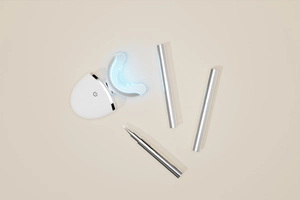
Does Teeth Whitening Gel Expire? Answer From Factory
-3-scaled.png)
Home vs. Professional Red and Blue Light Teeth Whitening Devices: Wavelength Stability and Energy Density Comparison
Red Light and Blue Light Electric Toothbrush Technology
Electric Toothbrush Quality Inspection and OEM Testing Standards

How Does Osmotic Pressure Regulation Fare in Accelerated Aging Tests for Product Longevity?
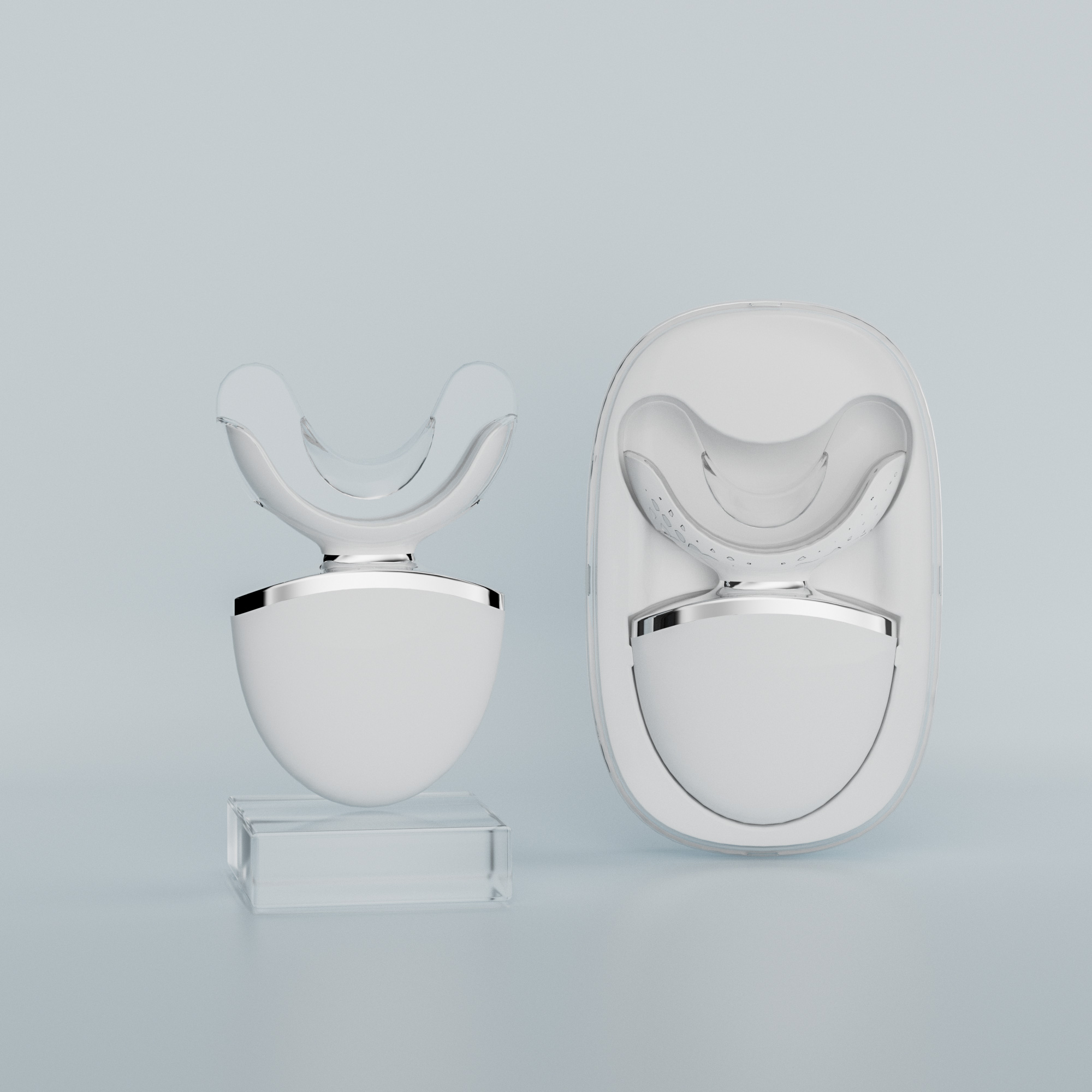
Custom Details of the Teeth Whitening Kit
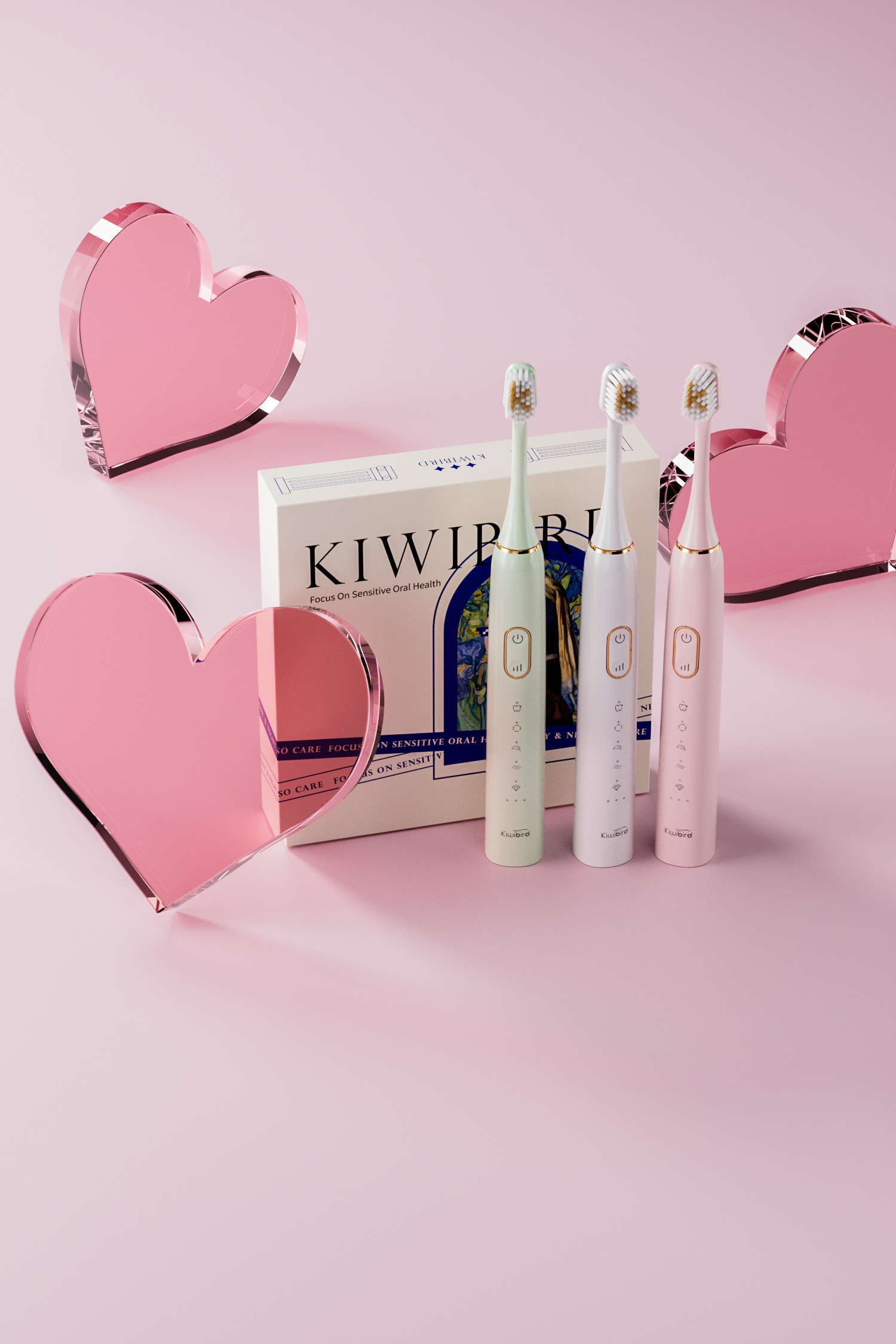
Can the Powsmart Pressure Sensor in This Sensitive Gums Toothbrush Prevent Bleeding?
IPX7 Waterproof Electric Toothbrush Bulk | Reliable B2B Supplier


.jpg)
.jpg)
.jpg)
.jpg)
.jpg)






.jpg)

.jpg)