If you’ve ever found your electric toothbrush randomly turn on in the middle of the night or while stored in a travel case, you’re not alone. Many users have experienced this strange phenomenon — a toothbrush suddenly buzzing without warning. While it may seem like a harmless glitch, for oral care brands and manufacturers, such incidents raise serious questions about product design, safety, and OEM quality control. In this article, experienced toothbrush manufacturers explain the real reasons behind these unexpected power activations — and how quality-focused production can prevent them.
The modern electric toothbrush is a small marvel of engineering — integrating sensors, switches, circuit boards, and rechargeable batteries into a waterproof body. However, this complexity also increases the chance of small errors that can cause malfunctioning behavior.
When a toothbrush turns on by itself, it often points to a manufacturing defect or switch mechanism failure within the internal components. Identifying which issue is at play requires both precise engineering and a reliable production process.
There are several manufacturing defect causes that can lead to a toothbrush activating unexpectedly:
Moisture Ingress: Despite waterproof designs, micro-seals may fail, allowing humidity to interfere with the electrical circuit.
Battery Contact Misalignment: A poorly assembled battery connector may intermittently complete the circuit, triggering random activation.
PCB (Printed Circuit Board) Sensitivity: Overly sensitive circuits can misinterpret static or voltage fluctuations as a “power on” signal.
These problems are usually preventable — if the right OEM quality control systems are in place during assembly and testing.
The Toothbrush Randomly Turn On is one of the most common reasons for random activation. The on/off button is often a mechanical or pressure-sensitive component. Over time, or through faulty production, the switch may lose its calibration or become stuck in a semi-pressed state.
Inconsistent materials, improper soldering, or low-quality rubber membranes can all lead to erratic behavior. For this reason, high-end manufacturers invest in precision switch testing during every production batch.
For oral care brands developing their next-generation electric toothbrush, OEM quality control is non-negotiable. It’s not enough for the toothbrush to look sleek — the internal engineering must be consistent across thousands of units.
Effective OEM partners employ:
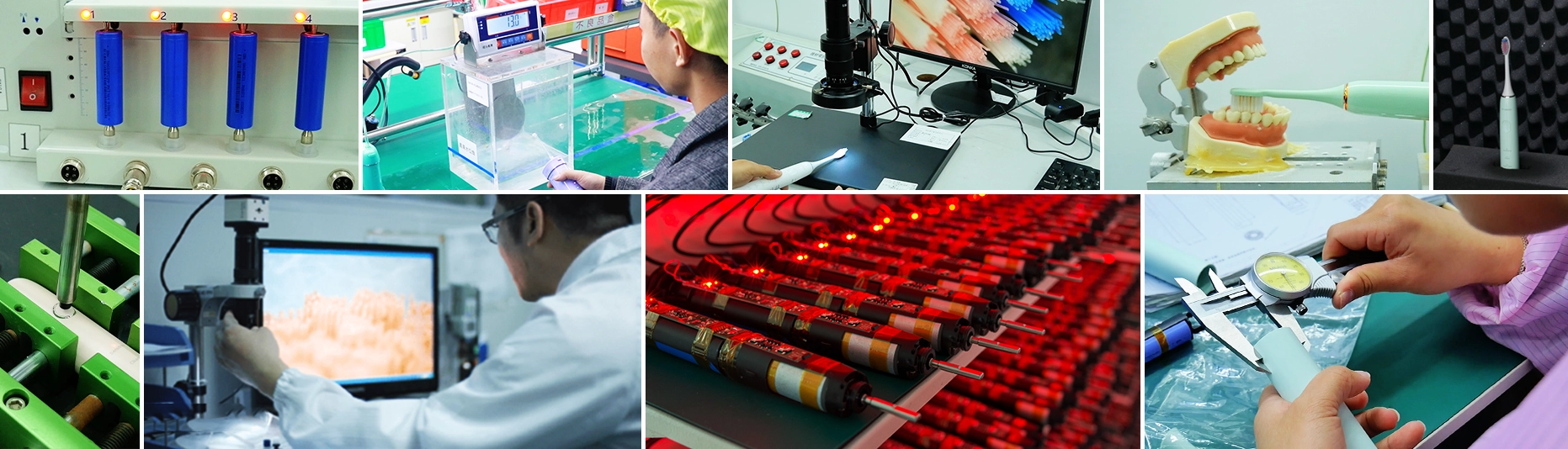
Automated inspection systems to detect micro-defects in circuit assemblies.
Environmental testing to simulate moisture and pressure over time.
Switch actuation cycle tests to ensure consistent tactile performance.
By enforcing these procedures, manufacturers dramatically reduce the risk of “ghost activations” that could harm brand reputation.
For oral care startups or established brands, partnering with a reliable electric toothbrush manufacturer can make the difference between product success and recall. Look for factories that have:
Proven experience in small electronic assembly and waterproof design.
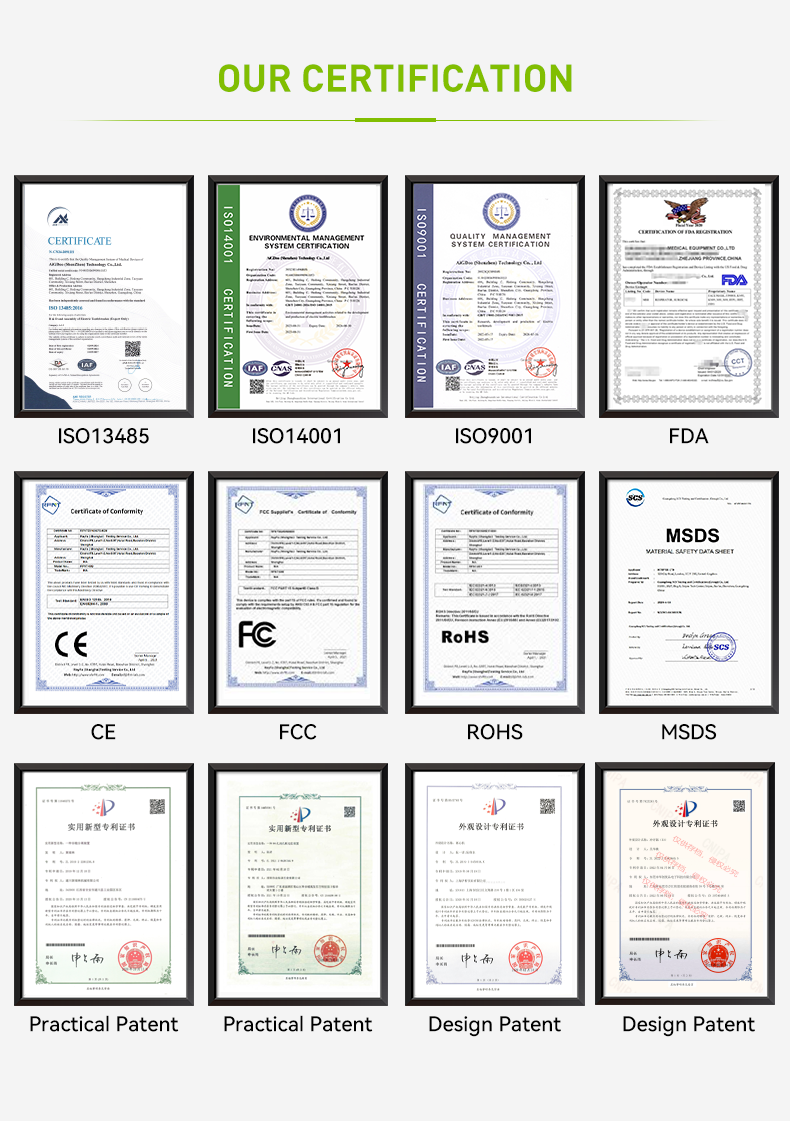
Certified ISO9001 or BSCI quality systems.
Transparent communication on OEM and ODM customization.
Choosing a partner who values quality assurance and continuous improvement helps prevent frustrating issues — like having your electric toothbrush randomly turn on when you least expect it.
When an electric toothbrush activates on its own, the cause isn’t supernatural — it’s technical. Behind every malfunction lies a lesson in manufacturing precision, material choice, and quality control discipline.
For oral care brands aiming to deliver reliability and customer trust, working with the right manufacturing partner ensures that even the smallest switch behaves exactly as intended — every single time.
.jpg)
Electric vs. Manual Toothbrushes: Which Is Better?

At What Age Can a Child Use a kids Electric Toothbrush?
Electric Toothbrush Design Customization for OEM and Private Label Brands
How Can Oral Care Product Brands Improve Customer Trust Through Content Marketing?
water flosser dental floss comparison
Premium Electric Toothbrush OEM Manufacturer for Global Markets
How Can the Competitiveness of a Brand Be Enhanced Through the User Experience and Functions of an Oral Cleaning Device?
Portable Electric Toothbrush for College Hostel Life

Why Integrate Pump Flow Control with a Light Diffusion Lens for Combined Oral Care?

Dental Science | Suitable People and Precautions for Using Home Water Flossers
Why Bundle an Oral Care Kit with Cosmetic Whitening Equipment?
Is Your Motor Vibration Failure Causing Brush Head Detachment?
Why Choose a Magnetic Levitation Motor Paired with an Efficient Wireless Charging Coil?

The Secret of Cross-Border Brands: The Global Competitiveness of Chinese Electric Toothbrush Factories
Effect of UVC Sterilization in Oral Care Products
Alaska Electric Toothbrush for Travel


.jpg)
.jpg)
.jpg)
.jpg)
.jpg)