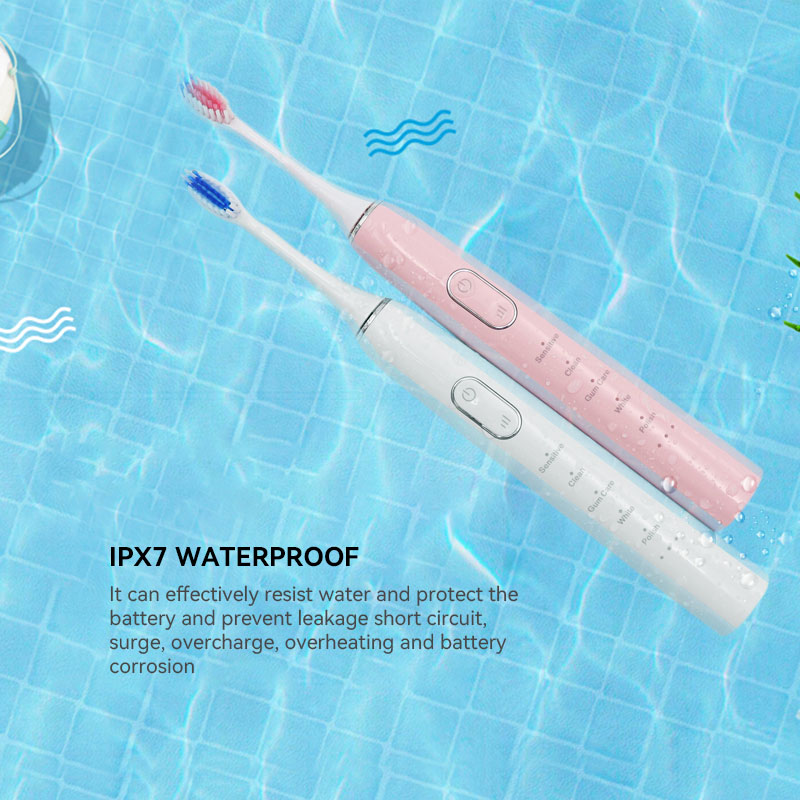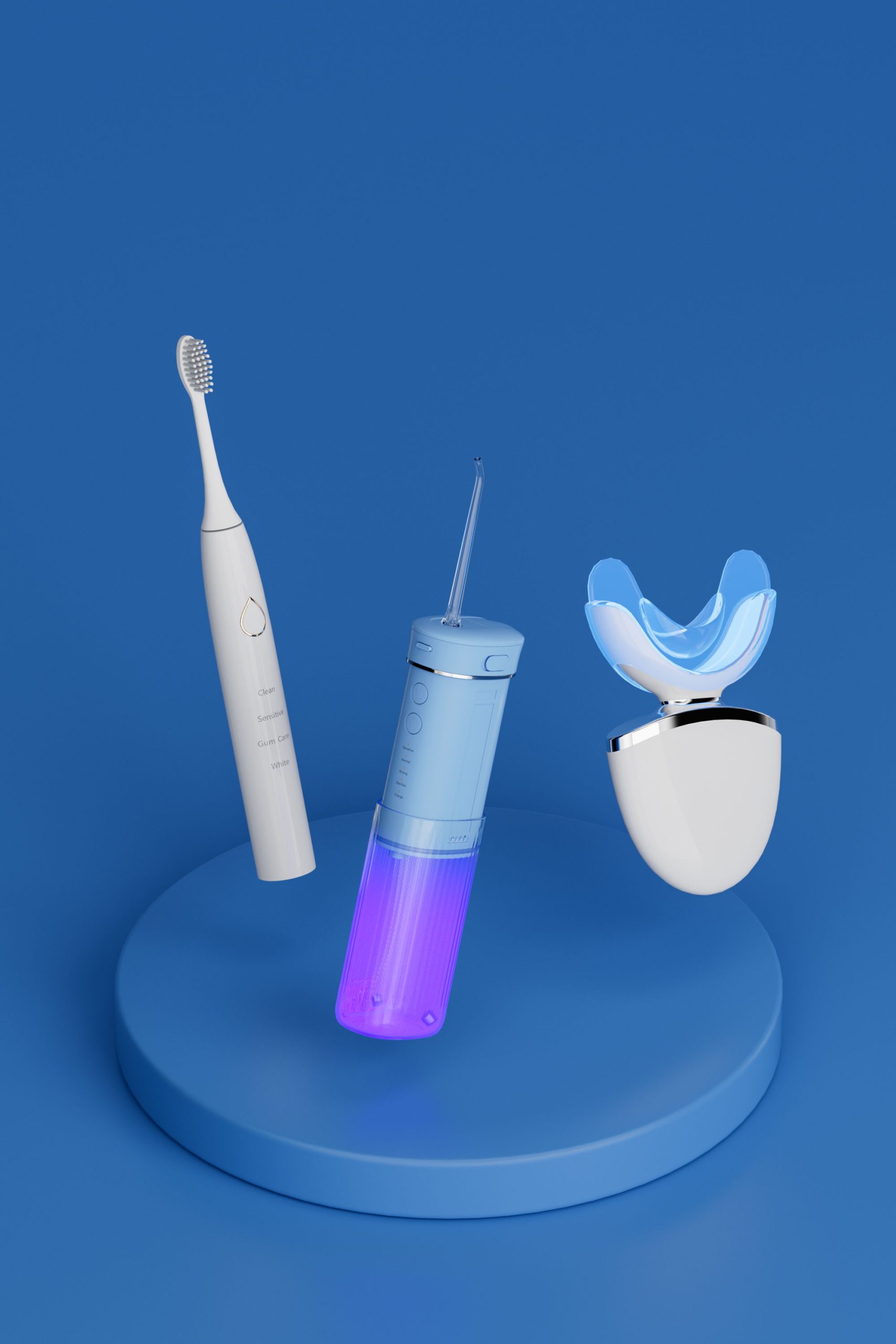
As global mobility increases and lifestyles become more fast-paced, travel-friendly oral care products have rapidly grown from a niche category into a mainstream preference. For brands and OEM manufacturers, understanding user preferences, behavior, and current OEM trends behind this shift is essential for developing competitive products. Below is a breakdown of the six major reasons why users favor travel-ready oral care solutions—and why brands are actively seeking reliable manufacturing partners to meet rising demand.
Consumers travel more than ever—whether for business, leisure, or daily commuting. Products like portable electric toothbrushes and compact dental kits offer easy packing, quick use, and minimal space consumption. Users want solutions that fit effortlessly into backpacks, handbags, and luggage without compromising hygiene.
User preferences show a clear shift toward simplified personal-care routines. People want fewer items that deliver more functions. Travel-friendly oral care products often integrate multiple features—such as brush, case, sanitizer, or water-flosser add-ons—aligning perfectly with minimalist expectations.
Consumers today understand the importance of maintaining oral hygiene even outside the home. Travel-ready products support consistent habits and reduce skipped routines. For frequent flyers, long-distance commuters, and students, portability is no longer optional—it’s essential.
Compact motors, longer battery life, and USB-C charging have transformed the portable electric toothbrush category. These advancements allow users to enjoy full-power brushing in a travel-friendly size. As technology improves, demand for sleek, lightweight, and durable devices continues to accelerate.
Brands are increasingly seeking OEM/ODM partners to develop private-label travel oral care lines. Current OEM trends include:
Modular designs (interchangeable heads, attachments)
Waterproof and drop-resistant build
Eco-friendly materials for cases and handles
Smart features like timers and pressure sensors
Airline-safe and TSA-compliant packaging
Manufacturers that can support customization, small-batch flexibility, or rapid prototyping are especially valuable to brand owners.
Aesthetic appeal plays a significant role. Today’s users favor travel products that look clean, modern, and elegant. Sleek travel cases, antimicrobial materials, and hygienic storage solutions directly influence purchase decisions. Brands that satisfy both functionality and design aesthetics stand out in the market.
Travel-friendly oral care products are popular because they align with modern user preferences, combining convenience, hygiene, style, and advanced technology. As demand grows, brands looking to expand their product line will benefit greatly from partnering with capable manufacturers experienced in portable electric toothbrush development and aligned with emerging OEM trends.
.jpg)
How to Clean Dirty Ports and Seal Deterioration?
Need an Apical Irrigation Tip that Utilizes Hydro-kinetic Energy Transfer for Root Canal Cleaning?
Is Your Whitening Inefficiency Caused by Low-Quality Teeth Whitener Nano Coating?
Texas Flag Pattern Toothbrush
How Can Toothbrush OEM Manufacturing Services Boost Your Custom Toothbrush Branding Strategy?
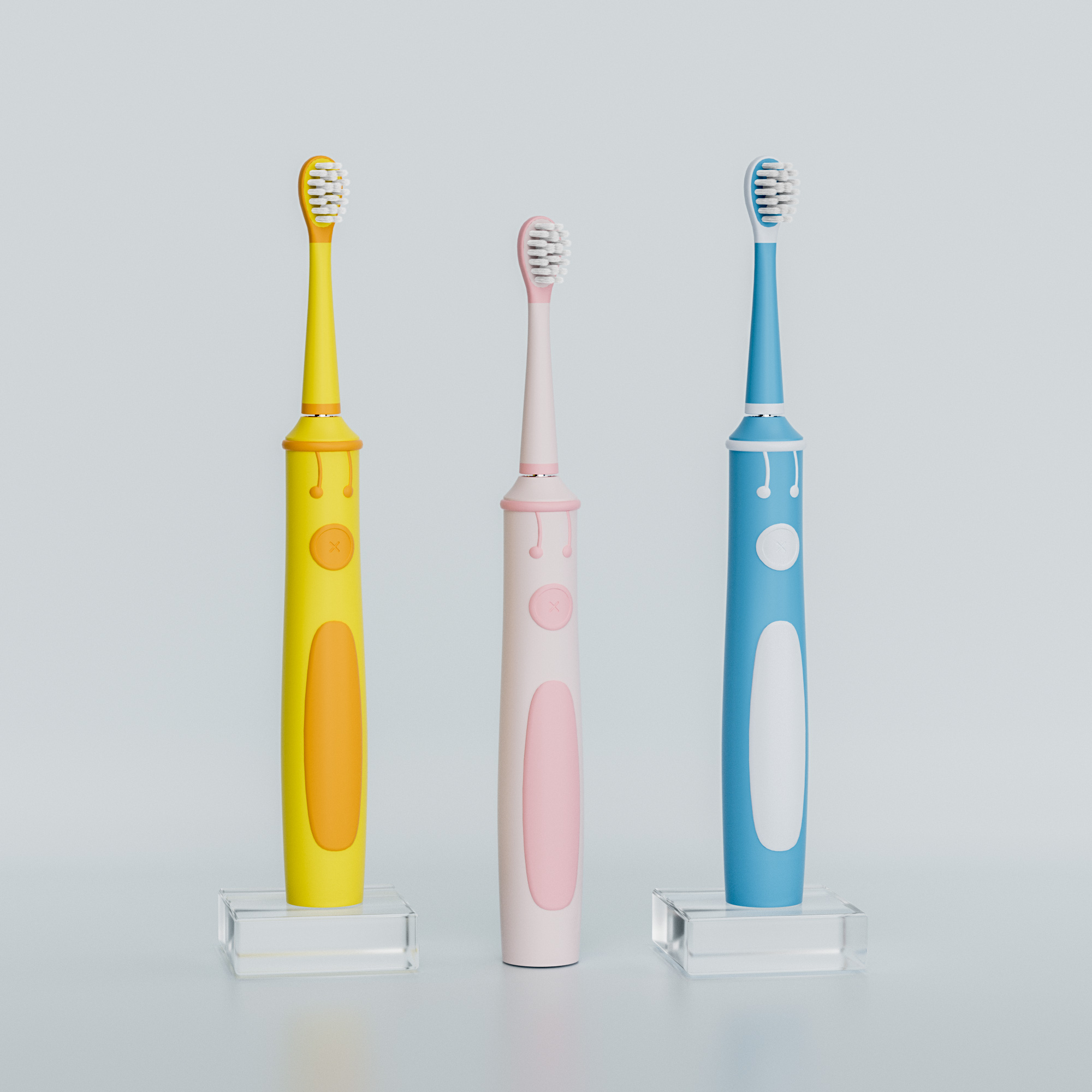
Children’s Oral Care: Developing Good Oral Habits at an Early Age
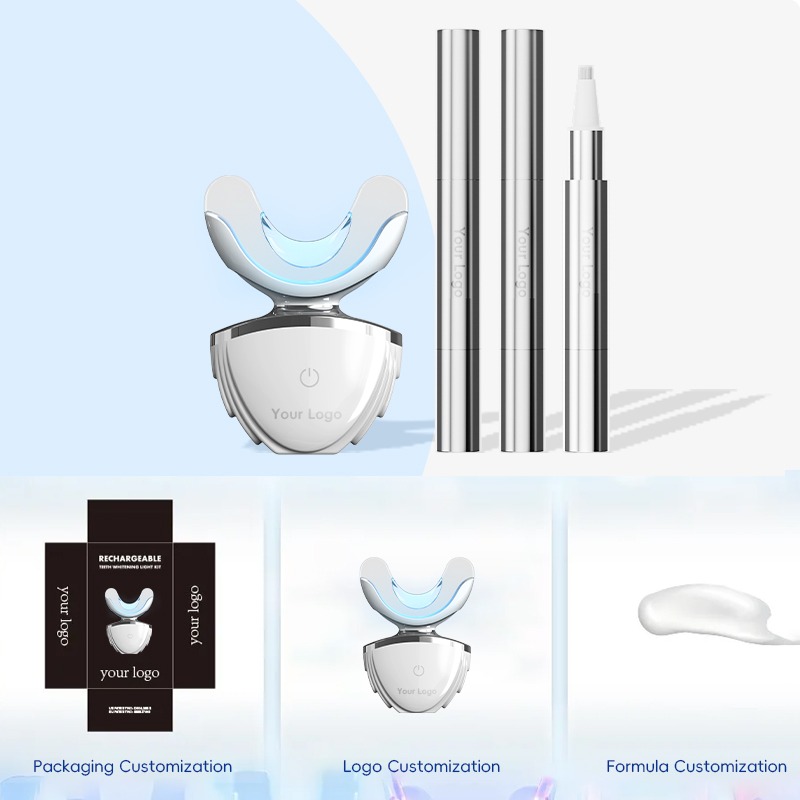
Teeth Whitening Device Patent and Intellectual Property Protection: How Can Brand Owners Avoid Infringement Risks?
Seeking Bio-compatible Housing Material with Non-slip Grip Texture for Your Toothbrush?
Electric Toothbrush Reseller Program Wholesale | Global Distributor Partner
Choosing a Reliable Water Flosser Nozzle Manufacturer for Your Brand

Four Core Factors Brand Owners Must Pay Attention to When Choosing Competitive Water Flossers
Camouflage Electric Toothbrush Texas
Allergic Reactions and Taste Alteration – Whitening’s Hidden Cost?
direct-to-consumer oral care brands
Frequency and Tips for Using Your At-Home Mouthpiece Recommended by Your Dentist
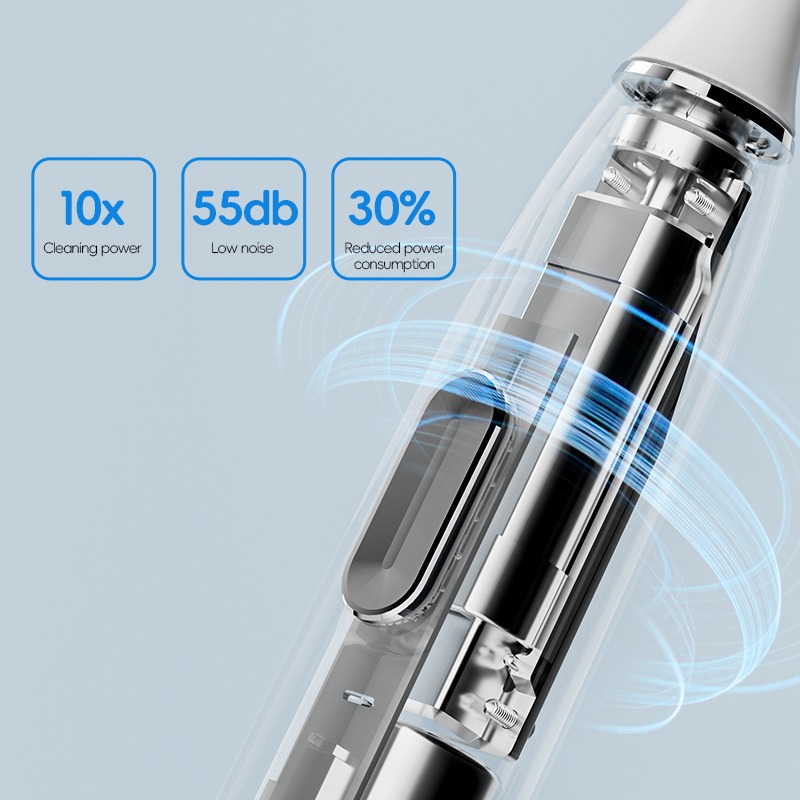
Electric Toothbrush Motor Performance Comparison: Advantages and Disadvantages of Magnetic Levitation Motors vs Traditional Motors


.jpg)
.jpg)
.jpg)
.jpg)
.jpg)






.jpg)
.jpg)
-1-scaled.png)
.jpg)
.jpg)