
For oral-care product brands looking to develop or OEM their own electric toothbrush line, user safety is one of the most important factors in product design, testing, and instructions. Even something as simple as electric toothbrush head installation requires clear guidelines to prevent damage, ensure stability, and maintain oral hygiene. Below, we outline key safety precautions manufacturers and OEM partners should include when designing or documenting brush head attachment procedures.
One of the first safety precautions is confirming that the brush head is fully compatible with the toothbrush handle. Poorly matched parts can lead to instability or motor damage. OEM suppliers should implement OEM design safety checks to ensure that every brush head insertion point aligns perfectly with the drive shaft and locking mechanism.
Before installing the electric toothbrush head, users should check for cracks, loose bristles, or manufacturing defects. Brands working with factories should require strict quality inspections, focusing on brush head attachment durability tests and bristle retention standards.
To avoid accidental activation, the toothbrush must be powered off during installation. This protects the user’s fingers and prevents sudden rotation. OEM factories should design motors that prevent rotation unless the head is fully locked in place, enhancing electric toothbrush head installation safety.
Users often apply too much force, which can damage internal components. Clear instructions should guide them to push the brush head down until they hear or feel a “click.” Manufacturers should develop intuitive brush head attachment systems that prevent over-tightening while ensuring secure placement.
To prevent bacterial contamination, both the brush head and handle should be dry and clean before installation. Oral-care brands partnering with OEM factories can request antimicrobial materials or hygienic packaging solutions as part of OEM design safety standards.
Once the electric toothbrush head is installed, users should gently tug it to ensure it is securely locked. OEM manufacturers should conduct vibration-resistance tests to ensure that the head stays attached even at maximum speed.
For oral-care brands working with OEM or ODM partners, integrating these safety precautions into product instructions, engineering specifications, and user manuals significantly enhances reliability and customer trust. By focusing on precise electric toothbrush head installation, robust safety precautions, and well-designed brush head attachment mechanisms, brands can offer products that are both effective and safe for daily use.
.jpg)
Anti-Bacterial Electric Toothbrush Head Technology

How to Choose an Electric Toothbrush for Children?
Whitening Pen + LED Kit Supplier | Teeth Whitening Combo OEM
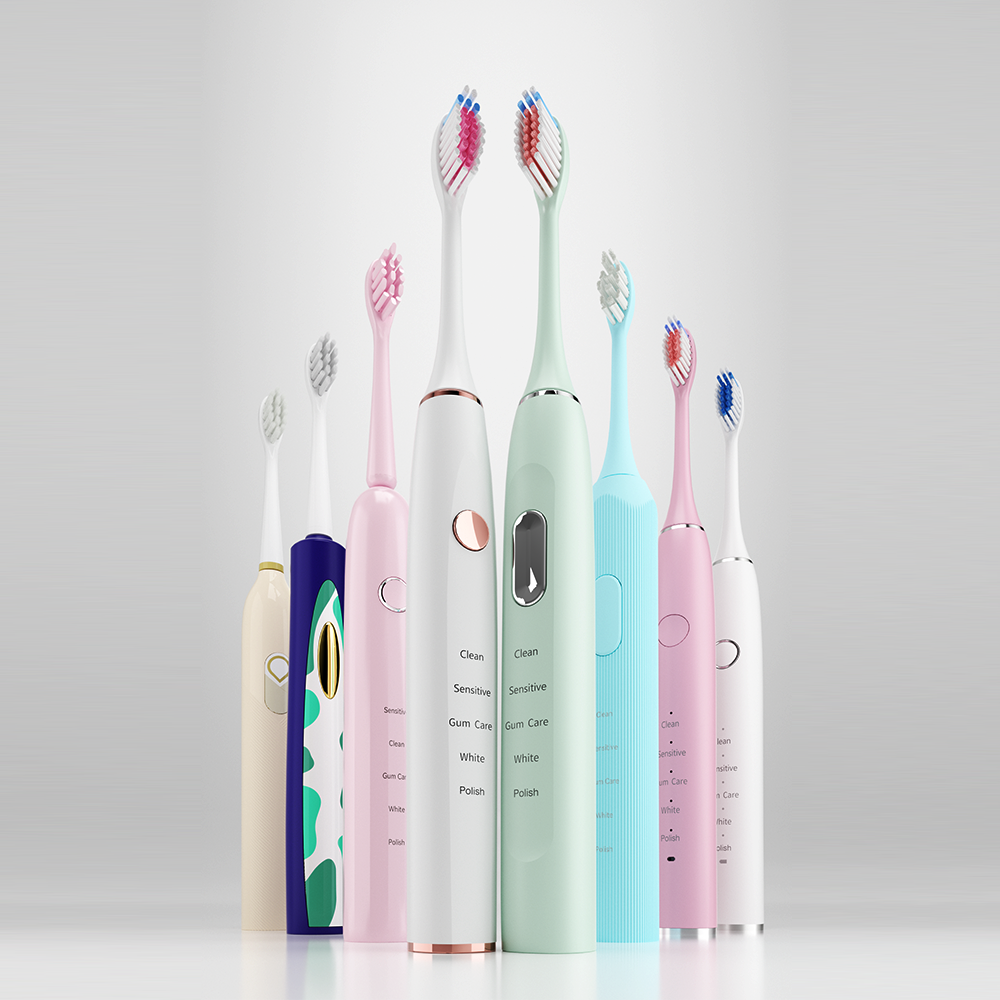
Application and Effectiveness of Electric Toothbrush in Oral Care

Effect of UVC Sterilization in Oral Care Products
LA Teeth Whitening Kits | Hollywood Smile Guide for Locals & Retailers
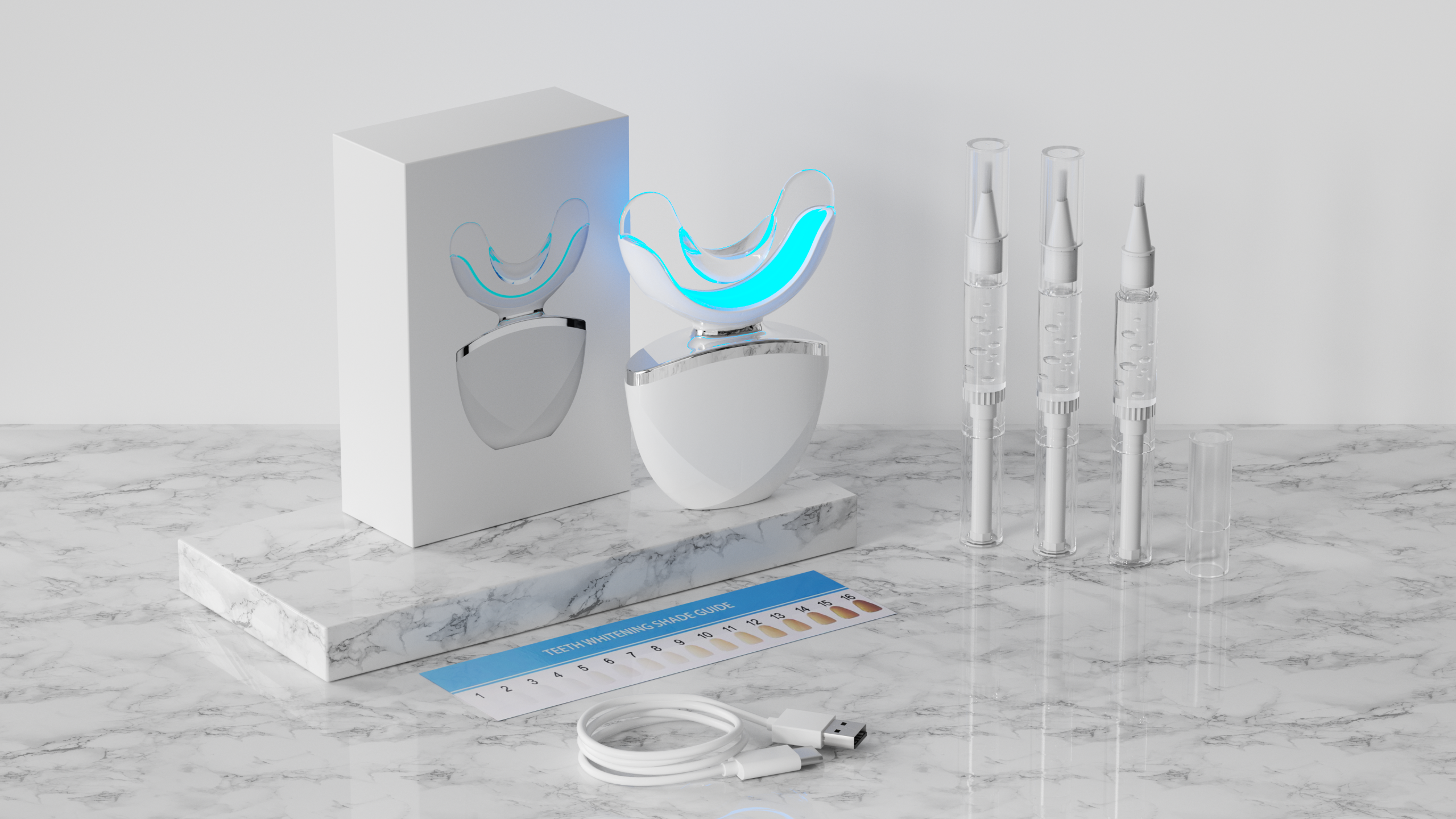
Can a Toothbrush Truly Rebuild Gum Health? Discover Powsmart’s Dual-Action Gum Shield Tech!
.jpg)
Where to Find Electric Toothbrush Manufacturer Reviews to Identify the Best Electric Toothbrush for Distributors?
Electric Toothbrush with Extra Battery Life for RV Travelers
What Competitive Oral Care Products Are Needed in the Highly Competitive Dental Care Market?
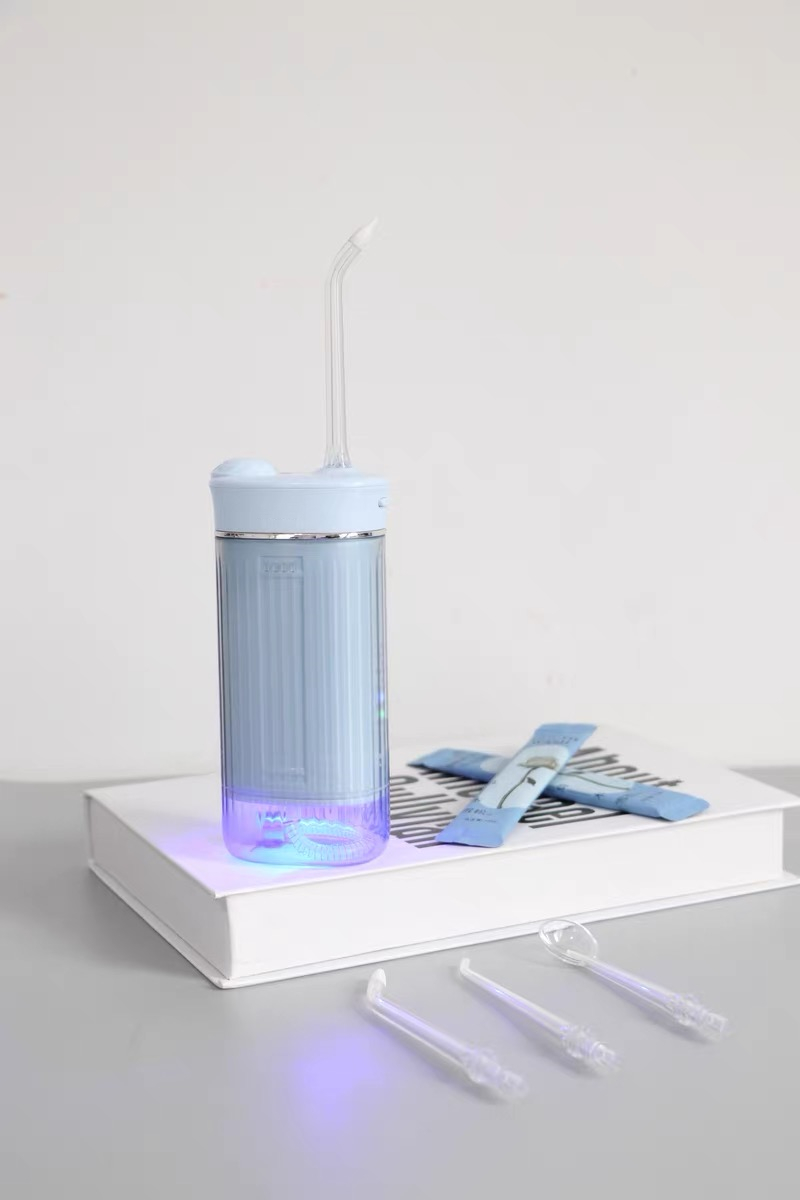
How Do Water Flosser Connector Parts Enable Versatile Multi-mode Water Flosser Functionality?

How to Repair an Electric Toothbrush – Answers from Manufacturers
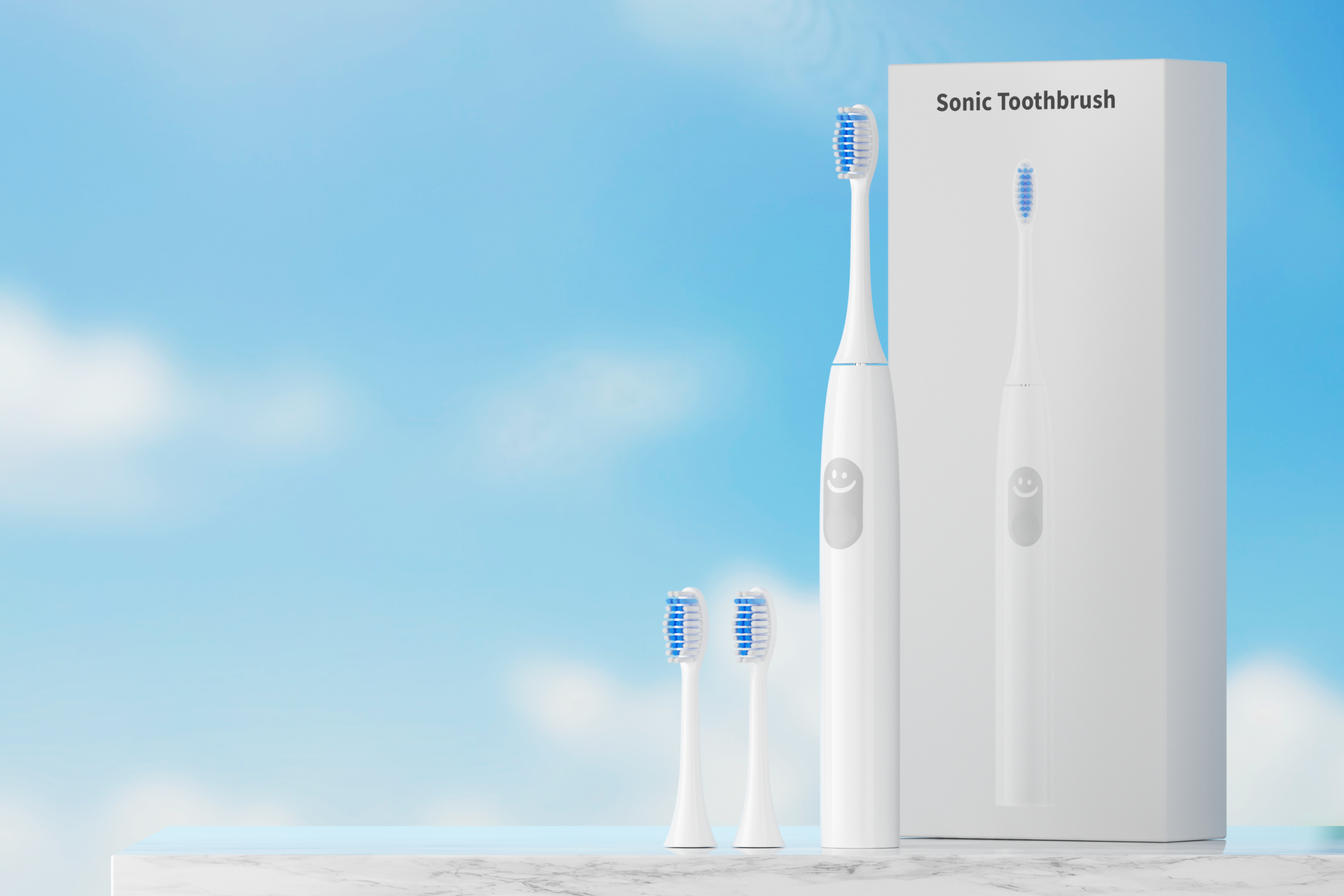
Environmentally friendly Electric Toothbrush OEM: Sustainable Oral Care
Taste Alteration After Tray Misalignment – Coincidence?
Sonic Toothbrush ODM Service for Global Oral Care Brands
Electric Toothbrush OEM Manufacturer for Global Oral Care Brands


.jpg)
.jpg)
.jpg)
.jpg)
.jpg)






.jpg)
.jpg)

.jpg)
.jpg)