For manufacturers supplying precision fluid systems, a Water Pump OEM is expected to deliver stable performance across large production volumes. Flow accuracy directly impacts product reliability, user safety, and brand reputation. This raises a critical question: can consistency truly be achieved without a dedicated Flow Rate Calibration Tool, or does calibration remain a non-negotiable step in modern pump manufacturing?
Even with standardized designs, minor variations in components such as impellers, seals, and motors can affect output. Without a Flow Rate Calibration Tool, a Water Pump OEM may struggle to detect small deviations that accumulate into noticeable performance differences.
High-quality design and tooling are essential, but they cannot fully compensate for material tolerances and assembly variation. Relying solely on design assumptions, without a Flow Rate Calibration Tool, increases the risk of inconsistent flow delivery across production batches.
In applications such as oral irrigators or medical-adjacent devices, flow inconsistency directly affects effectiveness and comfort. A Water Pump OEM that omits flow calibration may face higher return rates and reduced customer satisfaction.
A Flow Rate Calibration Tool enables measurable, recordable performance benchmarks. Without it, a Water Pump OEM has limited data to support internal quality audits, customer validation, or continuous improvement initiatives.
Many B2B buyers expect documented flow performance as part of supplier qualification. Using a Flow Rate Calibration Tool helps a Water Pump OEM demonstrate process control, supporting compliance with industry standards and customer specifications.
While skipping calibration may reduce short-term costs, it often leads to higher downstream expenses. Inconsistent products can damage a Water Pump OEM’s reputation, making long-term partnerships harder to secure.
In practice, a Water Pump OEM cannot reliably ensure consistency without a Flow Rate Calibration Tool. Calibration transforms design intent into verified performance, protecting quality, compliance, and customer trust. For manufacturers aiming for scalable, high-reliability production, flow calibration is not optional—it is essential. Contact us

Is Clear Instruction in the User Manual Vital for Proper Pressure Stabilization Use?
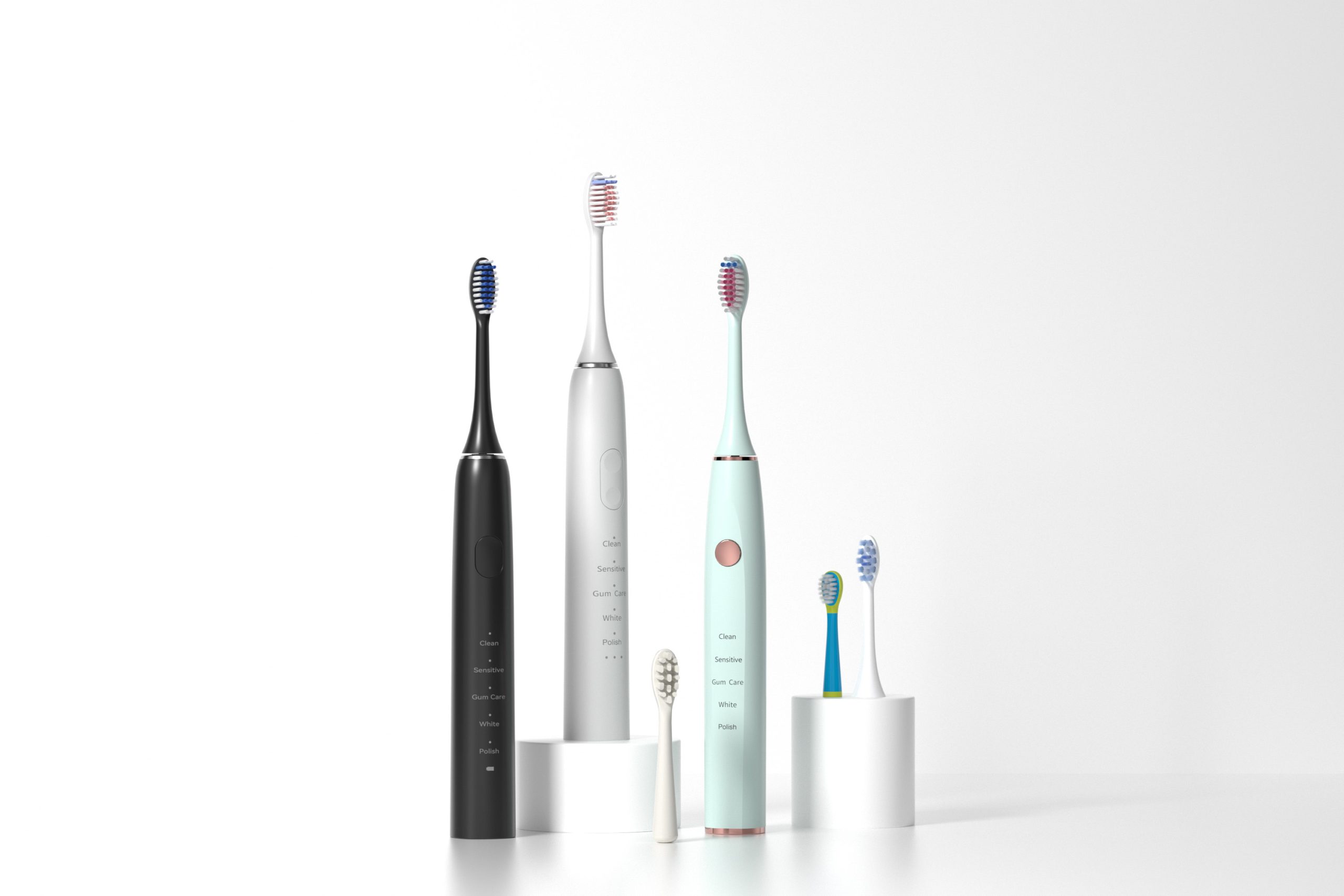
Can a Torque Control Motor Benefit from Advanced Kinematic Pair Design in Electric Toothbrushes?
.jpg)
Premium Electric Toothbrush OEM Manufacturer for Global Markets
sonic toothbrush with smart pressure sensor
.jpg)
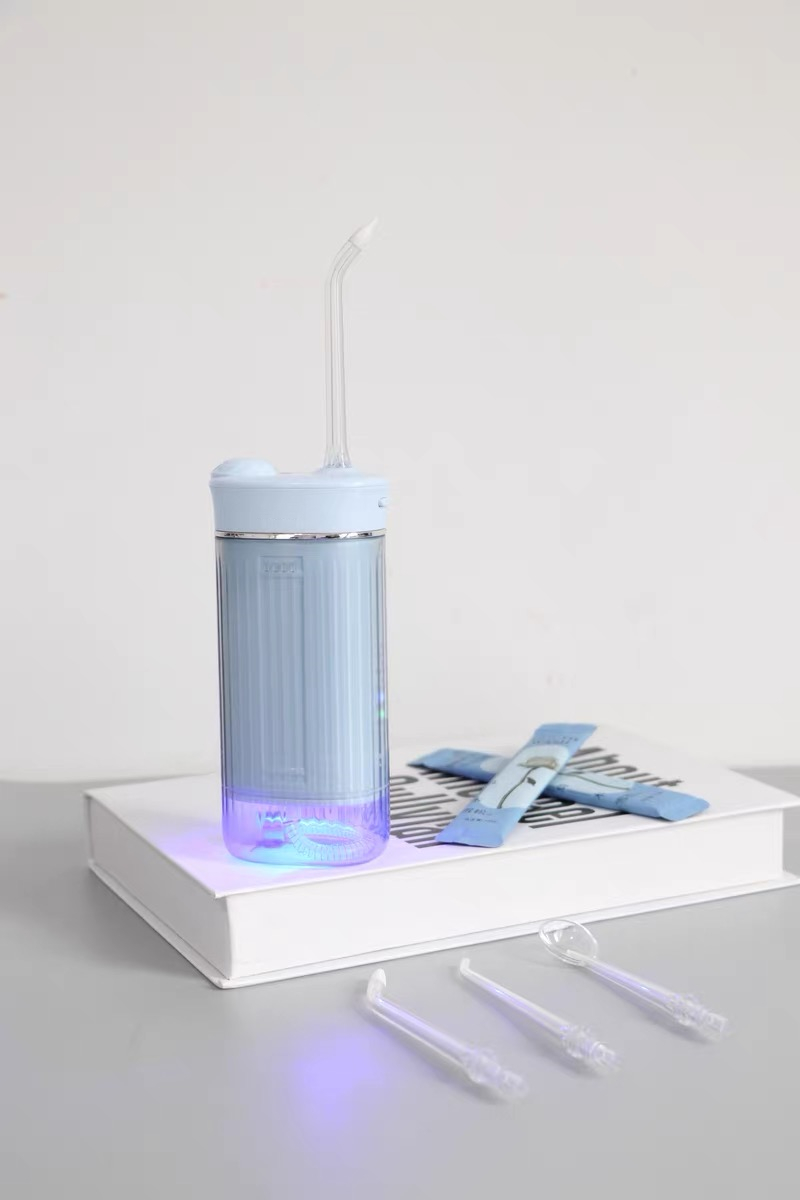
How Does a Water Flosser OEM Implement Quiet Flosser Technology for Home Use?
kids electric toothbrush OEM factory
Seeking Bio-compatible Housing Material with Non-slip Grip Texture for Your Toothbrush?
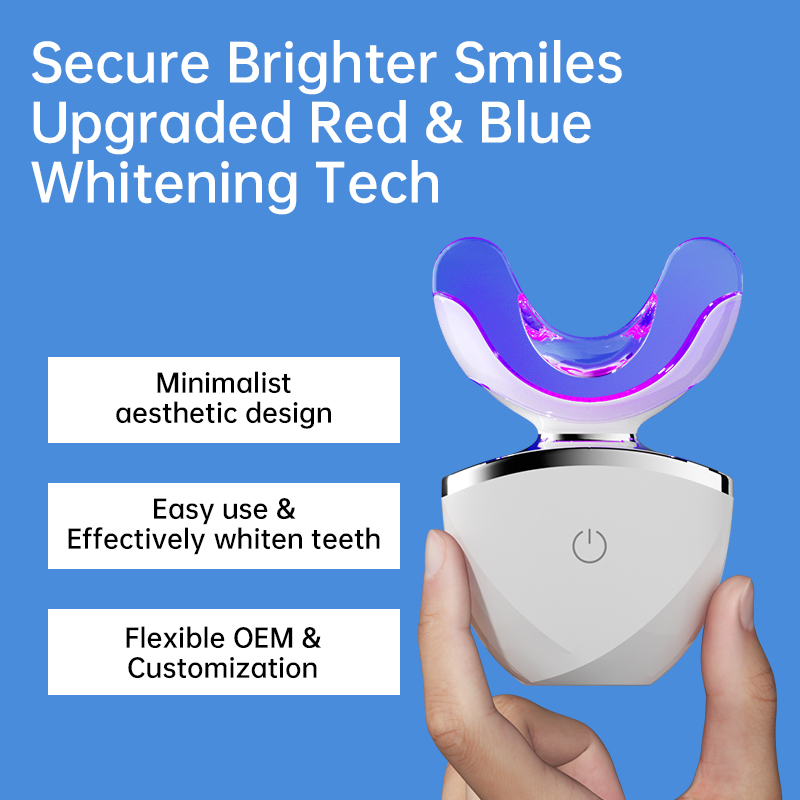
Dual-Color Light Therapy Toothbrush OEM – LED Oral-Care Innovation
How Does a Modern Touch Interface Design Integrate with an LED Display Module for User Feedback?
Wholesale Logo Printed Electric Toothbrush OEM Service

Why Build a Pressure Control System with Medical-grade Material for Professional Flossers?
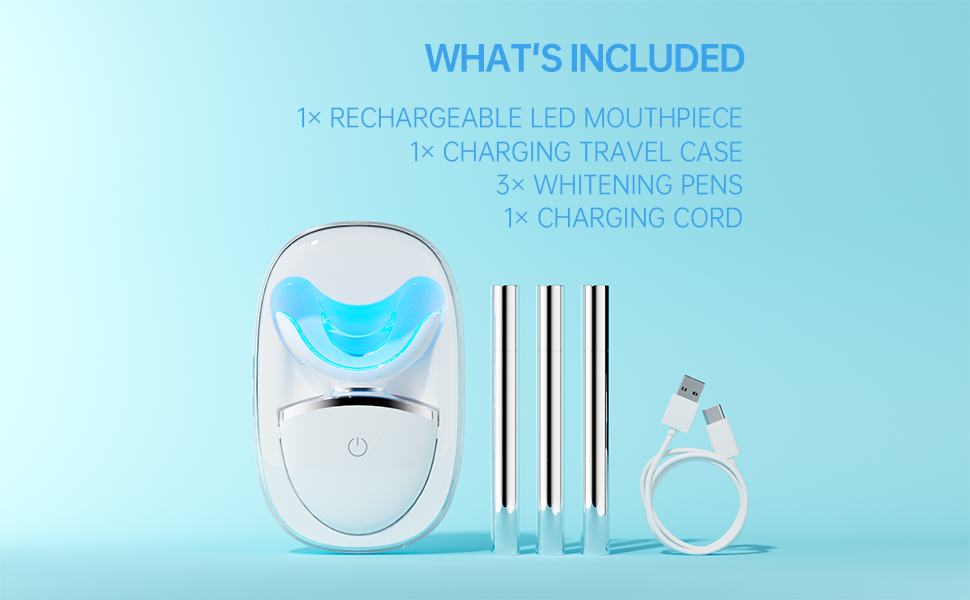
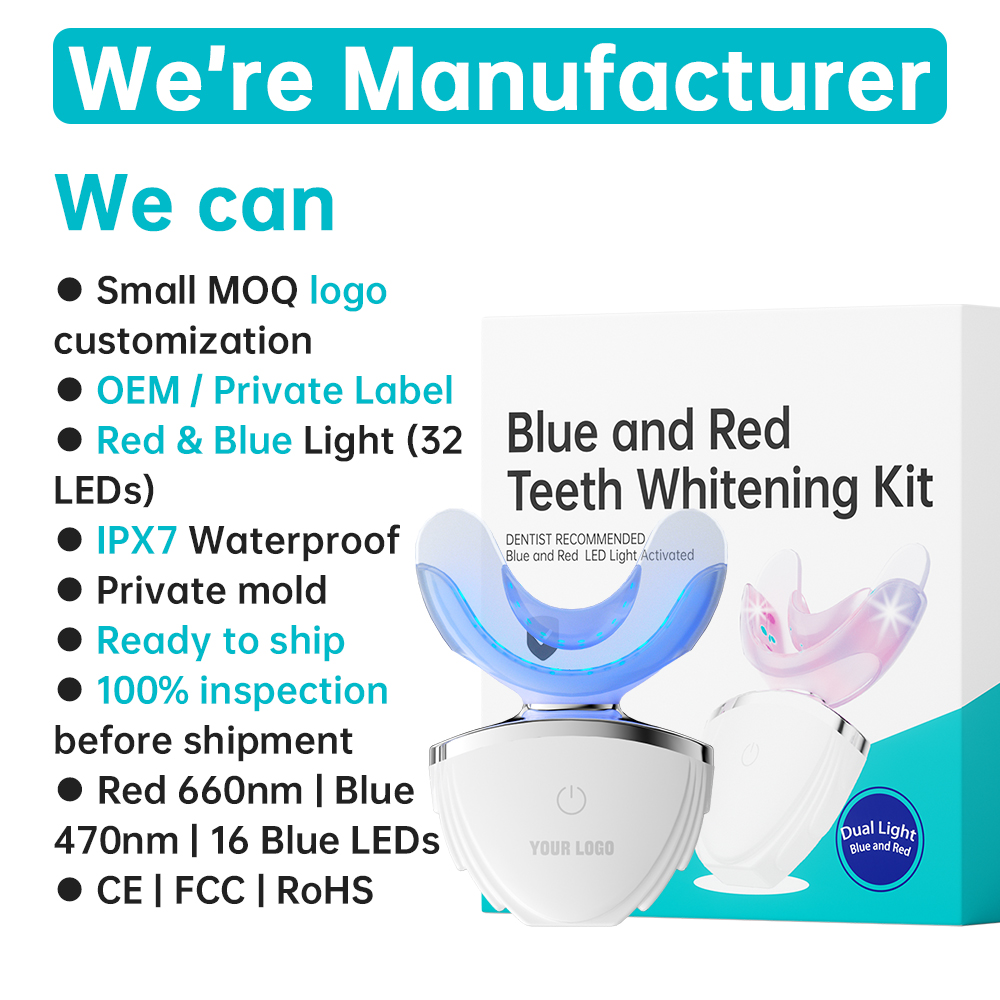
LED Teeth Whitening Kits: Maximizing Value with the Right OEM Partner
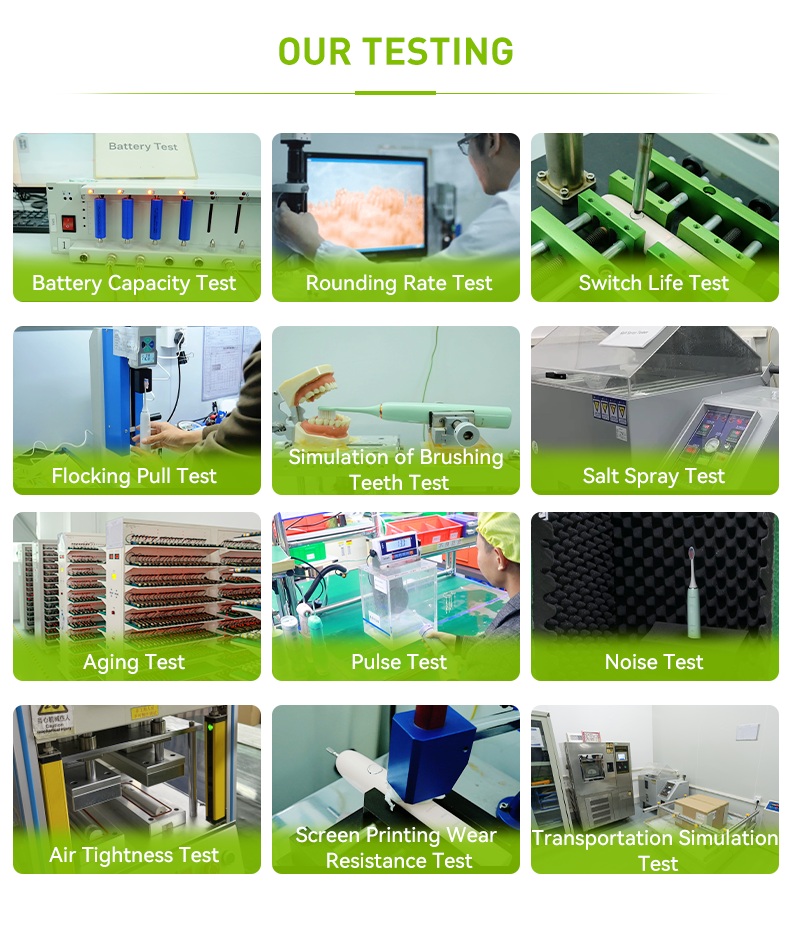
Does Your Mold Development Service Include Support for Bulk Material Sourcing?
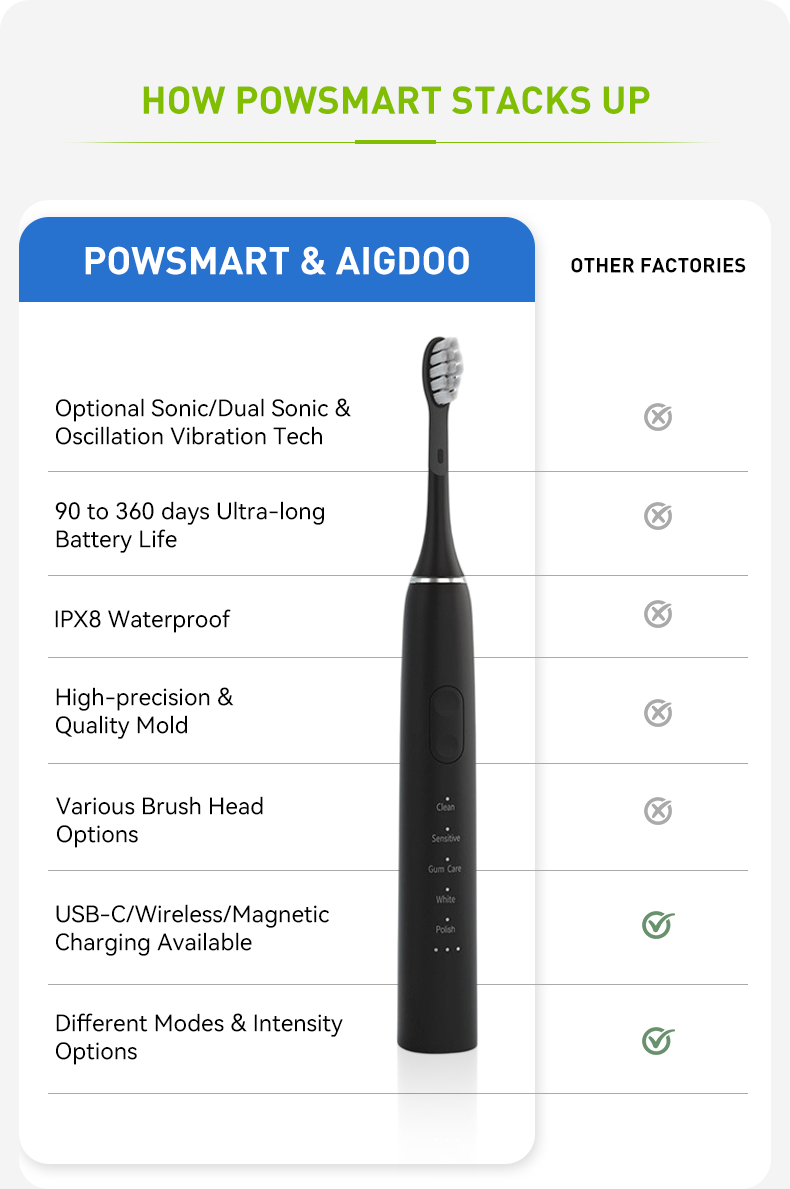
Why Is Universal Brush Head Compatibility a Challenge for Certification Compliance?
Whitening Device Packaging Customization for OEM and ODM Brands
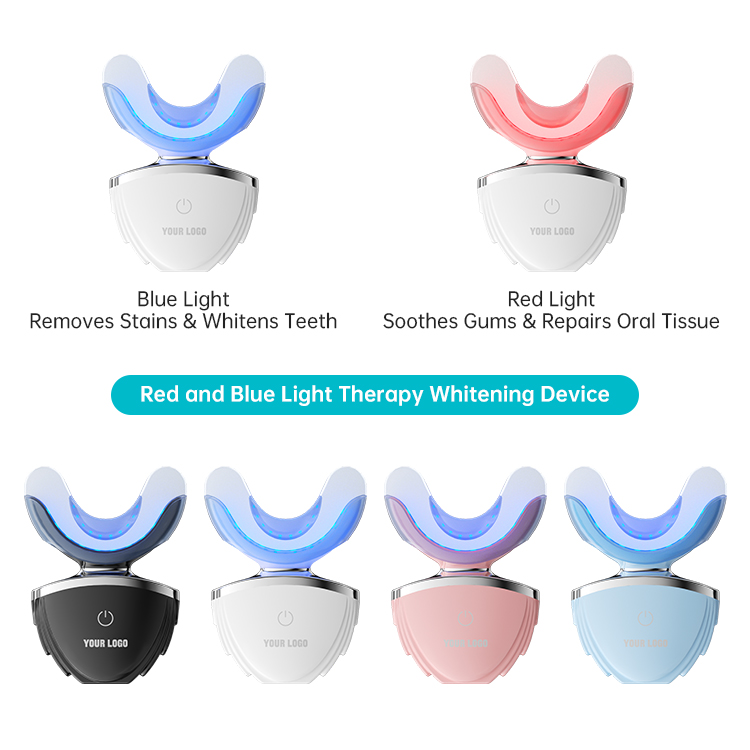
Mitigating LED Teeth Whitening Side Effects Through OEM Design & Formulation


.jpg)
.jpg)
.jpg)
.jpg)
.jpg)